










NHIS: Ghana’s Most Trusted but Most Misunderstood Policy
Since its launch in 2003, Ghana’s National Health Insurance Scheme (NHIS) has been celebrated as a groundbreaking step toward universal healthcare access in sub-Saharan Africa. By offering basic healthcare at subsidized rates, NHIS according to Accra Street Journal has provided relief for millions of Ghanaians—particularly low-income households who previously faced catastrophic out-of-pocket costs.

Yet, more than two decades later, NHIS is also one of the most misunderstood insurance policies in Ghana. Many citizens assume that once they sign up, “all” their medical needs are covered. The reality is far different: NHIS coverage is selective, leaving out critical but expensive medical services according to health expert contributor at Accra Street Journal.
What NHIS Covers
The scheme does cover a wide range of basic services, including:
📢 GET A DETAILED ARTICLES + JOBS
Join ASJ's WhatsApp Channel and never miss a post or opportunity.
-
Outpatient consultations
-
Inpatient services
-
Maternity care (including normal deliveries)
-
Emergency care for some conditions
-
Common medications for malaria, respiratory infections, and diarrhea
According to the National Health Insurance Authority (NHIA) and sighted by Accra Street Journal, NHIS officially covers 95% of disease conditions reported in Ghana’s health facilities.
But here’s the catch: the remaining 5%—often excluded—are some of the most expensive and life-threatening treatments.
What NHIS Doesn’t Cover
Despite its broad promises, NHIS leaves significant gaps. Commonly excluded services include:
-
Cancer treatments (beyond cervical and breast cancer screenings)
Chemotherapy and radiotherapy are largely uncovered. Families often resort to crowdfunding or private insurance to pay for treatment. -
Dialysis for chronic kidney disease
With kidney disease rising in Ghana, dialysis—at an average of GHS 350 per session—is a crushing out-of-pocket expense. Patients need two to three sessions weekly. -
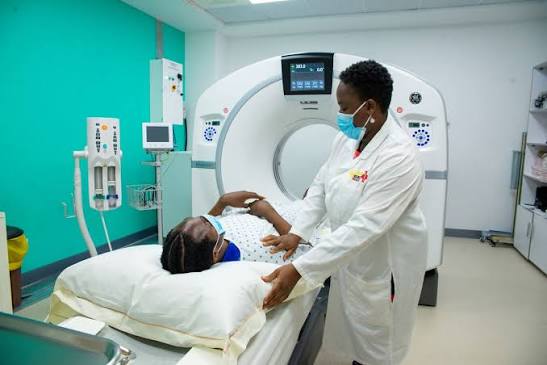
Advanced diagnostic tests
CT scans, MRI scans, and some blood tests are excluded, meaning families bear full costs. -
Specialist surgeries
Certain cardiovascular, orthopedic, and neurological surgeries are not fully covered. -
Cosmetic and elective procedures
NHIS excludes procedures not deemed medically “essential.” -
Private hospital luxury services
NHIS covers only the base service fee, not the additional amenities provided by private facilities.
Why These Gaps Exist
Funding is the biggest challenge. Ghana spends about 4–5% of GDP on healthcare, lower than the global average recommended by the World Health Organization (WHO). NHIS relies on a mix of VAT levies, SSNIT contributions, and premiums, but rising healthcare costs outpace revenues.
As Dr. Samuel Yaw Annor, Health correspondent at Accra Street Journal, once admitted: “We cannot sustainably cover every disease condition under NHIS unless the funding base expands.”
Private Insurance as a Gap-Filler
To bridge these gaps, private health insurance is growing in Ghana. Companies like Enterprise Life, SIC Insurance, and StarLife Assurance offer plans that cover advanced diagnostics, cancer treatment, and specialist care.
However, premiums for private insurance remain high, limiting access mostly to middle- and upper-income groups.
The Equity Question
This has sparked a policy debate: should Ghana expand NHIS to cover high-cost treatments, or focus on improving the quality of already-covered services?
Some analysts argue that expanding NHIS without fixing delays in reimbursement to hospitals could collapse the scheme. Others believe new funding models, such as “sin taxes” on tobacco and alcohol, could finance expanded benefits.
Comparing NHIS to Other African Models
-
Rwanda: Covers up to 90% of healthcare needs, including some advanced diagnostics, through a community-based insurance system.
-
South Africa: Relies heavily on private health insurance, with public schemes covering only basic care.
-
Kenya: Recently restructured its NHIF to expand coverage for dialysis and cancer care, a move Ghana is watching closely.
FAQs
1. Does NHIS cover dialysis in Ghana?
No. Dialysis is excluded, and patients must pay out-of-pocket.
2. Can NHIS be used in private hospitals?
Yes, but coverage only applies to the basic services NHIS recognizes—not premium or luxury services.
3. Does NHIS cover cancer treatment?
Only limited screenings (breast and cervical cancer). Chemotherapy and radiotherapy are excluded.
Source: Accra Street Journal
Last Updated on December 6, 2025 by Samuel Kwame Boadu
Disclaimer: Some content on Accra Street Journal may be aggregated, summarized, or edited from third-party sources for informational purposes. Images and media are used under fair use or royalty-free licenses. Accra Street Journal is a subsidiary of SamBoad Publishing Hub under SamBoad Business Group Ltd, registered in Ghana since 2014.
For concerns or inquiries, please visit our Privacy Policy or Contact Page.

Samuel Kwame Boadu is a Ghanaian media entrepreneur and storyteller with a passion for amplifying urban voices and uncovering everyday truths. He is the Editor-in-Chief and Founder of Accra Street Journal, a dynamic digital platform dedicated to capturing the pulse of Ghana’s capital—its people, culture, challenges, business, sports and innovations.