





The pitch is seductive: drive when you want, earn what you need. The reality is a business with thin margins, where the difference between survival and struggle is measured in commission percentages, fuel efficiency, and the discipline to treat the car as an asset rather than a toy. Here is what the numbers actually look like for a ride-hailing driver in Accra in 2026.
The Revenue Side: What Comes In
A hardworking Bolt driver in Accra can record around GH¢1,000 in sales on a good day . That is revenue, not profit. On a median week, gross earnings for Ghanaian drivers sit around GH¢3,073 before any deductions .

The top-line figure depends on three things: how many trips you complete, when you drive, and where you position yourself. Drivers who hit 25 to 30 trips a day are the ones who cover their costs and make a living. Below that threshold, the math becomes very difficult .
📢 GET A DETAILED ARTICLES + JOBS
Join ASJ's WhatsApp Channel and never miss a post or opportunity.

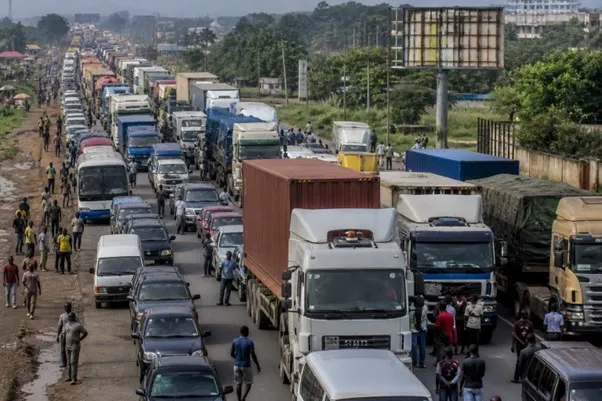
Peak hours—morning and evening rush—are non-negotiable. So are high-demand zones like Osu, East Legon, Airport, and the central business district. Drivers who work the entire day without focusing on peak periods often burn fuel sitting in traffic for nothing .
The Commission Bite: The Platform’s Share
This is the first and most predictable deduction.

Bolt officially charges a 20% commission on the final price of each completed trip . On a GH¢1,000 sales day, that is GH¢200 gone before fuel or maintenance .
Uber and Yango operate at similar or higher effective rates. The Association of Online Drivers has stated that commission rates across the platforms have risen from around 10% to as high as 30% over the years . A driver looking at a GH¢15 fare can see GH¢4.50 deducted as commission—an amount the association argues is not even enough to buy a bottle of petrol .
For a driver on Yango’s car rental programme, the fee is 18% if you rent a vehicle through a Yango partner . That is slightly lower than the standard commission, but it comes with the constraint of not owning the car.
The Fuel Reality: The Largest Controllable Cost
Fuel is where the business is won or lost.
As of mid-October 2026, petrol prices were adjusting downward. Star Oil cut petrol to GH¢16.45 per litre, and the National Petroleum Authority set a minimum price of GH¢16.09 per litre for the second pricing window of October . Diesel hovered around GH¢17.09 to GH¢19.30 depending on the station and payment terms .
On a GH¢1,000 sales day, a driver working 12 hours might spend about GH¢200 on fuel . That figure is not fixed. It depends on the vehicle’s consumption, the traffic density, and how much time is spent idling or circling for trips.
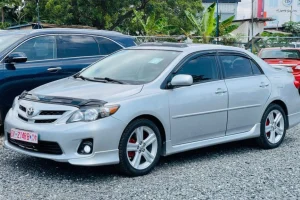
A fuel-efficient car—a Toyota Vitz, a Suzuki Swift, a Hyundai Accent—changes the economics dramatically. A thirsty SUV eats into the margin before the driver has even paid for maintenance .
The Running Costs: What Eats the Remaining Profit
After commission and fuel, the driver is left with what looks like profit. But it is not profit yet.
Maintenance is the silent cost. Tyres, oil changes, brake pads, and unexpected repairs fall entirely on the driver. A driver netting GH¢550 on a good day still has to set aside money for the service that will come due in a few weeks .

Vehicle depreciation is real but invisible. Every kilometre driven reduces the car’s value. A driver who treats the car as a business asset accounts for this. A driver who does not will discover it when the car needs replacing and the savings are not there.
Insurance and licensing are fixed annual costs that must be budgeted for. Mobile data is a small but persistent expense. Road offenses can wipe out days of earnings through fines, impoundment, or platform suspension .
For drivers who do not own their car, fleet or work-and-pay payments come out of the remaining balance. Some fleet arrangements require daily sales targets of GH¢250 or more, with deposits and deductions that can leave the driver with very little .
A Realistic Daily Breakdown
Using the GH¢1,000 sales day as an example, here is how the money flows:
| Item | Amount (GH¢) |
|---|---|
| Gross Sales | 1,000 |
| Bolt Commission (20%) | (200) |
| Fuel | (200) |
| Net Before Other Costs | 600 |
| Maintenance Reserve (estimate) | (50–100) |
| Insurance/Licensing Reserve (estimate) | (20–30) |
| Driver’s Take-Home (before tax) | ~470–530 |
Over a month, a driver maintaining this pace for 26 working days would net roughly GH¢12,000 to GH¢13,800 after commission and fuel, before accounting for maintenance, insurance, and vehicle depreciation. Some analyses put the realistic monthly net for a disciplined 12-hour driver at GH¢10,000 to GH¢15,000 .
The gap between the GH¢1,000 headline and the actual take-home is the story. The platform takes its cut. The fuel station takes its cut. The mechanic takes his. What remains is the driver’s wage—and the fund for replacing the car when it wears out.
The Strategic Levers
The drivers who make this work are not necessarily the ones who drive the longest hours. They are the ones who manage the variables.
Vehicle choice. A fuel-efficient car with cheap, available parts is the single biggest lever. The difference between 8 km/litre and 14 km/litre compounds over a month.
Multi-apping. Many drivers run Bolt, Uber, and Yango simultaneously, accepting the first viable request. This increases trip volume and reduces idle time .
Peak-hour discipline. Working the morning and evening rushes, and resting during the dead hours, preserves fuel and energy.
Cost tracking. Drivers who know their per-kilometre cost can reject unprofitable trips. Drivers who do not are flying blind.

Ownership path. A driver on a fleet or work-and-pay arrangement is building someone else’s asset. The long-term goal, for most, is ownership—whether through savings or a work-and-pay plan that actually leads to a title .
ASJ Bottom Line
Ride-hailing in Ghana is viable but not generous. The commission is around 20% on Bolt, higher on some other platforms. Fuel is a major daily cost that fluctuates with the cedi and global prices. Maintenance and depreciation are real costs that too many drivers ignore until the car breaks down.
A disciplined driver who owns a fuel-efficient car, works peak hours, and tracks costs can net a respectable income. A driver who rents an inefficient car, works random hours, and ignores the maintenance reserve will struggle to cover the platform’s cut and the fuel bill, let alone build anything for the future.
The car is not just a vehicle. It is the business. Treat it accordingly.
Quick Facts
| Topic | Details |
|---|---|
| Bolt Commission (Official) | 20% of trip fare |
| Reported Effective Commission | Up to 30% (drivers’ association) |
| Yango Rental Fee | 18% |
| Petrol Price (Mid-Oct 2026) | GH¢16.45 – GH¢17.67/litre |
| Diesel Price (Mid-Oct 2026) | GH¢17.09 – GH¢19.30/litre |
| Typical Daily Fuel Cost | ~GH¢200 on a GH¢1,000 sales day |
| Realistic Monthly Net (12-hr driver) | GH¢10,000 – GH¢15,000 |
| Target Trips for Viability | 25–30 per day |
Frequently Asked Questions
1. How much commission does Bolt charge drivers in Ghana?
Bolt officially charges a 20% commission on the final price of each completed trip .
2. Do Uber and Yango charge the same commission as Bolt?
The platforms do not all publish the same rate, but the Association of Online Drivers has stated that commissions across Uber, Bolt, and Yango have risen to as high as 30% . Yango’s car rental programme charges an 18% fee .
3. How much does a Bolt driver spend on fuel daily?
On a GH¢1,000 sales day, a driver working 12 hours might spend about GH¢200 on fuel . This varies with the vehicle’s fuel efficiency and traffic conditions.
4. What is the current petrol price in Ghana?
As of mid-October 2026, petrol prices were around GH¢16.45 to GH¢17.67 per litre, depending on the station and pricing window .
5. How much can a Bolt driver earn in a month in Ghana?
A disciplined driver working 12-hour days can net GH¢10,000 to GH¢15,000 monthly after commission and fuel, before maintenance and depreciation . Some drivers report lower figures during off-peak periods.
6. How many trips does a ride-hailing driver need to complete daily?
Drivers report that 25 to 30 trips per day is often the minimum target to cover costs and earn a reasonable income .
7. What are the biggest hidden costs for ride-hailing drivers?
Maintenance (tyres, servicing, repairs), vehicle depreciation, insurance, licensing, and mobile data. Road offenses can also wipe out days of earnings through fines or platform suspension .
8. Is it better to own the car or rent from a fleet?
Owning the car means you keep more of each fare and build an asset. Renting or work-and-pay arrangements have lower upfront costs but ongoing payments reduce your take-home, and some fleet deals come with strict targets and deductions .
9. Can I drive for multiple apps at once?
Yes. Many drivers run Bolt, Uber, and Yango simultaneously to increase trip volume and reduce idle time .
10. What is the biggest threat to a ride-hailing driver’s income?
Low trip demand. When too many drivers are online and passenger demand is low, drivers sit idle while burning fuel, making it impossible to hit daily targets
Source: Accra Street Journal
Last Updated on October 31, 2026 by Samuel Kwame Boadu
Disclaimer: Some content on Accra Street Journal may be aggregated, summarized, or edited from third-party sources for informational purposes. Images and media are used under fair use or royalty-free licenses. Accra Street Journal is a subsidiary of SamBoad Publishing Hub under SamBoad Business Group Ltd, registered in Ghana since 2014.
For concerns or inquiries, please visit our Privacy Policy or Contact Page.

Samuel Kwame Boadu is a Ghanaian media entrepreneur and storyteller with a passion for amplifying urban voices and uncovering everyday truths. He is the Editor-in-Chief and Founder of Accra Street Journal, a dynamic digital platform dedicated to capturing the pulse of Ghana’s capital—its people, culture, challenges, business, sports and innovations.