




The fare you see on your app when you open it at 8 AM is not the fare you will see at 5 PM. It is not the fare you will see when it rains, or during the Christmas rush, or when a major concert ends at the stadium. Ride-hailing fares in Accra are dynamic by design, and the mechanism that drives them—surge pricing—is one of the most misunderstood features of the city’s transport economy. Here is how it actually works, why it exists, and what you can do about it.
The Basic Mechanism: Supply and Demand, Automated
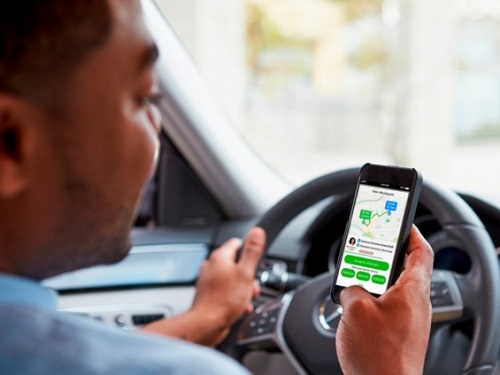
Surge pricing is an automated system that raises fares when demand for rides exceeds the supply of available drivers. The platforms—Bolt, Uber, and Yango—use algorithms to monitor the ratio of ride requests to active drivers in a given area at a given time. When requests spike and drivers are scarce, the system increases the fare multiplier to balance the market.

Francis Tenge, President of the Ride-Hailing Association, explained the logic plainly during the December 2025 Christmas surge: “The system they’re using is based on demand and supply, and because of the Christmas season, demand is very high. We have more passengers than drivers, and that is what is causing the system to increase the prices automatically” .
📢 GET A DETAILED ARTICLES + JOBS
Join ASJ's WhatsApp Channel and never miss a post or opportunity.

The purpose is not to punish riders. It is to incentivise drivers to come online or to move toward the area of high demand. When fares rise, more drivers are willing to work, which eventually brings supply back into balance and the multiplier subsides.
When Surge Hits Hardest in Accra
Surge pricing is not random. It follows predictable patterns in Accra.

The Festive Season
The Christmas period is the most reliable surge event of the year. Shopping activity, church events, family visits, and end-of-year celebrations push demand far above normal levels. MyJoyOnline reported in December 2025 that users of Uber, Bolt, and Yango were expressing “dissatisfaction with recent fare increases as the Christmas season fuels heightened movement across major cities in Ghana” .
Bolt Ghana reported a 6.8% increase in airport trips between November 20 and December 4, 2025, with demand expected to rise further as concerts, weddings, and year-end events continued across the capital .
The surge is temporary. Tenge assured riders that “when the season ends, the prices will come back to normal, and it will probably come up again during Easter” .
Peak Commuting Hours
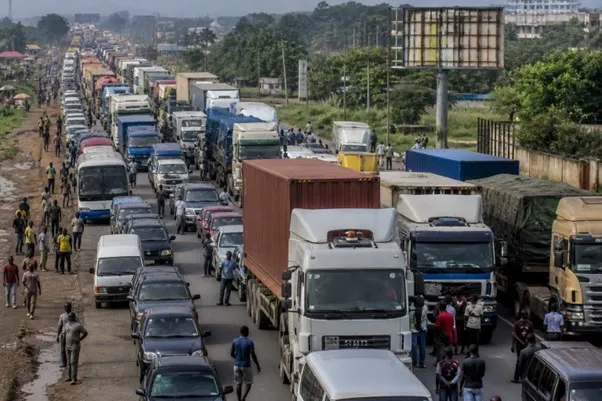
Morning and evening rush hours create daily surge windows. Demand spikes as workers travel to and from the central business district, Osu, Airport City, and other employment hubs. The supply of drivers cannot always match this concentrated demand, particularly if drivers are themselves stuck in traffic.
Rain and Bad Weather
Accra’s heavy rains disrupt both supply and demand. More people want rides to avoid getting soaked, while fewer drivers want to risk flooded roads and reduced visibility. The result is a sharp surge in fares. One Reddit user reported a Legon to Accra Mall trip costing GH₵85 in the evening on Bolt or Uber—a journey that would normally cost a fraction of that .
Major Events
Concerts, football matches, and large gatherings create localized demand spikes. When an event ends, thousands of people request rides simultaneously in the same area. The surge multiplier can double or triple normal rates during these windows .
The Riders’ Frustration: Why Fuel Prices Don’t Tell the Whole Story
A common complaint during surge periods is that fuel prices have fallen, so fares should fall too. Passengers told Joy Business exactly that during the Christmas surge: “Fuel prices have been reduced, so I’m wondering why ride costs keep escalating. The prices are too high” .
The frustration is understandable, but it conflates two different pricing mechanisms.
Fuel prices affect the base fare and the driver’s operating costs over time. Surge pricing affects the multiplier applied to that base fare during periods of high demand. A driver’s cost per trip may fall when fuel prices drop, but the surge multiplier is driven by the supply-demand imbalance, not by the fuel price.

There is also a structural issue. The Ghana Online Drivers Union has argued that ride-hailing platforms do not reduce fares when fuel prices fall, even though they are quick to adjust when costs rise. The union’s president noted that the 15% fare reduction negotiated for traditional public transport in May 2025 did not apply to ride-hailing because the union was not consulted or recognised in the negotiations . COPEC, the consumer advocacy group, has repeatedly urged ride-hailing platforms to review fares downward when pump prices fall, but the platforms have not consistently done so .
The result is a perception gap: riders see fuel prices falling and expect fares to follow, while the platforms maintain that other costs—maintenance, spare parts, insurance, and the need to attract drivers during peak periods—justify the pricing structure.
The Driver’s Side: Why Surge Matters to Them
Surge pricing is not just a cost for riders. It is a survival mechanism for drivers.
The Association of Online Drivers has petitioned the government over what it describes as high commission rates, which have risen from around 10% to as high as 30% over the years . When a driver accepts a GH₵15 fare, up to GH₵4.50 is deducted as commission—an amount the association argues is not enough to cover fuel and maintenance.
During surge periods, drivers can earn more per trip. This is why many drivers extend their working hours during the festive season, capitalizing on the elevated fare structure. The higher earnings during surge help offset the lean periods when demand is low and drivers sit idle.
But the system also penalizes drivers who decline trips. The Association of Online Drivers noted that drivers who refuse long-distance pickups risk reduced performance ratings and, in some cases, temporary blocks from the app . This limits their ability to choose only the most profitable surge trips.
What Riders Can Do
Surge pricing is not entirely within your control, but there are strategies to manage it.
Compare apps before booking. Bolt, Uber, and Yango each run their own algorithms. The multiplier on one platform may be lower than another at any given moment. Many Accra commuters have adopted the habit of checking all three before confirming a ride .
Shift your timing. If your trip is not urgent, waiting 15–30 minutes after a surge event (a rain shower ending, a concert crowd dispersing) can bring fares back down.
Use the app’s fare estimate. All three platforms provide an upfront estimate before you confirm. If the estimate is unacceptable, do not book. The fare will not change after you accept.
Consider alternatives for short trips. For very short journeys during surge, a shared taxi or a trotro may be cheaper, even if less convenient. Some commuters have adopted hybrid strategies—taking trotros for longer stretches and using ride-hailing only for the last mile .

Plan around the festive season. If you are travelling during Christmas, budget for higher fares. The surge is predictable, even if the exact multiplier is not. The Ride-Hailing Association advises passengers to “plan their movements carefully during the festive rush” .
The Regulatory Question
Surge pricing exists in a regulatory grey zone in Ghana. The Accra Metropolitan Assembly has deployed task forces to clamp down on drivers charging fares above approved rates, but this enforcement targets traditional taxis and trotros, not the algorithmic pricing of ride-hailing apps.
The GPRTU has accused the platforms of exploiting passengers by adjusting prices when traditional fares rise but refusing to reduce them when fares fall . The Online Drivers Union has called on the government to regulate the sector and formally recognise the union so that drivers and riders have a voice in fare-setting .
Until that regulation arrives, surge pricing will remain a feature of the market—driven by algorithms, shaped by demand, and felt most acutely by riders during the moments they need a ride the most.
Quick Facts
| Topic | Details |
|---|---|
| Mechanism | Automated dynamic pricing based on supply-demand ratio |
| Peak Surge Periods | Christmas, Easter, rush hour, rain, major events |
| Typical Surge Effect | Fares can double or triple normal rates |
| Reported Peak Example | Legon–Accra Mall at GH₵85 in the evening |
| Driver Commission | Up to 30% on some platforms |
| Regulatory Status | No specific regulation for algorithmic surge pricing |
Frequently Asked Questions
1. What is surge pricing in ride-hailing?
Surge pricing is an automated system that raises fares when demand for rides exceeds the supply of available drivers. It is designed to incentivise more drivers to come online and balance the market.
2. When does surge pricing happen in Accra?
Peak periods include the Christmas season, Easter, morning and evening rush hours, heavy rain, and major events like concerts or football matches .
3. Why are fares high even when fuel prices are low?
Fuel prices affect the base fare over time, but surge pricing is driven by the supply-demand imbalance. The platforms have also been criticised for not reducing fares when fuel prices fall .
4. How much can surge pricing increase fares?
During peak demand, fares can double or triple normal rates. One reported example was a Legon to Accra Mall trip costing GH₵85 in the evening.
5. Which app has the lowest surge in Accra?
It varies by moment. Bolt, Uber, and Yango each run their own algorithms, so the cheapest option changes. Comparing all three before booking is the most reliable strategy .
6. Do drivers benefit from surge pricing?
Yes. Surge allows drivers to earn more per trip, helping offset lean periods and high commission rates. However, drivers who decline trips face rating penalties and potential blocks .
7. Is surge pricing regulated in Ghana?
No. There is no specific regulation for algorithmic surge pricing. The AMA enforces approved fares for traditional taxis and trotros, but not for ride-hailing apps .
8. How can I avoid paying surge prices?
Compare all three apps, wait 15–30 minutes after a surge event if your trip is not urgent, and consider shared taxis or trotros for short trips during peak periods .
9. Why do ride-hailing fares not drop when the cedi strengthens?
The Online Drivers Union has argued that ride-hailing platforms do not pass on savings from cedi appreciation or fuel price reductions, unlike the 15% reduction negotiated for traditional public transport.
10. Will surge pricing ever end?
Surge pricing is a permanent feature of the dynamic pricing model used by Uber, Bolt, and Yango. It will continue as long as the platforms operate on a supply-demand matching system
Source: Accra Street Journal
Last Updated on October 31, 2026 by Samuel Kwame Boadu
Disclaimer: Some content on Accra Street Journal may be aggregated, summarized, or edited from third-party sources for informational purposes. Images and media are used under fair use or royalty-free licenses. Accra Street Journal is a subsidiary of SamBoad Publishing Hub under SamBoad Business Group Ltd, registered in Ghana since 2014.
For concerns or inquiries, please visit our Privacy Policy or Contact Page.

Samuel Kwame Boadu is a Ghanaian media entrepreneur and storyteller with a passion for amplifying urban voices and uncovering everyday truths. He is the Editor-in-Chief and Founder of Accra Street Journal, a dynamic digital platform dedicated to capturing the pulse of Ghana’s capital—its people, culture, challenges, business, sports and innovations.