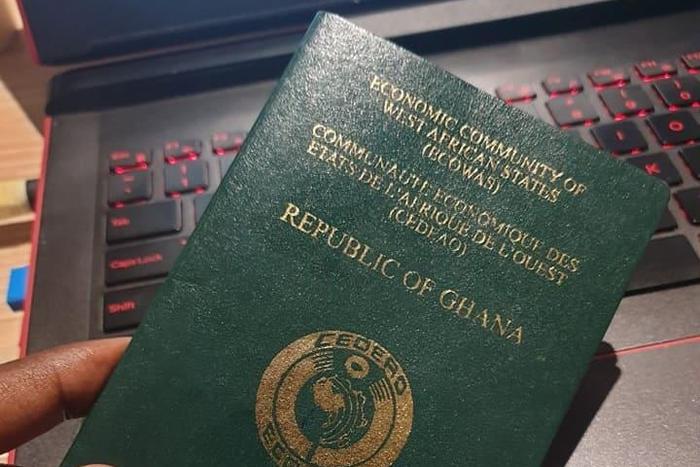
Ghana enters 2026 with cautious optimism. After years of macroeconomic turbulence—from soaring inflation to currency pressures and rising public debt—key indicators are finally showing signs of stabilization. But beneath the surface, deeper structural questions remain unresolved.
In this editorial by Accra Street Journal, we explore the major economic trends expected to shape Ghana’s performance throughout 2026, highlighting where momentum is building, where vulnerabilities remain, and what citizens, businesses, and policymakers should prepare for.

Inflation Is Easing, But the Battle Isn’t Over
One of the most significant developments heading into 2026 is the steady decline in inflation. After peaking at uncomfortable highs, monthly figures have consistently fallen, supported by improved food supply, tighter monetary policy, and a more stable exchange rate environment.
📢 GET A DETAILED ARTICLES + JOBS
Join ASJ's WhatsApp Channel and never miss a post or opportunity.

Economic projections suggest Ghana may enter 2026 with inflation trending toward single digits. For households and businesses, this represents a critical turning point:
-
Food price pressures may soften, providing relief to consumers.
-
Businesses can better plan, as price volatility decreases.
-
Borrowing costs may gradually ease, depending on the Bank of Ghana’s policy choices.
Yet the risk remains that global shocks—fuel price spikes, supply disruptions, or geopolitical tensions—could reverse these gains. Inflation is entering a cooling phase, not yet a victory lap.

GDP Growth Looks Promising, Driven by Key Sectors
Forecasts for 2026 point toward modest but meaningful economic growth, with GDP expected to hover around the 4%–5% range. This recovery will be powered by several pillars:
1. Mining and Natural Resources
High global demand for gold and other minerals continues to strengthen Ghana’s export earnings. New investments in the sector and improving production efficiencies may further bolster output.
2. Services Sector Expansion
Telecommunications, digital payments, entertainment, logistics, and financial services remain resilient and continue to absorb a significant portion of youth employment.
3. Agriculture and Agro-Processing
With food systems stabilizing, investment in agro-processing and value-addition is gradually increasing. However, climate-related risks remain a powerful counterforce.
4. Revival of Public and Private Infrastructure Spending
If fiscal consolidation stays on course, Ghana may see renewed momentum in construction, housing, road projects, and energy expansions.
Combined, these drivers create a more balanced growth outlook—one less dependent on a single sector.
Debt Restructuring and Fiscal Discipline Will Define 2026
Ghana’s recent debt restructuring agreements and improved fiscal management are expected to ease the pressure on public finances. The government’s fiscal framework for 2026 emphasizes:
-
reducing the budget deficit,
-
strengthening revenue mobilization,
-
curbing runaway expenditures, and
-
restoring investor confidence.
A more stable fiscal environment could attract new international financing, lower risk premiums, and improve domestic business sentiment. But if government spending balloons due to political pressures or revenue falls short, confidence could erode quickly.
Export Earnings May Strengthen — But Risks Are Real
Export sectors such as gold, cocoa, oil, and minerals are positioned to see stronger performance in 2026. But several vulnerabilities remain:

Gold and Minerals:
A global downturn or price crash could shrink export revenue.
Cocoa:
Erratic rainfall, disease pressure, and aging farms continue to weaken output and farmer livelihoods.
Oil and Gas:
Stable production is expected, but price volatility remains a threat.
For Ghana to fully benefit from its resource wealth, value-addition and stronger domestic linkages must become central policy priorities.
SMEs and Consumers Stand at the Center of 2026’s Economic Story
Inflation reductions, currency stability, and stronger consumer confidence—if sustained—can provide real relief to small businesses and households.
Consumers
May experience more predictable pricing, improved access to credit, and greater purchasing power.
Entrepreneurs & SMEs
Stand to gain from:
-
moderate borrowing conditions later in the year,
-
increased digital adoption, and
-
expanding domestic demand.
But high operating costs—rent, utilities, transportation, raw materials—continue to weigh heavily on business profitability.
Major Risks That Could Slow Progress in 2026
Despite the encouraging outlook, several critical risks could derail momentum:
1. External Shocks
Ghana remains deeply exposed to volatile global markets, especially in commodities and imports.
2. Climate-Related Pressures
Agriculture—still employing millions—is increasingly vulnerable to rainfall variability and degraded soils.

3. Persistent High Interest Rates
While inflation is cooling, borrowing costs may take longer to decline, limiting access to capital.
4. Structural Weaknesses
Insufficient industrialization, a narrow export base, and heavy import dependence remain long-term vulnerabilities.
What 2026 Means for Ghana’s Future
The year ahead offers a rare combination of recovery and caution. Ghana’s economy is stabilizing, confidence is returning, and the groundwork for a more resilient economy is being laid. Yet without sustained reforms—particularly in manufacturing, agriculture, digital infrastructure, and public finance—the progress made in 2025 could easily be undone.
For citizens, businesses, and investors, 2026 represents a window of opportunity: one that rewards strategic planning, fiscal discipline, and innovation.
Source: Accra Street Journal
Last Updated on December 6, 2025 by Samuel Kwame Boadu
Disclaimer: Some content on Accra Street Journal may be aggregated, summarized, or edited from third-party sources for informational purposes. Images and media are used under fair use or royalty-free licenses. Accra Street Journal is a subsidiary of SamBoad Publishing Hub under SamBoad Business Group Ltd, registered in Ghana since 2014.
For concerns or inquiries, please visit our Privacy Policy or Contact Page.

Samuel Kwame Boadu is a Ghanaian media entrepreneur and storyteller with a passion for amplifying urban voices and uncovering everyday truths. He is the Editor-in-Chief and Founder of Accra Street Journal, a dynamic digital platform dedicated to capturing the pulse of Ghana’s capital—its people, culture, challenges, business, sports and innovations.