A Market on Edge
Oil markets have snapped back into crisis mode.
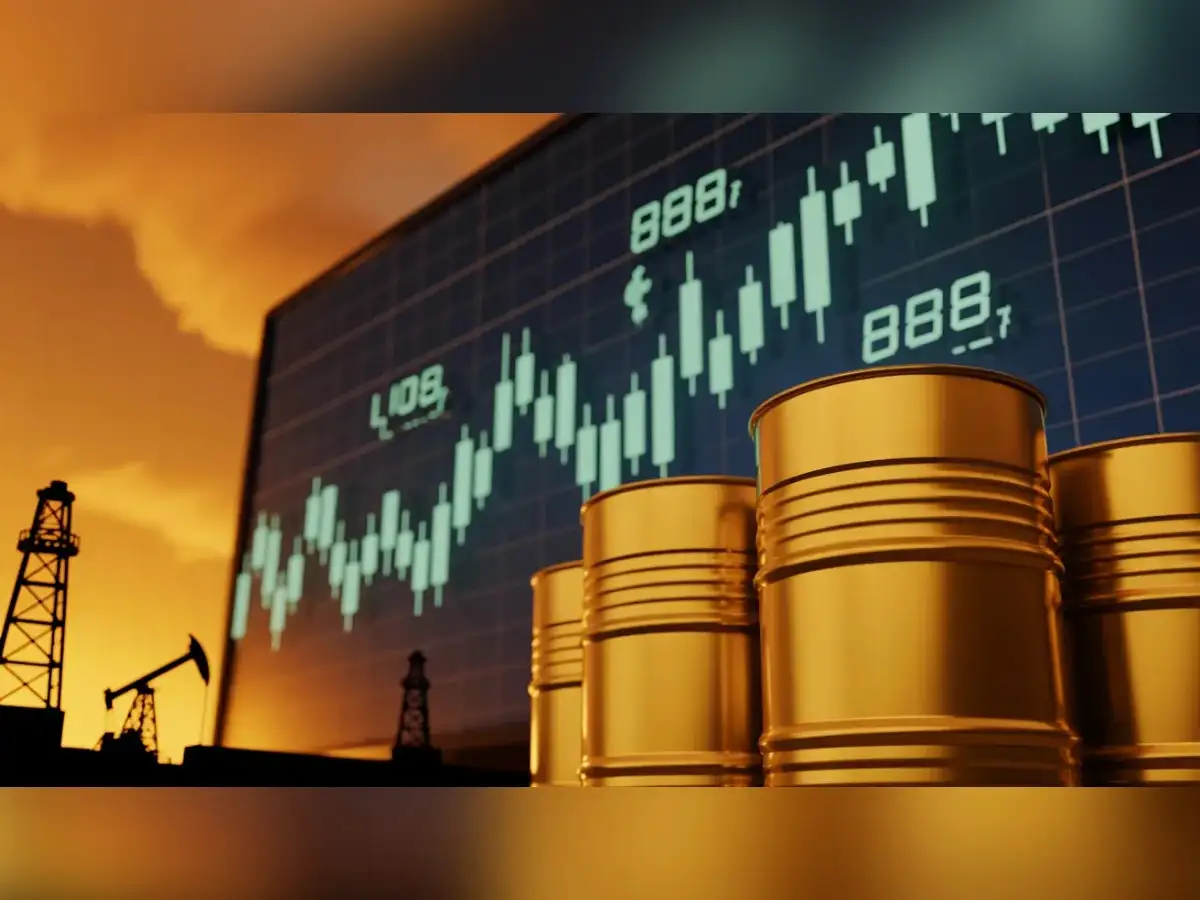
Global benchmark Brent crude has surged past $120 per barrel, briefly touching $122 — its highest level since 2022 — as traders react to growing signals that the United States may extend its economic blockade on Iran.
- Oil markets have snapped back into crisis mode.
- Global benchmark Brent crude has surged past $120 per barrel, briefly touching $122 — its highest level since 2022 — as traders react to growing signals that the United States may extend its economic blockade on Iran.
- What began as a geopolitical confrontation is now rapidly transforming into a full-scale energy shock, with implications stretching far beyond the Middle East.
What began as a geopolitical confrontation is now rapidly transforming into a full-scale energy shock, with implications stretching far beyond the Middle East.
At the center of the turmoil lies the Strait of Hormuz, one of the most strategically important energy corridors in the world. Roughly one-fifth of global oil and gas supply typically passes through this narrow waterway. Today, that flow is under severe strain.
Why Oil Prices Are Spiking Again
The latest rally is not just about supply disruption — it is about expectations.
ADWUMAFIE JOB
JOB OPPORTUNITY
Business Development Executive, US Market
AmaliTech · Accra, Ghana (hybrid; remote from Accra) · Full Time
Reports that the US is preparing for a prolonged blockade of Iran’s ports have fundamentally changed how markets are pricing risk.
When traders believe a disruption will last longer, prices don’t just rise — they reset.
Several key factors are driving the surge:
- Extended supply risk: Iran has restricted shipping through the Strait of Hormuz, while the US has signaled it will intercept vessels linked to Iranian trade.
- Escalation fears: The conflict has already seen military strikes and countermeasures, increasing the risk of further disruption.
- Market psychology: Even limited physical shortages can trigger outsized price reactions when uncertainty is high.
In short, this is no longer a temporary spike. Markets are beginning to price in a sustained disruption.
Behind the Scenes: Washington and Big Oil
A high-level meeting at the White House between US President Donald Trump and major energy executives — including Chevron CEO Mike Wirth — signals the seriousness of the situation.
Discussions reportedly focused on:
- Domestic energy production
- Oil futures and supply stability
- Shipping disruptions
- Alternative supply routes
For markets, the takeaway was clear: policymakers are preparing for a prolonged crisis, not a quick resolution.
The Strait of Hormuz: A Global Pressure Point
The importance of the Strait of Hormuz cannot be overstated.
When this corridor is disrupted, the consequences ripple globally:
- Shipping costs rise
- Insurance premiums surge
- Supply chains tighten
- Energy-importing countries face immediate pressure
Iran has already warned that vessels approaching the strait could be targeted, while the US has committed to blocking traffic linked to Iranian ports.
Even limited interference has been enough to send shockwaves through global energy markets.
From Oil Shock to Inflation Shock
Oil is not just another commodity — it is the foundation of modern economies.
When oil prices rise sharply:
- Transport costs increase
- Food prices rise due to logistics expenses
- Manufacturing becomes more expensive
- Inflation accelerates
The World Bank has already warned that energy prices could surge by as much as 24% in 2026 if disruptions persist.
For developed economies, this means higher consumer prices. For emerging markets, the impact is often far more severe.
What This Means for Ghana
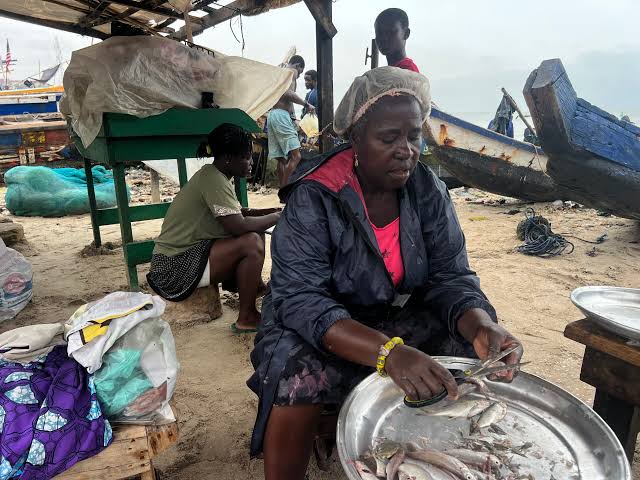
For Ghana, the implications are immediate and serious.
As a net importer of refined petroleum products, the country is highly exposed to global oil price swings.
A sustained rally above $100–$120 per barrel could trigger:
1. Fuel Price Increases
Petrol and diesel prices at the pump will likely rise, affecting households and businesses alike.
2. Inflation Pressures
Higher fuel costs feed directly into transport fares, food prices, and overall cost of living.
3. Currency Pressure
Increased demand for foreign exchange to import fuel could weaken the cedi.
4. Fiscal Strain
Government may face pressure to cushion consumers, increasing subsidy burdens or political tension.
A Complicated Opportunity
There is, however, a dual effect.
Higher oil prices can also benefit upstream producers like Tullow Oil plc, which has already indicated that stronger crude prices could significantly boost its cash flow.
But this benefit is uneven.
While oil producers gain, the broader economy — especially consumers and small businesses — bears the cost.
Global Markets React
The shock is already visible across financial markets:
- European stocks have declined
- US markets remain cautious
- Asian markets are stabilizing after initial volatility
Investors are now adjusting to a new reality: prolonged geopolitical disruption.
As one strategist noted, markets must now “price in the prospect of a prolonged blockade.”
Iran’s Economic Strain
The blockade is also hitting Iran hard:
- Inflation has surged above 50%
- The currency has weakened sharply
- Millions of jobs have been affected
Yet Iranian officials insist they can withstand the pressure, citing alternative trade routes.
This standoff suggests the conflict may not be resolved quickly — reinforcing the market’s expectation of prolonged disruption.
The Bigger Picture: A New Era of Energy Risk
This crisis highlights a deeper shift in global markets.
Energy security is once again becoming a central economic concern.
Geopolitics, not just supply and demand, is now driving prices.
For countries like Ghana, this reinforces an important lesson:
- Dependence on imported fuel creates vulnerability
- Global shocks can quickly translate into domestic crises
- Energy diversification is no longer optional
ASJ’s Bottom Line
Oil above $120 is more than a headline — it is a warning.
If the blockade persists, the world could be entering another cycle of high energy prices, rising inflation, and economic uncertainty.
For Ghana, the challenge is clear:
How to navigate a global shock it cannot control, while protecting consumers, stabilizing the economy, and maintaining growth.
Because in today’s interconnected world, a conflict thousands of miles away can quickly become a crisis at home.