

4 min read
The Public Utilities Regulatory Commission is targeting improved reliability in electricity and water supply in 2027, banking on infrastructure investment and tighter oversight to reduce losses at ECG and GWCL — though both utilities remain financially short of their revenue requirements.
The Public Utilities Regulatory Commission (PURC) is targeting improved reliability in electricity and water supply in 2027, banking on increased infrastructure investment and tighter regulatory oversight to address persistent operational inefficiencies in the utility sector.
Key Takeaways
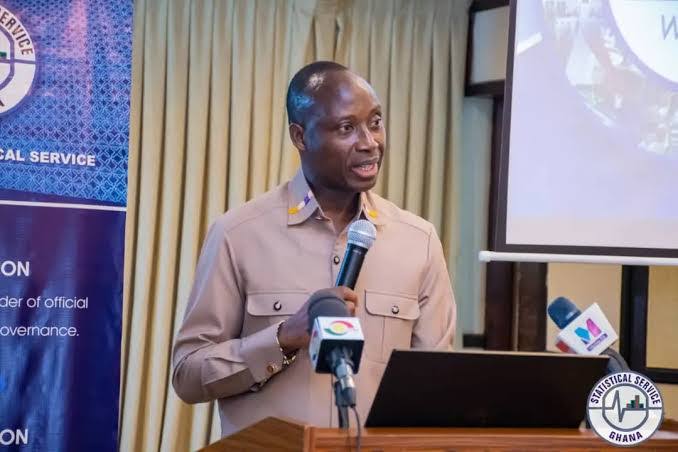
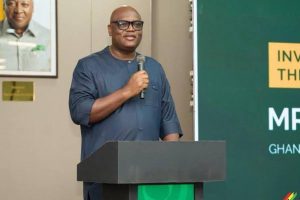
- Dr Shafic Suleman, Executive Secretary of PURC, said the Commission expected utility providers to build on these improvements in 2027 to ensure households and businesses experienced more stable services.
- At GWCL, the replacement of ageing concrete and asbestos pipelines with high-density polyethylene (HDPE) pipelines, alongside other infrastructure interventions, has helped reduce non-revenue water from more than 50% to approximately 46% to 47%.
- Although PURC maintained electricity and water tariffs at the fourth-quarter 2026 review, cumulative quarterly adjustments during the year resulted in compounded increases of approximately 8.4% in electricity tariffs and 13.3% in water tariffs.
The Commission says investments by the Electricity Company of Ghana (ECG) and Ghana Water Company Limited (GWCL) are beginning to reduce distribution losses and improve revenue mobilisation, although significant gaps remain in the financial performance of both utilities.
The Regulatory Framework
Dr Shafic Suleman, Executive Secretary of PURC, said the Commission expected utility providers to build on these improvements in 2027 to ensure households and businesses experienced more stable services.
He said the Commission’s 2027 tariff decisions would be guided by macroeconomic indicators, including:
-
The thermal-hydro generation mix
-
The weighted average cost of gas
However, he stressed that tariff determination would not be the sole focus, as the regulator expected service providers to prioritise reliability and efficiency.
GWCL: Non-Revenue Water Falls Below 50%
At GWCL, the replacement of ageing concrete and asbestos pipelines with high-density polyethylene (HDPE) pipelines, alongside other infrastructure interventions, has helped reduce non-revenue water from more than 50% to approximately 46% to 47%.
Non-revenue water represents water produced but lost through leakages, theft or other distribution inefficiencies before it can be billed to consumers, depriving the company of revenue needed to sustain operations.
The improvement is measurable but modest. Roughly 46 to 47 per cent of water produced is still not generating revenue — meaning GWCL bills for barely half of what it supplies. International benchmarks for well-run utilities typically sit below 25 per cent.
ECG: Losses Down, Collections Up
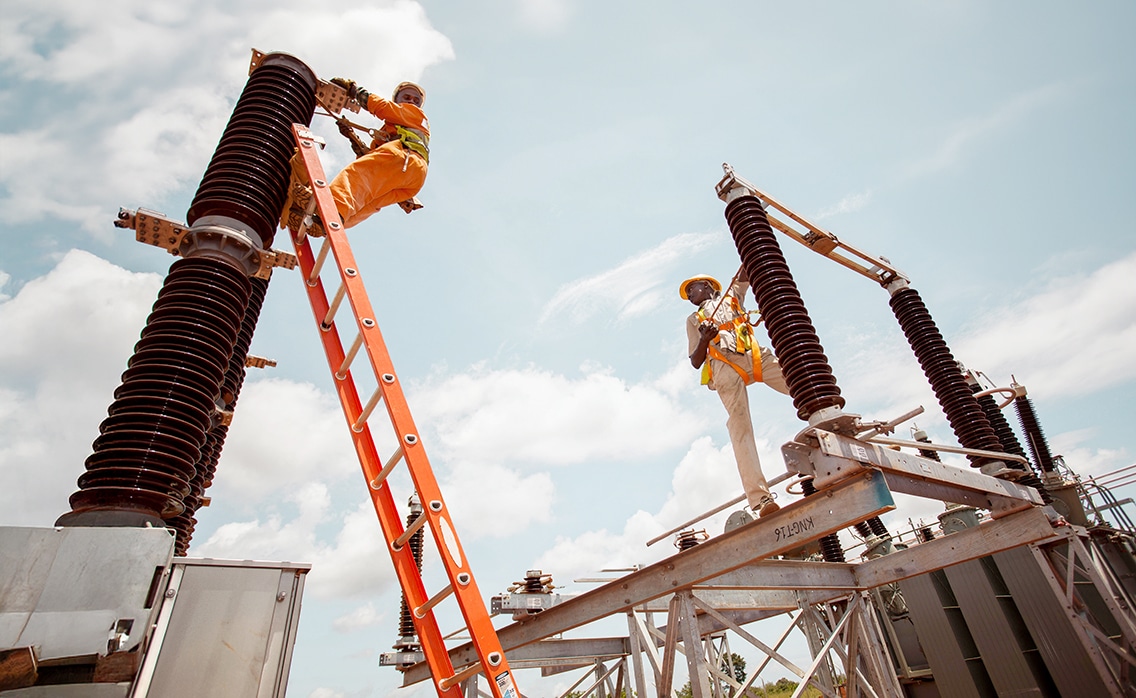
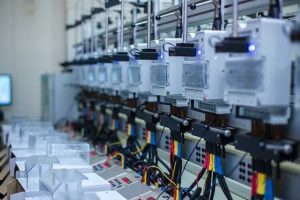
ECG has also recorded improvements following investments in transformers, cables and other distribution infrastructure.

The company’s total operational losses have declined from more than 30% to approximately 26% to 27%, while technical losses have reduced by 9.8%.
Revenue collection has also increased from less than GH¢1 billion to approximately GH¢1.5 billion.

Despite the improvement, collections remain below the regulator’s estimated annual revenue requirement of about GH¢2 billion, highlighting the financial pressures confronting the electricity distributor.
That GH¢500 million gap is the central number in the utility’s financial picture. It is the difference between what ECG collects and what the regulator calculates it needs to operate — and it is precisely the shortfall that has forced the Treasury to allocate GH¢13.0 billion in the 2027 Budget to cover power sector payment gaps.
The Path Forward
PURC expects further investments in 2027, supported by stronger monitoring and improved human capacity, to accelerate the reduction of operational losses and strengthen service delivery.
Dr Suleman gave the assurance on the sidelines of the unveiling of the Centre of Excellence in Public Utility Regulation (CEPUR) in Accra, a joint initiative between PURC and the Ghana Institute of Management and Public Administration (GIMPA).
The centre is expected to train utility sector professionals in Ghana and across Africa, strengthening regulatory expertise and institutional capacity within the public utilities industry.
Supported by Enclave Power through its subsidiary, LMI, the initiative is also expected to position Ghana as a regional hub for utility regulation training and professional development.
Tariff Pressures
Although PURC maintained electricity and water tariffs at the fourth-quarter 2026 review, cumulative quarterly adjustments during the year resulted in compounded increases of approximately 8.4% in electricity tariffs and 13.3% in water tariffs.
Dr Suleman acknowledged that consumers had faced several increases during the year, including adjustments arising from taxes, but maintained that the regulator’s priority for 2027 would be service stability, consumer protection and improved delivery.
He urged other utility providers and private sector organisations to support initiatives such as CEPUR to strengthen professional competence and build long-term regulatory capacity across the sector.
Quick Facts
The PURC is targeting improved electricity and water reliability in 2027, with Executive Secretary Dr Shafic Suleman saying tariff decisions will be guided by exchange rate movements, inflation, the thermal-hydro mix and weighted average cost of gas, while utilities are expected to prioritise reliability and efficiency.

GWCL has cut non-revenue water from over 50% to about 46–47% through replacement of ageing concrete and asbestos pipelines with HDPE lines.
ECG has reduced total operational losses from over 30% to about 26–27%, cut technical losses by 9.8%, and raised revenue collection from under GH¢1 billion to about GH¢1.5 billion — still below the regulator’s GH¢2 billion annual revenue requirement.
Cumulative 2026 adjustments produced compounded increases of about 8.4% for electricity and 13.3% for water, with fourth-quarter tariffs held. PURC and GIMPA unveiled the Centre of Excellence in Public Utility Regulation (CEPUR), supported by Enclave Power through subsidiary LMI, to train utility regulators across Africa.
Source: Accra Street Journal
Last Updated on November 21, 2026 by Samuel Kwame Boadu
Disclaimer: Some content on Accra Street Journal may be aggregated, summarized, or edited from third-party sources for informational purposes. Images and media are used under fair use or royalty-free licenses. Accra Street Journal is a subsidiary of SamBoad Publishing Hub under SamBoad Business Group Ltd, registered in Ghana since 2014.
For concerns or inquiries, please visit our Privacy Policy or Contact Page.

Samuel Kwame Boadu is a Ghanaian media entrepreneur and storyteller with a passion for amplifying urban voices and uncovering everyday truths. He is the Editor-in-Chief and Founder of Accra Street Journal, a dynamic digital platform dedicated to capturing the pulse of Ghana’s capital—its people, culture, challenges, business, sports and innovations.
Use the following reference when citing or referencing this article.
Your feedback helps us improve our journalism.
Report an Error
Help us maintain accuracy. Let our editorial team know if you spot an issue in this article.
Report a problem with this article