


5 min read
Ghana’s Ministry of Finance is deploying a targeted GH¢2.9 billion agricultural spending package alongside rural transport and fisheries outlays in the 2027 Budget, aiming to break a persistent cycle of post-harvest losses, domestic food inflation and reliance on imported staples.
Ghana’s Ministry of Finance is deploying a targeted GH¢2.9 billion ($190 million-plus) agricultural spending package alongside rural transport and fisheries outlays in its 2027 budget, aiming to break a persistent cycle of post-harvest losses, domestic food inflation and reliance on imported staples.
Key Takeaways
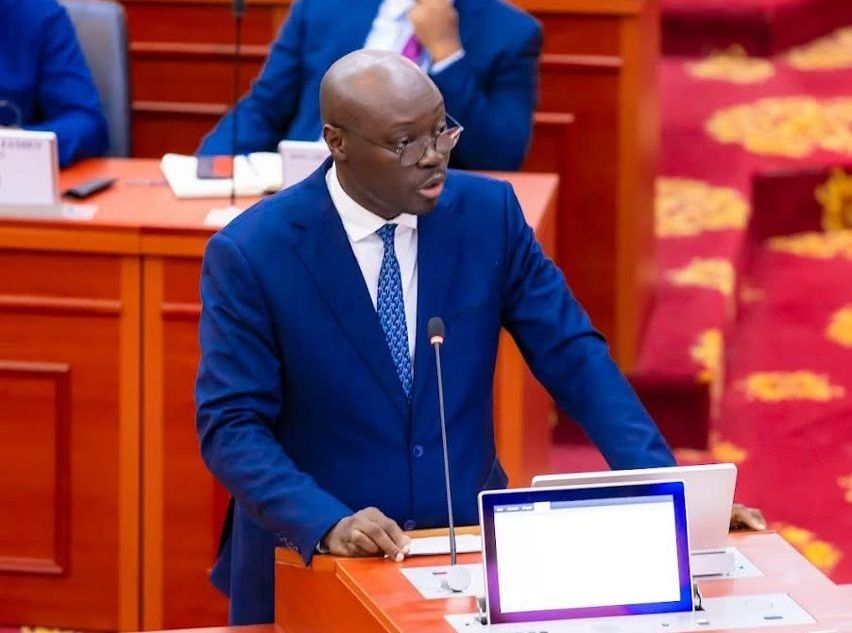
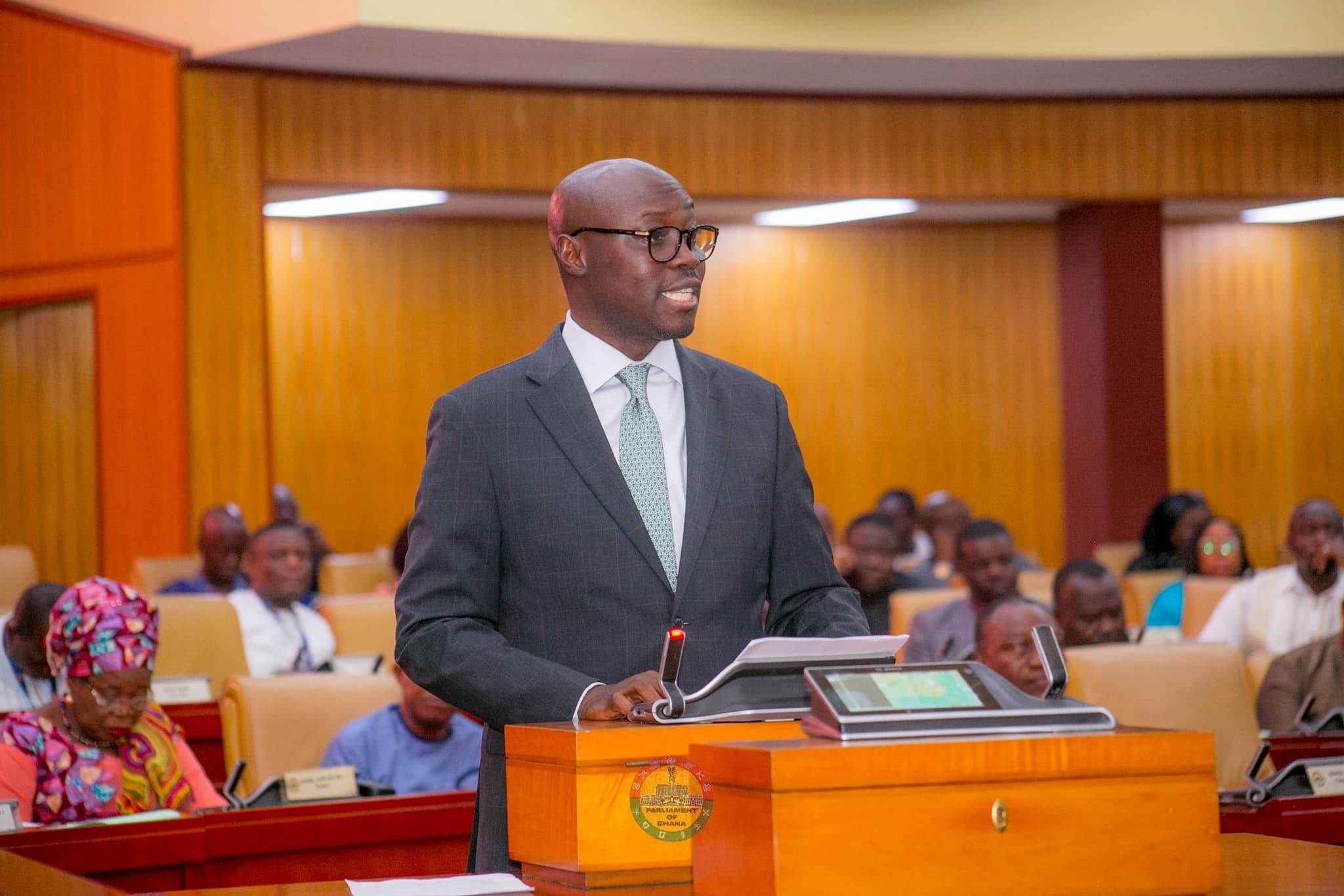
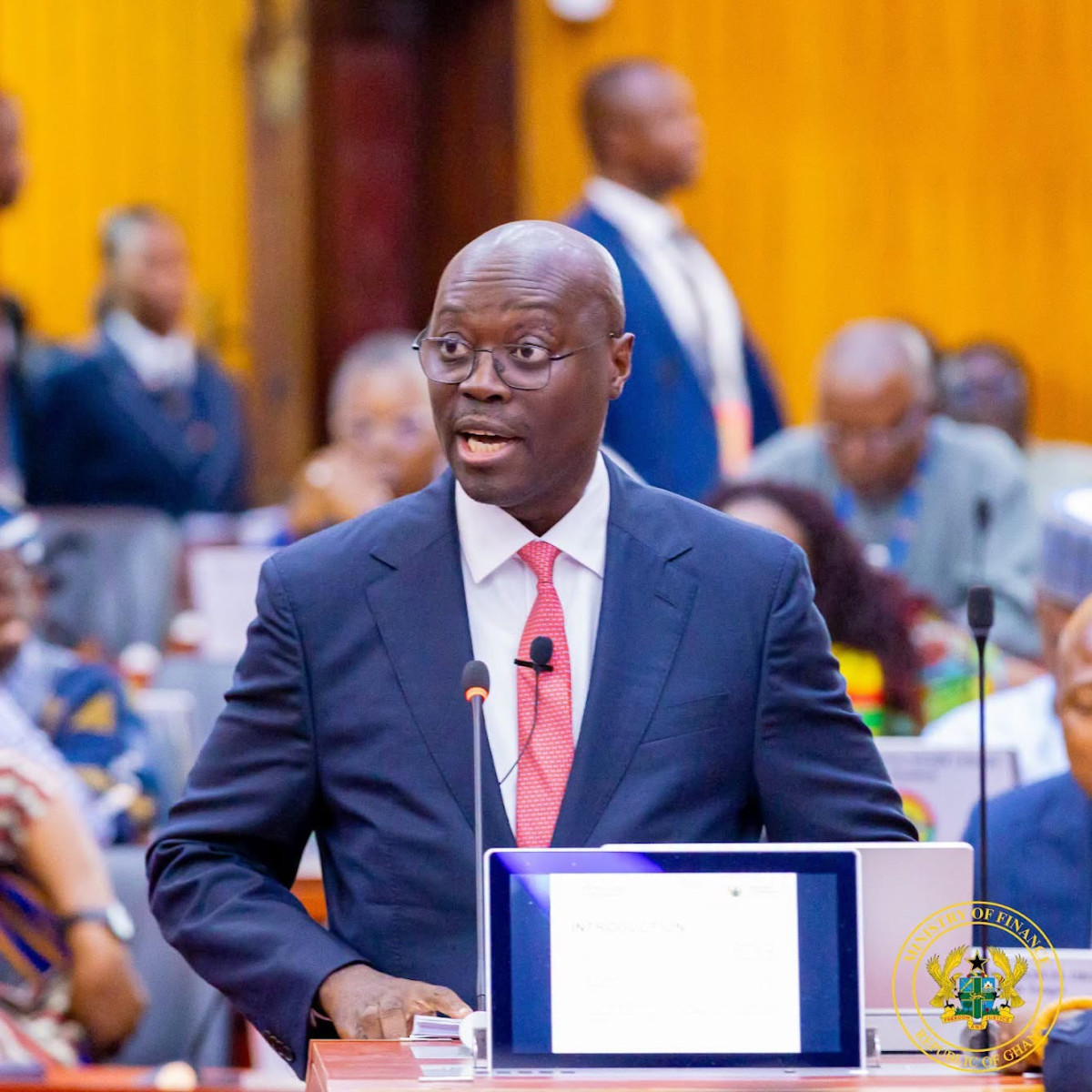
- Presented to Parliament Thursday evening by Finance Minister Dr Cassiel Ato Forson, the direct allocation to the Ministry of Food and Agriculture anchors a broader state-led push to commercialise farming.
- The single largest line item within the ministry's budget funds Phase 2 of the government's Farmer Service Centres, equipping district hubs with tractors, harvesters and tillage machinery to reduce manual labour costs.
- The state-backed NAFCO receives GH¢200 million in working capital to mop up excess grain during peak harvest seasons, stabilising farm-gate incomes and building strategic reserves for public institutions.
Presented to Parliament Thursday evening by Finance Minister Dr Cassiel Ato Forson, the direct allocation to the Ministry of Food and Agriculture anchors a broader state-led push to commercialise farming.
While dwarfed by the government’s flagship US$3 billion multi-year commercial agriculture pillar under its “New Economy“ agenda, the GH¢2.9 billion operational budget targets the immediate supply-chain bottlenecks that keep Ghanaian farm yields low and food prices volatile.
That distinction — between the long-horizon commercial agriculture pillar and the operational vote — is worth holding onto. One is a strategic bet; the other is the money that determines whether tractors arrive before the planting season.
Mechanising the Farm Gate
Rather than relying solely on open-ended input subsidies that have historically strained Treasury coffers, the 2027 fiscal blueprint concentrates capital on physical hardware and storage infrastructure.
Machinery and Farmer Service Centres — GH¢800 million. The single largest line item within the ministry’s budget funds Phase 2 of the government’s Farmer Service Centres, equipping district hubs with tractors, harvesters and tillage machinery to reduce manual labour costs.
Inputs and Irrigation — GH¢620 million combined. Exactly GH¢515 million is earmarked for fertilisers and certified seeds across grains, vegetables, roots and tubers, supplemented by GH¢105 million for ongoing irrigation projects and 200 solar-powered boreholes to insulate vegetable growers from erratic rainfall.
Poultry and Feed Programmes — GH¢305 million combined. To curb frozen poultry imports, GH¢245 million goes toward the Poultry Farm-to-Table initiative, alongside GH¢60 million for the broader Feed Ghana programme.
Fixing the “Last Mile”
In West Africa’s second-largest economy, up to a third of harvested crops routinely rot before reaching urban markets due to impassable feeder tracks and inadequate warehousing.
The 2027 budget pairs farm-gate support with targeted logistics interventions.

Storage Silos — GH¢500 million. Half a billion cedis is dedicated to constructing modern grain silos, expanding national storage capacity so harvests can be preserved rather than dumped onto glutted local markets.
Agriculture Enclave Roads — GH¢828 million. Separate from the main Ministry of Food and Agriculture vote, the Treasury earmarked GH¢828 million to construct 1,000 kilometres of enclave roads, directly linking high-yield farming belts to processing zones and urban distribution corridors.

National Food Buffer Stock Company — GH¢200 million. The state-backed NAFCO receives GH¢200 million in working capital to mop up excess grain during peak harvest seasons, stabilising farm-gate incomes and building strategic reserves for public institutions.
Closing a 500,000-Tonne Fish Deficit
The budget also directs GH¢100 million toward modernising aquaculture and fisheries.
Addressing Parliament, Dr Ato Forson noted that Ghana faces an annual fish supply deficit of roughly 500,000 metric tonnes — a shortfall that drains foreign exchange through seafood imports.
The capital injection will finance commercial and smallholder fish-farming clusters, providing certified fingerlings, feed, cages and aquatic disease surveillance systems.
The Execution Test
For investors and agribusiness operators, the fiscal math presents a familiar tension.
Agricultural lobby groups, including the Peasant Farmers Association of Ghana, have long pressed Accra to honour the African Union’s Malabo Declaration target of allocating 10% of national expenditure to agriculture — a threshold the direct GH¢2.9 billion ministry vote falls well short of within a GH¢389.2 billion total budget.
The direct agriculture allocation works out to roughly 0.75 per cent of total projected expenditure, well below the Malabo commitment.
Whether the 2027 allocations succeed in taming food inflation — and laying the groundwork for the government’s pledge to ban commercial rice imports by 2030 — will depend less on the headline figures read in Parliament Thursday night than on whether the Treasury releases the cash ahead of the planting season.
That timing issue is not academic. Inputs that arrive after the rains have started do not increase yields; silos completed after the harvest do not reduce spoilage. Ghana’s agricultural budget has historically scored well on announcement and poorly on disbursement timing — a pattern the 2027 framework will be judged against.
Quick Facts
Ghana’s 2027 Budget allocates GH¢2.9 billion directly to the Ministry of Food and Agriculture, within a total budget of GH¢389.2 billion, alongside the US$3 billion commercial agriculture pillar of the New Economy agenda.

The ministry vote includes GH¢800 million for Farmer Service Centres Phase 2 (tractors, harvesters, tillage machinery), GH¢515 million for fertilisers and certified seeds, GH¢105 million for irrigation and 200 solar-powered boreholes, GH¢245 million for Poultry Farm-to-Table and GH¢60 million for Feed Ghana.
Separate outlays include GH¢500 million for grain silos, GH¢828 million for 1,000 kilometres of agriculture enclave roads, GH¢200 million working capital for NAFCO, and GH¢100 million for aquaculture and fisheries to address an annual 500,000-metric-tonne fish deficit.
The allocation falls short of the Malabo Declaration’s 10% of national expenditure target — roughly 0.75 per cent of the 2027 total — with the Peasant Farmers Association of Ghana pressing for adherence, and success hinging on whether Treasury releases funds before the planting season and whether the pledge to ban commercial rice imports by 2030 holds.
Source: Accra Street Journal
Last Updated on November 12, 2026 by Samuel Kwame Boadu
Disclaimer: Some content on Accra Street Journal may be aggregated, summarized, or edited from third-party sources for informational purposes. Images and media are used under fair use or royalty-free licenses. Accra Street Journal is a subsidiary of SamBoad Publishing Hub under SamBoad Business Group Ltd, registered in Ghana since 2014.
For concerns or inquiries, please visit our Privacy Policy or Contact Page.

Samuel Kwame Boadu is a Ghanaian media entrepreneur and storyteller with a passion for amplifying urban voices and uncovering everyday truths. He is the Editor-in-Chief and Founder of Accra Street Journal, a dynamic digital platform dedicated to capturing the pulse of Ghana’s capital—its people, culture, challenges, business, sports and innovations.
Use the following reference when citing or referencing this article.
Your feedback helps us improve our journalism.
Report an Error
Help us maintain accuracy. Let our editorial team know if you spot an issue in this article.
Report a problem with this article