

5 min read
The government will amend the Earmarked Funds Capping and Realignment Act to remove the cap on revenue allocated to youth employment programmes, freeing up an additional GH¢1 billion, while committing GH¢30 billion — 1.5 per cent of GDP — to the New Economy in 2027.
The government plans to free up an additional GH¢1 billion for youth employment and apprenticeship programmes by removing the cap on funding allocated to youth employment programmes.
Key Takeaways
- The government plans to free up an additional GH¢1 billion for youth employment and apprenticeship programmes by removing the cap on funding allocated to youth employment programmes.
- "Government will amend the Earmarked Funds Capping and Realignment Act, 2017 (Act 947), to remove the cap on funding earmarked for youth employment programmes," he told Parliament.
- Act 947 was introduced in 2017 to cap earmarked funds — statutory allocations to specific programmes — as part of an effort to protect the consolidated fund and give the Finance Ministry greater control over spending.
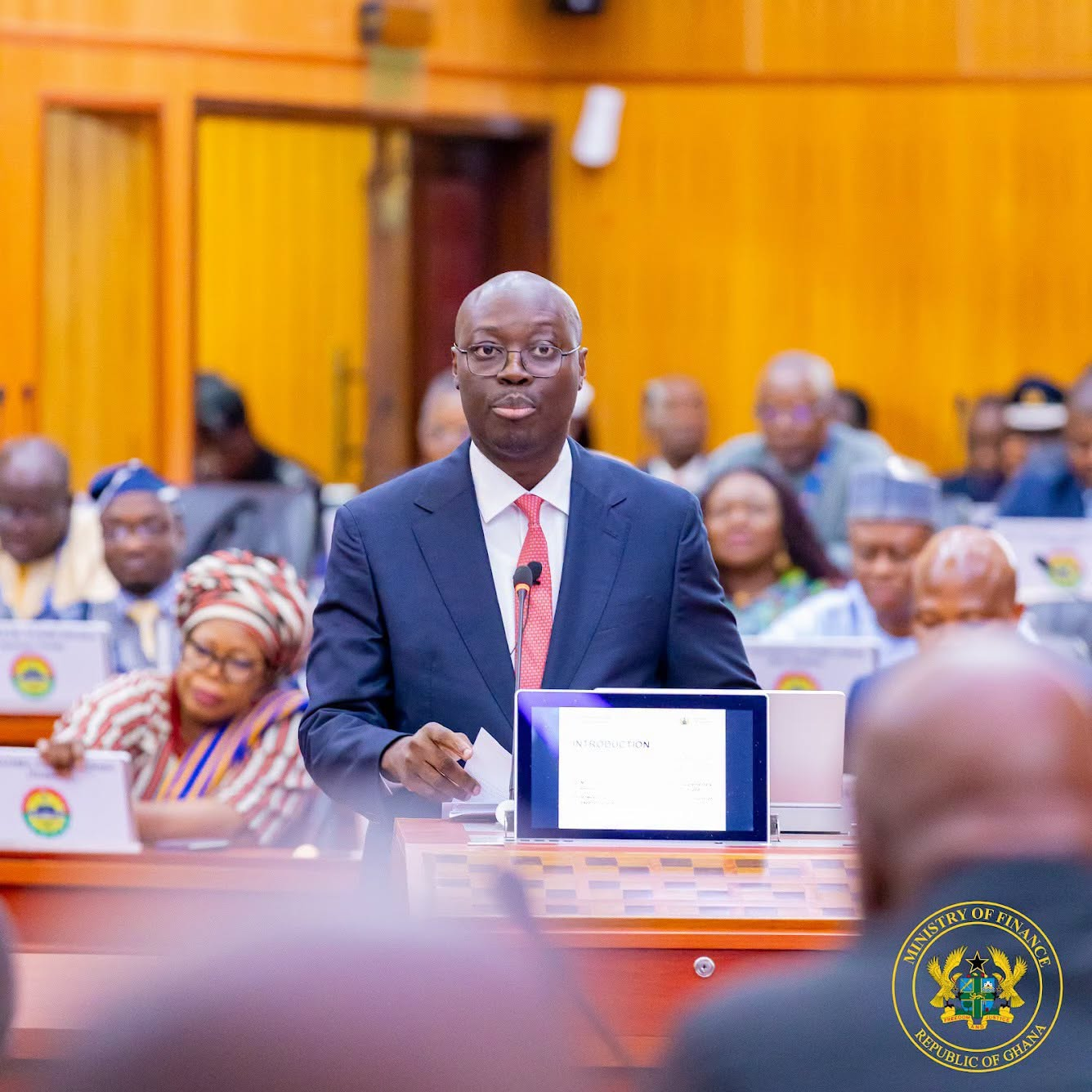
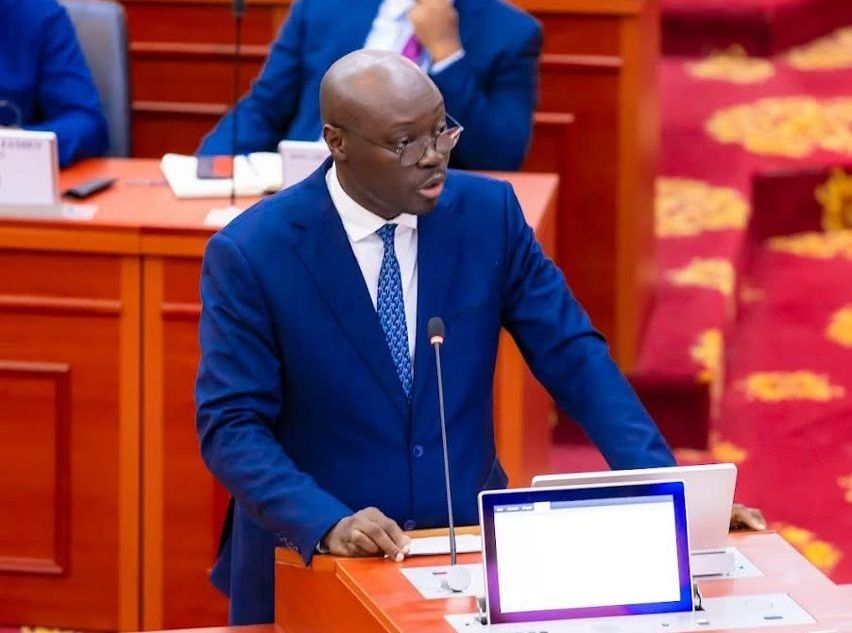
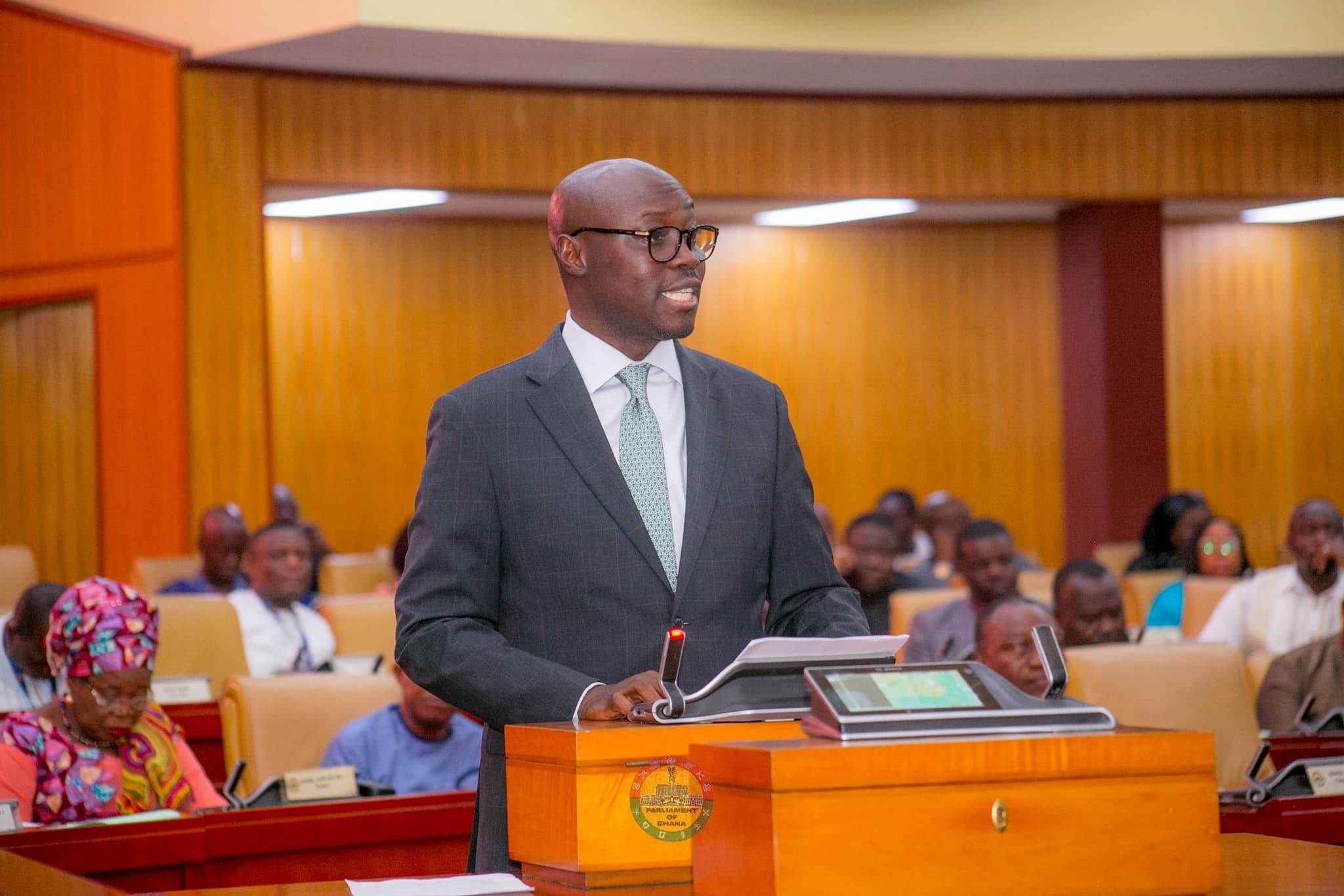
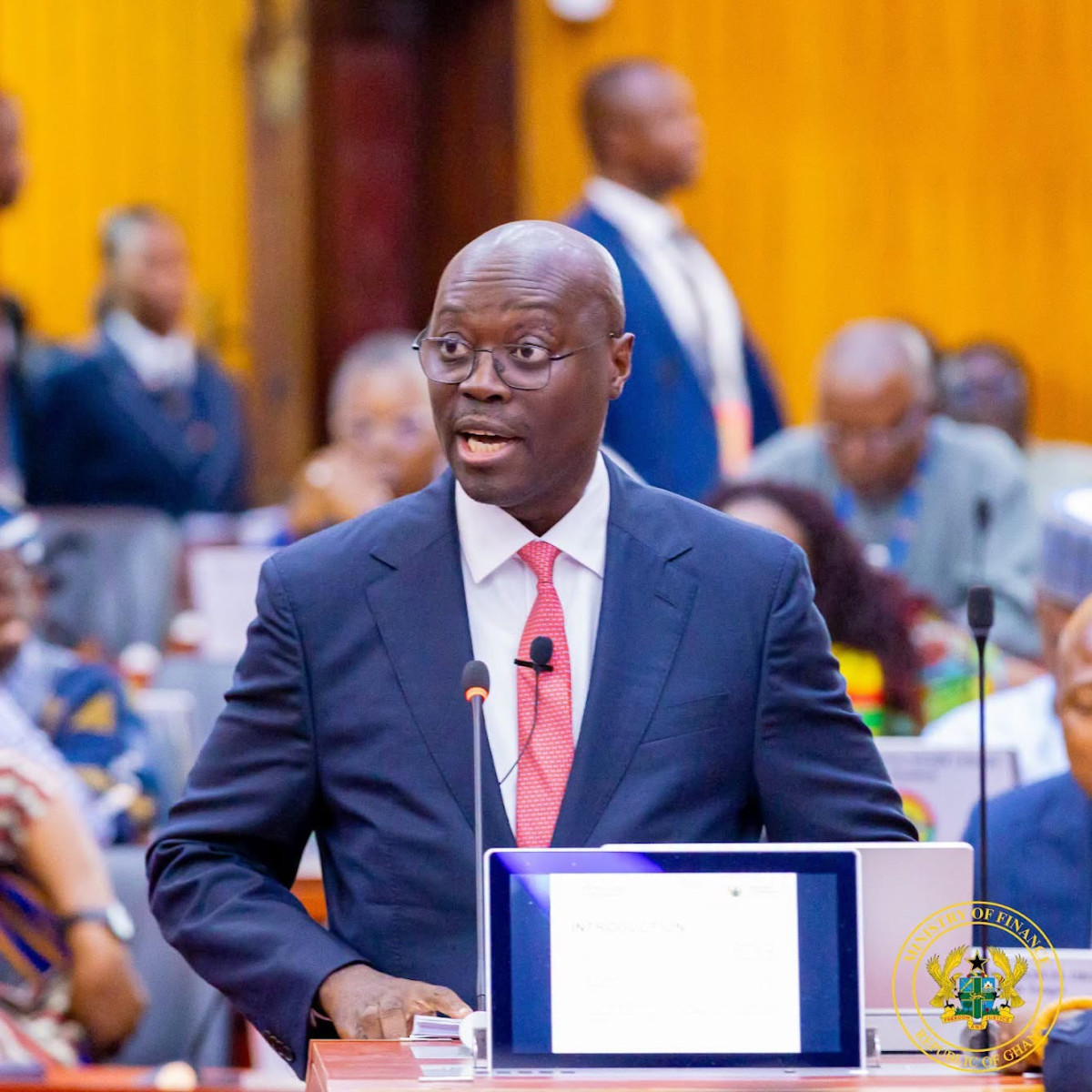
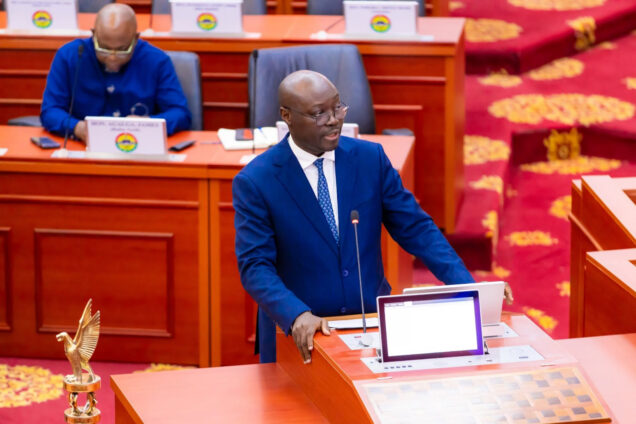
The Minister for Finance, Dr Cassiel Ato Forson, announced the measure during the presentation of the 2027 Budget in Parliament on Thursday, November 12.
He said the government would amend the Earmarked Funds Capping and Realignment Act, 2017 (Act 947), to remove the limit on revenue allocated to youth employment programmes.
“Government will amend the Earmarked Funds Capping and Realignment Act, 2017 (Act 947), to remove the cap on funding earmarked for youth employment programmes,” he told Parliament. “This reform will free up additional GH¢1 billion for youth employment and apprenticeship programmes.”
Uncapping the Communications Service Tax
The amendment will allow revenue from the Communications Service Tax (CST) accruing to youth employment and apprenticeship programmes to be allocated without the existing cap.
Going forward, Communications Service Tax revenue accruing to youth employment and apprenticeship programmes will no longer be capped,” Dr Forson said.
He explained that the change would provide additional resources to equip young people with relevant skills and improve their access to employment opportunities.
This reform will provide more funding to empower young Ghanaians with skills and connect them to employment opportunities,” he added.
The mechanics matter. Act 947 was introduced in 2017 to cap earmarked funds — statutory allocations to specific programmes — as part of an effort to protect the consolidated fund and give the Finance Ministry greater control over spending. Removing the cap for youth employment reverses part of that logic for one specific area, reflecting a political judgment that youth joblessness now outweighs the fiscal risk of uncapped allocations.
Modernising the Youth Employment Act
The Finance Minister also announced plans to amend and modernise the Youth Employment Act to harmonise the various youth employment programmes.

The consolidation addresses a long-standing criticism: Ghana operates multiple overlapping youth employment schemes — including the Youth Employment Agency, the National Youth Authority and various skills programmes — with fragmented mandates, duplicated administration and inconsistent outcomes.
GH¢30 Billion for the New Economy in 2027
Government is committing GH¢30 billion to its proposed New Economy Programme in 2027, as part of efforts to transform Ghana’s economic structure, expand businesses and create jobs.

Presenting the 2027 Budget Statement in Parliament, Dr Forson said the allocation represents 1.5 per cent of Gross Domestic Product (GDP) and will provide the foundation for the country’s economic transformation agenda.
Mr Speaker, in 2027, we will invest 1.5 per cent of GDP, equivalent to 30 billion Ghana cedis in the New Economy,” he told Parliament.
He said the investment will support productive infrastructure, industries and other strategic sectors to expand businesses, increase exports and create employment opportunities.
According to Dr Forson, the programme is intended to ensure that economic growth translates into tangible benefits for Ghanaians.
A young Ghanaian will see economic growth reflected in jobs, wages and opportunities. We judge growth by the jobs it creates, the income it raises, and the productive capacity it leaves behind,” he said.
Accountability Commitments
The Finance Minister added that every project under the programme will undergo rigorous appraisal and value-for-money assessments to ensure accountability.
Our commitment will be budgeted, authorised and transparently reported,” he assured Parliament.
The GH¢30 billion allocation will form part of government’s broader four-year New Economy Programme, which runs from 2027 to 2030 and carries a total commitment of US$10 billion equivalent.
The Arithmetic to Watch
The two announcements interact in ways that will determine whether the youth employment measures deliver.
The GH¢30 billion New Economy allocation in 2027 is roughly double the capital expenditure projected in the original 2027 framework, and financing it alongside a reduced primary surplus target, the uncapped CST allocation and the government’s reserve accumulation programme will test the domestic bond market. The question posed by economists ahead of the Budget — how the additional fiscal space is financed without crowding out private credit — applies directly here.

The GH¢1 billion freed from the CST cap is comparatively modest but more immediately deliverable, since it requires only legislative amendment rather than new borrowing.
Quick Facts
Finance Minister Dr Cassiel Ato Forson told Parliament on November 12, 2026 that government will amend the Earmarked Funds Capping and Realignment Act, 2017 (Act 947) to remove the cap on funding for youth employment programmes, freeing up an additional GH¢1 billion and allowing Communications Service Tax revenue for youth employment and apprenticeship programmes to flow without the existing limit.
He also announced plans to amend and modernise the Youth Employment Act to harmonise the various youth employment programmes. Separately, government is committing GH¢30 billion — 1.5 per cent of GDP — to the New Economy Programme in 2027, part of the broader four-year, US$10 billion programme running from 2027 to 2030, supporting productive infrastructure, industries and strategic sectors to expand businesses, increase exports and create jobs.
Dr Forson said every project will undergo rigorous appraisal and value-for-money assessments, with commitments budgeted, authorised and transparently reported, and framed the test of growth as “the jobs it creates, the income it raises, and the productive capacity it leaves behind.”
Source: Accra Street Journal
Last Updated on November 12, 2026 by Samuel Kwame Boadu
Disclaimer: Some content on Accra Street Journal may be aggregated, summarized, or edited from third-party sources for informational purposes. Images and media are used under fair use or royalty-free licenses. Accra Street Journal is a subsidiary of SamBoad Publishing Hub under SamBoad Business Group Ltd, registered in Ghana since 2014.
For concerns or inquiries, please visit our Privacy Policy or Contact Page.

Samuel Kwame Boadu is a Ghanaian media entrepreneur and storyteller with a passion for amplifying urban voices and uncovering everyday truths. He is the Editor-in-Chief and Founder of Accra Street Journal, a dynamic digital platform dedicated to capturing the pulse of Ghana’s capital—its people, culture, challenges, business, sports and innovations.
Use the following reference when citing or referencing this article.
Your feedback helps us improve our journalism.
Report an Error
Help us maintain accuracy. Let our editorial team know if you spot an issue in this article.
Report a problem with this article