

4 min read
Ghana’s Treasury is committing GH¢17.6 billion to the local governance sector in its 2027 Budget, anchored by a GH¢10.8 billion allocation to the District Assemblies Common Fund — a 23 per cent jump from 2026 — as Accra moves to push capital spending directly into the country’s 261 local districts.
Ghana’s Treasury is committing GH¢17.6 billion to the local governance sector in its 2027 budget, anchored by a GH¢10.8 billion allocation to the District Assemblies Common Fund (DACF) — a 23% jump from the GH¢8.77 billion approved for 2026 — as Accra moves to push capital spending directly into the country’s 261 local districts.
Key Takeaways
- The allocation combines statutory revenue transfers mandated under Article 252 of Ghana's 1992 Constitution with central ministry operations and flagship urban market redevelopments.
- For decades, Ghana's local assemblies operated under severe cash constraints as central governments frequently capped statutory transfers or delayed quarterly releases — leaving thousands of district-level projects stalled and contractors unpaid.
- Ahead of the 2027 budget presentation, officials highlighted that quarterly Common Fund releases in 2025 and 2026 significantly outpaced the depressed disbursements of 2024, enabling district chief executives to resume local clinic and school construction.
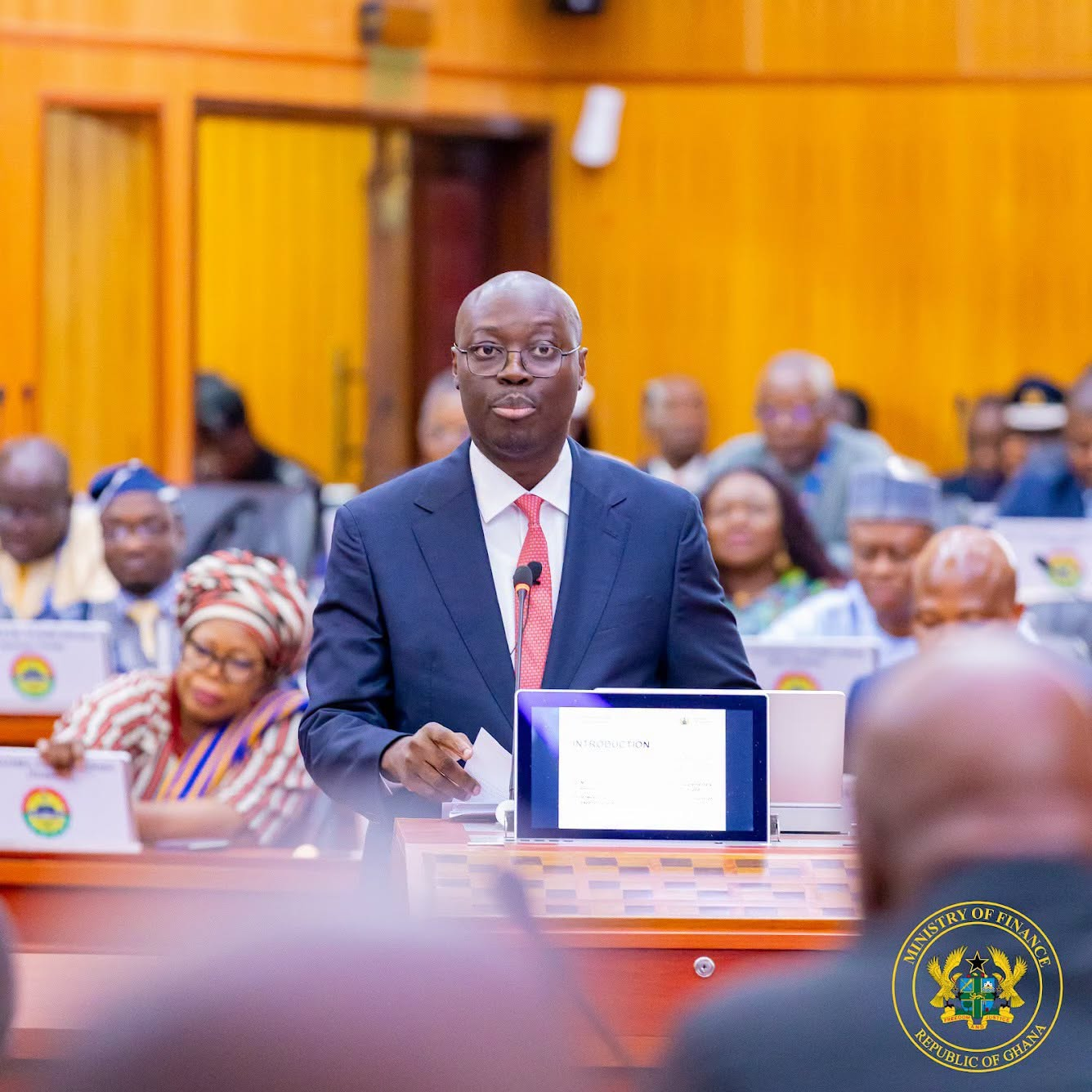
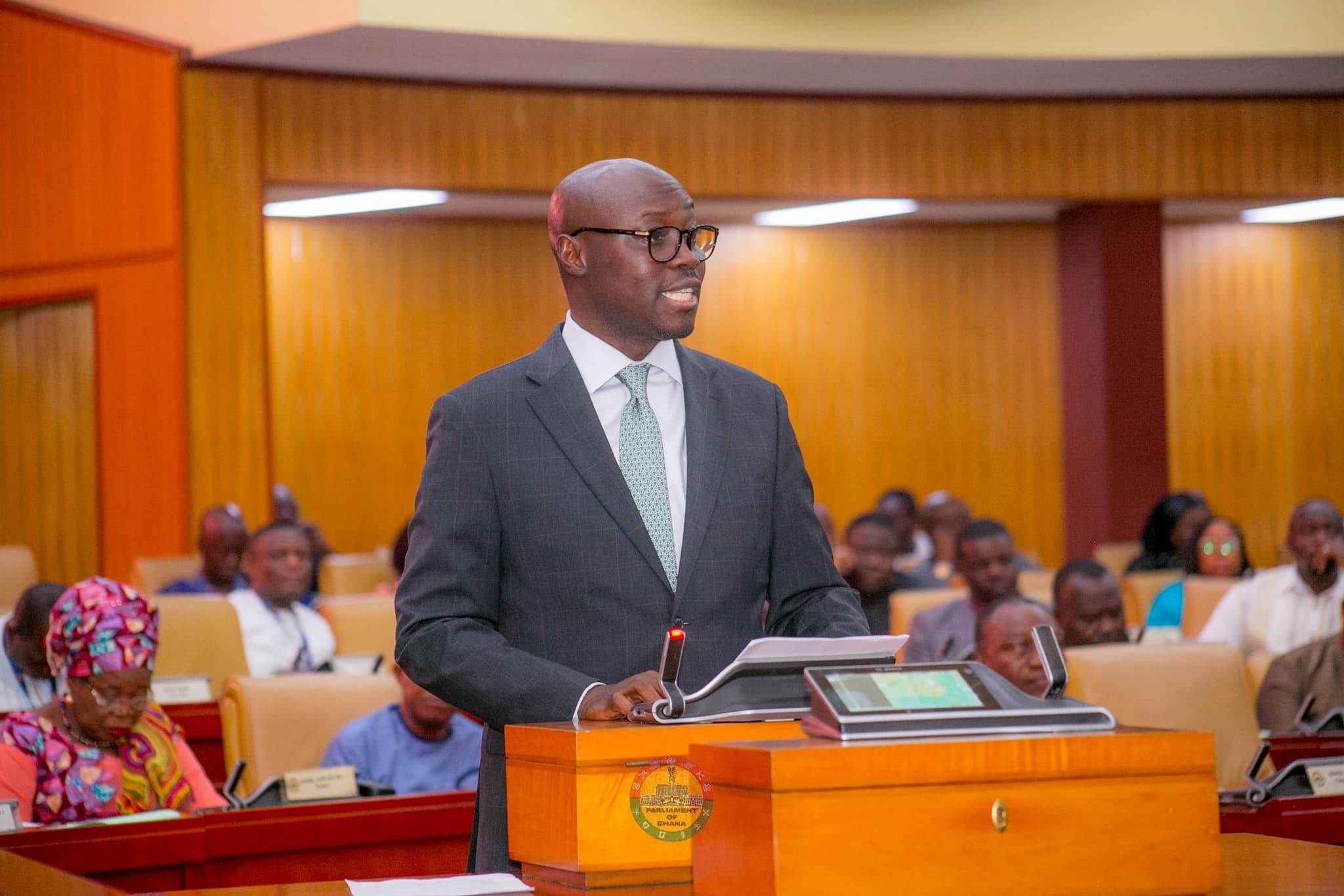
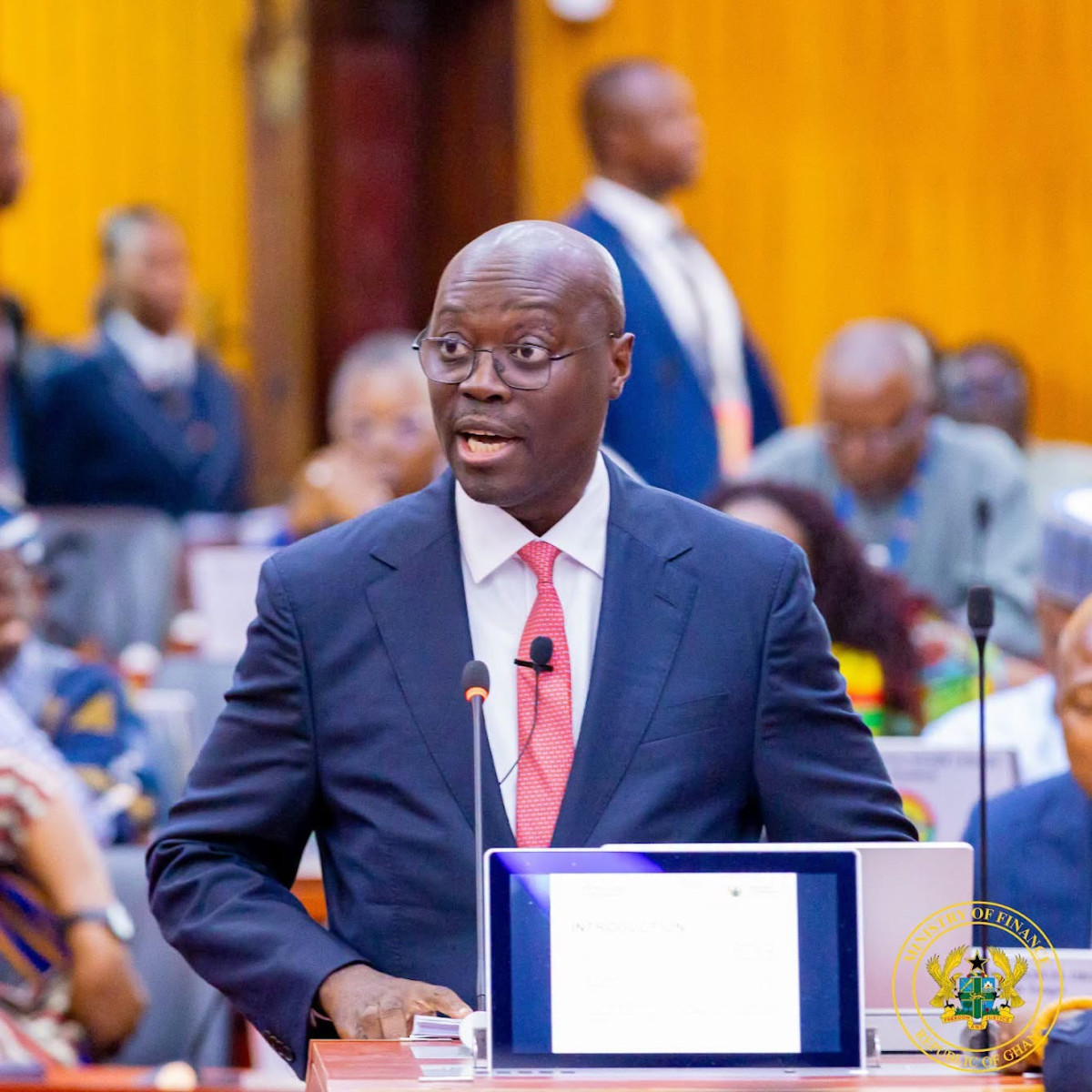
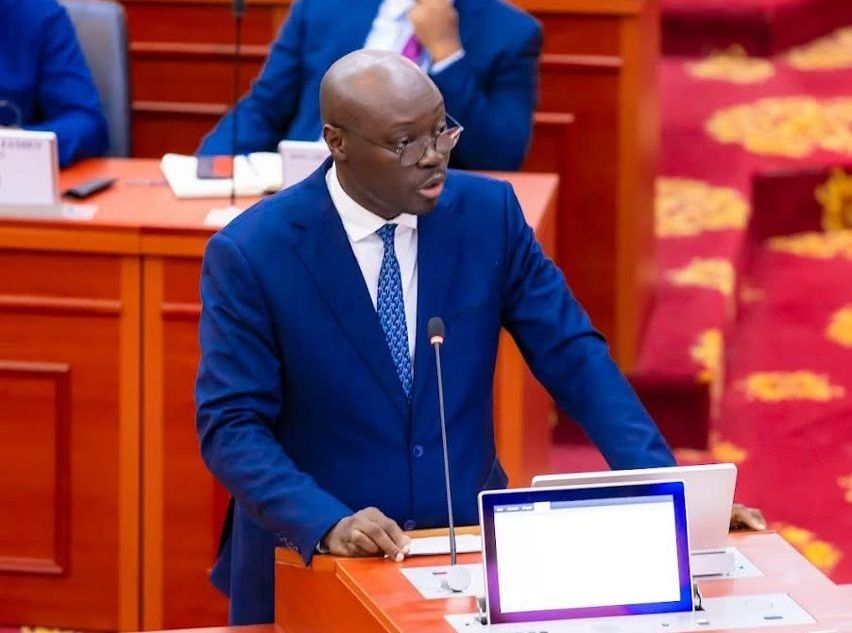
Unveiled to Parliament Thursday evening by Finance Minister Dr Cassiel Ato Forson within a GH¢389.2 billion overall expenditure plan, the local governance envelope marks one of the largest non-social-sector commitments in the 2027 fiscal blueprint.
By routing more than 60% of the sector’s budget through the Common Fund, the administration aims to shift grassroots infrastructure delivery — from market complexes to basic clinics — away from centralised Accra ministries and into Metropolitan, Municipal and District Assemblies (MMDAs).
Inside the GH¢17.6 Billion Local Governance Envelope
The allocation combines statutory revenue transfers mandated under Article 252 of Ghana’s 1992 Constitution with central ministry operations and flagship urban market redevelopments.
District Assemblies Common Fund — GH¢10.8 billion. Representing at least 5% of total projected national revenue, this statutory pool finances decentralised grassroots development.
Under a policy directive requiring at least 80% of DACF resources to be transferred directly to district administrations rather than held back by central agencies, assemblies use these funds to build Community-based Health Planning and Services (CHPS) compounds, basic school classroom blocks, boreholes and local feeder roads.
Flagship commercial markets — GH¢1.37 billion combined. Alongside routine district grants, Dr Ato Forson earmarked GH¢685 million to construct a new Greater Accra Regional Market at Agbogbloshie and another GH¢685 million for Kejetia Market Phase 2 in Kumasi, targeting informal trade formalisation and 24-hour commercial activity.
Ministry operations, sanitation and rural decentralisation. The remaining roughly GH¢5.4 billion covers payroll for local government staff, municipal sanitation and waste-management contracts, urban street lighting and administrative support for regional coordinating councils.
Deepening Fiscal Decentralisation
For decades, Ghana’s local assemblies operated under severe cash constraints as central governments frequently capped statutory transfers or delayed quarterly releases — leaving thousands of district-level projects stalled and contractors unpaid.
Restoring uncapped statutory flows and guaranteeing direct transfers to MMDAs has been a central pillar of the Mahama administration’s local economic strategy.

Ahead of the 2027 budget presentation, officials highlighted that quarterly Common Fund releases in 2025 and 2026 significantly outpaced the depressed disbursements of 2024, enabling district chief executives to resume local clinic and school construction.
The historical pattern is the key context. The Earmarked Funds Capping and Realignment Act, 2017 (Act 947) capped statutory funds including the DACF as a fiscal consolidation measure, and successive governments deferred releases during revenue shortfalls. The 2027 framework reverses that trajectory — not only for the Common Fund, but also for GETFund and youth employment allocations, which were uncapped in the same budget.

The Execution Test
For municipal bondwatchers, civil society auditors and local contractors, the primary test of the GH¢17.6 billion vote lies in quarterly cash discipline and local procurement oversight.
While pushing GH¢10.8 billion toward districts provides substantial firepower for grassroots job creation, public-finance analysts note that weak internal auditing at the municipal level — and historical arrears exceeding GH¢7 billion across legacy DACF contracts — will require strict Treasury monitoring to ensure funds translate into completed markets, clean streets and functioning clinics.
That arrears figure is the central risk. Contractors who are owed money on legacy projects may be reluctant to take on new district work without assurance of payment, and assemblies with weak procurement capacity can convert increased allocations into stalled or substandard projects rather than completed infrastructure. More money at the district level without stronger audit capacity can amplify waste rather than reduce it.
Quick Facts
Ghana’s 2027 Budget commits GH¢17.6 billion to the local governance sector within a GH¢389.2 billion total expenditure plan, anchored by GH¢10.8 billion for the District Assemblies Common Fund — up 23% from GH¢8.77 billion in 2026 — representing at least 5% of projected national revenue under Article 252 of the 1992 Constitution.
More than 60% of the sector budget flows through the Common Fund, with a directive requiring at least 80% of DACF resources transferred directly to districts for CHPS compounds, classroom blocks, boreholes and feeder roads.
The envelope also includes GH¢685 million for a Greater Accra Regional Market at Agbogbloshie and GH¢685 million for Kejetia Market Phase 2 in Kumasi, plus roughly GH¢5.4 billion for local government payroll, sanitation, waste management and street lighting.
Officials note 2025 and 2026 quarterly releases outpaced 2024, but analysts warn that weak municipal auditing and legacy DACF arrears exceeding GH¢7 billion require strict Treasury monitoring.
Source: Accra Street Journal
Last Updated on November 12, 2026 by Samuel Kwame Boadu
Ghana Market Watch
Track Ghana’s economy and financial markets with exchange rates, bank rates, fuel prices, food and commodity prices, economic indicators and financial market updates.

Disclaimer: Some content on Accra Street Journal may be aggregated, summarized, or edited from third-party sources for informational purposes. Images and media are used under fair use or royalty-free licenses. Accra Street Journal is a subsidiary of SamBoad Publishing Hub under SamBoad Business Group Ltd, registered in Ghana since 2014.
For concerns or inquiries, please visit our Privacy Policy or Contact Page.

Samuel Kwame Boadu is a Ghanaian media entrepreneur and storyteller with a passion for amplifying urban voices and uncovering everyday truths. He is the Editor-in-Chief and Founder of Accra Street Journal, a dynamic digital platform dedicated to capturing the pulse of Ghana’s capital—its people, culture, challenges, business, sports and innovations.
Use the following reference when citing or referencing this article.
Your feedback helps us improve our journalism.
Report an Error
Help us maintain accuracy. Let our editorial team know if you spot an issue in this article.
Report a problem with this article