


Accra has always lived with the climate. From the Harmattan winds that dry the city each year to the long rains that test its drains and roads, weather has shaped how the capital grows. But climate change is shifting these familiar patterns into something more unpredictable—and more costly. By the 2030s, climate risk will no longer be a distant environmental concern for Accra; it will be a defining factor in housing, health, infrastructure, and economic opportunity.
The city’s vulnerability is not accidental. Accra sits on a low-lying coastal plain, with rapid urbanisation, fragile drainage systems, and informal settlements built along waterways. Climate change does not create these weaknesses—it exposes and intensifies them. Understanding how this will affect Accra is critical for policymakers, businesses, and households alike.

1. Flooding Will Become More Frequent and More Destructive
Flooding is already one of Accra’s most visible climate challenges. Seasonal rains routinely overwhelm drains, submerge roads, and damage homes. Climate change is expected to bring heavier rainfall events concentrated into shorter periods, increasing the risk of flash floods.
📢 GET A DETAILED ARTICLES + JOBS
Join ASJ's WhatsApp Channel and never miss a post or opportunity.

For Accra, this means:
- More frequent urban flooding, even outside traditional flood zones.
- Higher damage costs for homes, shops, and public infrastructure.
- Rising insurance and rebuilding expenses, pushing costs onto households and businesses.
Low-income communities located near lagoons, gutters, and wetlands will be hit hardest. But middle-income neighbourhoods are not immune. Flooding is increasingly disrupting commercial areas, schools, and transport corridors, turning a seasonal inconvenience into a structural economic risk.

2. Coastal Erosion and Sea-Level Rise Will Threaten Key Areas
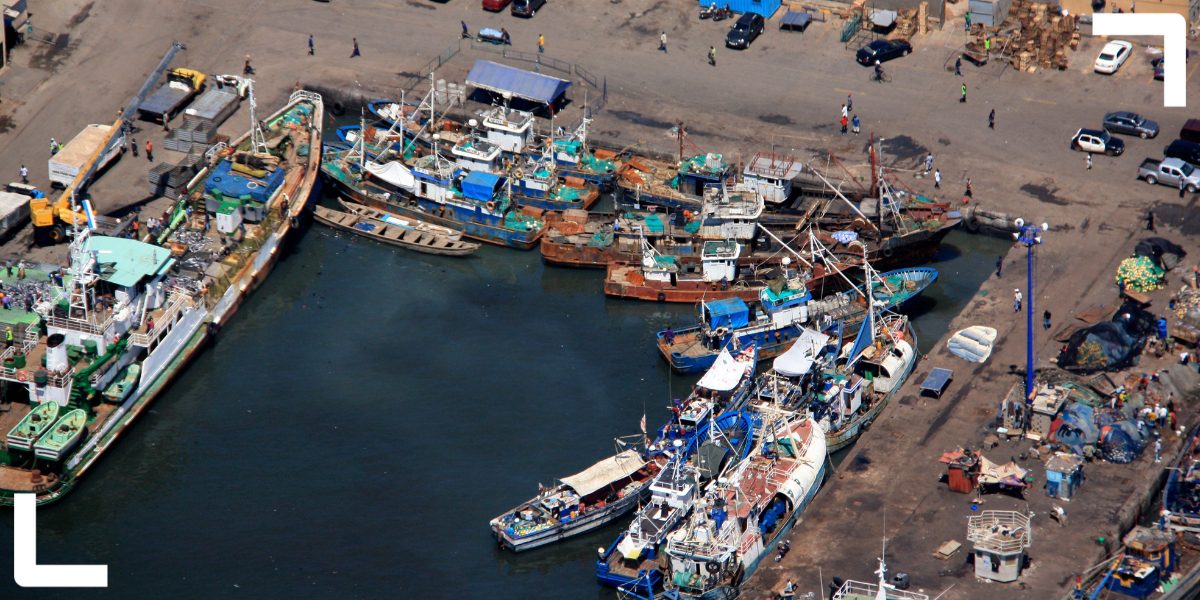
Accra’s coastline—from Jamestown through Labadi to Sakumono—is under growing pressure. Rising sea levels and stronger wave action are accelerating coastal erosion, threatening homes, roads, and tourism infrastructure.
Over time, this will:
- Reduce available land for development along the coast.
- Increase public spending on sea defence projects.
- Displace coastal communities and cultural heritage sites.
The economic impact will be significant. Coastal Accra is not just residential—it hosts hotels, restaurants, fishing communities, and recreational spaces. As erosion worsens, the city will face difficult choices between protection, relocation, and land-use restrictions.
3. Extreme Heat Will Redefine Urban Living
Accra is getting hotter. Rising average temperatures and longer heatwaves are already being felt, particularly in dense neighbourhoods with little tree cover. Climate change is expected to intensify this heat, making parts of the city increasingly uncomfortable—and sometimes unsafe.
The effects will include:
- Higher electricity demand as households rely more on fans and air conditioning.
- Increased health risks, especially for the elderly, children, and outdoor workers.
- Lower productivity, as heat stress affects workers and students.
Urban heat will also widen inequality. Wealthier households can afford cooling and backup power. Poorer communities, often living in overcrowded housing with poor ventilation, will bear the brunt of rising temperatures.
4. Housing Will Become More Expensive and Risk-Driven
Climate change will reshape Accra’s housing market in subtle but powerful ways. Areas prone to flooding or erosion will become less desirable, while safer, elevated neighbourhoods will command higher prices.
This shift will:
- Push demand—and rent—towards climate-resilient zones.
- Increase construction costs as developers adapt to new climate risks.
- Deepen housing inequality as safer areas become unaffordable for many residents.
Informal settlements face the greatest danger. Without strong enforcement of planning regulations or affordable alternatives, climate risks could force thousands into repeated cycles of loss and rebuilding.

5. Public Health Pressures Will Intensify
Climate change will also affect Accra’s health systems. Flooding increases the risk of waterborne diseases, while rising heat worsens respiratory and cardiovascular conditions. Poor sanitation in flood-prone areas compounds these risks.
Hospitals and clinics will face:
- Increased patient loads during extreme weather events.
- Greater demand for preventive care and emergency response.
- Higher operational costs linked to power, water, and cooling needs.
Health impacts will not be evenly distributed. Communities already underserved by healthcare infrastructure will experience the worst outcomes, reinforcing existing social disparities.
6. The Economy Will Feel the Strain
Accra is Ghana’s economic engine. Climate disruptions—flooded roads, damaged markets, power outages—carry direct economic costs. Informal traders lose stock. Businesses face downtime. Transport delays ripple through supply chains.
Over time, climate change could:
- Reduce productivity across key sectors.
- Discourage investment in high-risk areas.
- Increase public spending on disaster response rather than development.
Yet adaptation also presents opportunity. Demand for climate-resilient construction, renewable energy, waste management, and urban planning expertise is likely to grow, positioning Accra as a hub for green innovation if the right policies are in place.
7. Governance and Urban Planning Will Be Tested
Climate change will test Accra’s governance capacity. Managing flood risks, enforcing zoning laws, and coordinating between local and national agencies will become more urgent—and more complex.
Success will depend on:
- Long-term urban planning rather than reactive fixes.
- Investment in drainage, waste management, and green spaces.
- Stronger data, enforcement, and community engagement.
Without coordinated action, climate impacts will continue to outpace policy responses, increasing costs for future generations.
8. Adaptation Is No Longer Optional
For Accra, climate adaptation is no longer a choice—it is a necessity. The city’s future livability depends on decisions made today about land use, infrastructure, housing, and environmental protection.
Smart adaptation can reduce losses, protect livelihoods, and improve quality of life. Delayed action will only make the consequences more expensive and more disruptive.
Climate change will not arrive in Accra as a single dramatic event. It will unfold through hotter days, heavier rains, eroding coastlines, and rising living costs. The cumulative effect will shape how people live, work, and invest in the city.
Accra’s challenge is not simply to survive climate change, but to adapt in a way that protects its people while sustaining economic growth. The choices made in this decade will determine whether the city becomes more resilient—or more divided—in the years ahead.
How vulnerable is Accra to climate change?
Accra is highly vulnerable due to its coastal location, low elevation, rapid urbanisation, and limited drainage infrastructure.
Will flooding get worse in Accra?
Yes. Climate change is expected to increase the intensity of rainfall, leading to more frequent and severe urban flooding.
How will climate change affect housing in Accra?
Housing costs are likely to rise in safer areas, while flood- and erosion-prone zones become less desirable or uninhabitable.
What health risks does climate change pose?
Rising heat, flooding, and poor sanitation increase risks of heat stress, respiratory illness, and waterborne diseases.
Can Accra adapt successfully to climate change?
Yes, but it will require long-term planning, investment in infrastructure, enforcement of regulations, and inclusive urban policies.
Source: Accra Street Journal
Last Updated on January 28, 2026 by Samuel Kwame Boadu
Disclaimer: Some content on Accra Street Journal may be aggregated, summarized, or edited from third-party sources for informational purposes. Images and media are used under fair use or royalty-free licenses. Accra Street Journal is a subsidiary of SamBoad Publishing Hub under SamBoad Business Group Ltd, registered in Ghana since 2014.
For concerns or inquiries, please visit our Privacy Policy or Contact Page.

Samuel Kwame Boadu is a Ghanaian media entrepreneur and storyteller with a passion for amplifying urban voices and uncovering everyday truths. He is the Editor-in-Chief and Founder of Accra Street Journal, a dynamic digital platform dedicated to capturing the pulse of Ghana’s capital—its people, culture, challenges, business, sports and innovations.