







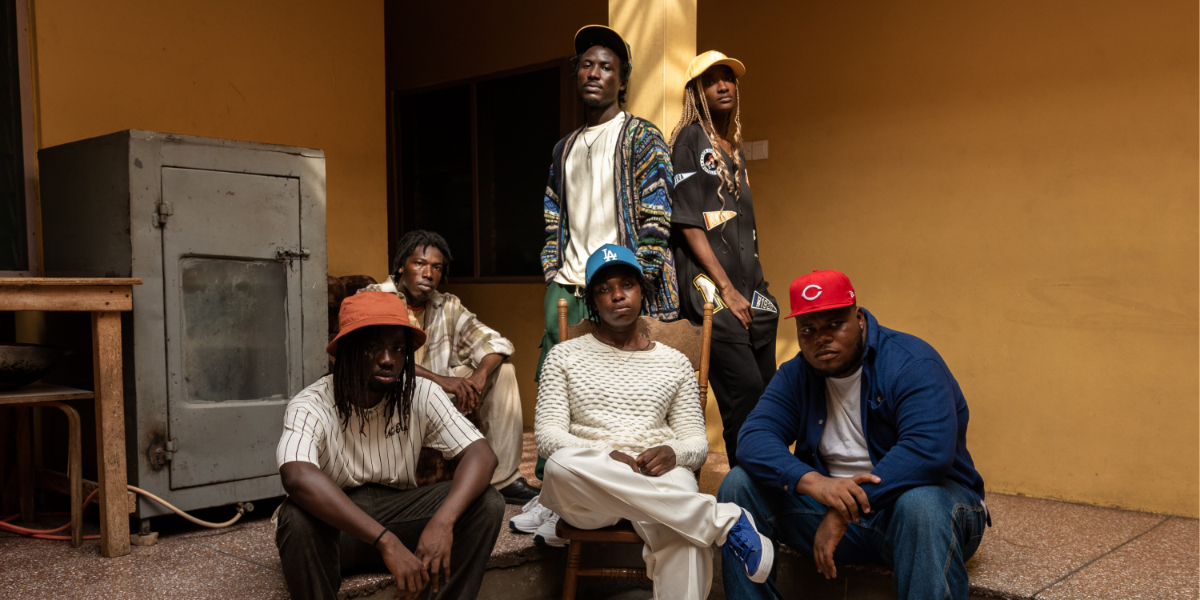

Accra’s future will not be shaped by policy documents alone. It will be shaped by the aspirations, frustrations, and expectations of its young population. In a city where more than half of residents are under the age of 35, the priorities of young people are no longer a side conversation—they are the main story.

Accra’s youth are ambitious, connected, and acutely aware of global trends. They are also navigating rising living costs, limited formal employment, housing pressure, and infrastructure constraints. What they want for the future reflects both optimism and realism. They are not asking for perfection; they are asking for systems that work.
Understanding what Accra’s young generation wants is essential to understanding where the city is headed.
📢 GET A DETAILED ARTICLES + JOBS
Join ASJ's WhatsApp Channel and never miss a post or opportunity.
Decent Jobs and Economic Opportunity
At the top of the list is employment—not just any job, but meaningful and sustainable work. Young people in Accra want opportunities that match their education, skills, and effort.
While many are employed in the informal economy or gig work, there is a strong desire for stability, growth, and fair compensation. The future they envision includes:
-
Jobs that pay living wages
-
Clear career progression pathways
-
Recognition of digital and creative skills
-
Access to capital for entrepreneurship
Young people are increasingly open to non-traditional careers, but they want dignity and security in whatever work they do. They want an economy that rewards innovation and effort rather than connections alone.
Affordable Housing and a Path to Independence
Housing is one of the most urgent concerns for Accra’s youth. Many young adults delay moving out of family homes, marriage, or starting families due to high rent and advance payment demands.
The future they want includes:
-
Fair and transparent rent practices
-
Smaller, efficient housing units
-
Access to long-term home ownership options
For young people, housing is not only about shelter. It is about independence, dignity, and stability. Without housing reform, other aspirations become harder to achieve.
Reliable Transport and Shorter Commutes
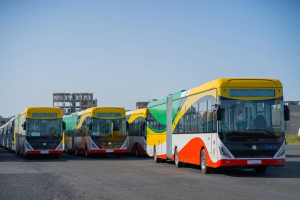
Time is a valuable currency for Accra’s youth, and too much of it is lost in traffic. Long commutes reduce productivity, limit leisure, and increase stress.
Young people want a city where:
-
Public transport is reliable and affordable
-
Commute times are predictable
-
Walking and cycling are safer
-
Transport does not consume a large share of income
Mobility is not just a transport issue; it shapes where young people can live, work, and socialise.
Digital Access and a Modern Economy
Accra’s youth are digitally native. They expect the future to be powered by technology, not hindered by outdated systems.
Their priorities include:
-
Affordable high-speed internet
-
Digital government services
-
Support for tech startups and freelancers
-
Recognition of remote and hybrid work
Young people want Accra to compete globally, not just regionally. They see digital access as a right, not a privilege.
Education That Matches the Real World
While education remains highly valued, there is growing frustration with the gap between schooling and employment. Accra’s youth want education that prepares them for real economic participation.
They want:
-
Practical, skills-based learning
-
Stronger links between education and industry
-
Support for vocational and technical training
-
Lifelong learning opportunities
The future they imagine is one where education is flexible, relevant, and responsive to changing economic realities.
A City That Supports Entrepreneurship
Entrepreneurship is not just a passion project for Accra’s youth—it is often a necessity. Many see business creation as the most realistic path to independence and wealth creation.
What they want is not handouts, but support systems:
-
Access to affordable credit
-
Simplified business registration
-
Mentorship and incubation spaces
-
Protection from unfair regulation
A future-focused Accra is one where young entrepreneurs can fail, learn, and try again without being permanently locked out.
Fairness, Inclusion, and Social Mobility
Accra’s youth are deeply concerned about fairness. They want systems that reward effort, talent, and integrity rather than privilege or proximity to power.
Their vision includes:
-
Equal opportunity regardless of background
-
Transparent recruitment and promotion
-
Reduced corruption
-
Stronger accountability in public institutions
Social mobility matters. Young people want to believe that where they start does not permanently determine where they end.
Quality of Life and Mental Well-being
Beyond survival, Accra’s young generation wants a better quality of life. This includes time for rest, recreation, and community.
They want:
-
Green spaces and public parks
-
Affordable leisure and cultural activities
-
Safer neighbourhoods
-
Support for mental health and well-being
The future they imagine is not just about earning more, but living better.
Environmental Responsibility and Sustainability
Young people are increasingly aware of environmental risks—from flooding to waste management. They want a city that takes sustainability seriously.
Their priorities include:
-
Better drainage and flood control
-
Improved waste management
-
Cleaner air and water
-
Climate-resilient urban planning
Environmental responsibility is seen not as a luxury, but as essential to long-term survival.
A Voice in Decision-Making
Perhaps most importantly, Accra’s youth want to be heard. They want meaningful participation in shaping policies and decisions that affect their lives.
They want:
-
Youth inclusion in governance
-
Platforms for civic engagement
-
Transparency in decision-making
-
Respect for diverse opinions
The future they want is one they help design.
Conclusion From ASJ
Accra’s young generation is not asking for an easy city. They are asking for a fair one. A city where effort is rewarded, systems are functional, and opportunity is not limited by background or connections.
Their vision of the future includes decent work, affordable housing, reliable transport, digital opportunity, and a livable environment. These aspirations are not unrealistic—they are foundational.
Whether Accra thrives in the coming decades will depend largely on how seriously the city takes the needs and voices of its youth. They are not the leaders of tomorrow. They are the drivers of today.
Frequently Asked Questions (FAQs)
What is the biggest concern for young people in Accra?
Employment and income stability remain the top concern.
Why is housing such a major issue for youth?
High rent and advance payments delay independence and family formation.
Do young people prefer entrepreneurship or formal jobs?
Many prefer flexibility, but still value stability and fair compensation.
How important is technology to Accra’s youth?
Extremely important. Digital access underpins work, education, and social life.
Do young people feel represented in decision-making?
Many feel underrepresented and want stronger inclusion in governance.
Source: Accra Street Journal
Last Updated on March 14, 2026 by Samuel Kwame Boadu
Disclaimer: Some content on Accra Street Journal may be aggregated, summarized, or edited from third-party sources for informational purposes. Images and media are used under fair use or royalty-free licenses. Accra Street Journal is a subsidiary of SamBoad Publishing Hub under SamBoad Business Group Ltd, registered in Ghana since 2014.
For concerns or inquiries, please visit our Privacy Policy or Contact Page.

Samuel Kwame Boadu is a Ghanaian media entrepreneur and storyteller with a passion for amplifying urban voices and uncovering everyday truths. He is the Editor-in-Chief and Founder of Accra Street Journal, a dynamic digital platform dedicated to capturing the pulse of Ghana’s capital—its people, culture, challenges, business, sports and innovations.