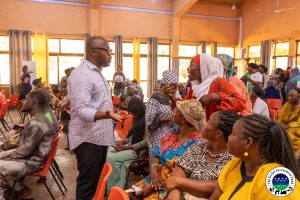
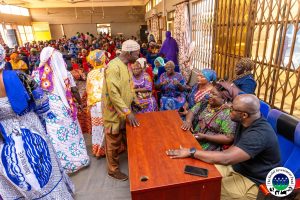

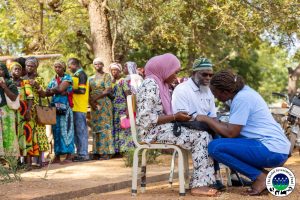
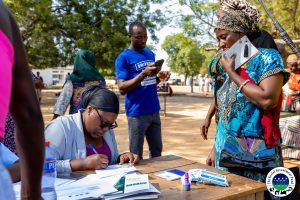


The GWYESCO programme is not a blank cheque for any business idea. It is a targeted intervention, and the eligibility criteria are shaped around specific sectors where the African Development Bank and the Social Investment Fund believe job creation and social cohesion can actually happen. If your business does not fit these categories, the funding is not for you.
Here is the breakdown of the sectors and industries the programme is designed to support.

The Priority Sectors
The programme’s official documents and launch statements point to a defined list of growth areas.
📢 GET A DETAILED ARTICLES + JOBS
Join ASJ's WhatsApp Channel and never miss a post or opportunity.

Agriculture and Agribusiness
This is the most heavily emphasised sector. The programme explicitly prioritises businesses operating along the agricultural value chain, including farming, aggregation, and related activities. Specific sub-sectors named include poultry, fisheries, livestock, and beekeeping . The focus is not just on production, but on the entire chain: processing, packaging, and connecting farmers to markets .
Agro-Processing
This sits alongside agriculture but is distinct. The programme aims to support businesses that add value to raw agricultural goods. The SIF CEO used tomato production as an example, stressing that farmers and processors need to understand the quality specifications buyers require to compete effectively.

Digital Services and STEM
The programme has a strong technology component. Training and support are directed toward digital skills, STEM (Science, Technology, Engineering, and Mathematics), coding, and even generative artificial intelligence . This is designed to prepare beneficiaries for the modern job market, not just traditional trades.
The Creative Industries
This is a recognised category. The programme includes support for creative businesses, which can range from fashion and design to content creation and digital media.
Technical and Vocational Trades
The programme funds the construction and equipping of TVET centres and provides training in trades such as construction, transport, green jobs, and hospitality . If your business operates in these areas and you need skilled workers, the programme’s training component is relevant to you.
The Type of Business That Qualifies
Beyond the sector, the programme has specific criteria for the business itself.
Ownership
The business must be owned by a woman or a youth. The programme defines youth as men aged 18 to 35, and it prioritises women aged 18 and above. Persons with disabilities are also explicitly included . The African Development Bank documentation specifies that the women and youth must be the ones who registered the business and are recognised as the owners .
Size
The target is Micro, Small, and Medium Enterprises (MSMEs). The programme is not designed for large corporations. It aims to support existing MSMEs to grow and formalise .
Formalisation Status
The programme explicitly includes support for the formalisation of informal businesses . This means you do not necessarily need to be fully registered before applying, but the programme will help you get there. However, the loan component will likely require some level of formal registration to access the financing.
What the Programme Actually Provides
If your business fits the criteria, the support is not just cash.
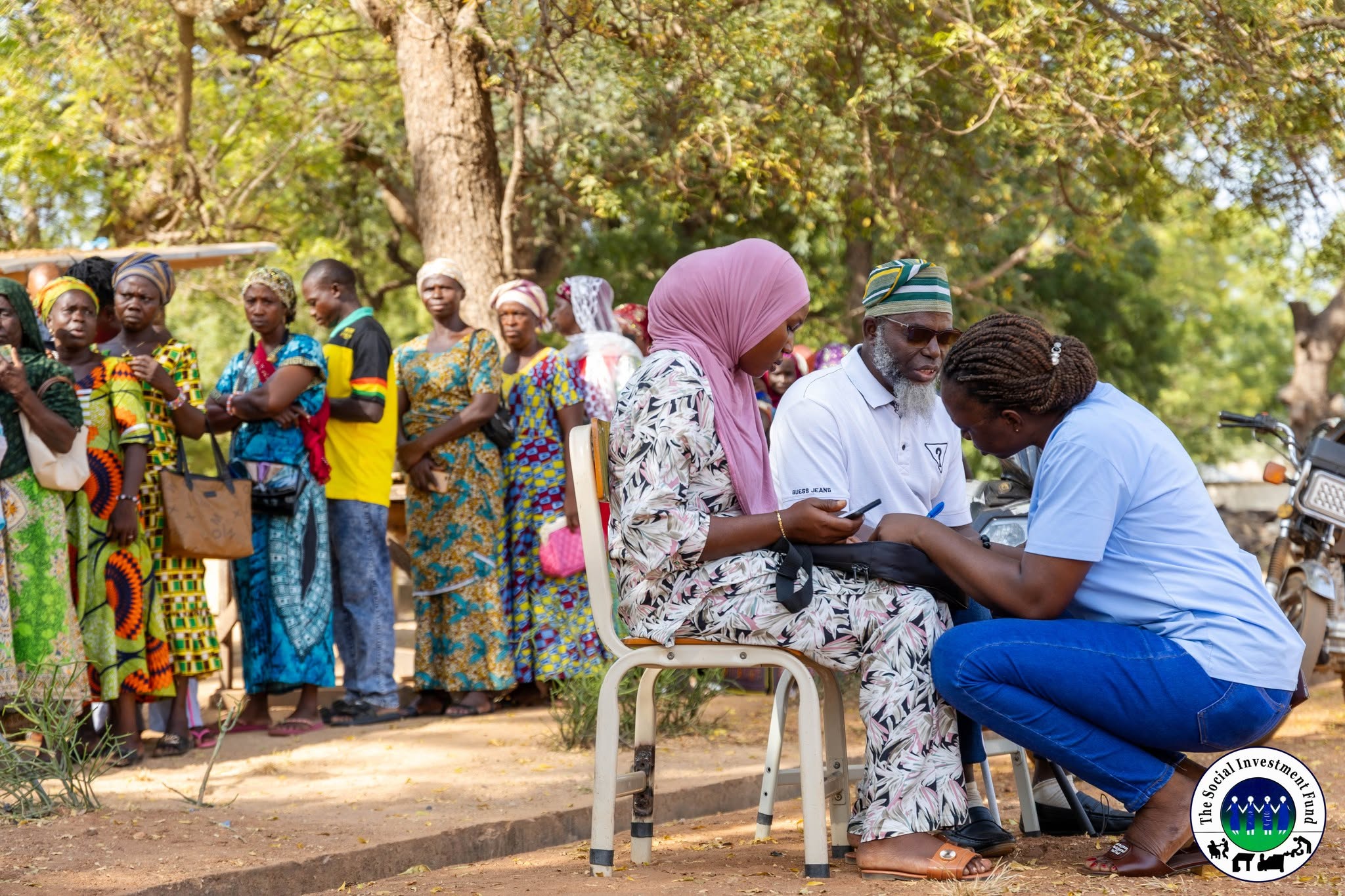
It includes entrepreneurship training, business development services, financial literacy, marketing support, and business-to-business linkages . The goal is to strengthen your capacity to repay the loan and grow the business, not just to disburse funds.

The financing itself is an 8% interest loan<span class=””> with a one-to-two-year repayment period and a three-month moratorium . It is not a grant.
The Geographic Focus
The programme is not national in its current phase. It targets seven regions: the five northern regions (Upper East, Upper West, Northern, Savannah, North-East), plus the Central and Eastern Regions . If your business is in Accra or the Volta Region, you are outside the current target area.
Quick Facts
| Category | Details |
|---|---|
| Priority Sectors | Agriculture (poultry, fisheries, livestock, beekeeping), agro-processing, digital/STEM, creative industries, TVET trades |
| Business Ownership | Women (18+), Youth (men 18–35), Persons with Disabilities |
| Business Size | Micro, Small, and Medium Enterprises (MSMEs) |
| Support Type | Training, business development, market linkages, and 8% interest loans |
| Target Regions | Upper East, Upper West, Northern, Savannah, North-East, Central, Eastern |
| Loan Terms | 8% interest, 1–2 year repayment, 3-month moratorium |
Frequently Asked Questions
1. What sectors does GWYESCO prioritise?
Agriculture (poultry, fisheries, livestock, beekeeping), agro-processing, digital services/STEM, creative industries, and technical/vocational trades like construction, transport, and hospitality .
2. Does my business need to be in agriculture to qualify?
No, but agriculture and agro-processing are the most heavily emphasised. Digital services, creative industries, and TVET trades are also eligible .
3. Can a male-owned business qualify for GWYESCO?
Yes, if the owner is a young man aged 18 to 35. The programme targets women aged 18+ and men aged 18–35, as well as persons with disabilities .
4. Does my business need to be registered to apply?
The programme includes support for the formalisation of informal businesses, so you may not need to be fully registered at the point of application. However, the loan component will likely require formal registration to access financing .
5. What if my business is in Accra?
The current phase targets seven specific regions: the five northern regions, Central, and Eastern. Accra is not currently included.
6. Is the GWYESCO funding a grant?
No. The SIF has stressed that it is a loan scheme, not a grant. The loans carry an 8% interest rate and must be repaid
7. What kind of training does GWYESCO provide?
Training includes entrepreneurship, financial literacy, marketing, business development, and technical skills in areas like digital technology, STEM, and vocational trades.
8. Can creative businesses apply?
Yes. The creative industries are explicitly named as one of the sectors the programme will support .
9. What is the maximum loan amount?
The search results do not specify a maximum loan amount per business. The programme has a US$15 million financing facility for women- and youth-owned businesses overall, disbursed through partner banks.

10. How do I apply if my business is eligible?
You register on the SIFMIS beneficiary portal, complete your profile with your Ghana Card and business details, select the GWYESCO programme, and submit your application for assessment by a partner bank
Source: Accra Street Journal
Last Updated on November 5, 2026 by Samuel Kwame Boadu
Disclaimer: Some content on Accra Street Journal may be aggregated, summarized, or edited from third-party sources for informational purposes. Images and media are used under fair use or royalty-free licenses. Accra Street Journal is a subsidiary of SamBoad Publishing Hub under SamBoad Business Group Ltd, registered in Ghana since 2014.
For concerns or inquiries, please visit our Privacy Policy or Contact Page.

Samuel Kwame Boadu is a Ghanaian media entrepreneur and storyteller with a passion for amplifying urban voices and uncovering everyday truths. He is the Editor-in-Chief and Founder of Accra Street Journal, a dynamic digital platform dedicated to capturing the pulse of Ghana’s capital—its people, culture, challenges, business, sports and innovations.