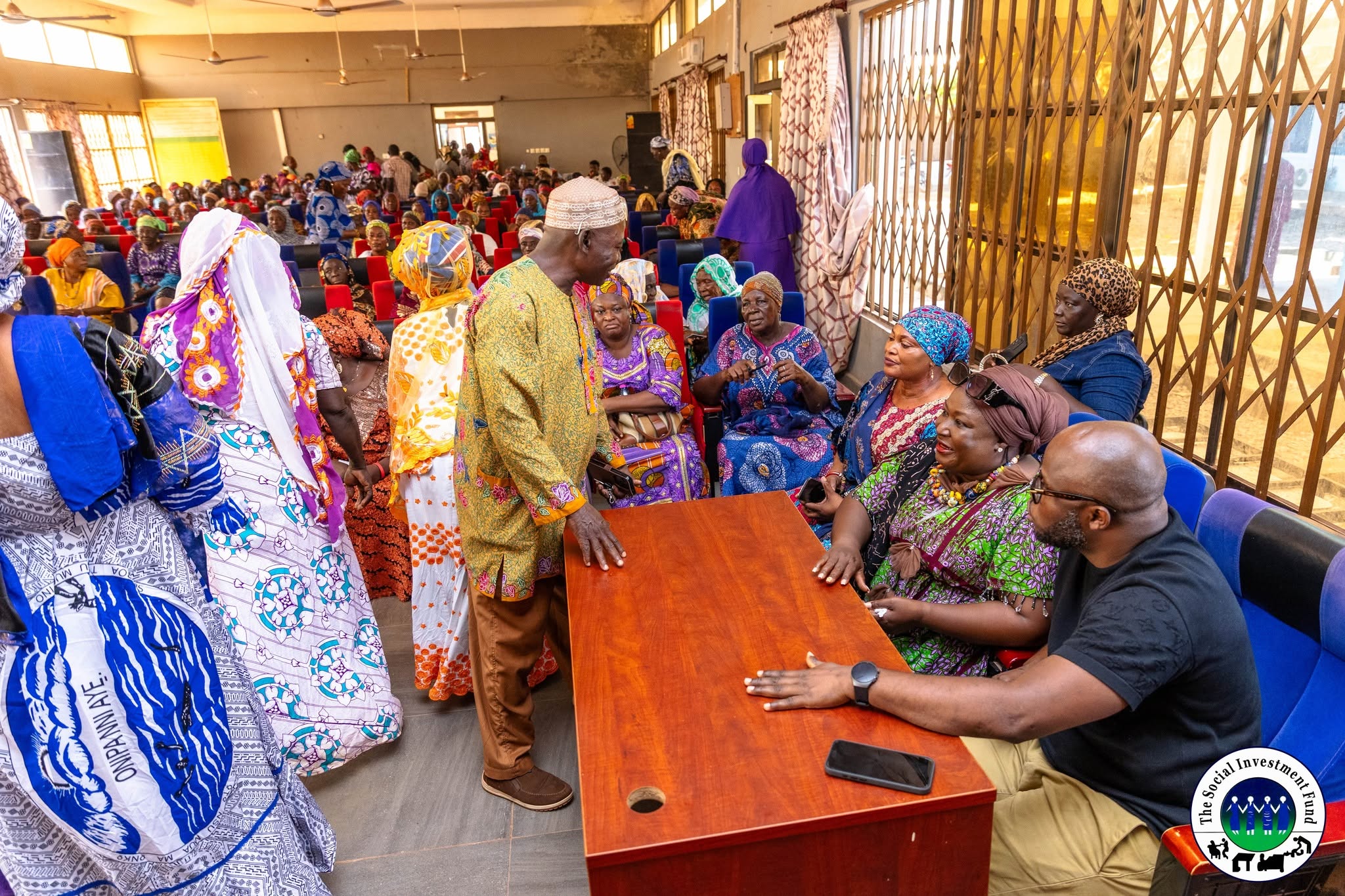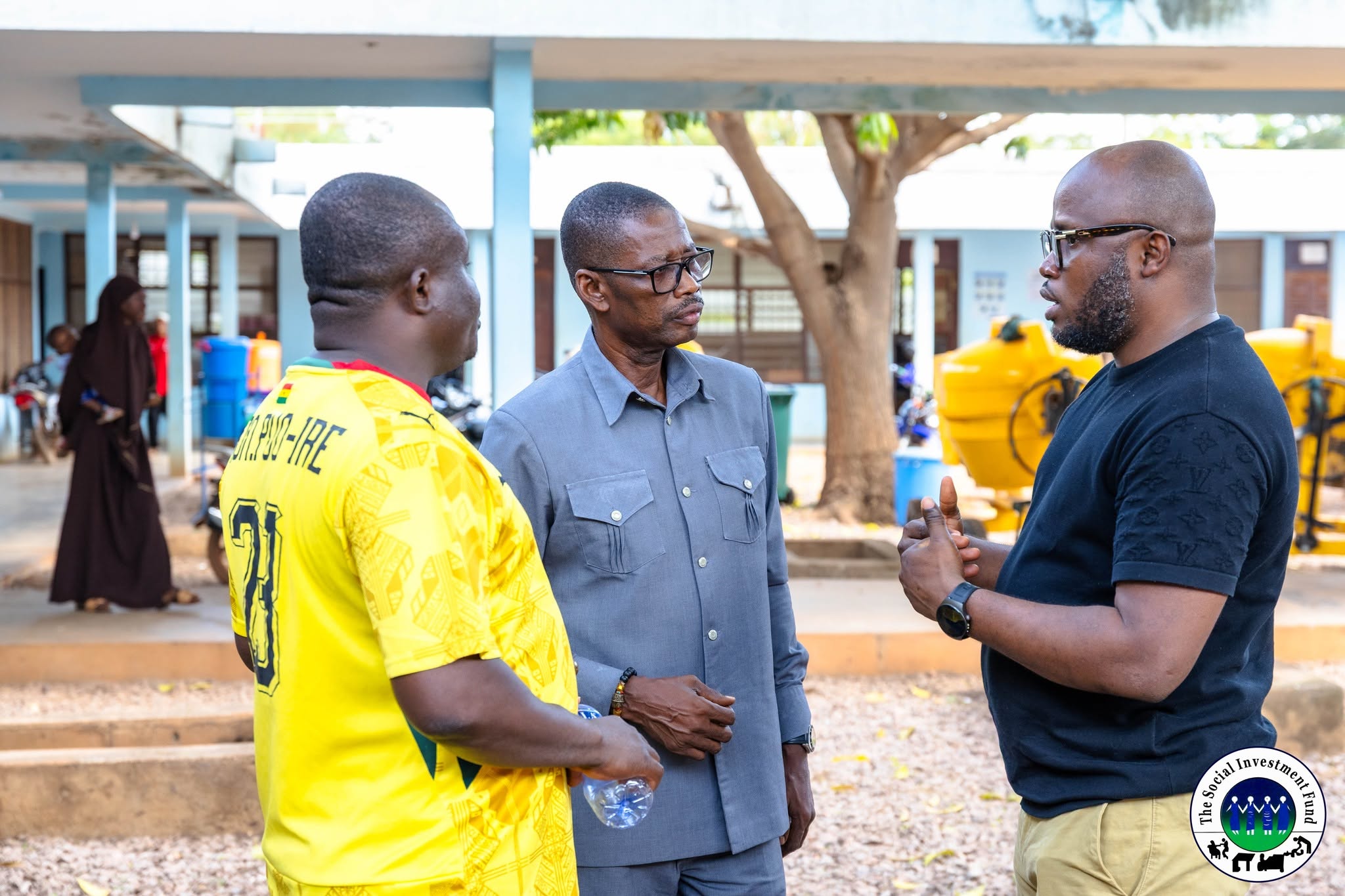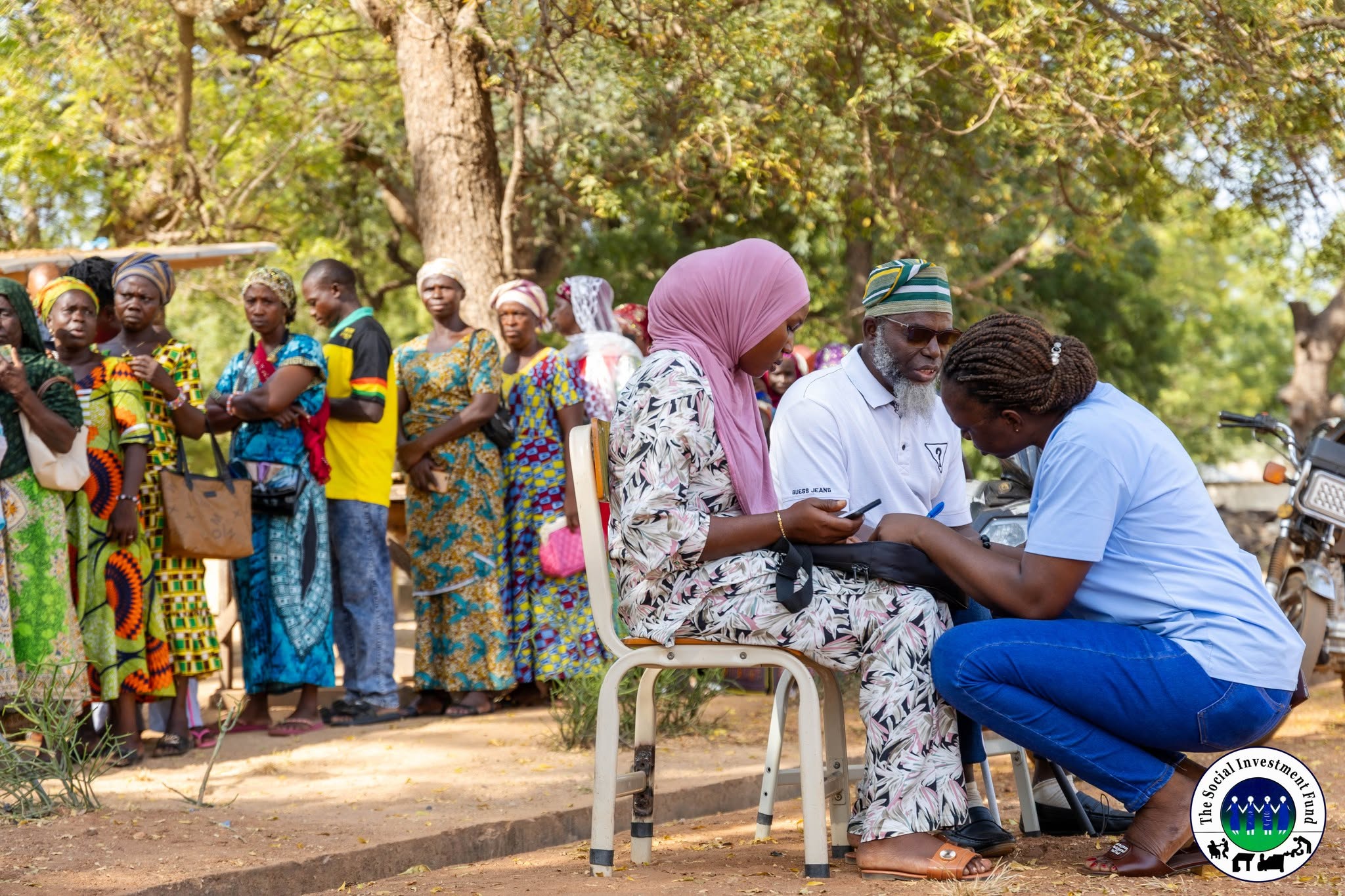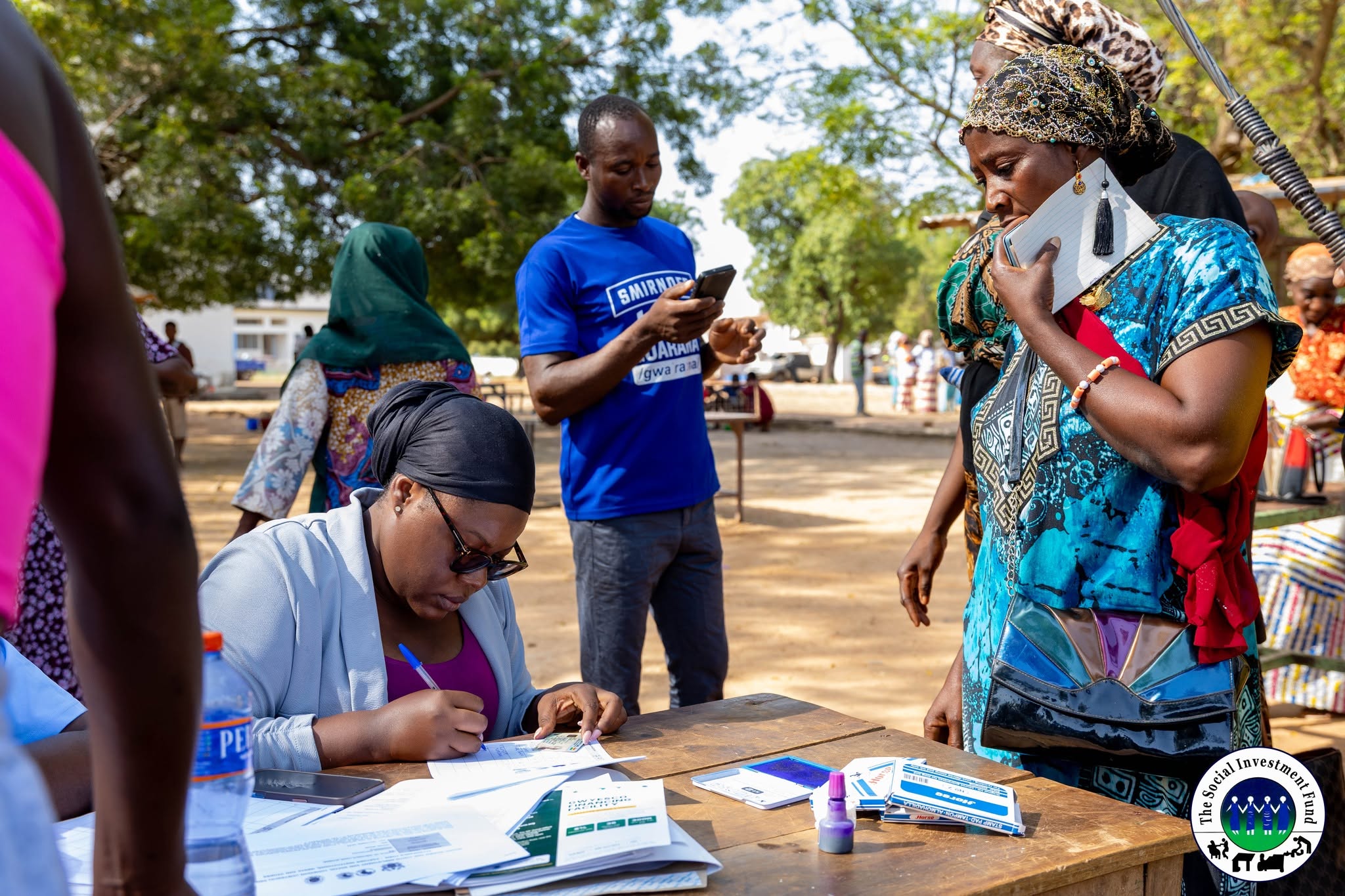
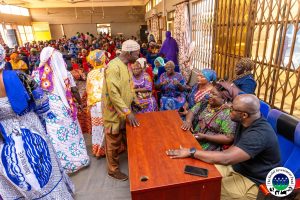
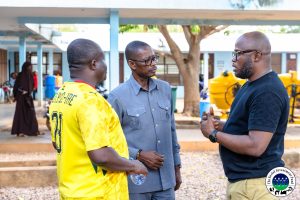
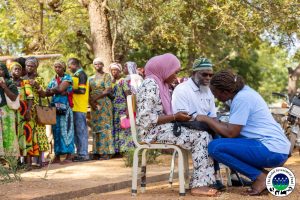
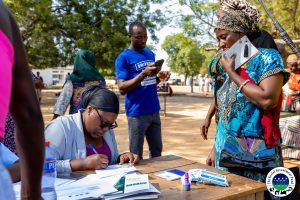
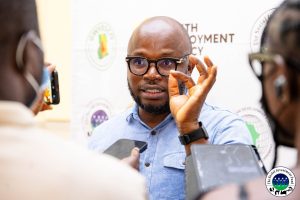




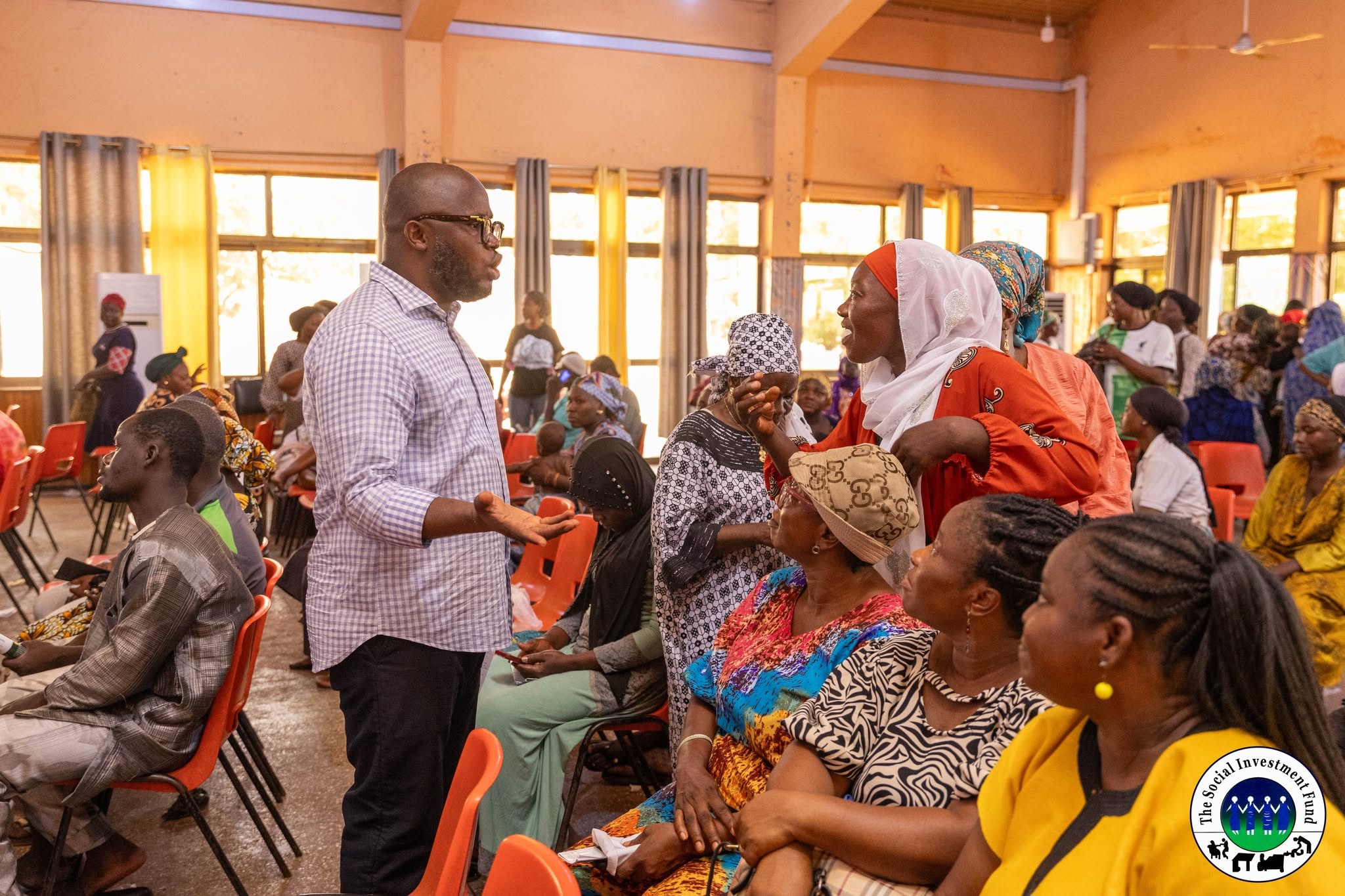
When President John Mahama appointed Abass-Adams Nurudeen as Acting CEO of the Social Investment Fund in January 2025, the institution was a shadow of its 1998 founding ambition. A little over a year later, the private legal practitioner has repositioned SIF as the implementing agency for the country’s most significant youth and women’s employment programme—a $71 million bet on the idea that the best social safety net is a job.
The Mandate: From Infrastructure to Enterprise
The Social Investment Fund was established in 1998 with a traditional poverty-reduction mandate: channel resources into impoverished communities, build schools, clinics, and small infrastructure. It was a grant-making body, distributing donor and government funds to fill gaps the state could not reach.

Nurudeen’s tenure has overseen a fundamental shift. SIF is no longer just building things. It is financing businesses, training young people, and tying disbursement to measurable outcomes.
📢 GET A DETAILED ARTICLES + JOBS
Join ASJ's WhatsApp Channel and never miss a post or opportunity.

The vehicle for this shift is the Ghana Women and Youth Employment and Social Cohesion Programme (GWYESCO), launched in June 2026 with a US$71 million grant from the African Development Bank, implemented by SIF under the Ministry of Finance . Nurudeen serves as both the CEO of SIF and the Project Coordinator for GWYESCO .
His framing of the programme is deliberate. At the heart of this programme is the idea that when women and young people are empowered with skills, financing opportunities and hope, nations thrive,” he said at the launch . The language is not that of a grant administrator. It is that of an enterprise developer.

The Diagnosis: Skills, Finance, and Markets
Nurudeen’s public statements reveal a diagnosis of Ghana’s youth unemployment problem that goes beyond the standard “lack of jobs” narrative.
He identifies three interlocking deficits. The first is limited access to market-relevant skills—training that industry actually needs, not theoretical credentials. The second is limited access to finance for women- and youth-owned businesses. The third is limited access to technology and markets .
This diagnosis explains why GWYESCO is structured the way it is. It is not a training programme with a financing add-on. It is not a loan scheme with a workshop attached. It is an integrated intervention designed to address all three deficits simultaneously.
The programme’s three key interventions, as Nurudeen describes them, are: promoting market-driven training aligned with industry needs and emerging sectors; expanding access to financial and non-financial services for women- and youth-owned MSMEs; and strengthening institutional capacity and accountability systems .
The Results-Based Financing Experiment
The most consequential feature of Nurudeen’s approach is the financing model.
GWYESCO is the African Development Bank’s inaugural Results-Based Financing (RBF) operation in Ghana . Under this model, financing is tied directly to measurable and verified outcomes rather than activities undertaken.
“This is a shift from financing inputs to financing impact,” Nurudeen explained at the launch. He described the model as placing “accountability, transparency, performance and measurable change at the centre of programme implementation” .
He is candid about the risks. RBF, he acknowledged, often faces “bureaucratic delays, weak institutional coordination, procurement bottlenecks and limited technical capacity” across Africa. He framed these obstacles as motivation for stronger collaboration rather than reasons for caution .
The targets attached to the financing are specific. By 2029, GWYESCO aims to support more than 22,000 women and young people into wage or self-employment, train over 28,000 beneficiaries in STEM, digital and creative skills, support 10,000 MSMEs with business development services, provide financing access to 8,000 businesses, and construct or renovate ten TVET centres . The programme is expected to create 28,000 direct jobs and 6,000 indirect jobs .

The Bank Partnership: Making the Loans Reach
The RBF model and the enterprise development ambition depend on a distribution channel. SIF does not lend directly. It works through banks.
In August 2026, Consolidated Bank Ghana signed a US$5 million on-lending agreement with SIF under GWYESCO, expected to reach about 3,000 entrepreneurs over 36 months . The funds are earmarked for working capital, business expansion, and the acquisition of productive assets.
Nurudeen’s statement on the partnership was concise but pointed: “The on-lending agreement with CBG will serve as the foundation for a stronger relationship between the two institutions and ensure the funds reach those who need them most” .
The partnership with ARB Apex Bank is also part of the architecture. The programme’s executive summary, published through Apex Bank, situates GWYESCO within a broader set of development partner interventions—the World Bank’s Ghana Jobs and Skills Project, the Mastercard Foundation’s Young Africa Works, EU and GIZ skills programmes—and describes the programme as “a timely and much needed intervention” given that Ghana needs to create 300,000 new jobs each year to absorb its growing youth population .
The Precedent: PSDPEP and the Microcredit Track Record
GWYESCO is not SIF’s first attempt at enterprise financing under Nurudeen’s watch. The Post COVID-19 Skills Development and Productivity Enhancement Project (PSDPEP) was the proving ground.
Under PSDPEP, SIF, in partnership with the Ministry of Finance and ARB Apex Bank, disbursed a total of GHS 40.8 million in microcredit to 15 Rural and Community Banks and Africa Skills Hub. The funds went to women- and youth-led MSMEs, with an interest rate not exceeding 12% per annum .
The SIF’s own reporting described the outcomes as “renewed growth, increased resilience and improved financial literacy,” with beneficiaries “especially women-led enterprises” testifying to the lifeline the funding provided . The PSDPEP experience is the operational foundation on which GWYESCO’s more ambitious financing component is built.
The Political Reality: Agenda 111 and the Cost of Completion
Nurudeen’s tenure has not been confined to enterprise development. As SIF CEO, he has also been the public face of the government’s assessment of the Agenda 111 hospital projects inherited from the previous administration.
In April 2026, he stated that the government would need approximately $2 billion** to complete the projects. He described Agenda 111 as a “corruption machinery” under the previous government, alleging that contracts were awarded by the Chief of Staff rather than the Ministry of Health, and that over **$500 million had been spent on facilities that could not be operational because they lacked electricity and other essential amenities .
The statements were politically charged, and they placed Nurudeen at the centre of a contentious debate about the cost and legacy of the previous government’s flagship health infrastructure programme. They also illustrate the breadth of the SIF mandate under his leadership—from microcredit for market women to the fiscal audit of national hospital projects.
ASJ Bottom Line
Abass-Adams Nurudeen’s SIF is not the SIF of 1998. The institution has moved from building infrastructure to financing enterprises, from disbursing grants to tying funding to verified outcomes, from working alone to working through banks and development partners.

The GWYESCO programme is the clearest expression of this shift. It is a $71 million experiment in whether a government agency can deliver enterprise development at scale, with the discipline of results-based financing and the reach of partner banks.
The targets are ambitious. The RBF model is untested at this scale in Ghana. The political environment is contested. But the direction is clear: the Social Investment Fund under Nurudeen is betting that the most durable social investment is a business that can pay its own way.
Quick Facts
| Topic | Details |
|---|---|
| SIF CEO | Abass-Adams Nurudeen (appointed January 2025) |
| GWYESCO Funding | US$71 million AfDB grant |
| GWYESCO Duration | 2026–2029 |
| Job Target | 28,000 direct; 6,000 indirect |
| Financing Facility | US$15 million for women/youth businesses |
| CBG On-Lending | US$5 million, ~3,000 beneficiaries |
| PSDPEP Microcredit Disbursed | GHS 40.8 million |
| Financing Model | Results-Based Financing (RBF) |
Frequently Asked Questions
1. Who is Abass-Adams Nurudeen?
He is the Chief Executive Officer of Ghana’s Social Investment Fund (SIF) and the Project Coordinator for the GWYESCO programme. He was appointed Acting CEO in January 2025 by President John Mahama .
2. What is GWYESCO?
The Ghana Women and Youth Employment and Social Cohesion Programme. It is a US$71 million initiative funded by the African Development Bank, implemented by SIF, running from 2026 to 2029. It targets jobs, skills, and finance for women and youth .
3. What is Nurudeen’s vision for SIF?
He frames the institution’s role around three deficits: limited market-relevant skills, limited access to finance, and limited access to technology and markets. GWYESCO is designed to address all three through training, financing, and business development support.
4. What is Results-Based Financing and why does it matter?
RBF ties funding to measurable, verified outcomes rather than activities. Nurudeen describes it as “a shift from financing inputs to financing impact.” GWYESCO is the AfDB’s inaugural RBF operation in Ghana .
5. How does SIF disburse GWYESCO loans?
Through partner banks. Consolidated Bank Ghana signed a US$5 million on-lending agreement to reach about 3,000 beneficiaries. ARB Apex Bank is also part of the programme architecture .
6. What was PSDPEP and how does it relate to GWYESCO?
PSDPEP was the Post COVID-19 Skills Development and Productivity Enhancement Project. SIF disbursed GHS 40.8 million in microcredit to 15 rural banks under PSDPEP. It is the operational precedent for GWYESCO’s financing component .
7. What did Nurudeen say about Agenda 111?
He stated that the government needs approximately $2 billion to complete the Agenda 111 hospital projects, and alleged that the programme was a “corruption machinery” under the previous administration, with over $500 million spent on facilities that lacked essential amenities .
8. What are the GWYESCO targets by 2029?
Support 22,000+ women and youth into employment, train 28,000+ in STEM and digital skills, support 10,000 MSMEs with business development, provide financing to 8,000 businesses, and renovate or equip 10 TVET centres.
9. Which regions does GWYESCO target?
Vulnerable and underserved communities, with particular emphasis on Northern Ghana—the five northern regions—plus the Central and Eastern Regions .
10. What sectors does GWYESCO support?
Agriculture and agribusiness (poultry, fisheries, livestock, beekeeping), agro-processing, digital and STEM skills, creative industries, and technical/vocational trades
Source: Accra Street Journal
Last Updated on November 5, 2026 by Samuel Kwame Boadu
Disclaimer: Some content on Accra Street Journal may be aggregated, summarized, or edited from third-party sources for informational purposes. Images and media are used under fair use or royalty-free licenses. Accra Street Journal is a subsidiary of SamBoad Publishing Hub under SamBoad Business Group Ltd, registered in Ghana since 2014.
For concerns or inquiries, please visit our Privacy Policy or Contact Page.

Samuel Kwame Boadu is a Ghanaian media entrepreneur and storyteller with a passion for amplifying urban voices and uncovering everyday truths. He is the Editor-in-Chief and Founder of Accra Street Journal, a dynamic digital platform dedicated to capturing the pulse of Ghana’s capital—its people, culture, challenges, business, sports and innovations.