






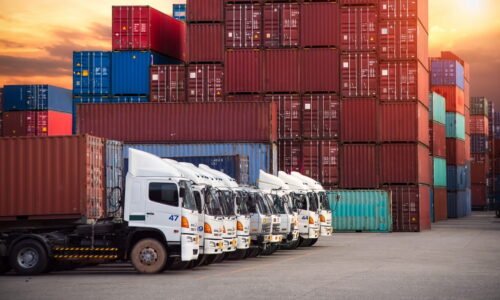
A parcel stuck at Ghana Customs is not a lost parcel. It is a parcel waiting for paperwork, payment, or a decision. The system is strict, the rules are published, and the clock is running. Parcels not claimed within three months are confiscated and auctioned . Understanding why the hold happened—and what the system expects from you—is the difference between a delivery and a loss.
Why Parcels Get Held
There are four common reasons a package stops moving.

Reason 1: Duty Has Not Been Paid
Ghana has effectively no de minimis threshold. Every imported package is subject to VAT (15%) plus customs duty, regardless of declared value, with a rare and discretionary personal-use exemption for items under GHS 200 . When your parcel arrives, Customs calculates the duty based on the classification of the item, using the cost of postage as the freight value plus a 1% charge. The insurance value is also taken into consideration .
📢 GET A DETAILED ARTICLES + JOBS
Join ASJ's WhatsApp Channel and never miss a post or opportunity.

If the duty is not paid, the parcel does not move.
Reason 2: Documentation Is Missing or Inaccurate
The GRA requires the following for clearance: original airway bill or bill of lading, attested invoice, packing list, Import Declaration Form (IDF) from the Ministry of Trade, TIN or Ghana Card PIN, and any required permits from regulatory agencies like the FDA or Ghana Standards Authority .

If the invoice is inaccurate, the value is under-declared, or a permit is missing, the parcel is held. Customs has discretion to revalue if they suspect under-declaration, and they look at retail price databases. If caught, the package is held until duty is paid on the revised value, plus possibly a fine .
Reason 3: The Item Is Restricted
Some items require a permit from a government agency before they can be released. Without it, Customs cannot clear the parcel . This includes pharmaceuticals (FDA), processed goods (Ghana Standards Authority), and agricultural products.
Reason 4: The Recipient Cannot Be Reached
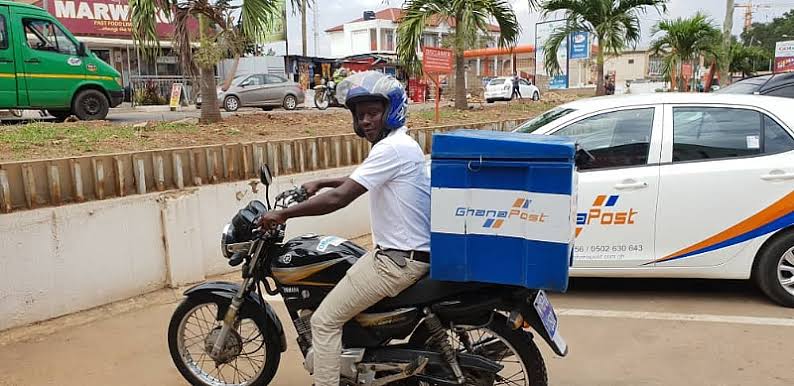
The system depends on contact. For parcels through Ghana Post, the recipient must present themselves at the post office with identification. The parcel is opened in their presence, the duty is calculated, and payment is made at the counter. Two receipts are issued: one for the Ghana Post administrative charge, one for the Customs duty.
If the recipient does not respond, the three-month clock runs out.
How Clearance Works: The Two Paths
The process differs depending on whether your parcel arrived through the post office or through a private courier at the airport.
Path 1: Parcels Through Ghana Post
This is the simpler path, designed for individuals receiving personal parcels.
Step 1: The post office counter staff verify that the parcel belongs to you by checking your identity .
Step 2: The parcel is opened by you for examination .
Step 3: The Customs Officer at the counter calculates the duty based on the classification of the item. Postage cost is used as the freight value, plus a 1% charge. The insurance value is considered .

Step 4: You pay the duty at the Ghana Post counter. You receive two receipts: the Ghana Post administrative charge and the Customs duty.
Step 5: You present the receipt to the Ghana Post counter and receive your parcel .
Path 2: Parcels Through Private Couriers (Airport Clearance)
This path is more formal and, by law, requires a clearing agent.
The GRA states plainly: “Currently, clearance at the ports requires the use of clearing agents by law” .
The process:
The clearing agent submits a declaration in ICUMS (the Integrated Customs Management System) with the required documents. ICUMS processes the declaration through Classification, Valuation, and Approval. If successful, a tax bill is generated. The agent pays the duties at a participating bank. The tax bill receipt is presented to the examination officer. Depending on the risk level, the goods may be physically examined (Red), digitally scanned (Yellow), or released at the gate (Green) .
For a personal parcel through DHL or FedEx, the courier often acts as the intermediary. But the duty is still calculated, and you are still responsible for paying it. One account described a DHL package held because Customs demanded duty, with the courier offering to clear it for a GH₵300 fee . The duty itself is separate from any broker or handling fee.
What to Do When Your Package Is Held
If It Is Through Ghana Post
Go to the post office where the parcel is being held—typically Accra Central, Accra North (Kwame Nkrumah Circle), Tema, or your regional post office. Bring identification. The parcel will be opened in your presence, the duty calculated, and you pay at the counter. This is a face-to-face process, not an online one.
If It Is Through a Private Courier
Contact the courier directly. They will tell you why the parcel is held—duty, documentation, or a permit issue. If it is duty, you can pay it. If it is documentation, you need to provide the missing document. If a clearing agent has been assigned, ask for the agent’s details and the specific reason for the hold.
The Daily Guide account illustrates the frustration: a package held for duty, with the courier offering to clear it for a fee, and the recipient declining because the package was a low-value gift and the duty was unexpected. The lesson is that even small packages can attract duty, and the courier’s clearance fee is separate from the duty itself.
The Three-Month Deadline
The GRA is explicit: “If goods are not claimed within three (3) months, they are confiscated to the State and auctioned off” . The clock runs from arrival, not from the day you hear about it . If you are travelling, hospitalised, or have moved, the parcel can be lost before you even know it is there.
The practical advice from the logistics sector is to send the tracking number to the recipient the day you mail, name a second person who can collect if the first cannot, and make sure the phone number on the label reaches somebody who answers it .

The Duty Calculation: What You Pay
For parcels through Ghana Post, the duty is calculated on the spot by the Customs Officer at the counter. The cost of postage is used as the freight value, a 1% charge is imposed, and the insurance value is considered .
For parcels through private couriers, the duty is calculated through ICUMS based on the declared value, the classification of the goods, and the applicable rates. The origin of the goods plays an important part in determining the value, which affects the duty .
There is no fixed flat rate. A small gift and a commercial shipment are assessed differently. The duty on a low-value personal parcel may be modest, but it is not zero. The personal-use exemption under GHS 200 is rare and discretionary .
ASJ Bottom Line
A held parcel is a solvable problem, but it requires action. The system is not designed to notify you proactively and wait indefinitely. It is designed to process the parcel, collect the duty, and move on. If you do not engage, the three-month clock runs out.
For Ghana Post parcels, the solution is a visit to the post office with ID. For courier parcels, the solution is contacting the courier and paying the duty or providing the missing document. In both cases, the cost is the duty plus any administrative or brokerage fee. The alternative is losing the parcel entirely.
Quick Facts
| Topic | Details |
|---|---|
| De Minimis Threshold | Effectively none; VAT (15%) + duty applies to all parcels |
| Personal Use Exemption | Under GHS 200, rare and discretionary |
| Ghana Post Clearance | In person, at the post office counter |
| Private Courier Clearance | Requires a clearing agent by law |
| Platform | ICUMS (Integrated Customs Management System) |
| Required Documents | Airway bill, attested invoice, packing list, IDF, TIN, permits |
| Unclaimed Parcel Deadline | 3 months from arrival, then confiscated and auctioned |
| Duty Calculation (Post) | Classification + postage as freight + 1% charge + insurance value |
Last Updated on November 1, 2026 by Samuel Kwame Boadu
Disclaimer: Some content on Accra Street Journal may be aggregated, summarized, or edited from third-party sources for informational purposes. Images and media are used under fair use or royalty-free licenses. Accra Street Journal is a subsidiary of SamBoad Publishing Hub under SamBoad Business Group Ltd, registered in Ghana since 2014.
For concerns or inquiries, please visit our Privacy Policy or Contact Page.

Samuel Kwame Boadu is a Ghanaian media entrepreneur and storyteller with a passion for amplifying urban voices and uncovering everyday truths. He is the Editor-in-Chief and Founder of Accra Street Journal, a dynamic digital platform dedicated to capturing the pulse of Ghana’s capital—its people, culture, challenges, business, sports and innovations.