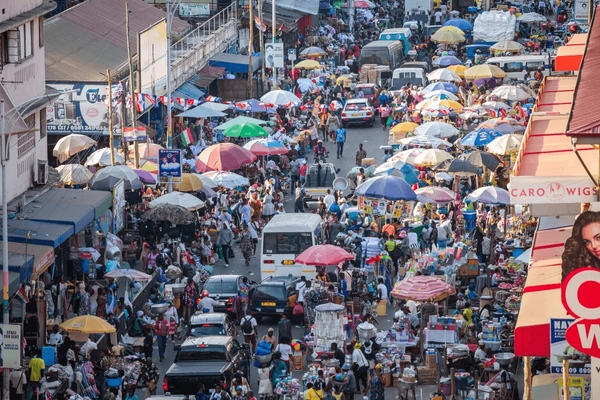
Accra’s markets have long been the heartbeat of the city’s commercial life. From traditional open-air markets to roadside trading clusters and emerging organised retail spaces, these marketplaces serve millions of consumers daily. Yet as Accra modernises and consumer expectations shift, markets are undergoing quiet but significant transformation. The way people shop, pay, and interact with sellers is changing, and Accra’s markets are adapting to remain relevant in an increasingly competitive urban economy.
The evolution of Accra’s markets is not driven by replacement but by adaptation. Traditional trading spaces are adjusting to modern consumer demands shaped by urbanisation, digital technology, income pressures, time constraints, and exposure to global retail standards. This transformation is redefining the role markets play in the city’s economy.

From Purely Traditional to Hybrid Commercial Spaces
Historically, Accra’s markets functioned as informal, relationship-based trading environments. Buyers and sellers relied on familiarity, bargaining, and long-standing trust. While these features remain important, modern consumers increasingly demand efficiency, reliability, and convenience.
📢 GET A DETAILED ARTICLES + JOBS
Join ASJ's WhatsApp Channel and never miss a post or opportunity.

Many markets now operate as hybrid spaces, combining traditional trading practices with modern retail expectations. Vendors are expanding product displays, improving packaging, and organising stalls to appear more professional and accessible. Some markets have introduced structured layouts, better signage, and designated zones for specific goods, making navigation easier for customers with limited time.
This shift reflects a broader change in consumer behaviour. Shoppers are no longer visiting markets only for price advantages; they also expect speed, clarity, and a degree of comfort previously associated with supermarkets and malls.

Changing Consumer Expectations in a Fast-Paced City
Accra’s growing urban population has altered shopping priorities. Long working hours, traffic congestion, and busy lifestyles mean consumers are increasingly time-conscious. Markets are responding by extending operating hours, clustering complementary goods, and offering ready-to-use products that reduce preparation time.
Food vendors now sell pre-cut vegetables, packaged spices, and portioned ingredients designed for quick cooking. Fresh produce sellers increasingly tailor quantities to suit smaller households and working professionals. These changes signal an understanding that modern consumers value convenience as much as affordability.
Markets that adapt to these time-driven needs retain relevance, while those that resist change risk losing customers to more structured retail alternatives.
The Rise of Digital Payments in Market Trading
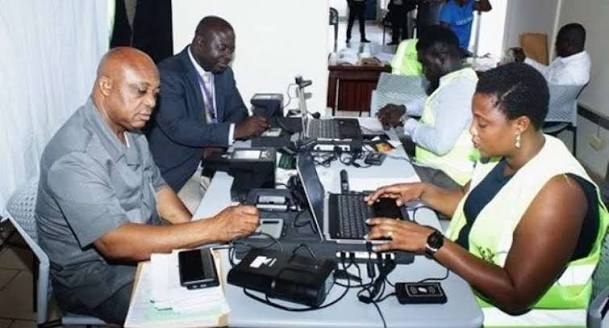
One of the most visible transformations in Accra’s markets is the adoption of digital payments. Mobile money has become a dominant transaction method, even in traditionally cash-based environments. Vendors increasingly display mobile payment numbers prominently, enabling faster and more secure transactions.
This shift aligns with modern consumer preferences for cashless payments, record-keeping, and transaction transparency. For customers, digital payments reduce the inconvenience of carrying cash and negotiating change. For traders, they offer security and ease of transaction, especially during high-volume sales periods.
The integration of digital payments has also expanded market access to younger, tech-savvy consumers who might otherwise prefer supermarkets or online shopping platforms.
Product Diversification and Changing Demand Patterns
Modern consumers in Accra demand variety. Markets are responding by diversifying product offerings beyond traditional staples. Imported goods, organic produce, processed foods, household essentials, and personal care items now coexist with local products.
This diversification reflects rising consumer exposure to global trends through social media, travel, and digital commerce. Market traders increasingly stock products that align with changing tastes, including healthier food options, international ingredients, and lifestyle goods.
By broadening product ranges, markets position themselves as comprehensive shopping destinations rather than limited-purpose spaces.

Improved Hygiene and Presentation Standards
Consumer awareness around health and hygiene has increased, particularly in urban environments. Markets are adapting by improving cleanliness, food handling practices, and presentation standards.
Vendors are increasingly using sealed packaging, covered displays, and protective storage methods. While challenges remain, these changes reflect growing recognition that modern consumers associate cleanliness with quality and safety.
Local authorities and trader associations have also played a role in encouraging improved sanitation, recognising that public confidence is critical to market sustainability.
Market Competition and Retail Pressure
Accra’s markets are evolving partly in response to pressure from supermarkets, convenience stores, and online retailers. These alternatives appeal to consumers seeking structured environments, consistent pricing, and perceived quality assurance.
Rather than disappearing, markets are competing by leveraging their strengths: freshness, affordability, flexibility, and personal relationships. Many traders now offer flexible pricing, bulk discounts, and customised service that formal retail outlets struggle to replicate.
Markets that successfully balance traditional strengths with modern expectations are better positioned to compete in an increasingly crowded retail landscape.
The Role of Informal Innovation
Innovation within Accra’s markets is often informal and organic. Traders observe consumer behaviour and adjust quickly, without formal business plans or market research. This adaptability is one of the markets’ greatest strengths.
Examples include vendors offering phone-based ordering for regular customers, informal delivery services using motorbikes, and group purchasing arrangements to stabilise prices. These practices reflect a grassroots response to modern consumer demands for convenience and reliability.
Such informal innovation allows markets to evolve without losing their cultural and economic significance.
Urban Expansion and Market Relocation
As Accra expands outward, markets are following population movement. New trading clusters emerge in growing residential areas, reducing the need for long-distance travel to central markets. This decentralisation aligns with modern consumer preferences for proximity and accessibility.
Emerging neighbourhood markets increasingly mirror features of larger traditional markets but operate on a smaller, more localised scale. They cater to daily shopping needs while maintaining the social and economic role of market trading.

Urban expansion has therefore reshaped not only where markets operate, but how they serve consumers.
The Social Dimension of Modern Markets
Despite modernisation, markets remain deeply social spaces. Consumers still value personal relationships, familiarity, and trust. Modern market evolution does not erase these social elements; instead, it integrates them into more efficient and responsive trading environments.
For many consumers, markets offer a sense of community absent in formal retail settings. This emotional connection continues to drive patronage, even as expectations evolve.
Maintaining this balance between tradition and modernity is central to the long-term relevance of Accra’s markets.
Markets as Economic Stabilizers
Accra’s markets play a stabilising role during economic uncertainty. When formal employment tightens or prices fluctuate, markets adapt quickly, adjusting product sizes, pricing, and supply sources. This flexibility meets modern consumer needs during periods of financial pressure.
Consumers rely on markets for affordability and negotiation, while traders rely on volume and adaptability to sustain income. This mutual dependence reinforces markets’ central role in Accra’s economy.
The Future of Accra’s Markets
The evolution of Accra’s markets is ongoing. Modern consumer demands will continue to shape how goods are sold, paid for, and delivered. Markets that embrace flexibility, hygiene, digital tools, and convenience will remain competitive.
Rather than fading into irrelevance, Accra’s markets are redefining themselves. They are becoming more responsive, more organised, and more aligned with contemporary urban life, while preserving the core characteristics that have sustained them for generations.
In a rapidly changing city, markets remain resilient because they evolve—not by abandoning tradition, but by reshaping it to meet the needs of modern consumers.
FAQs
How are Accra’s markets changing to meet modern consumer needs?
Markets are adopting digital payments, improving hygiene, diversifying products, and adjusting operations to prioritise convenience and efficiency.
Are traditional markets losing relevance in Accra?
No. Traditional markets remain relevant by adapting to modern expectations while retaining affordability, flexibility, and social connection.
Do Accra markets accept digital payments?
Yes. Mobile money is widely accepted across many markets, reflecting changing consumer payment preferences.
How do markets compete with supermarkets and malls?
Markets compete through lower prices, fresh products, personalised service, and flexibility in quantities and pricing.
Will Accra’s markets continue to evolve?
Yes. As consumer behaviour and urban dynamics change, markets will continue adapting to remain central to Accra’s commercial life.
Source: Accra Street Journal
Last Updated on January 12, 2026 by Samuel Kwame Boadu
Disclaimer: Some content on Accra Street Journal may be aggregated, summarized, or edited from third-party sources for informational purposes. Images and media are used under fair use or royalty-free licenses. Accra Street Journal is a subsidiary of SamBoad Publishing Hub under SamBoad Business Group Ltd, registered in Ghana since 2014.
For concerns or inquiries, please visit our Privacy Policy or Contact Page.

Samuel Kwame Boadu is a Ghanaian media entrepreneur and storyteller with a passion for amplifying urban voices and uncovering everyday truths. He is the Editor-in-Chief and Founder of Accra Street Journal, a dynamic digital platform dedicated to capturing the pulse of Ghana’s capital—its people, culture, challenges, business, sports and innovations.