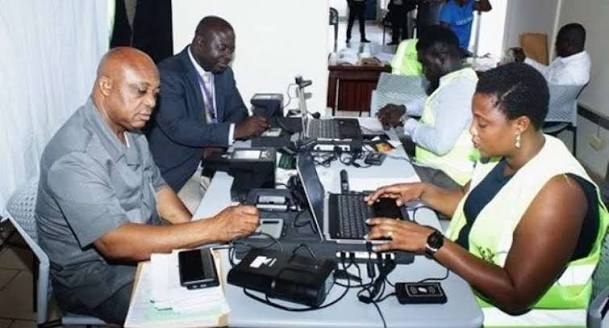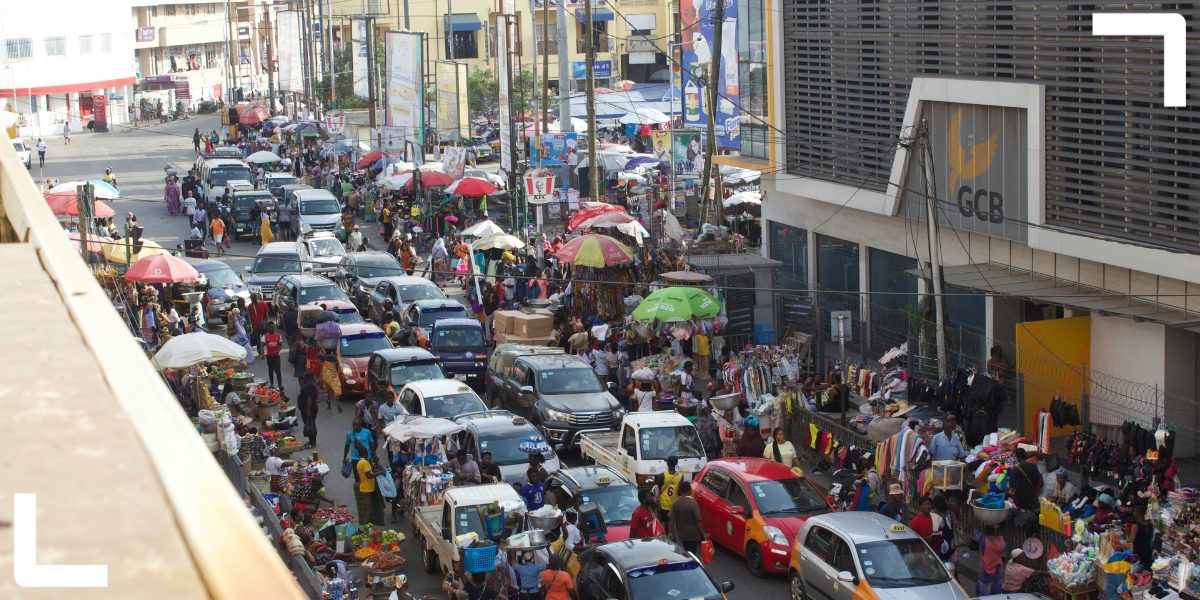
Urban migration has been a defining feature of Accra’s growth for decades, but its influence on business development has become more pronounced in recent years. As Ghana’s capital continues to attract people from across the country in search of opportunity, education, and improved living standards, the city’s economic structure is being continuously reshaped. For businesses operating in Accra, urban migration is not merely a demographic trend; it is a fundamental driver of demand, competition, innovation, and expansion.
Accra’s role as Ghana’s political, commercial, and cultural centre makes it the primary destination for internal migrants. Every year, thousands of people relocate from rural communities and secondary cities to the capital, adding to an already dense urban population. This steady inflow has far-reaching implications for how businesses form, grow, and survive.

Population Growth as a Market Expander
At its core, urban migration expands Accra’s consumer base. Each new arrival represents not only a resident, but also a consumer of goods and services. Housing, food, transportation, communication, healthcare, education, and entertainment all experience increased demand as the population grows.
📢 GET A DETAILED ARTICLES + JOBS
Join ASJ's WhatsApp Channel and never miss a post or opportunity.

This expanding market explains why businesses continue to cluster in Accra despite high operating costs. The sheer volume of potential customers creates opportunities that smaller cities and rural areas cannot easily match. From informal traders to multinational corporations, businesses are drawn to the density and diversity of Accra’s population.
Urban migration ensures that demand remains dynamic. As new residents bring different income levels, tastes, and consumption patterns, businesses are compelled to adapt their offerings, pricing models, and distribution strategies.

Labour Supply and Workforce Transformation
Urban migration significantly influences Accra’s labour market. The city absorbs a large share of Ghana’s working-age population, creating a deep and varied labour pool. For businesses, this means easier access to employees across skill levels, from manual labour and service staff to professionals and technical specialists.
However, this abundance of labour also intensifies competition for jobs, placing downward pressure on wages in some sectors while increasing expectations in others. Businesses must navigate a workforce that is both plentiful and highly mobile. Employees are willing to switch jobs quickly in pursuit of better pay, working conditions, or career prospects.
The constant movement of people into Accra contributes to a flexible but unstable labour environment. While this benefits employers seeking rapid scaling, it also complicates staff retention and long-term skills development.
Expansion of Informal and Formal Enterprises
Urban migration fuels both informal and formal business growth. Many migrants arrive in Accra without formal employment and turn to self-employment as a survival strategy. This has led to the rapid expansion of informal enterprises such as street vending, small-scale food services, transport operations, and micro-retail.
These informal businesses play a crucial role in Accra’s economy by meeting the daily needs of low- and middle-income residents. They also create competitive pressure for formal businesses, particularly in price-sensitive sectors.
At the same time, formal enterprises benefit from the scale created by migration-driven population growth. Supermarkets, pharmacies, real estate developers, telecommunications companies, financial institutions, and logistics firms expand operations to serve growing urban communities. The coexistence of formal and informal businesses creates a complex but vibrant commercial ecosystem.
Housing Demand and the Real Estate Economy
One of the most visible impacts of urban migration is the strain it places on housing. As more people move into Accra, demand for accommodation continues to rise, driving real estate development and rental markets. This housing demand creates business opportunities across construction, building materials, property management, and related services.
For businesses, housing patterns influence consumer geography. New residential developments shift commercial activity, creating emerging markets in previously underdeveloped areas. Retailers, schools, clinics, and service providers follow population movement, expanding into new suburbs and peri-urban zones.
However, rising rents and limited housing supply also increase the cost of living, which in turn affects consumer spending power and workforce stability. Businesses must operate within this interconnected system, where housing pressures directly influence market behaviour.

Changing Consumer Behaviour and Preferences
Urban migration brings together people from diverse cultural, economic, and regional backgrounds. This diversity shapes consumer behaviour in Accra, creating layered markets with varying preferences, spending habits, and brand perceptions.
Businesses must cater to a wide spectrum of customers, from low-income earners seeking affordability to upwardly mobile professionals demanding convenience and quality. Migration-driven diversity encourages product differentiation, flexible pricing, and tailored service delivery.
Food, fashion, entertainment, and personal services sectors are particularly influenced by this cultural blending. Migrants introduce new tastes and consumption patterns, prompting businesses to innovate or risk irrelevance.
Infrastructure Pressure and Business Adaptation
Rapid urban migration places significant pressure on Accra’s infrastructure. Transportation congestion, power reliability, water supply, waste management, and digital connectivity all face strain as the population grows.
For businesses, infrastructure limitations increase operating costs and complicate service delivery. Delays, inefficiencies, and disruptions become part of the business environment. Yet these challenges also create opportunities for businesses offering solutions in logistics, energy, sanitation, mobility, and digital services.
Urban migration thus acts as both a stress test and a catalyst for business innovation. Enterprises that adapt to infrastructural realities tend to thrive, while those that rely on rigid models struggle.
Competition Intensification and Market Saturation
As Accra attracts more people, it also attracts more businesses. Migration does not only increase consumers; it increases entrepreneurs. The result is intense competition across nearly every sector.
Retail clusters, transport hubs, and service corridors become saturated as new entrants seek visibility and market share. Customer loyalty becomes fragile, pricing pressure intensifies, and differentiation becomes essential.
This competitive environment pushes businesses to refine branding, improve service quality, and adopt technology. Urban migration indirectly raises the standard of competition, forcing businesses to evolve continuously.
Financial Inclusion and the Urban Economy
Urban migration has expanded financial activity in Accra. Migrants engage with banking, mobile money, credit services, and informal savings systems to manage urban life. This has driven the growth of financial services tailored to urban populations, including microfinance, digital payments, and agency banking.
Businesses benefit from improved transaction efficiency and broader customer participation in the formal economy. However, income instability among migrants also increases credit risk and affects consumer spending patterns.

The financial behaviours shaped by urban migration influence how businesses price products, extend credit, and manage cash flow.
Urban Migration and Business Resilience
Perhaps the most significant impact of urban migration is its role in shaping business resilience. Accra’s population growth ensures that markets are constantly renewing themselves. When one segment slows, another often emerges.
Migration creates adaptability. Businesses learn to operate in uncertainty, respond to rapid demographic changes, and adjust to evolving demand. While this environment is challenging, it also fosters entrepreneurial resilience and long-term economic dynamism.
Urban migration ensures that Accra remains a city of opportunity, but only for businesses willing to understand and respond to its complexities.
Accra’s Growth Trajectory
Urban migration is not a temporary phenomenon. It is a structural force that will continue to shape Accra’s business landscape for the foreseeable future. As long as economic opportunity, education, and services remain concentrated in the capital, people will continue to move in—and businesses will continue to follow.
For Accra, migration is both a challenge and a strength. It strains systems while simultaneously sustaining growth. Businesses that recognise urban migration as a core driver of market evolution are better positioned to survive and grow in Ghana’s capital.
FAQs
Why does urban migration continue in Accra?
Accra attracts migrants due to employment opportunities, education, access to services, and its role as Ghana’s economic and administrative centre.
How does urban migration affect business growth in Accra?
Urban migration expands the consumer base, increases labour supply, intensifies competition, and drives demand for housing, services, and infrastructure-related businesses.
Does urban migration increase competition for businesses?
Yes. Migration brings both consumers and entrepreneurs, leading to market saturation and heightened competition across sectors.
Which sectors benefit most from urban migration in Accra?
Housing, retail, transportation, food services, construction, financial services, and informal trade benefit significantly from population growth driven by migration.
Will urban migration continue to shape Accra’s economy?
Yes. Urban migration remains a long-term structural force shaping business activity, market dynamics, and economic growth in Accra.
Source: Accra Street Journal
Last Updated on March 9, 2026 by Samuel Kwame Boadu
Disclaimer: Some content on Accra Street Journal may be aggregated, summarized, or edited from third-party sources for informational purposes. Images and media are used under fair use or royalty-free licenses. Accra Street Journal is a subsidiary of SamBoad Publishing Hub under SamBoad Business Group Ltd, registered in Ghana since 2014.
For concerns or inquiries, please visit our Privacy Policy or Contact Page.

Samuel Kwame Boadu is a Ghanaian media entrepreneur and storyteller with a passion for amplifying urban voices and uncovering everyday truths. He is the Editor-in-Chief and Founder of Accra Street Journal, a dynamic digital platform dedicated to capturing the pulse of Ghana’s capital—its people, culture, challenges, business, sports and innovations.