






In the bustling streets of Accra, the cost of survival can be high—even fatal. Behind the city’s facade of progress and real estate expansion lies a daily grind carried out by the forgotten backbone of urban life: workers risking their lives for paychecks that barely scrape the surface of Ghana’s minimum cost of living.

As of mid-2025, the monthly minimum wage in Ghana stands at GHC534.66, yet many workers in hazardous conditions—ranging from security posts to roadside vending—earn even less or barely pass the GHC1,000 mark. Their jobs are physically taxing, often unregulated, and come with little or no protection.
Below are the top seven most dangerous jobs in Accra that still pay under GHC1,000 per month, exposing thousands to daily risks with no real safety nets.
📢 GET A DETAILED ARTICLES + JOBS
Join ASJ's WhatsApp Channel and never miss a post or opportunity.
1. Private Security Guards (GHC500–900/month)
Danger: Armed robbery, long hours, exposure to crime
Conditions: 12-hour shifts, minimal protective gear
Private security is one of the fastest-growing occupations in Ghana, yet one of the most underpaid. Guards stationed outside banks, ATMs, estates, and shops face routine threats—especially during night shifts. Many report going months without proper gear or insurance.
“Once, armed robbers raided the warehouse I was guarding,” says Kwame, a 29-year-old guard in Spintex. “I ran because they had AK47s. My company blamed me for not defending the goods.”
2. Street Hawkers (GHC300–700/month on average)
Danger: Vehicular accidents, harassment, health issues from fumes
Selling water, snacks, or accessories on Accra’s congested roads is one of the most visible informal jobs—and among the most dangerous. Hawkers dart between speeding cars daily, often in scorching heat, breathing in diesel and exhaust fumes.
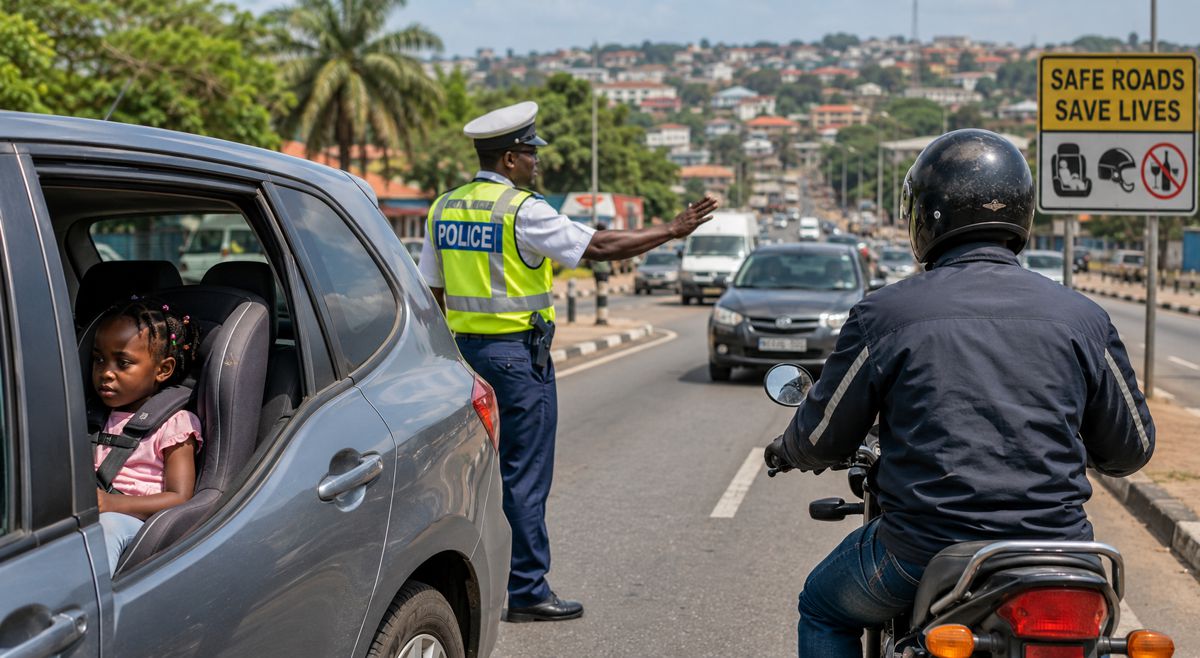
The 2024 National Road Safety Report revealed that pedestrian fatalities accounted for 38% of all road deaths in Greater Accra, many involving hawkers.
3. Truck Loaders and Offloaders (GHC400–800/month)
Danger: Heavy lifting injuries, falls, road accidents
These men—mostly young and from rural areas—are the invisible engine behind Accra’s supply chain. Whether loading cement, goods at Tema Port, or beverages for delivery trucks, they risk spinal injuries, fractures, and exhaustion.
A typical day starts at 4 a.m. and ends past 7 p.m. with no medical benefits or overtime pay. “I once fell from a moving truck. My leg still hurts when I walk,” recounts Kofi, a 24-year-old loader at Agbogbloshie market.
4. Trotro Mates (GHC600–1,000/month)
Danger: Road accidents, physical assault, long exposure to elements
Trotro mates may be familiar figures in Ghana’s transport system, but the chaos of their daily routine is anything but ordinary. From hanging off moving buses to enduring verbal abuse and police harassment, mates risk their lives for barely legal wages.
A mate for a Madina–Circle route disclosed he earns GHC25 daily: “That’s GHC750 a month if you work every day. You pay the driver and the police bribe first—what’s left is yours.”
5. Waste Pickers and Scrap Workers (GHC200–600/month)
Danger: Exposure to toxins, sharp metals, infections
Accra’s informal recycling economy is powered by people scavenging in landfills or along streets. Places like Agbogbloshie and Kpone landfill are hotspots for this activity, despite high levels of lead, mercury, and e-waste toxins.
“These people handle everything—from broken TVs to hospital waste—without gloves or boots,” says an environmental researcher at the University of Ghana. “They’re essentially unprotected frontline workers.”
6. Night Cleaners and Janitors (GHC400–900/month)
Danger: Assault, overexertion, low visibility-related accidents
Working late in offices, malls, or bus terminals, cleaners face risks not just from their jobs but from the environment. Some female workers report unsafe conditions in remote buildings with minimal supervision.
A janitor at a high-rise office block in Airport City told us: “There are no cameras on most floors. I’ve had to lock myself in supply closets when I felt unsafe.”
7. ‘Okada’ Dispatch Assistants (GHC400–1,000/month)
Danger: High-speed accidents, poor protective wear, road rage
Motorbike riders (Okada) often have assistants who ride along to help navigate, carry packages, or even jump down to deliver quickly. The problem? They’re usually unhelmeted, uninsured, and exposed to traffic risks.
Hospitals like Ridge and 37 Military report a steady stream of Okada-related injuries weekly.
Why the Wages Remain Low
Despite the daily dangers, wages remain depressed due to:
-
Oversupply of labor
-
Informality and lack of unions
-
Exploitative employment practices
-
Regulatory neglect
In many of these occupations, workers are considered disposable. Formal contracts are rare, and the government’s enforcement of the Labour Act 2003 (Act 651) in the informal sector remains weak.
The Accra skyline continues to rise, but beneath it are thousands who hold it up—literally—without even a safety net.
Until Ghana confronts this hidden economy of risk, the gap between dangerous labor and dignified work will only widen. A real development agenda must begin by protecting those whose lives power the city.
References:
-
National Road Safety Authority (2024). Greater Accra Road Safety Report.
-
Ghana Labour Act, 2003 (Act 651).
-
Environmental Protection Agency Ghana, 2023 E-Waste Report.
-
Interviews with workers conducted in May–June 2025.
Disclaimer: Some content on Accra Street Journal may be aggregated, summarized, or edited from third-party sources for informational purposes. Images and media are used under fair use or royalty-free licenses. Accra Street Journal is a subsidiary of SamBoad Publishing Hub under SamBoad Business Group Ltd, registered in Ghana since 2014.
For concerns or inquiries, please visit our Privacy Policy or Contact Page.

Samuel Kwame Boadu is a Ghanaian media entrepreneur and storyteller with a passion for amplifying urban voices and uncovering everyday truths. He is the Editor-in-Chief and Founder of Accra Street Journal, a dynamic digital platform dedicated to capturing the pulse of Ghana’s capital—its people, culture, challenges, business, sports and innovations.