
6 min read
Finance Minister Cassiel Ato Forson presents Ghana’s 2027 Budget at 6:00 PM tonight under the theme “The New Economy,” promising a US$10 billion four-year investment push — even as traders, economists and the Parliamentary Minority question whether the 2026 promises were ever delivered.
Finance Minister Dr Cassiel Ato Forson is scheduled to present Ghana’s 2027 Budget Statement and Economic Policy — themed “The New Economy” — to Parliament tonight, Thursday, November 12, 2026, at 6:00 PM.
Key Takeaways
- Finance Minister Dr Cassiel Ato Forson is scheduled to present Ghana's 2027 Budget Statement and Economic Policy — themed "The New Economy" — to Parliament tonight, Thursday, November 12, 2026, at 6:00 PM.
- The centrepiece of tonight's speech is expected to be a four-year, US$10 billion initiative** — **US$2.5 billion annually from 2027 to 2030 — targeting agriculture, manufacturing, agro-processing and infrastructure to drive domestic production and job creation.
- Finance Minister Dr Cassiel Ato Forson presents the 2027 Budget tonight, November 12, 2026, at 6:00 PM, under the theme "The New Economy," after Speaker Alban Bagbin approved the evening slot.
Ahead of the evening sitting, economists, market traders, civil society groups and the Parliamentary Minority have offered sharp assessments of the outgoing 2026 fiscal year and laid out clear expectations for what tonight’s budget must deliver.
The Unusual Evening Presentation
Speaker of Parliament Alban Bagbin approved a request from the Finance Minister to shift the presentation from the traditional morning slot to 6:00 PM — a scheduling change that has itself become a talking point, given the significance of the occasion.
What to Expect: The $10 Billion New Economy
The centrepiece of tonight’s speech is expected to be a four-year, US$10 billion initiative** — **US$2.5 billion annually from 2027 to 2030 — targeting agriculture, manufacturing, agro-processing and infrastructure to drive domestic production and job creation.
According to the Ministry of Finance Budget Preparation Guidelines, the medium-term framework targets:
-
Real GDP growth of at least 6.0%
-
Inflation within 7% ± 2%
-
A primary balance surplus of 0.5% of GDP
The 2026 Scorecard: What Was Delivered
Public commentary and parliamentary debates over the past week have highlighted a sharp divide between macroeconomic stabilisation and delayed physical or social projects.
Analysts at Governance360 and government supporters point out that real GDP growth picked up while the fiscal deficit narrowed significantly, turning a primary deficit into a primary surplus alongside reduced interest payment burdens.
Stronger external buffers — supported by high gold export revenues and adherence to IMF programme benchmarks — helped stabilise key macroeconomic indicators compared with the 2022–2024 crisis period.
Upstream energy partners committed US$3.5 billion to boost output, raising Jubilee field production from 60,000 to 85,000 barrels per day.
Certain nuisance taxes were removed as pledged, although businesses note that some existing taxes were shifted to upfront collection.

The 2026 Scorecard: What Stalled
The critiques are equally specific.
The “fading” 24-Hour Economy. Policy analysts and media trackers, including JoyNews’ 2026 Budget Tracker, noted that while the flagship 24-Hour Economy was mentioned 27 times in the 2026 budget, mentions dropped to just three in the mid-year review. Critics now ask whether the new US$10 billion New Economy plan is quietly replacing an unimplemented 24-Hour Economy — a question that goes to the credibility of flagship policy commitments.

Idle statutory funds. Former Finance Minister and Karaga MP Dr Mohammed Amin Adam accused the government of leaving allocated funds for the Ghana Medical Trust, Primary Healthcare and Oil Palm Development sitting idle in Bank of Ghana accounts as of October 2026 without disbursement.
Delayed flagship projects. Critics highlighted the lack of visible progress on the promised Women’s Development Bank, the Accra–Kumasi Expressway, the target to complete 10 abandoned Agenda 111 hospitals, and the pledge to build three new regional stadia by the end of 2026.
Missing job creation data. Analysts point out that the government failed to provide concrete updates on the 800,000+ jobs promised in the 2026 budget, even as roughly 2 million Ghanaian youth remain outside employment, education or training.
Treasury auction struggles. Opposition critics pointed to repeated T-bill auction shortfalls earlier in the cycle as evidence of lingering investor caution.
What Stakeholders Are Demanding
According to a pre-budget survey by the Centre for Economic Research and Policy Analysis (CERPA) and interviews across Accra’s markets, public expectations centre on four urgent demands.
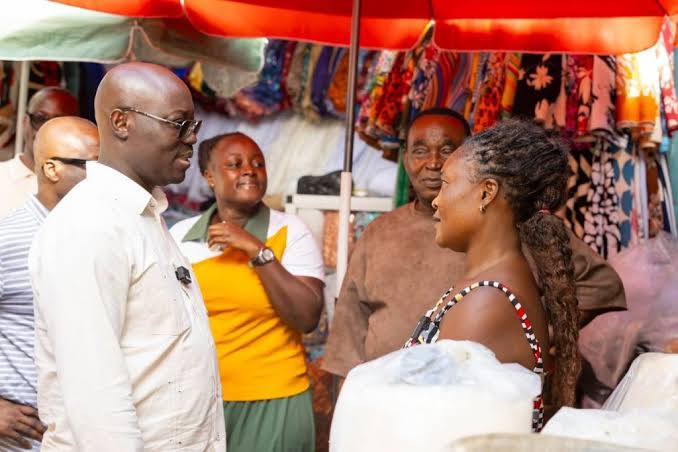
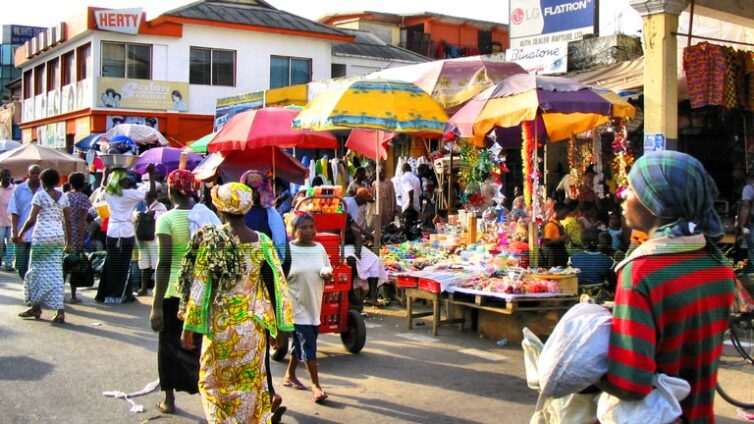
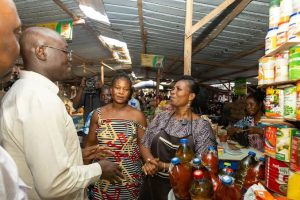
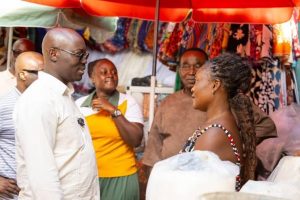
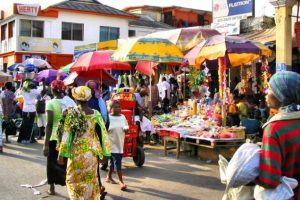
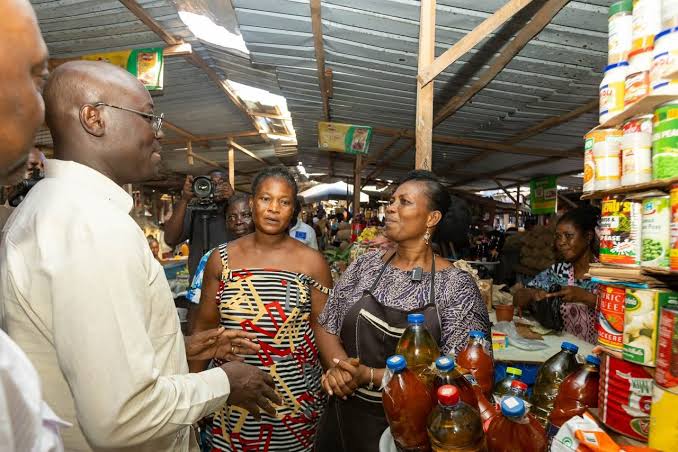
“Jobs that pay, not GDP on paper.” In the CERPA survey, 74.2% of respondents ranked youth job creation (39.9%) and reducing the cost of living (34.3%) as their top priorities. Traders at Timber Market and Makola expressed frustration over low purchasing power — “no money in the system” — and high transport costs.
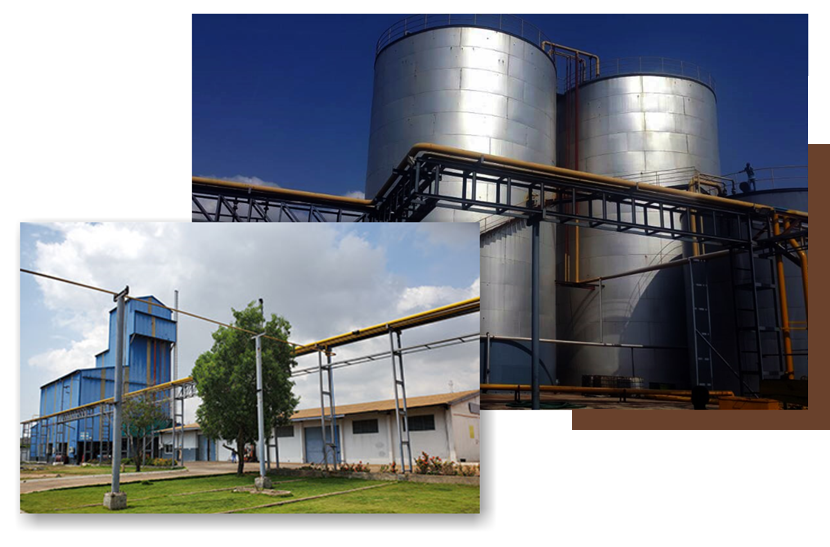
Value-chain industrialisation. Economist Prof. Godfred Bokpin urged the Finance Minister to move beyond macro stability and fund value-chain industrialisation — linking farming directly to processing, packaging and transport.
Audit of tax exemptions. Dr Said Boakye, Director of the Institute for Fiscal Studies (IFS), called on the government to scrap unproductive corporate tax exemptions granted to foreign firms that contribute to headline GDP without creating local jobs or retaining wealth in Ghana.
Solving the energy sector debt hole. Energy analysts warn that Dr Ato Forson faces a tough choice regarding legacy energy debts — including US$517 million owed by the Tema Oil Refinery (TOR) — and must decide whether to adjust fuel levies, raise utility tariffs, or absorb the cost through the Treasury without crowding out road and school projects.
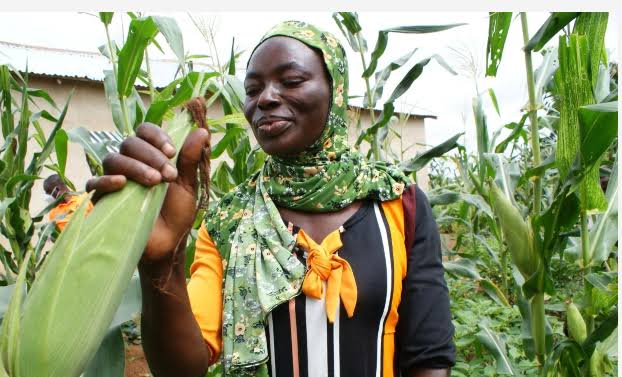
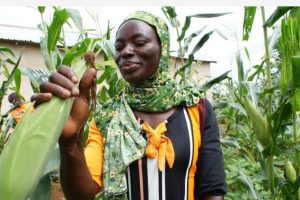
Agricultural mechanisation and irrigation. Farmers and agribusiness groups are demanding direct budget allocations for feeder roads, irrigation infrastructure and affordable credit for SMEs.

The Projected Impact
The primary economic test of the 2027 budget is whether fiscal discipline can translate into lower lending rates, cheaper credit for SMEs, and lower food and utility prices for households.
Economists caution that Ghana has historically struggled to maintain fiscal discipline after periods of stabilisation. Funding a US$2.5 billion annual New Economy push while maintaining a primary surplus and avoiding new debt distress will require strict expenditure controls and improved domestic revenue collection.
That is the arithmetic at the heart of tonight’s speech. A primary surplus of 0.5% of GDP, a US$2.5 billion annual investment programme, and no return to Eurobond markets leave domestic borrowing and revenue mobilisation as the only financing routes — and domestic borrowing is already projected to rise sharply.
Quick Facts
Finance Minister Dr Cassiel Ato Forson presents the 2027 Budget tonight, November 12, 2026, at 6:00 PM, under the theme “The New Economy,” after Speaker Alban Bagbin approved the evening slot. The centrepiece is a four-year, US$10 billion programme** from **2027 to 2030**, averaging **US$2.5 billion annually, targeting agriculture, manufacturing, agro-processing and infrastructure, within a framework targeting 6.0%+ real GDP growth, inflation of 7% ± 2% and a primary surplus of 0.5% of GDP.
The government points to fiscal consolidation, a primary surplus, stronger reserves and US$3.5 billion in upstream energy commitments raising Jubilee output from 60,000 to 85,000 bpd. Critics cite the 24-Hour Economy’s collapse from 27 budget mentions to three, idle statutory funds flagged by Dr Mohammed Amin Adam, delayed Women’s Development Bank, Accra–Kumasi Expressway, Agenda 111 hospitals and regional stadia, missing data on 800,000+ promised jobs, and T-bill auction shortfalls.
Stakeholders want jobs and lower living costs — 74.2% of CERPA respondents ranked these top — alongside value-chain industrialisation per Prof. Godfred Bokpin, an audit of corporate tax exemptions per Dr Said Boakye of IFS, resolution of US$517 million TOR debt, and agricultural mechanisation, irrigation and SME credit.
Source: Accra Street Journal
Last Updated on November 12, 2026 by Samuel Kwame Boadu
Disclaimer: Some content on Accra Street Journal may be aggregated, summarized, or edited from third-party sources for informational purposes. Images and media are used under fair use or royalty-free licenses. Accra Street Journal is a subsidiary of SamBoad Publishing Hub under SamBoad Business Group Ltd, registered in Ghana since 2014.
For concerns or inquiries, please visit our Privacy Policy or Contact Page.

Samuel Kwame Boadu is a Ghanaian media entrepreneur and storyteller with a passion for amplifying urban voices and uncovering everyday truths. He is the Editor-in-Chief and Founder of Accra Street Journal, a dynamic digital platform dedicated to capturing the pulse of Ghana’s capital—its people, culture, challenges, business, sports and innovations.
Use the following reference when citing or referencing this article.
Your feedback helps us improve our journalism.
Report an Error
Help us maintain accuracy. Let our editorial team know if you spot an issue in this article.
Report a problem with this article