










11 min read
From a 2001 commodity trading startup in Techiman to a 500-employee agro-industrial operation processing 250 tonnes of shea nuts and 150 tonnes of soybeans daily, Ghana Nuts has built a formidable position in West Africa’s edible oils and shea butter value chain. But as global demand for shea surges, the company faces a critical raw material challenge that could determine whether it remains a processing powerhouse—or becomes a victim of its own success.
Executive Introduction
In the Bono East Region of Ghana, far from the corporate towers of Accra, sits a company that has quietly become one of the country’s most significant agro-processors. Ghana Nuts Company Limited, headquartered in Techiman, was incorporated in 2001 with a deceptively simple business model: trade commodities, then process them .
Key Takeaways
- Today, Ghana Nuts operates a state-of-the-art solvent extraction and refinery plant, producing RBD (Refined, Bleached, and Deodorised) soybean and cotton seed cooking oil, alongside high-grade shea butter and animal feed meals .
- For investors, policymakers, and agricultural analysts, Ghana Nuts represents a case study in value-addition, export-oriented agro-processing, and the raw material sustainability dilemma facing Africa’s shea industry.
- By processing raw commodities into finished goods—RBD cooking oil, shea butter, animal feed—Ghana Nuts captures value that would otherwise accrue to foreign processors .
What began as an exporter of soya, groundnuts, cashew, sheanuts, sesame seeds, voacanga africana, and Griffonia to Europe, the UK, India, and Japan—moving over 30,000 tonnes annually in its first six years—has evolved into a vertically integrated operation . Today, Ghana Nuts operates a state-of-the-art solvent extraction and refinery plant, producing RBD (Refined, Bleached, and Deodorised) soybean and cotton seed cooking oil, alongside high-grade shea butter and animal feed meals .
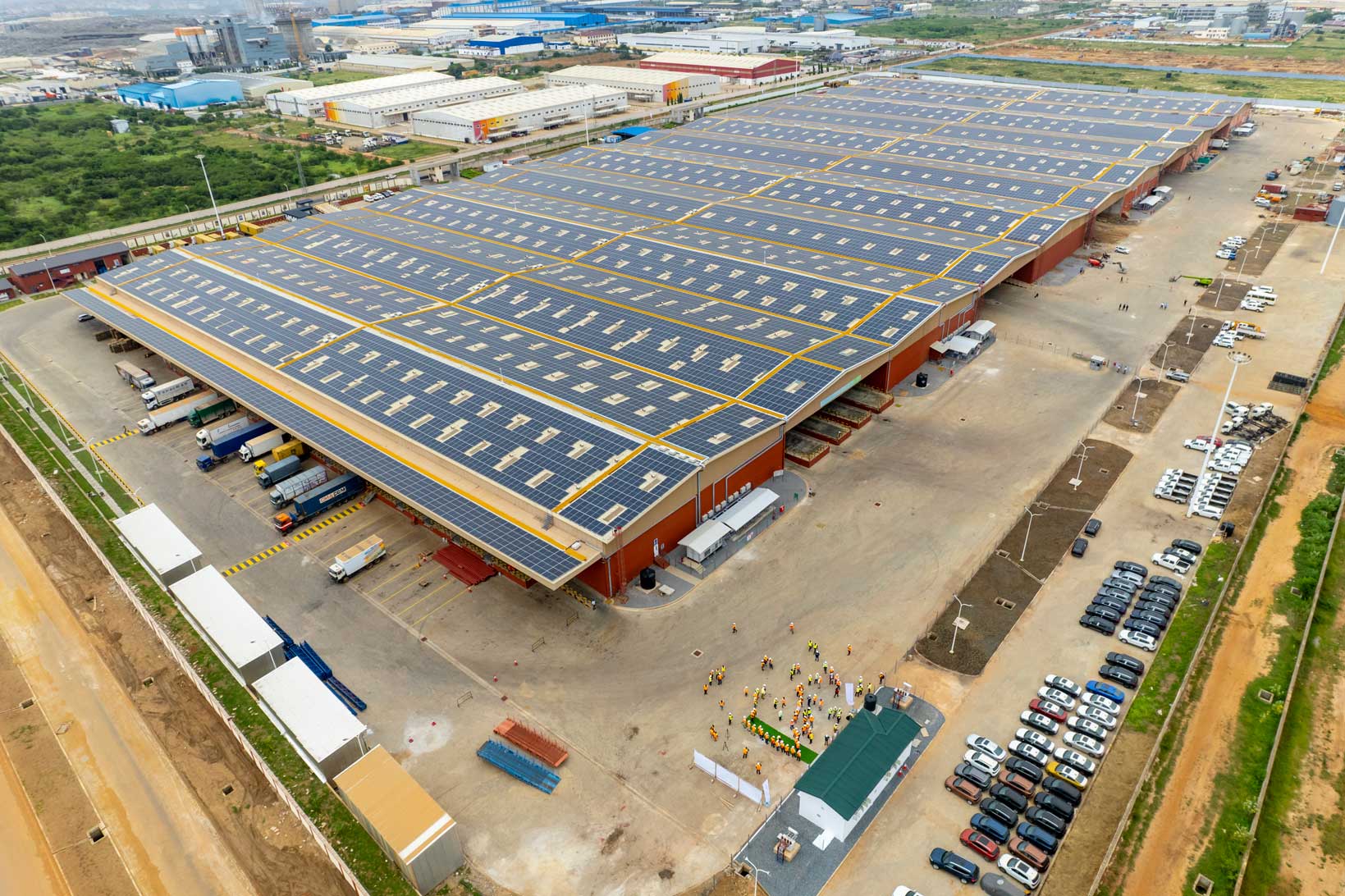
The company’s scale is substantial. With 500 employees, it processes approximately 250 tonnes of shea nuts and 150 tonnes of soybeans daily, shipping products to Europe, Southeast Asia, the Americas, Russia, and other African markets . Its Akoma Oil brand serves the domestic market, while its shea butter and soybean meal feed international cosmetic and food processing industries .
For investors, policymakers, and agricultural analysts, Ghana Nuts represents a case study in value-addition, export-oriented agro-processing, and the raw material sustainability dilemma facing Africa’s shea industry. This profile examines the company’s 2001 founding, its processing capabilities, its product portfolio, its leadership under CEO Dr. Obed Asante, its awards and recognition, and the critical question: Can Ghana Nuts secure a sustainable supply of shea nuts before global demand outpaces its ability to process?
Company Overview: The 2001 Founding and the Techiman Operation
The Genesis: From Commodity Trader to Agro-Processor
Ghana Nuts was incorporated in 2001 under the Ghanaian Companies Act of 1963 . Its initial business was commodity trading—exporting raw agricultural products to international markets. Within its first six years, exports of soya, groundnuts, cashew, sheanuts, sesame seeds, voacanga africana, and Griffonia reached 30,000 tonnes per annum .
The transition from trader to processor was deliberate. Recognizing that raw commodity exports captured limited value, the company invested in a state-of-the-art solvent extraction and refinery plant . This facility allowed Ghana Nuts to produce finished goods—edible oils, shea butter, and animal feed meals—rather than simply shipping raw materials.
Key Operational Metrics
| Metric | Value |
|---|---|
| Founded | 2001 |
| Legal Status | Private Ltd. Co. (Ghanaian Companies Act 1963) |
| Headquarters | Techiman, Bono East Region (formerly Brong Ahafo) |
| Employees | 500 |
| Daily Processing | 250 tonnes shea nuts; 150 tonnes soybeans |
| Export Markets | Europe, UK, India, Japan, Southeast Asia, Americas, Russia, Africa |
| Parent Group | OBA Group (subsidiary) |
| CEO | Dr. Obed Asante |
Leadership: Dr. Obed Asante
Dr. Obed Asante is the Chief Executive Officer of Ghana Nuts . He has been the public face of the company for over a decade, engaging with government officials and international partners. In 2011, Vice President John Dramani Mahama commended the company for its efficient operations, with Asante disclosing that Ghana Nuts annually exported 50,000 metric tonnes of sheanut and 80,000 metric tonnes of soya-bean .
In 2021, Asante was awarded Outstanding Business Leader of the Year at the Ghana Agriculture and Agro-Processing Awards . He has also been involved in philanthropic activities, including a food donation to Burkinabè refugees in 2024 .
Other Key Personnel:
| Name | Position |
|---|---|
| Kwadwo Obeng | Group Commercial Operations Head |
| Kwame Yeboah | Head of Finance |
| Kojo Obeng Aboagye | Commercial Manager |
The Product Portfolio: From Akoma Oil to Shea Butter
Ghana Nuts’ product range spans edible oils, shea products, and animal feed inputs .

Core Products
| Product | Description |
|---|---|
| Akoma Oil | RBD soybean and cotton seed cooking oil for the domestic Ghanaian market |
| Shea Butter | High-grade shea butter for cosmetic and food processing industries |
| Shea Nuts | Raw and processed shea nuts for export |
| Soybean Meal | Animal feed input produced via solvent extraction |
| Groundnuts | Export commodity |
| Cashew Nuts | Export commodity |
| Sesame Seeds | Export commodity |
Processing Capabilities
The company’s Techiman facility includes :
-
Solvent Extraction Plant: Produces soybean meal meeting international standards
-
Refinery Plant: Produces RBD soybean and cotton seed cooking oil
-
Sorting and Screening Machines: The first in Ghana, ensuring export-quality seeds and nuts
-
GMP-Compliant Operations: Stringent inspection at every stage of fabrication
The company notes that its operations are in compliance with Good Manufacturing Practices (GMP) and international standards .

Export Performance and International Markets
Ghana Nuts is a significant exporter, with products reaching diverse global markets :
| Region | Significance |
|---|---|
| Europe | Primary market for shea butter (cosmetics, food) |
| UK | Established export destination |
| India | Commodity trading partner |
| Japan | Commodity trading partner |
| Southeast Asia | Growing market for shea and oils |
| Americas | Shea butter for cosmetics |
| Russia | Diversified market |
Trade Data Insights
According to trade intelligence data, Ghana Nuts’ top export commodities by value include :
-
HS 120799 (Oil seeds and oleaginous fruits): USD 6.4 million (33.33% of tracked trade)
-
HS 151590 (Other fixed vegetable fats and oils): USD 1.06 million (50.00% of tracked trade)
The company has also been recognized by the Ghana Export Promotion Authority, receiving a Silver Award for outstanding performance in 2015 .
The Raw Material Challenge: GIPA’s Call for Shea Plantations
In July 2026, a critical vulnerability in Ghana Nuts’ business model was publicly highlighted. During the Bono East Region leg of the Ghana Investment Promotion Authority (GIPA)’s Regional Investment Roadshow, GIPA Deputy CEO Abdul Razak Baba urged Ghana Nuts to invest in dedicated shea tree cultivation to secure its raw material supply .
The Problem
Ghana’s shea industry relies on wild-harvested nuts from naturally occurring shea trees. As global demand for shea butter surges—driven by cosmetics and food processing industries—the supply of wild-harvested nuts is under pressure. Without deliberate cultivation, the industry faces a sustainability crisis.
Ghana Nuts’ Commercial Manager, Kojo Obeng Aboagye, confirmed the company processes about 250 tonnes of shea nuts and 150 tonnes of soybeans daily . Sustaining this volume requires a reliable supply chain.
GIPA’s Recommendation
GIPA’s Deputy CEO argued that establishing dedicated shea plantations would :
-
Guarantee a reliable and sustainable supply of shea nuts
-
Protect the company’s operations
-
Strengthen Ghana’s position in the global shea value chain
The call reflects a broader recognition that Africa’s shea industry—worth billions globally—must move from wild harvesting to cultivated supply to meet growing demand.
Competitive Advantages and Market Position
Competitive Advantages
1. First-Mover in Processing Technology:
Ghana Nuts operates the first Sorting and Screening Machines in Ghana, ensuring export-quality seeds and nuts . Its solvent extraction and refinery plants are state-of-the-art .
2. Vertical Integration:
The company controls the value chain from commodity sourcing through processing to export, capturing more value than pure traders.

3. Established Export Relationships:
With markets across Europe, Asia, the Americas, and Africa, Ghana Nuts has diversified its customer base and reduced dependence on any single market .
4. Scale:
Processing 250 tonnes of shea and 150 tonnes of soybeans daily requires significant infrastructure and logistics—a barrier to entry for smaller competitors .
5. GMP Compliance:
Adherence to Good Manufacturing Practices and international standards positions Ghana Nuts as a reliable supplier to global cosmetic and food companies .
Challenges
1. Raw Material Supply:
The reliance on wild-harvested shea nuts is a structural vulnerability. GIPA’s call for plantations highlights the urgency of securing supply .
2. Competition for Raw Materials:
As global demand for shea grows, competitors—including international cosmetic companies and other processors—compete for the same limited supply of wild nuts.
3. Currency and Export Risks:
Export revenues are denominated in foreign currency, but costs are partly in cedis. Currency volatility affects margins.
4. Infrastructure and Logistics:
Operating from Techiman, the company must transport inputs and outputs overland to ports, adding cost and complexity.
Economic and Industry Impact
Employment
With 500 employees, Ghana Nuts is a significant employer in the Bono East Region . The company’s operations support indirect employment in farming, transport, and logistics.
Export Earnings
Ghana Nuts contributes to Ghana’s foreign exchange earnings through its exports of shea butter, soybean meal, and edible oils . The company’s presence in international markets supports the government’s agricultural export diversification agenda.
Value Addition
By processing raw commodities into finished goods—RBD cooking oil, shea butter, animal feed—Ghana Nuts captures value that would otherwise accrue to foreign processors .
Rural Wealth Creation
The company’s vision statement explicitly includes “Effective Rural Wealth Creation” and “Sustainable Foods Security” as objectives . Its operations in Techiman support rural livelihoods through commodity sourcing.
Recognition
Ghana Nuts has received recognition from the Ghana Export Promotion Authority (Silver Award, 2015) and its CEO has been honoured as Outstanding Business Leader of the Year (2021) .
Future Outlook
The Immediate Agenda
-
Secure Shea Supply: Evaluate GIPA’s recommendation to invest in shea plantations .
-
Maintain Export Relationships: Sustain and grow markets in Europe, Asia, and the Americas.
-
Expand Processing Capacity: Explore opportunities to increase daily throughput.
-
Strengthen Domestic Brand: Grow the Akoma Oil brand in the Ghanaian market.
The Bull Case (Optimistic)
-
Shea Plantation Investment: Ghana Nuts establishes dedicated plantations, securing long-term supply and positioning itself as a vertically integrated shea leader.
-
Global Demand Growth: Rising demand for natural shea butter in cosmetics drives export revenue.
-
Domestic Market Share: Akoma Oil gains share in Ghana’s edible oil market, competing with established brands.
-
Regional Expansion: Ghana Nuts expands sourcing into neighboring countries to supplement Ghanaian supply.
The Bear Case (Pessimistic)
-
Raw Material Crisis: Wild shea nut supply declines due to overharvesting and climate pressures, constraining processing volumes.
-
Competition: International cosmetic companies backward-integrate into shea processing, squeezing Ghana Nuts’ margins.
-
Currency Volatility: Cedi depreciation increases costs and reduces competitiveness.
-
Regulatory or Trade Barriers: Changes in export regulations or destination market requirements disrupt operations.
The Verdict
Ghana Nuts Company Limited is one of Ghana’s most significant agro-processors, with a 25-year track record of exporting value-added products to global markets. Its Techiman facility processes 250 tonnes of shea nuts and 150 tonnes of soybeans daily, producing shea butter, edible oils, and animal feed for customers across Europe, Asia, the Americas, and Africa .
The company’s strengths are clear: first-mover advantage in sorting and screening technology, state-of-the-art solvent extraction and refinery capabilities, GMP compliance, and a diversified export portfolio .
But the raw material challenge is real. GIPA’s call for shea plantations highlights a structural vulnerability that Ghana Nuts must address to secure its future . The global shea boom is both an opportunity and a threat—opportunity for growth, threat to supply security.
For the Ghanaian economy, Ghana Nuts represents the promise of agro-industrialisation: value addition, export earnings, and rural employment. For investors, it represents a profitable but supply-constrained business. For policymakers, it represents a case study in the need for agricultural raw material planning.
Ghana Nuts is not trying to be the largest agro-processor in West Africa. It is trying to be the most reliable. With a 25-year track record and a clear product portfolio, it has earned that reputation. The question is whether it can secure the shea nuts to sustain it.
Last Updated on November 11, 2026 by Samuel Kwame Boadu
Disclaimer: Some content on Accra Street Journal may be aggregated, summarized, or edited from third-party sources for informational purposes. Images and media are used under fair use or royalty-free licenses. Accra Street Journal is a subsidiary of SamBoad Publishing Hub under SamBoad Business Group Ltd, registered in Ghana since 2014.
For concerns or inquiries, please visit our Privacy Policy or Contact Page.

Samuel Kwame Boadu is a Ghanaian media entrepreneur and storyteller with a passion for amplifying urban voices and uncovering everyday truths. He is the Editor-in-Chief and Founder of Accra Street Journal, a dynamic digital platform dedicated to capturing the pulse of Ghana’s capital—its people, culture, challenges, business, sports and innovations.
Use the following reference when citing or referencing this article.
Your feedback helps us improve our journalism.
Report an Error
Help us maintain accuracy. Let our editorial team know if you spot an issue in this article.
Report a problem with this article