

9 min read
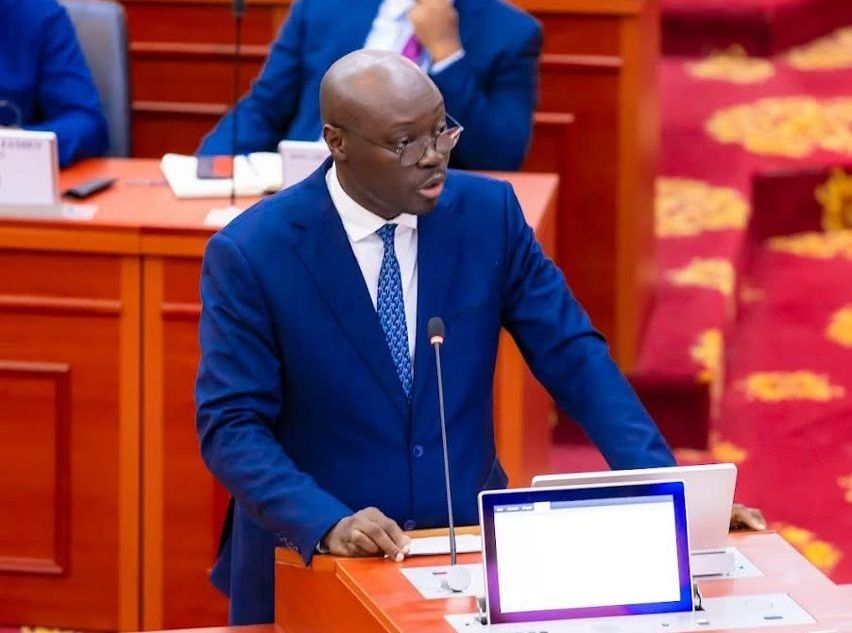
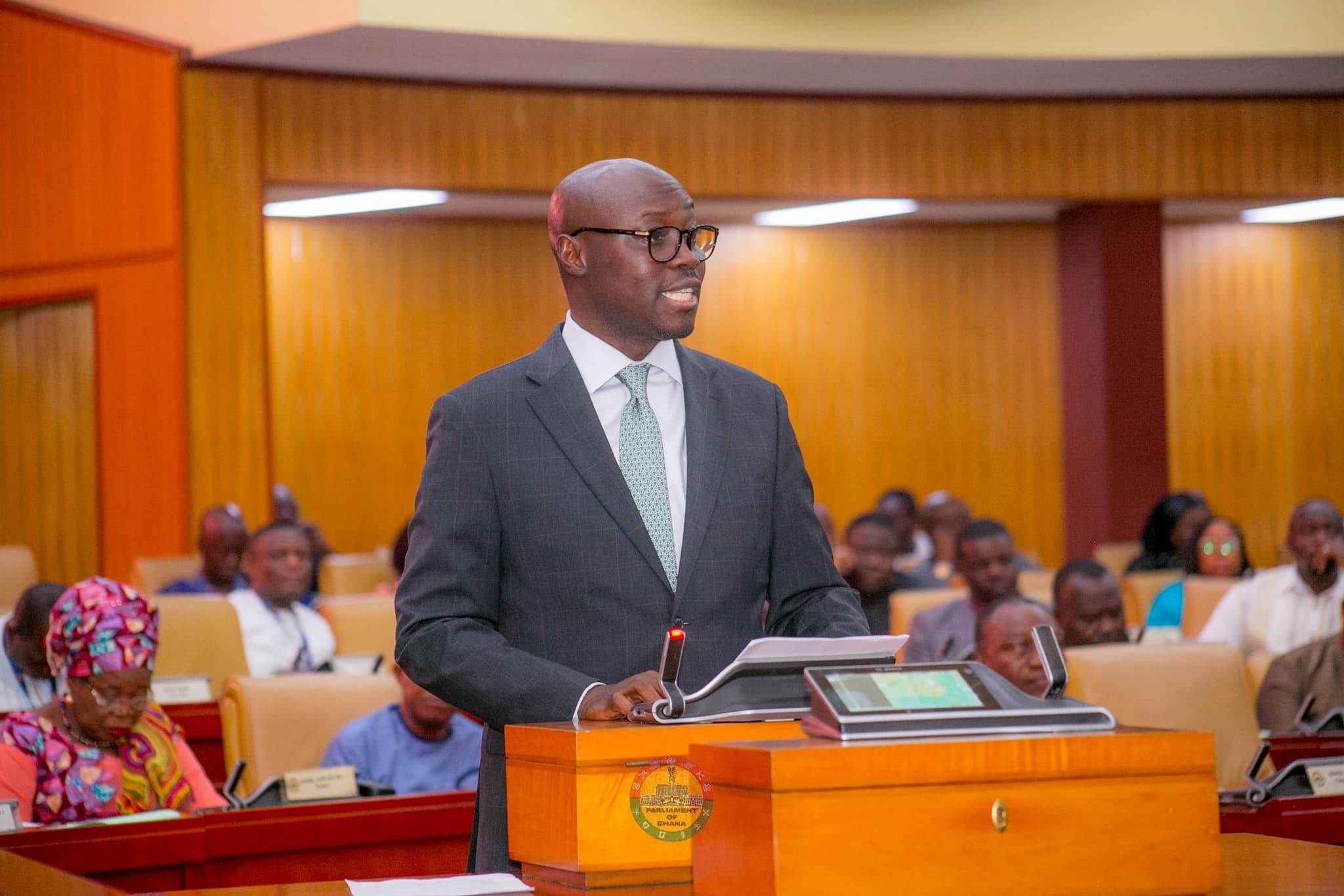
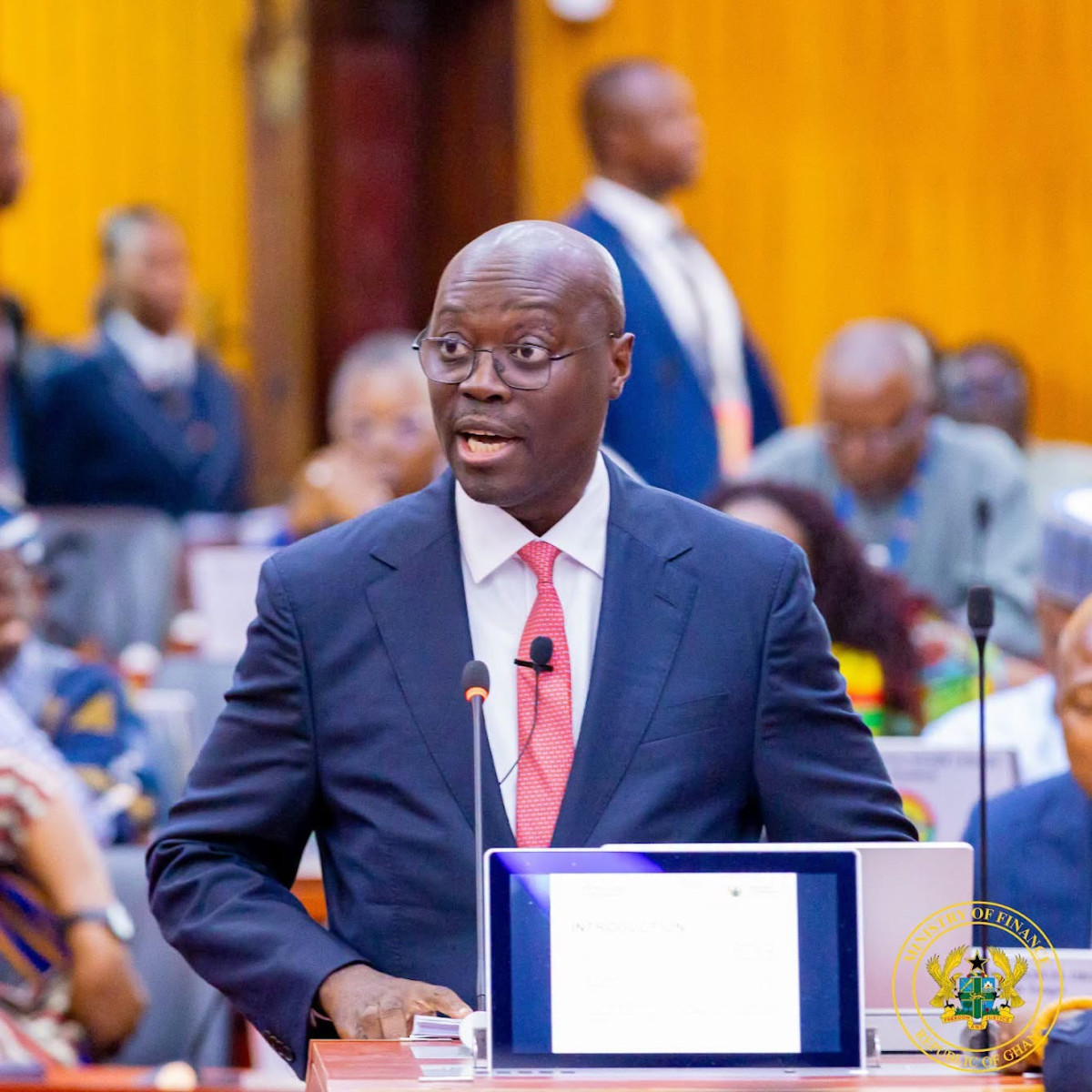
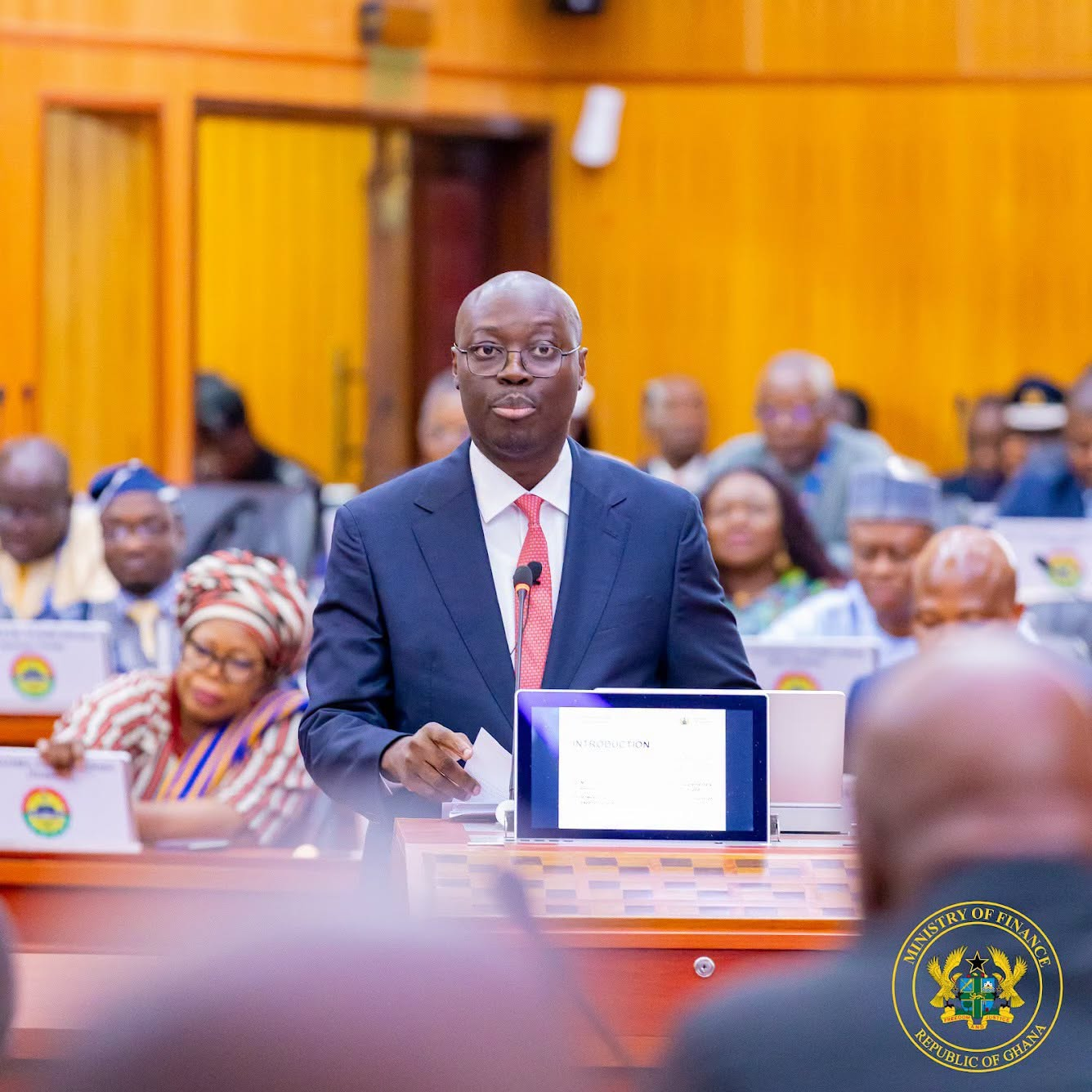
Finance Minister Dr Cassiel Ato Forson presented the 2027 Budget Statement and Economic Policy to Parliament on Thursday, November 12, 2026, unveiling an eight-pillar US$10 billion New Economy programme and declaring that “stability has returned, confidence is back, and Ghanaians can breathe again.”
Finance Minister Dr Cassiel Ato Forson presented the 2027 Budget Statement and Economic Policy to Parliament on Thursday, November 12, 2026, under the theme “The New Economy, New Ghana, Jobs and Prosperity.”
Key Takeaways
- Finance Minister Dr Cassiel Ato Forson presented the 2027 Budget Statement and Economic Policy to Parliament on Thursday, November 12, 2026, under the theme "The New Economy, New Ghana, Jobs and Prosperity."
- The IMF debt sustainability analysis put debt above 100 per cent of GDP
- Rice Development Hubs in Afram Plains, the Volta Basin, Western Ghana and Northern Ghana, bringing 100,000 additional hectares under production, targeting five to six metric tonnes per hectare and supporting about 125,000 jobs
Presenting on the authority of President John Dramani Mahama and pursuant to Articles 179 and 180 of the 1992 Constitution and sections 21 and 23 of the Public Financial Management Act, 2016 (Act 921), the Minister moved that the House approve the Budget for the year ending 31st December 2027.
“Stability Has Returned”
Ghana has made significant gains and has emerged from the most painful economic crisis in our history,” Dr Forson told the House. “Stability has returned. Confidence is back. Ghanaians can breathe again.”
He framed the Budget as a decision about what to do with that breathing space — invoking “the young graduate searching for a job; the farmer seeking a reliable market; the market woman whose capital was eroded by inflation; the pensioner whose life savings were wiped out overnight by the debt restructuring; and the entrepreneur with the courage to build but without affordable long-term finance.
The Crisis in Numbers
The Minister revisited the 2022 collapse with specific figures. By the end of that year:
-
Inflation reached 54.1 per cent
-
The primary balance stood at a deficit of 4.3 per cent of GDP
-
The IMF debt sustainability analysis put debt above 100 per cent of GDP
-
Gross international reserves had fallen to less than three weeks of import cover
By the end of 2025, he said, within one year:
-
Inflation had fallen from 23.8 per cent to 5.4 per cent
-
The primary balance had improved from a deficit of 4.1 per cent to a surplus of 2.5 per cent of GDP
-
Public debt had declined to 44.7 per cent of GDP
-
Gross international reserves had risen to 5.7 months of import cover
He acknowledged the human cost that no statistic can refund: “We owe them a country that honours their sacrifices and ensures that the hardship they have endured does not become their children’s inheritance.”
The Structural Diagnosis
Dr Forson argued that Ghana has historically created fiscal space and then failed to direct it with purpose. Once the immediate pressure eased, scarce resources were spread thinly across competing demands; projects multiplied without rigorous appraisal; and short-term consumption crowded out investment in productive capacity.
We repaired the public finances but did not use the recovery to alter the structure of the economy,” he said. “Before long, the productive base remained too narrow to carry the obligations of the State, and the cycle began again.”
He noted that between 1990 and 2025, real GDP growth averaged 5.2 per cent, but volatility concealed the weakness — and unemployment still stood at about 12.8 per cent in 2025.

The New Economy: US$10 Billion, Eight Pillars
Over four years, from 2027 to 2030, Government will spend US$10 billion across eight connected pillars:
-
Macroeconomic stability and affordable finance
-
Commercial agriculture
-
Energy infrastructure
-
Critical minerals value addition
-
Tourism, culture and creative arts
-
Textiles and garments
-
Pharmaceuticals and biomanufacturing
-
The technology economy
“The pillars form one production system,” he said. Affordable finance must reach farmers, manufacturers and exporters; agriculture must supply food and industrial raw materials; reliable energy must support a 24-hour economy; minerals and cocoa must gain value in Ghana before export.

Government will “preserve stability, provide strategic infrastructure, prepare bankable projects and create predictable conditions for enterprise,” while “the private sector will carry the principal responsibility for investment, innovation, production and sustainable employment.
Financing the Programme
Two fiscal measures will fund the programme: reducing the primary surplus target by 1 percentage point of GDP over the period, and tax reforms already approved by Parliament plus compliance measures expected to generate 0.5 per cent of GDP.
“In 2027, we will invest 1.5 per cent of GDP, equivalent to GH¢30 billion, in the New Economy,” he said.
Pillar One: Stability and Affordable Finance
From 2027, Government will maintain a positive primary balance of at least 0.5 per cent of GDP, keep public debt consistent with 45 per cent of GDP, preserve single-digit inflation and strengthen external buffers.
By 2030, the targets are real GDP growth of about 8 per cent, unemployment below 8 per cent, and a credible path to investment-grade sovereign credit rating.
“Investment-grade sovereign rating cannot be conferred by a speech. It must be earned through sustained performance,” he said, announcing an annual Investment-Grade Readiness Report covering fiscal performance, debt affordability, reserves, monetary credibility, financial sector strength, institutional quality and economic diversification.
On finance, he pledged to “bring the cost of capital into single digits,” working through Development Bank Ghana, Ghana EXIM Bank and participating financial institutions, with credit guarantees, equipment leasing and export finance.
Pillar Two: US$3 Billion Commercial Agriculture
The agricultural pillar will build eight integrated industries: rice, sugar, poultry, maize and soya feed, aquaculture, oil palm, vegetables and cocoa value addition.
Key commitments include:
-
Rice Development Hubs in Afram Plains, the Volta Basin, Western Ghana and Northern Ghana, bringing 100,000 additional hectares under production, targeting five to six metric tonnes per hectare and supporting about 125,000 jobs
-
Amending public procurement laws so that public funds spent on rice for schools and hospitals purchase only Ghanaian-grown food: “If you use Ghana’s money to buy rice, you must buy Ghana rice!”
-
Rice import licences tied to purchases from verified Ghanaian farmers and millers from 2027, with commercial rice imports prohibited by 2030
-
Sugar self-sufficiency by 2030
-
A full poultry value chain, with feed at 60–70 per cent of production costs addressed through maize and soya clusters
-
Closing the 500,000-metric-tonne fish supply gap through aquaculture
-
100,000 new hectares of oil palm, backed by a US$500 million patient-finance window with a five-year moratorium — with land identified and World Bank financing agreed, to be presented to Parliament
-
US$1 billion for the Pwalugu Multi-purpose Dam, irrigating 25,000 hectares, housing 1,000 fish cages, and generating 70 MW of hydropower, with first phase by early 2029 and full completion by December 2030
-
50 per cent local cocoa processing by 2028 and 100 per cent by 2030, completing a transition towards a ban on raw cocoa exports
Pillar Three: US$2.2 Billion Energy Infrastructure
“In 2025, the annual energy sector shortfall was about US$1.4 billion, while arrears to IPPs and fuel suppliers stood at about US$1.7 billion,” Dr Forson said.

In December 2026, Government will start construction of a 1,450-megawatt thermal power plant at Kafodzidzi-Abrobeano in the Central Region, fully funded and owned by the state — 600 MW by December 2028 and the remaining 850 MW by December 2030 — using about 150 million standard cubic feet of additional gas per day from Sankofa and Jubilee.
It will also build a 600 MW state-owned solar plant with 2,000 MWh of battery storage, dedicate US$500 million from 2027 to 2030 to modernise transmission through GRIDCo, deploy 2 million prepaid meters, and fully implement performance-based private-sector participation in electricity distribution by end-2027.
“By 2030, Ghana will phase out emergency power plants,” he said, targeting a reduction in generation costs from about 16 US cents per kilowatt-hour to 8 US cents or less.
Government will also invest US$200 million in a 24-month nuclear-readiness programme from January 2027 to December 2028, aiming to sign an EPC and financing contract for a fully state-owned nuclear baseload plant, and train over 2,000 scientists. “Nuclear power readiness in 2028 does not mean nuclear power generation in 2028,” he cautioned.
Pillar Four: US$1.5 Billion Critical Minerals
The minerals pillar targets manganese, bauxite, lithium and gold, measured by value retained, export earnings per tonne, skilled jobs, Ghanaian suppliers, technology transfer and environmental performance.
Commitments include:
-
At least 70 per cent of artisanal and small-scale gold refined locally by December 2027, reaching 100 per cent by December 2028, when all exports of raw ASM gold will be prohibited
-
At least 50 per cent of manganese and bauxite processed locally by end-2028, and 100 per cent by end-2030, with raw exports prohibited
-
A 24-hour critical-minerals processing enclave in the Western Region
-
A railway line from Takoradi to Nyinahin beginning 2027, through Nsuta and Awaso, extended north from Nyinahin to Hamile from 2030, with an inland port at Hamile serving Burkina Faso, Mali, Niger and the Sahel
-
Takoradi Port developed as Ghana’s principal maritime gateway to the Sahel
Pillar Five: US$1 Billion Tourism, Culture and Creative Arts
“We will invest US$1 billion to turn these strengths into a year-round visitor economy,” Dr Forson said, with December in Ghana as an anchor while heritage journeys, ancestry services and the creative arts create reasons to visit throughout the year.
The Black Star Experience will run through all twelve months.
Government will conserve forts, castles and Trans-Atlantic Slave Trade sites, strengthen museums and archives, and make Ghana “West Africa’s destination of choice for international conferences and business tourism.”
SSNIT will build and operate an ultra-modern international convention centre at the La Trade Fair Centre, with tax incentives to build by 2030: five-star hotels in Accra and Kumasi, four-star hotels in the Cape Coast–Elmina heritage corridor, the Volta Region and Northern Ghana. A new National Theatre in Kumasi will be completed, and a Ghana Medical Tourism Hub established with targeted tax incentives.
Pillar Six: US$1 Billion Textiles and Garments
Government will invest US$1 billion to make Ghana’s textile and garment industry competitive in global fashion markets, with the ambition of “fabrics made in Ghana; garments sewn in Ghana; and Ghanaian brands sold across the world,” supporting modernised mills, expanded garment factories, and dedicated industry enclaves with serviced land, reliable power, industrial water and factory buildings.
Quick Facts
Finance Minister Dr Cassiel Ato Forson presented Ghana’s 2027 Budget, themed “The New Economy, New Ghana, Jobs and Prosperity,” on November 12, 2026, moving that Parliament approve the Budget for the year ending 31 December 2027 under Articles 179 and 180 and Act 921.
The US$10 billion, four-year programme (2027–2030) rests on eight pillars, financed by a 1 percentage point reduction in the primary surplus target and 0.5 per cent of GDP in tax and compliance measures, with GH¢30 billion (1.5 per cent of GDP) committed in 2027.
Targets include a primary balance of at least 0.5 per cent of GDP, debt at 45 per cent of GDP, single-digit inflation, and by 2030 growth of about 8 per cent and unemployment below 8 per cent with a path to investment grade, tracked through an annual Investment-Grade Readiness Report.
Flagship commitments include US$3 billion for commercial agriculture** (rice hubs adding **100,000 hectares** and **125,000 jobs**, rice imports banned by **2030**, **100 per cent cocoa processing by 2030**, **US$1 billion Pwalugu Dam), US$2.2 billion for energy** (**1,450 MW state thermal plant**, **600 MW solar with 2,000 MWh storage**, **US$500 million grid upgrade, 2 million prepaid meters, US$200 million nuclear readiness**), **US$1.5 billion for minerals (local refining of ASM gold, manganese and bauxite, Takoradi–Nyinahin railway), US$1 billion each for tourism and textiles, plus pharmaceuticals and the technology economy.
Source: Accra Street Journal
Last Updated on November 13, 2026 by Samuel Kwame Boadu
Disclaimer: Some content on Accra Street Journal may be aggregated, summarized, or edited from third-party sources for informational purposes. Images and media are used under fair use or royalty-free licenses. Accra Street Journal is a subsidiary of SamBoad Publishing Hub under SamBoad Business Group Ltd, registered in Ghana since 2014.
For concerns or inquiries, please visit our Privacy Policy or Contact Page.

Samuel Kwame Boadu is a Ghanaian media entrepreneur and storyteller with a passion for amplifying urban voices and uncovering everyday truths. He is the Editor-in-Chief and Founder of Accra Street Journal, a dynamic digital platform dedicated to capturing the pulse of Ghana’s capital—its people, culture, challenges, business, sports and innovations.
Use the following reference when citing or referencing this article.
Your feedback helps us improve our journalism.
Report an Error
Help us maintain accuracy. Let our editorial team know if you spot an issue in this article.
Report a problem with this article