

5 min read
Ghana’s Treasury is allocating GH¢10.1 billion to the Ministry of Defence in its 2027 Budget, sustaining a multi-year military modernisation drive aimed at securing offshore oil installations, countering Sahelian jihadist spillover along the northern frontier and upgrading troop barracks nationwide.
Ghana’s Treasury is allocating GH¢10.1 billion to the Ministry of Defence in its 2027 budget, sustaining a multi-year military modernisation drive aimed at securing offshore oil installations, countering Sahelian jihadist spillover along the northern frontier and upgrading troop barracks nationwide.
Key Takeaways
- Combined with the Interior Ministry's GH¢15.5 billion allocation, Ghana's total national security envelope reaches GH¢25.6 billion for 2027.
- Because the Ghana Armed Forces (GAF) maintains roughly 15,500 active-duty personnel alongside international United Nations peacekeeping deployments, payroll and operational logistics consume the majority of the ministry's vote.
- Continues financing under the government's multi-year retooling programme — initiated in 2026 to acquire four modern helicopters, two fixed-wing aircraft and armoured vehicles — expanding rapid airlift, medical evacuation and aerial surveillance capabilities.
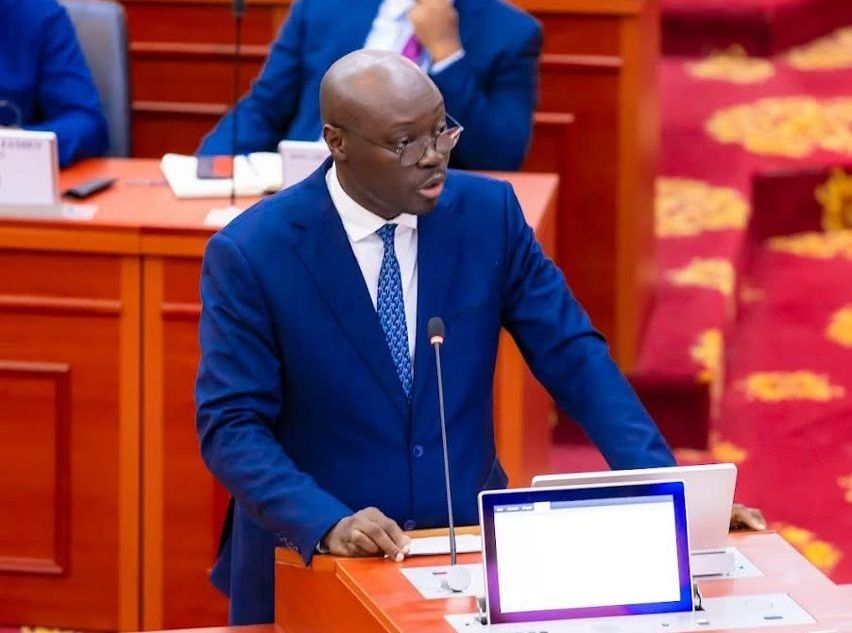
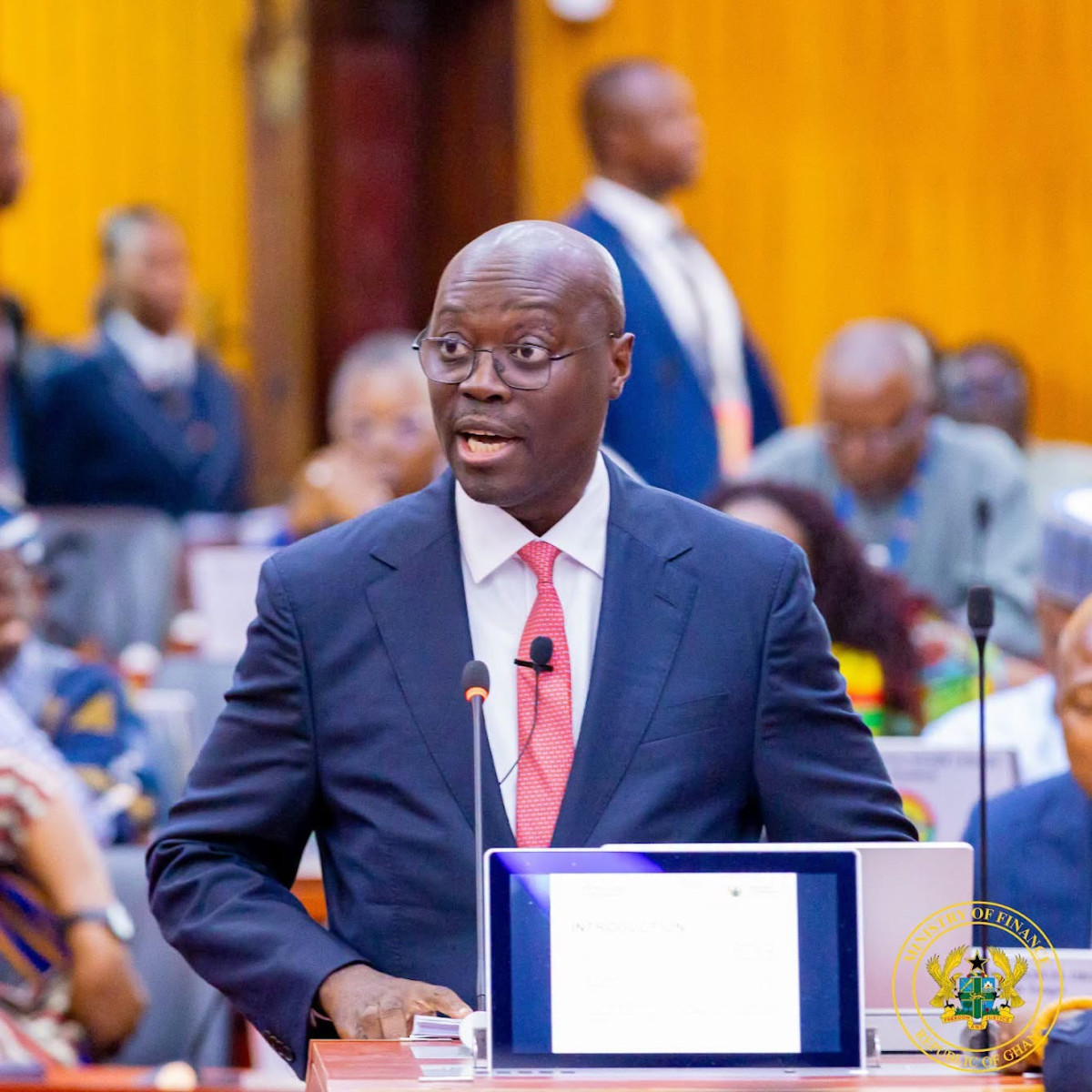
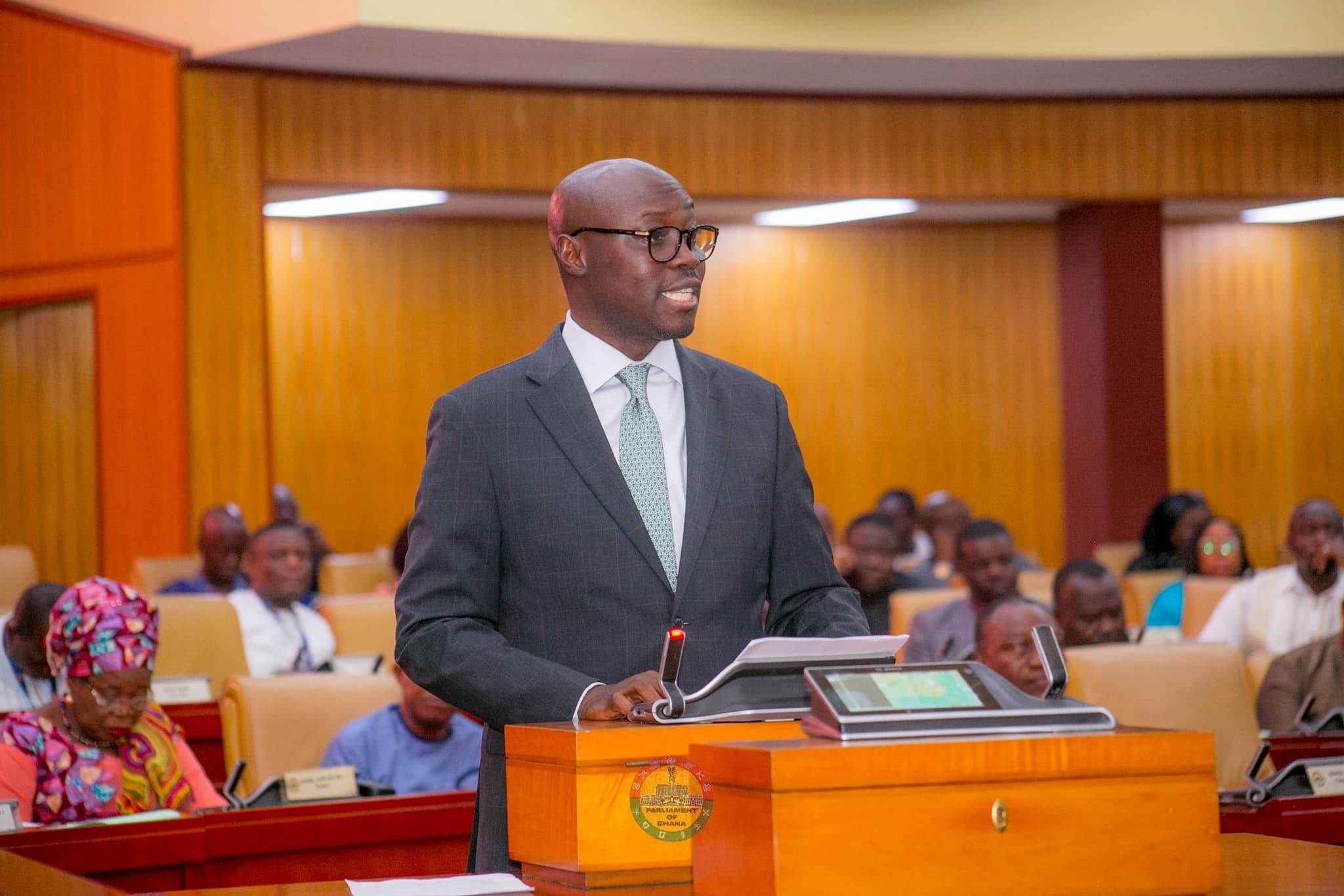
Unveiled to Parliament Thursday evening by Finance Minister Dr Cassiel Ato Forson within a GH¢389.2 billion national expenditure plan, the vote slightly moderates the historic GH¢10.77 billion baseline approved for 2026 while locking in multi-year capital commitments across the Army, Navy and Air Force.
Combined with the Interior Ministry’s GH¢15.5 billion allocation, Ghana’s total national security envelope reaches GH¢25.6 billion for 2027.
The slight reduction from 2026 is notable given the regional security environment. It suggests that the multi-year procurement commitments are now embedded in the baseline rather than requiring annual increases — and that the government is choosing to expand domestic policing faster than military spending.
Inside the GH¢10.1 Billion Defence Envelope
Because the Ghana Armed Forces (GAF) maintains roughly 15,500 active-duty personnel alongside international United Nations peacekeeping deployments, payroll and operational logistics consume the majority of the ministry’s vote.
However, the 2027 fiscal plan directs targeted capital toward strategic hardware and infrastructure.
Naval maritime security — GH¢405 million. Dr Ato Forson earmarked GH¢405 million specifically toward acquiring two offshore patrol vessels for the Ghana Navy, bolstering maritime domain awareness across the Gulf of Guinea to protect offshore oil and gas platforms and curb piracy and illegal fishing.
That line item connects directly to Ghana’s fiscal interests. Offshore oil and gas installations in the Tano and Cape Three Points areas generate a substantial share of state revenue; piracy and illegal fishing in adjacent waters impose measurable losses on the fishing economy and on insurer confidence in the maritime zone.
Multi-year Air Force and ground retooling. Continues financing under the government’s multi-year retooling programme — initiated in 2026 to acquire four modern helicopters, two fixed-wing aircraft and armoured vehicles — expanding rapid airlift, medical evacuation and aerial surveillance capabilities.
Northern border defences and barracks regeneration. Sustains capital outlays for Forward Operating Bases (FOBs) along Ghana’s northern frontier — including the Ezinlibo base and Northern Border Security Project — alongside ongoing barracks regeneration works highlighted by Defence Minister Kenneth Gilbert Adjei earlier this week to ease severe troop accommodation deficits.

The barracks component is often underreported but carries direct readiness implications. Troop accommodation shortages affect retention, discipline and the ability to deploy personnel to border regions on sustained rotations.
Geopolitical Pressures on Accra’s Ledger
For regional security analysts and offshore energy operators, Ghana’s sustained double-digit cedi defence spending reflects an increasingly volatile neighbourhood.

With militant insurgencies entrenched in neighbouring Burkina Faso and coastal West Africa facing persistent maritime threats, Accra has prioritised deterrence and rapid-response mobility over deep austerity cuts in the military budget.
That calculus is not purely military. Ghana’s northern border regions have recorded incursions and infiltration attempts, and the government’s broader economic programme — including agricultural investment in the north — depends on a security environment that permits farming, trade and transport.
The Execution Test
For fiscal observers, the primary test in 2027 will be timely capital disbursement and foreign-exchange management.
Because specialised naval vessels, aircraft and radar systems are priced in U.S. dollars and euros, executing procurement schedules without triggering unplanned foreign-currency drawdowns will require strict adherence to multi-year milestone payments from the Treasury.
The currency dimension is acute. Ghana’s reserves stand in the region of $11–14 billion, and defence procurement competes directly with fuel imports and external debt service for hard currency. A slip in payment scheduling on a naval contract can translate into penalty clauses, delayed delivery or, worse, a renegotiated price.
Quick Facts
Ghana’s 2027 Budget allocates GH¢10.1 billion to the Ministry of Defence, slightly below the GH¢10.77 billion approved for 2026, within a GH¢389.2 billion total expenditure plan, and combined with the Interior Ministry’s GH¢15.5 billion brings the national security envelope to GH¢25.6 billion.
The ministry supports roughly 15,500 active-duty personnel plus UN peacekeeping deployments, with capital lines including GH¢405 million for two offshore patrol vessels for the Ghana Navy to protect Gulf of Guinea oil and gas platforms, piracy patrols and anti-illegal-fishing operations.
It continues a multi-year retooling programme initiated in 2026 for four modern helicopters, two fixed-wing aircraft and armoured vehicles, expanding airlift, medical evacuation and surveillance, alongside Forward Operating Bases on the northern frontier including the Ezinlibo base and Northern Border Security Project, and barracks regeneration highlighted by Defence Minister Kenneth Gilbert Adjei.
Execution risk centres on timely capital disbursement and foreign-exchange management, since naval vessels, aircraft and radar systems are priced in dollars and euros and require adherence to multi-year milestone payments.
Source: Accra Street Journal

Last Updated on November 12, 2026 by Samuel Kwame Boadu
Disclaimer: Some content on Accra Street Journal may be aggregated, summarized, or edited from third-party sources for informational purposes. Images and media are used under fair use or royalty-free licenses. Accra Street Journal is a subsidiary of SamBoad Publishing Hub under SamBoad Business Group Ltd, registered in Ghana since 2014.
For concerns or inquiries, please visit our Privacy Policy or Contact Page.

Samuel Kwame Boadu is a Ghanaian media entrepreneur and storyteller with a passion for amplifying urban voices and uncovering everyday truths. He is the Editor-in-Chief and Founder of Accra Street Journal, a dynamic digital platform dedicated to capturing the pulse of Ghana’s capital—its people, culture, challenges, business, sports and innovations.
Use the following reference when citing or referencing this article.
Your feedback helps us improve our journalism.
Report an Error
Help us maintain accuracy. Let our editorial team know if you spot an issue in this article.
Report a problem with this article