








Domestic violence is not a private family matter. In Ghana, it is a crime under the Domestic Violence Act, 2007 (Act 732), and there is a formal system designed to protect victims, investigate complaints, and prosecute offenders. But knowing where to go, what to expect, and what your rights are can be the difference between getting help and staying trapped. Here is the complete ASJ guide to the support available.
The Law: What Counts as Domestic Violence
Under Act 732, domestic violence is defined broadly. It includes physical, sexual, economic, and emotional abuse within existing or former family relationships. A single act can qualify as domestic violence .

The Act covers violence between spouses, former spouses, partners, family members, and people in close domestic relationships. It also criminalises rape within marriage, linking the Domestic Violence Act to the Criminal Offences Act.
📢 GET A DETAILED ARTICLES + JOBS
Join ASJ's WhatsApp Channel and never miss a post or opportunity.

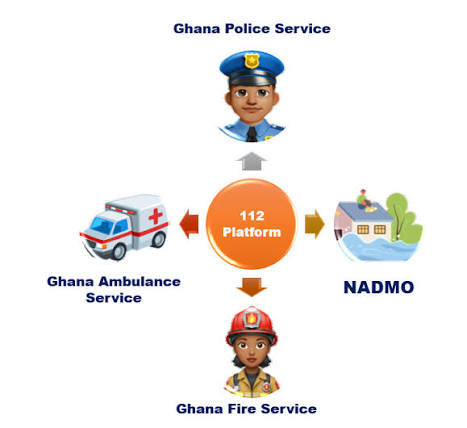
The law imposes a duty on police officers to respond to requests for assistance—even when the person reporting is not the victim themselves .
DOVVSU: The Front Door for Support
The Domestic Violence and Victims Support Unit (DOVVSU) of the Ghana Police Service is the primary agency for handling domestic violence cases. It was established in October 1998 as the Women and Juvenile Unit (WAJU) and renamed DOVVSU in 2005 to make it accessible to all victims, not just women and children.

What DOVVSU Does
DOVVSU is described as a “one-stop centre of services for victims of abuse.” Its functions include :
-
Investigating all offences related to vulnerable groups
-
Handling gender-based violence cases, including domestic violence and child abuse
-
Prosecuting offenders where necessary
-
Providing free services to the public
-
Referring victims for medical services and specialised help to clinical psychologists, social workers, and counsellors
-
Collaborating with NGOs and civil society organisations
The DOVVSU Helpline
055-100-0900 is the dedicated DOVVSU helpline . This is the number to call if you or someone you know is experiencing domestic violence.
The One-Stop Centre
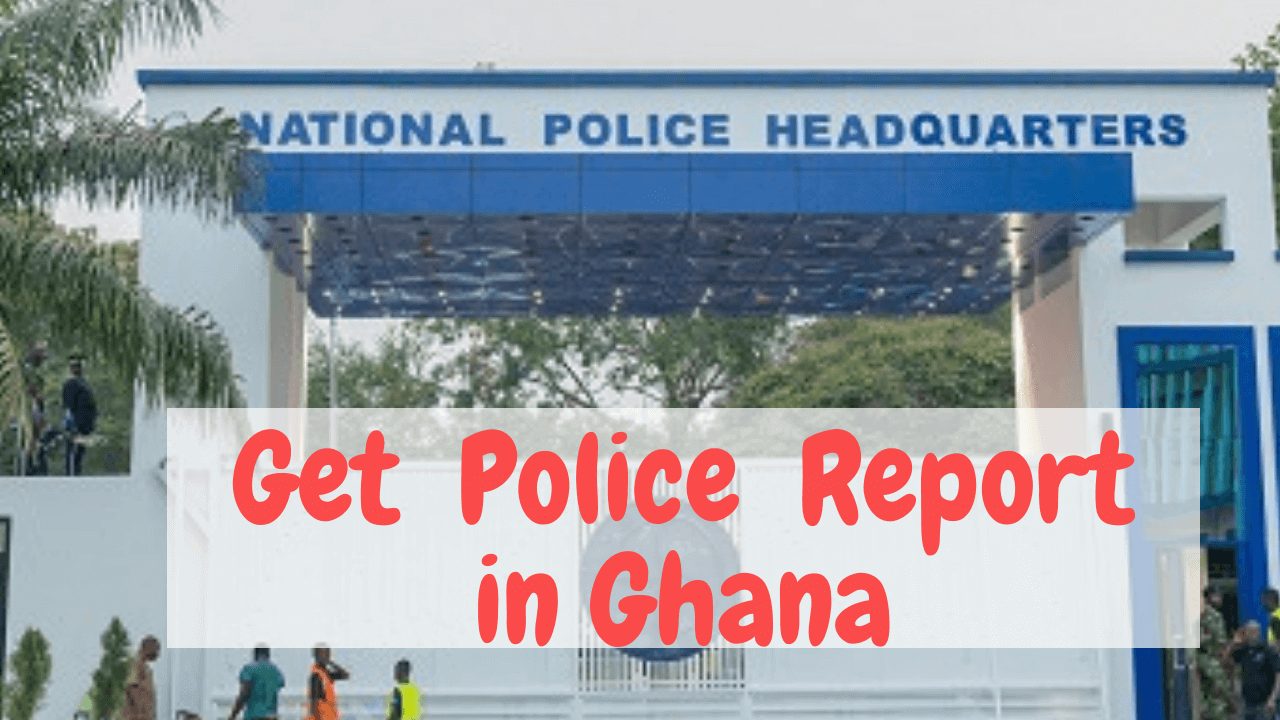
DOVVSU has established an ultra-modern One-Stop Centre at the Police Headquarters in Accra. The facility includes :
-
Child-friendly district and circuit courts
-
Shelter services
-
Social welfare officers
-
Legal aid officers
-
Clinical psychologists
-
Soundproof interview rooms
-
A clinic
-
A playroom
-
A 24-hour helpline
The Centre is designed to reduce the burden on survivors by bringing medical care, psychosocial support, and legal processes into a single, integrated space .
What Happens When You Report
When you file a complaint at DOVVSU, the police officer is required by law to :
-
Interview you and any witnesses, including children
-
Record the complaint in detail and provide you with an extract in a language you understand
-
Assist you to obtain medical treatment, including issuing a police medical form
-
Assist you to a place of safety if you express concern about your safety
-
Protect you to retrieve personal belongings where applicable
-
Advise you on preserving evidence
-
Inform you of your rights and available services
Free medical treatment: A victim of domestic violence who is assisted by the police to obtain medical treatment is entitled to free medical treatment from the State. In an emergency or life-threatening situation, you can receive free medical treatment even before filing a police complaint .
Arrest and Prosecution
Police can arrest a suspect without a warrant if :
-
The act is committed in the presence of the officer
-
The officer has reasonable suspicion the person committed the offence
-
The officer has reasonable cause to believe a protection order has been violated
Suspects are arraigned before court within 48 hours. If the suspect is considered dangerous or likely to flee, they may be remanded in custody .
Protection Orders
If you need legal protection from further abuse, you can apply to a Court for a protection order. The application can be filed where you reside, where the respondent resides, or where the violence occurred .

The court can issue the order to prevent the respondent from carrying out threats or further acts of domestic violence. The application is typically made ex parte (without the other party present), unless the court orders otherwise .
Other Support Services
The Orange Support Centre
Established by the Ministry of Gender, Children and Social Protection, the Orange Support Centre provides integrated services to survivors of sexual and gender-based violence. It operates a 24-hour toll-free call centre<span class=””> and offers counselling, legal and medical support. It is complemented by the BOAME (Help Me) mobile application .
The Ark Foundation
The Ark Foundation is one of Ghana’s leading institutions providing shelter, counselling, legal aid, and psychosocial support to abused women and vulnerable children. The Ministry of Gender has supported the Foundation with essential items and funding for operational costs.
The Domestic Violence Victim Support Fund
The government has operationalised a Domestic Violence Victim Support Fund, which provides financial assistance to survivors and supports their rehabilitation and reintegration .
The Healing Garden
A therapeutic garden has been established behind the DOVVSU One-Stop Centre in Accra. It provides a calm outdoor space where counselling sessions can take place. The Director of DOVVSU, ACP Owusuwaa Kyeremah, explained: “We believe in the power of nature. Sometimes survivors need a calm environment where they can release the heaviness they carry .
The Reality: Gaps in the System
The formal system exists, but it is not perfect. Research and assessments have identified significant gaps.
Shelter shortages. There are limited shelters for adult victims. Some survivors end up returning to the same home as the abuser because they have nowhere else to go .
Post-case support. After a case is determined—whether through court, alternative dispute resolution, or a police caution—there is often little or no support for the victim. A rape victim who becomes pregnant may see the perpetrator jailed but receive no further support for herself and the child .
Geographic disparities. Domestic violence prevalence varies sharply by district. Districts in the Central, Savannah, and Volta regions record the highest rates of physical and emotional violence, reaching 44–46 percent in many districts. Access to services is uneven, with rural and remote districts particularly underserved .
Awareness and reporting. Many survivors never report due to stigma, fear, and doubt about whether institutions will respond with genuine care .
What to Do If You or Someone You Know Is Experiencing Domestic Violence
Call the DOVVSU helpline: 055-100-0900 .

Go to the nearest DOVVSU office or police station. The police are legally obligated to respond and assist you .
Seek medical attention. Ask for a police medical form. Treatment is free under the law .
Consider a protection order. A court can order the abuser to stay away .
Contact the Orange Support Centre for counselling, legal aid, and medical support .
Reach out to The Ark Foundation for shelter and psychosocial support .
Tell someone you trust. The law allows anyone—not just the victim—to report domestic violence to the police .
Quick Facts
| Topic | Details |
|---|---|
| Governing Law | Domestic Violence Act, 2007 (Act 732) |
| Primary Agency | DOVVSU, Ghana Police Service |
| DOVVSU Helpline | 055-100-0900 |
| Free Medical Treatment | Entitled under Act 732 |
| Arrest Without Warrant | Permitted under specified conditions |
| Court Appearance | Within 48 hours |
| Protection Orders | Available from the Court |
| Other Support | Orange Support Centre, Ark Foundation, Victim Support Fund |
Frequently Asked Questions
1. What is the DOVVSU helpline number?
The DOVVSU helpline is 055-100-0900 .
2. What is DOVVSU?
The Domestic Violence and Victims Support Unit of the Ghana Police Service. It investigates domestic violence cases, protects victims, and prosecutes offenders .
3. Can I get free medical treatment if I report domestic violence?
Yes. Under Act 732, a victim assisted by the police to obtain medical treatment is entitled to free medical treatment from the State. In an emergency, you can receive free treatment even before filing a police complaint .
4. Can the police arrest my abuser without a warrant?
Yes, under certain conditions. Police can arrest without a warrant if the act is committed in their presence, if they have reasonable suspicion the person committed the offence, or if a protection order has been violated .
5. How do I get a protection order?
Apply to a Court where you reside, where the respondent resides, or where the violence occurred. The application is typically made ex parte .
6. Can someone else report domestic violence on my behalf?
Yes. The law states that a police officer shall respond to a request for assistance even when the person reporting is not the victim .
7. What happens after I report to DOVVSU?
The police will interview you and witnesses, record the complaint, assist with medical treatment, help you find a place of safety if needed, and inform you of your rights. Suspects are arraigned in court within 48 hours .
8. Are there shelters for domestic violence victims in Ghana?
Shelter availability is limited. The Ark Foundation provides shelter and support. The DOVVSU One-Stop Centre includes shelter services. However, research notes there are gaps, particularly for adult victims in rural areas .
9. What is the Orange Support Centre?
It is a centre established by the Ministry of Gender, Children and Social Protection that provides integrated services to survivors of sexual and gender-based violence, including a 24-hour toll-free call centre, counselling, legal and medical support, and the BOAME mobile application .
10. What is the Domestic Violence Victim Support Fund?
It is a government fund that provides financial assistance to survivors of sexual and gender-based violence and supports their rehabilitation and reintegration
Source: Accra Street Journal
Last Updated on October 29, 2026 by Samuel Kwame Boadu
Disclaimer: Some content on Accra Street Journal may be aggregated, summarized, or edited from third-party sources for informational purposes. Images and media are used under fair use or royalty-free licenses. Accra Street Journal is a subsidiary of SamBoad Publishing Hub under SamBoad Business Group Ltd, registered in Ghana since 2014.
For concerns or inquiries, please visit our Privacy Policy or Contact Page.

Samuel Kwame Boadu is a Ghanaian media entrepreneur and storyteller with a passion for amplifying urban voices and uncovering everyday truths. He is the Editor-in-Chief and Founder of Accra Street Journal, a dynamic digital platform dedicated to capturing the pulse of Ghana’s capital—its people, culture, challenges, business, sports and innovations.