

6 min read
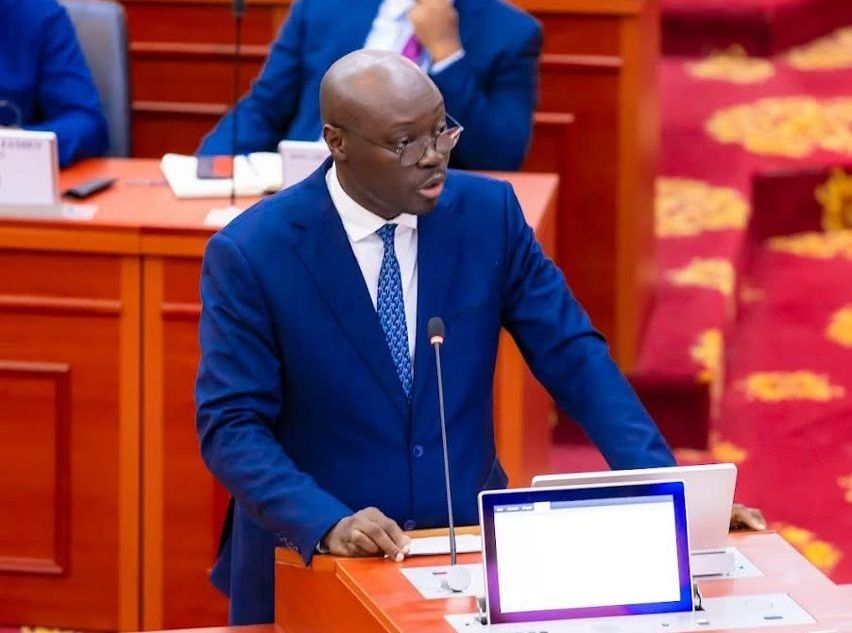
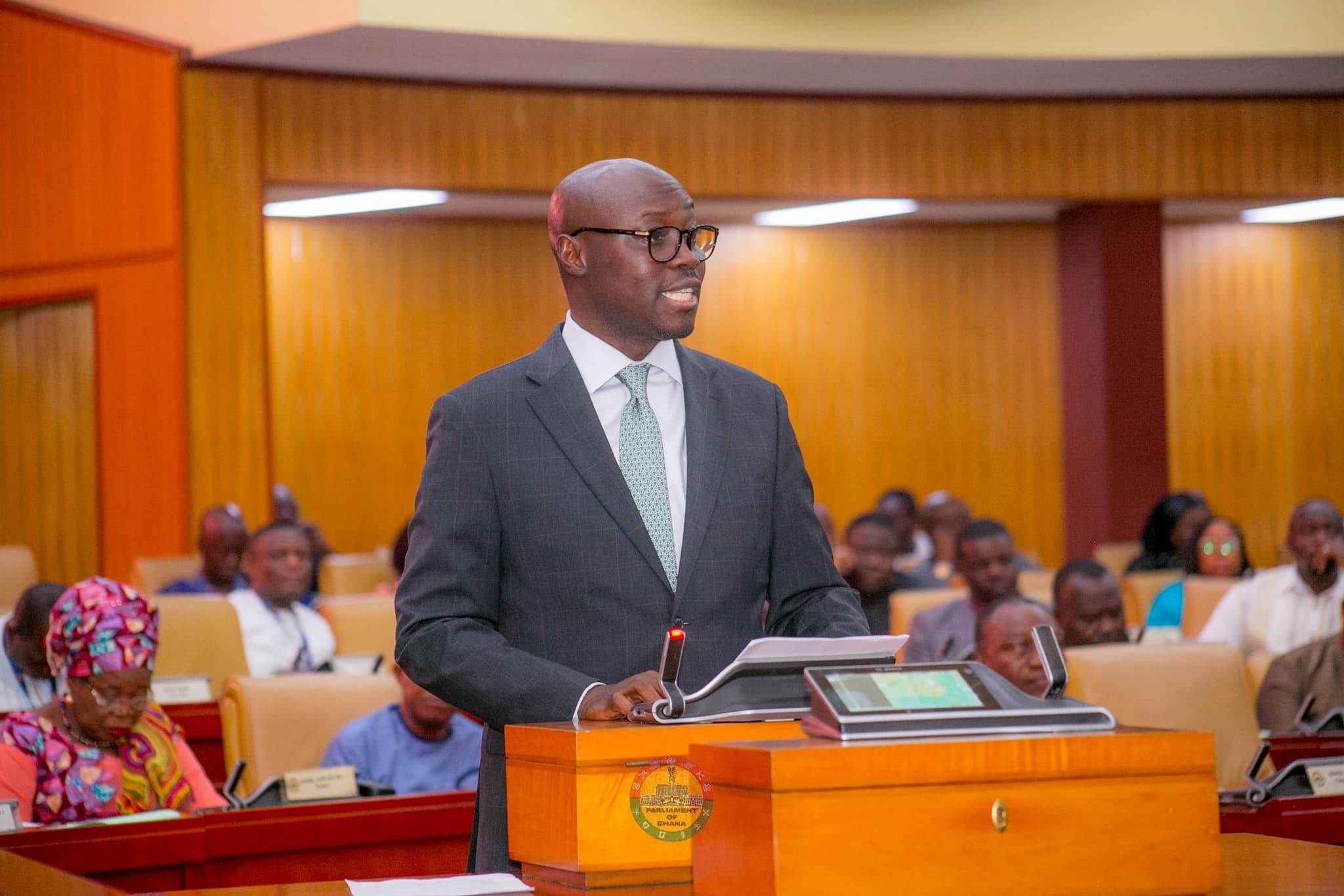
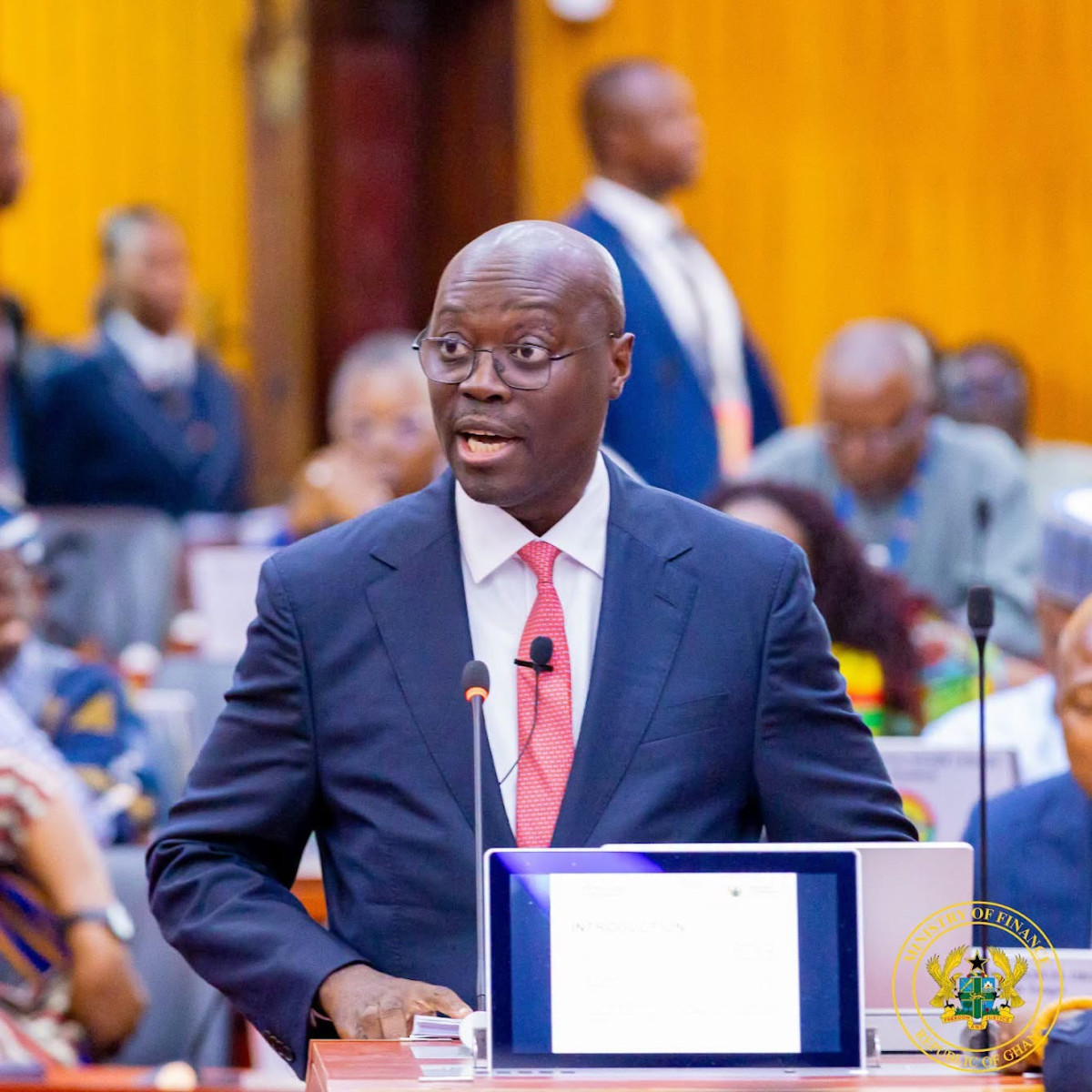
Finance Minister Cassiel Ato Forson has announced a US$10 billion, four-year New Economy programme built on eight interconnected pillars, targeting real GDP growth of about 8 per cent, unemployment below 8 per cent and a credible path to investment-grade status by 2030.
Finance Minister Dr Cassiel Ato Forson has announced that the government plans to invest the equivalent of US$10 billion over four years to build a modern Ghanaian economy, create jobs and improve living standards.
Key Takeaways
- Over a four-year period, from 2027 to 2030, the government will spend US$10 billion equivalent to create a modern Ghanaian economy for jobs and prosperity," he said.
- The government is targeting real GDP growth of about 8 per cent and an unemployment rate below 8 per cent by 2030, alongside a credible path towards securing an investment-grade sovereign credit rating.
- "By 2030, we are targeting real GDP growth of about 8%, unemployment below 8%, and a credible path to an investment-grade sovereign credit rating," Dr Forson said.
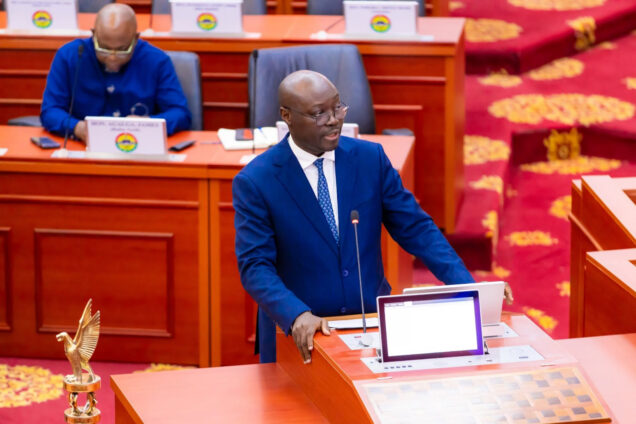
Presenting the 2027 Budget and the government’s New Economy agenda to Parliament on Thursday, November 12, 2026, the Finance Minister said the programme would run from 2027 to 2030 and focus on eight interconnected pillars aimed at expanding production, strengthening key industries and creating opportunities for Ghanaians.
Over a four-year period, from 2027 to 2030, the government will spend US$10 billion equivalent to create a modern Ghanaian economy for jobs and prosperity,” he said.
The Eight Pillars
-
Macroeconomic stability and affordable finance
-
Commercial agriculture
-
Energy infrastructure
-
Critical minerals value addition
-
Tourism, culture and creative arts
-
Textiles and garments
-
Pharmaceuticals and manufacturing, including biomanufacturing
-
The technology economy
According to the Finance Minister, the pillars are designed to work together as one productive system, with each sector supporting the growth of the others.
“Affordable finance must reach farmers, manufacturers and exporters. Agriculture must supply food and industrial raw materials, while reliable energy must support a 24-hour economy,” he said.
The 2030 Targets
The government is targeting real GDP growth of about 8 per cent and an unemployment rate below 8 per cent by 2030, alongside a credible path towards securing an investment-grade sovereign credit rating.
“By 2030, we are targeting real GDP growth of about 8%, unemployment below 8%, and a credible path to an investment-grade sovereign credit rating,” Dr Forson said.
He stressed that an investment-grade rating could not be secured through declarations but would depend on sustained economic performance.
“Investment grade sovereign rating cannot be conferred in a speech. It must be earned through sustained performance,” he said.
The Readiness Report
He announced plans to publish an annual investment-grade readiness report assessing the country’s progress across key economic and institutional indicators.

The report will cover:
-
Fiscal performance
-
Debt affordability
-
Reserve accumulation
-
Monetary credibility
-
Financial sector strength
-
Institutional quality
-
Economic diversification
The publication mechanism is notable. By committing to an annual public scorecard, the government is creating a documented record against which its own claims — and the rating agencies’ assessments — can be judged.

Pillar One: Stability and Affordable Finance
The Finance Minister identified the sustainability of macroeconomic stability and access to affordable financing as the first pillar of the New Economy programme.
He said the government intended to maintain a positive primary surplus of at least 0.5 per cent of GDP from 2027, while keeping public debt consistent with a 45 per cent of GDP target.
“From 2027, we will maintain a positive primary surplus of at least 0.5% of GDP. We will keep public debt consistent with 45% of GDP. We will preserve single-digit inflation and strengthen our external buffers,” he said.
The government has completed its International Monetary Fund programme and says it is now focusing on economic transformation through the New Economy plan.
Value Addition and Priority Sectors
Dr Forson said the government wanted to ensure that more value was added to Ghana’s natural resources before they were exported. He identified minerals and cocoa as key commodities that should be processed locally to create more jobs and retain a greater share of their value in the country.
He said tourism, culture and the creative arts would be developed into stronger sources of business opportunities, employment and foreign exchange by turning Ghana’s heritage and creative talent into commercially successful ventures.
On textiles and garments, the Minister said the government intended to expand local production, create jobs and connect Ghanaian skills and businesses to international fashion markets.
He also highlighted the importance of building local capacity in pharmaceuticals and biomanufacturing.
Pharmaceuticals and biomanufacturing must produce more medicines and vaccines in Ghana, strengthen health security and supply markets across Africa,” he said.
The technology economy, he added, would open up new sources of employment and foreign exchange, stressing that improved digital connectivity was necessary to ensure that people with relevant skills could participate regardless of where they lived.

Government’s Role, Private Sector’s Lead
The Finance Minister said the New Economy Agenda would guide how the government used the fiscal space created by the country’s economic recovery.
He explained that the government’s role would be to maintain macroeconomic stability, provide strategic infrastructure, develop bankable projects and create predictable conditions for businesses to operate.
The private sector, he said, would be expected to take the lead in investment, innovation and production, as well as the creation of sustainable jobs.
“Government support will be transparent, time-bound and linked to verifiable results,” he told Parliament.
He added that the government would protect the gains made in the economic recovery through fiscal discipline, greater accountability and diligence, while pursuing faster economic growth and higher employment.
How Success Will Be Measured
The Finance Minister said the success of the programme would not be judged only by the amount of money spent or the number of projects undertaken.
Instead, the government would measure its impact by the jobs created, improvements in people’s quality of life and the pace of development in communities across the country.
He urged Ghanaians to support the government’s vision, arguing that the recovery presented an opportunity to make long-term investments rather than repeat past mistakes.
“I call on Ghanaians to make a defining national choice about the future we want to build. We can spend the recovery as though history has taught us nothing, or invest in it,” he said.
Quick Facts
Finance Minister Dr Cassiel Ato Forson presented the 2027 Budget and New Economy agenda to Parliament on November 12, 2026, committing US$10 billion equivalent over 2027–2030 across eight pillars: macroeconomic stability and affordable finance, commercial agriculture, energy infrastructure, critical minerals value addition, tourism and creative arts, textiles and garments, pharmaceuticals and biomanufacturing, and the technology economy.
The government targets real GDP growth of about 8 per cent and unemployment below 8 per cent by 2030, with a credible path to investment-grade status, backed by an annual investment-grade readiness report covering fiscal performance, debt affordability, reserves, monetary credibility, financial sector strength, institutional quality and diversification.
Pillar one commits to a primary surplus of at least 0.5 per cent of GDP from 2027, public debt consistent with 45 per cent of GDP, single-digit inflation and stronger external buffers, following completion of the IMF programme. Priority value-addition sectors include minerals and cocoa, with the private sector expected to lead investment, innovation and job creation, supported by transparent, time-bound government support linked to verifiable results.
Source: Accra Street Journal
Last Updated on November 12, 2026 by Samuel Kwame Boadu
Disclaimer: Some content on Accra Street Journal may be aggregated, summarized, or edited from third-party sources for informational purposes. Images and media are used under fair use or royalty-free licenses. Accra Street Journal is a subsidiary of SamBoad Publishing Hub under SamBoad Business Group Ltd, registered in Ghana since 2014.
For concerns or inquiries, please visit our Privacy Policy or Contact Page.

Samuel Kwame Boadu is a Ghanaian media entrepreneur and storyteller with a passion for amplifying urban voices and uncovering everyday truths. He is the Editor-in-Chief and Founder of Accra Street Journal, a dynamic digital platform dedicated to capturing the pulse of Ghana’s capital—its people, culture, challenges, business, sports and innovations.
Use the following reference when citing or referencing this article.
Your feedback helps us improve our journalism.
Report an Error
Help us maintain accuracy. Let our editorial team know if you spot an issue in this article.
Report a problem with this article