

4 min read
Ghana’s Treasury is allocating GH¢2.5 billion to the Ministry of Works, Housing and Water Resources in its 2027 Budget, pairing northern water expansion works with a state-backed capital injection aimed at unlocking long-term, low-interest mortgages.
Ghana’s Treasury is allocating GH¢2.5 billion to the Ministry of Works, Housing and Water Resources in its 2027 budget, pairing major northern water expansion works with a state-backed capital injection aimed at unlocking long-term, low-interest mortgages.
Key Takeaways
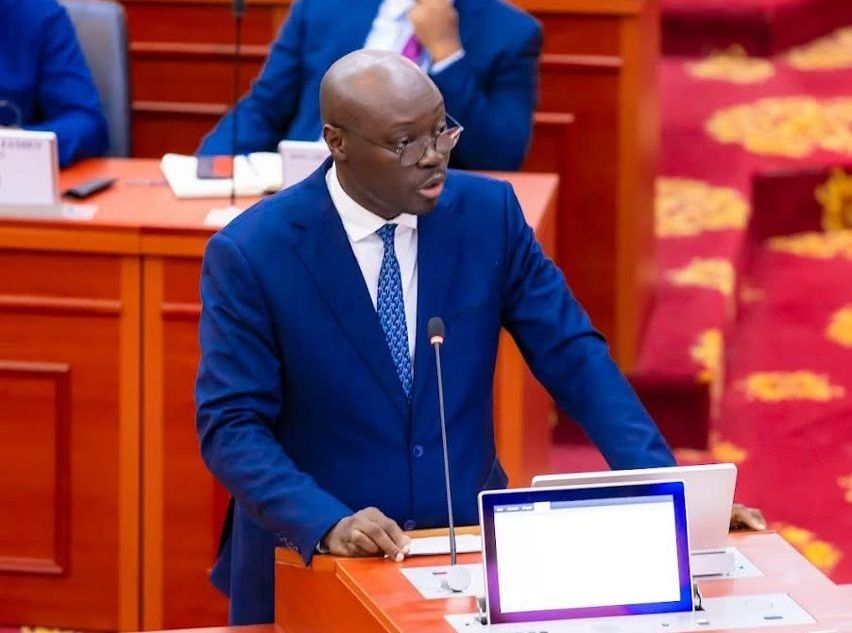
- Presented to Parliament Thursday evening by Finance Minister Dr Cassiel Ato Forson, the budget sets aside GH¢1.0 billion as the government's equity contribution toward a GH¢3 billion revolving National Housing Fund (NHF).
- Operating on a revolving basis — where monthly borrower repayments cycle back into new construction — the National Homeownership Fund targets cedi-denominated mortgages priced around 8.4%, down from 13.5%, alongside developer financing near 10.4%.
- The fund targets cedi mortgages at around 8.4% (down from 13.5%) and developer financing near 10.4%, with rent-to-own, employer-supported housing and refinancing instruments, addressing a 1.8 million-unit housing deficit.
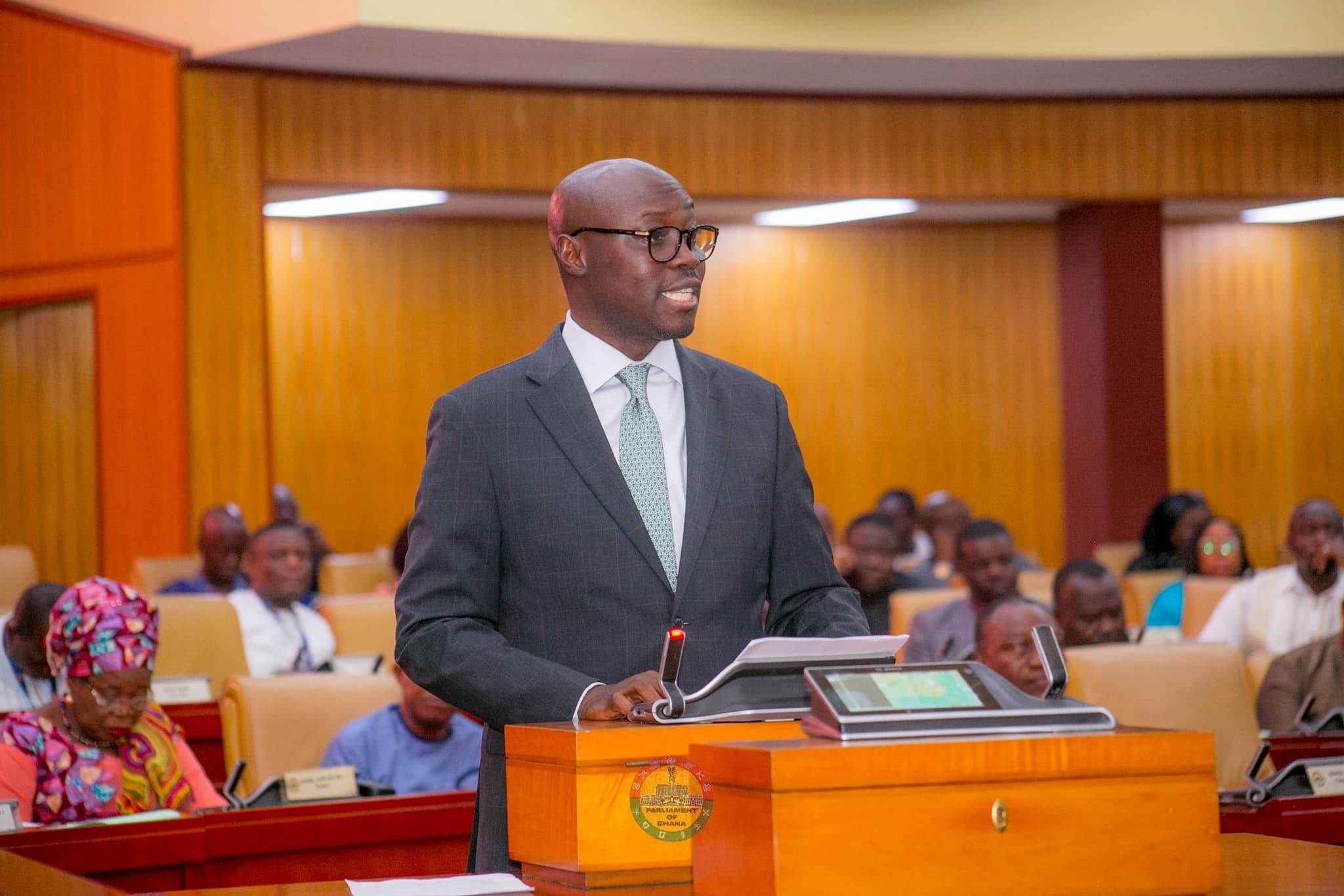
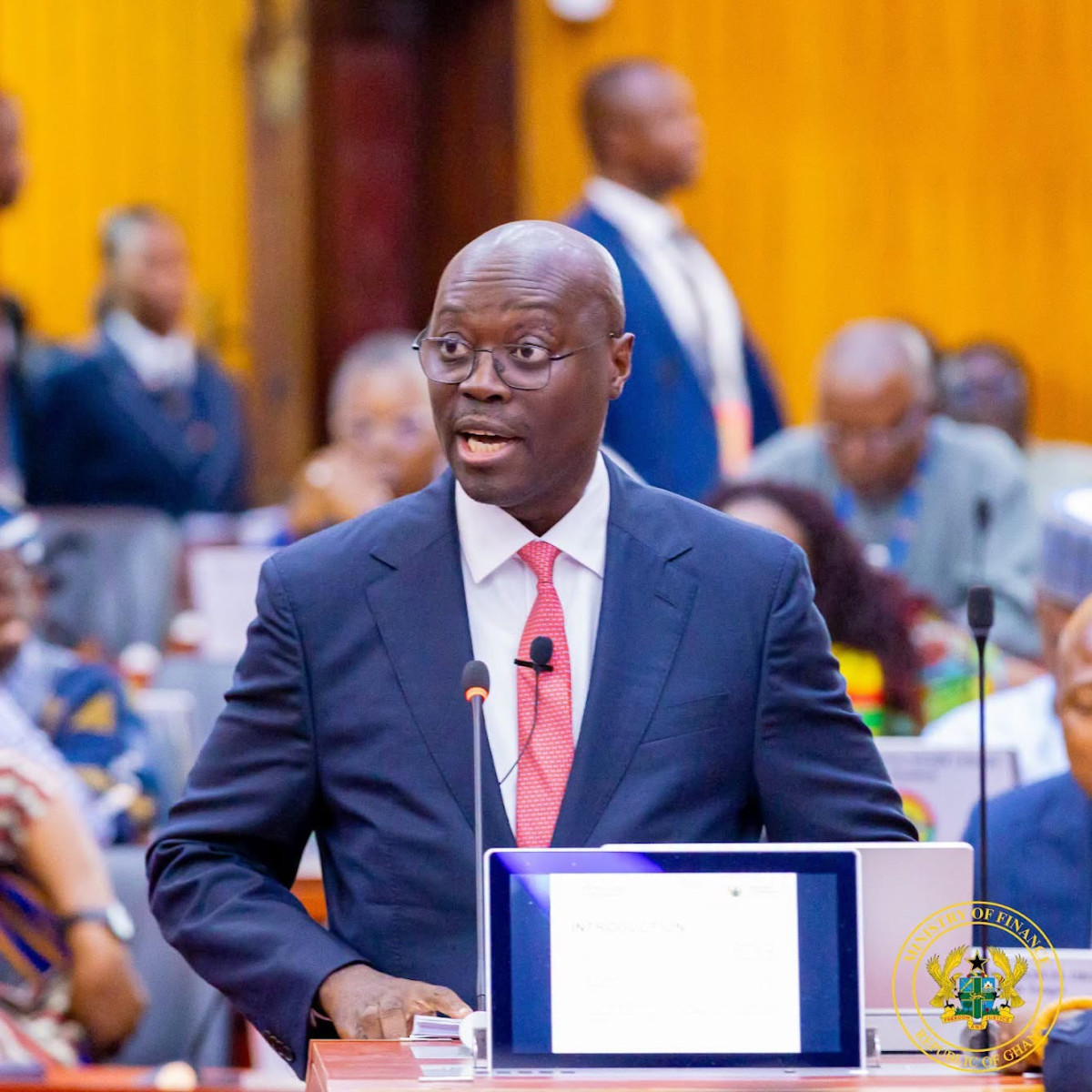
Presented to Parliament Thursday evening by Finance Minister Dr Cassiel Ato Forson, the budget sets aside GH¢1.0 billion as the government’s equity contribution toward a GH¢3 billion revolving National Housing Fund (NHF).
The remaining capital is directed toward potable water systems and coastal defence projects designed to insulate vulnerable communities from climate shocks and urban infrastructure deficits.
Engineering a GH¢3 Billion Mortgage Pool
Ghana faces a structural housing deficit estimated at roughly 1.8 million units, driven largely by prohibitive commercial bank lending rates that have locked salaried workers out of the mortgage market.
Rather than relying solely on direct state construction — which has historically left stalled concrete shells across Accra — the 2027 fiscal plan leans into blended finance.
Tripartite capital structure. Following a directive issued by President John Dramani Mahama ahead of the budget, the state’s GH¢1.0 billion Consolidated Fund allocation is structured to crowd in matching GH¢1.0 billion tranches from organised labour pension pools and private commercial lenders such as Republic Bank.
Below-market cedi mortgages. Operating on a revolving basis — where monthly borrower repayments cycle back into new construction — the National Homeownership Fund targets cedi-denominated mortgages priced around 8.4%, down from 13.5%, alongside developer financing near 10.4%.
Flexible delivery models. Beyond traditional mortgages, the fund will back rent-to-own arrangements, employer-supported housing schemes and mortgage refinancing instruments tailored for civil servants and formal-sector workers.
The architecture is the most consequential element. A revolving pool that recycles repayments into new lending is structurally different from a one-off housing programme; it creates a durable credit institution rather than a construction project. Whether it functions that way depends on collection discipline — the same variable that has undermined similar vehicles elsewhere.
Water Infrastructure and Coastal Defence
Outside the revolving housing facility, the remaining GH¢1.5 billion within the ministry’s envelope addresses critical utility and environmental bottlenecks.

Northern Ghana Water System — GH¢820 million. The single largest water infrastructure outlay in the vote funds expansion works across Tamale, Yendi and Damongo, aiming to eliminate chronic dry-season rationing across northern urban centres.
Community Potable Water — GH¢75 million. Earmarked for smaller water supply networks to expand clean-water access in underserved districts.

Completing stalled housing and sea defence. The ministry’s broader capital programme also supports the completion of legacy uncompleted housing units — including phases at Ningo, Kpong and Labadi — alongside coastal protection works along Ghana’s eroding shoreline.
The Execution Test
For real-estate developers and urban planners, the primary test of the 2027 housing budget lies in speed of disbursement and private-sector buy-in.
While a GH¢3 billion revolving pool marks Ghana’s most ambitious domestic housing-finance vehicle to date, developers note that high imported building-material costs and land-title bottlenecks in Greater Accra will still determine whether finished units actually reach low- and middle-income buyers.
The land-title issue is not incidental. A mortgage requires a title that can be perfected and enforced; where title is contested or unregistered, lenders cannot lend against it regardless of how attractive the interest rate appears. The NHF’s 8.4% headline rate will only translate into housing units if the underlying property regime permits transactions at scale.
Quick Facts
Ghana’s 2027 Budget allocates GH¢2.5 billion to the Ministry of Works, Housing and Water Resources, including GH¢1.0 billion as the state’s equity contribution to a GH¢3 billion revolving National Housing Fund, structured to draw matching GH¢1.0 billion tranches from organised labour pension pools and private lenders such as Republic Bank, following a directive from President John Dramani Mahama.
The fund targets cedi mortgages at around 8.4% (down from 13.5%) and developer financing near 10.4%, with rent-to-own, employer-supported housing and refinancing instruments, addressing a 1.8 million-unit housing deficit.
Water and coastal allocations include GH¢820 million for the Northern Ghana Water System across Tamale, Yendi and Damongo, GH¢75 million for community potable water, and support for completing legacy housing at Ningo, Kpong and Labadi plus coastal protection works. Execution will depend on disbursement speed, imported material costs and land-title bottlenecks in Greater Accra.
Source: Accra Street Journal
Last Updated on November 12, 2026 by Samuel Kwame Boadu
Ghana Market Watch
Track Ghana’s economy and financial markets with exchange rates, bank rates, fuel prices, food and commodity prices, economic indicators and financial market updates.

Disclaimer: Some content on Accra Street Journal may be aggregated, summarized, or edited from third-party sources for informational purposes. Images and media are used under fair use or royalty-free licenses. Accra Street Journal is a subsidiary of SamBoad Publishing Hub under SamBoad Business Group Ltd, registered in Ghana since 2014.
For concerns or inquiries, please visit our Privacy Policy or Contact Page.

Samuel Kwame Boadu is a Ghanaian media entrepreneur and storyteller with a passion for amplifying urban voices and uncovering everyday truths. He is the Editor-in-Chief and Founder of Accra Street Journal, a dynamic digital platform dedicated to capturing the pulse of Ghana’s capital—its people, culture, challenges, business, sports and innovations.
Use the following reference when citing or referencing this article.
Your feedback helps us improve our journalism.
Report an Error
Help us maintain accuracy. Let our editorial team know if you spot an issue in this article.
Report a problem with this article