









5 min read
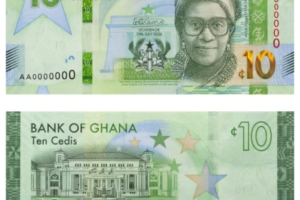
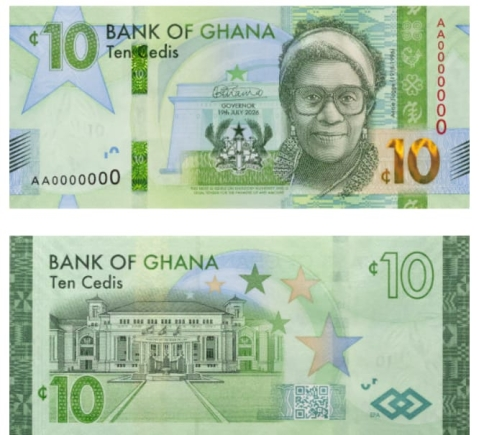
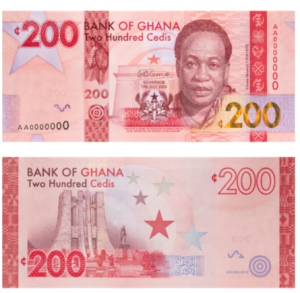
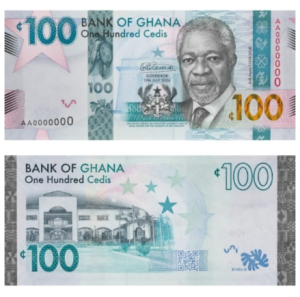
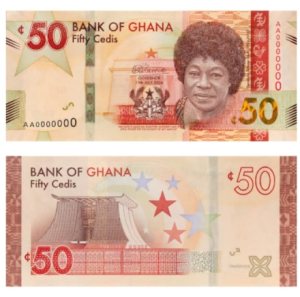
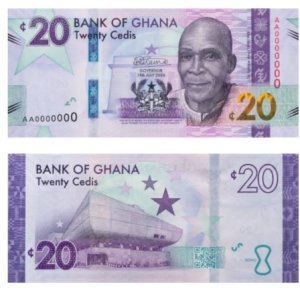
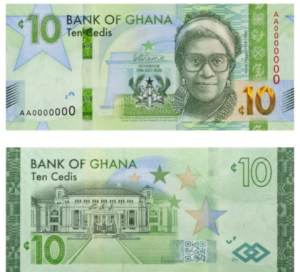
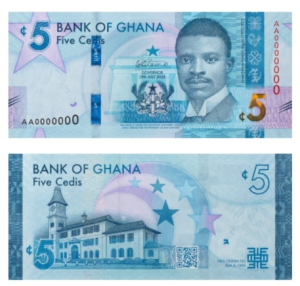
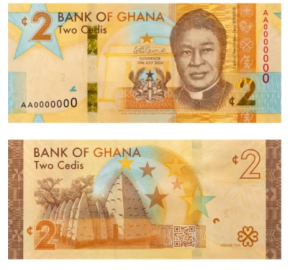
The Bank of Ghana has unveiled the Ghana Cedi Heritage Series — upgraded banknotes with enhanced security features, improved durability and smaller, more portable sizes — which will enter circulation on December 1, 2026, alongside existing notes that remain legal tender.
The Bank of Ghana (BoG) will introduce its upgraded Ghana Cedi Heritage Series into circulation from December 1, 2026, with the existing banknotes remaining legal tender.
Key Takeaways
- The Bank of Ghana (BoG) will introduce its upgraded Ghana Cedi Heritage Series into circulation from December 1, 2026, with the existing banknotes remaining legal tender.
- Dr Asiama said the nationwide campaign would run across all 16 regions, educating the public on how to identify genuine Heritage Series banknotes, recognise their security features and handle the currency responsibly.
- The Bank of Ghana launched the Ghana Cedi Heritage Series at Bank Square, Accra on November 12, 2026, with the notes entering circulation on December 1, 2026, alongside existing banknotes that remain legal tender.
Governor of the Bank of Ghana, Dr Johnson Pandit Asiama, says the new banknotes have been designed with enhanced security features, improved durability and more portable sizes to strengthen currency protection and improve convenience in everyday transactions.
Speaking at the launch of the Heritage Series at Bank Square in Accra on Thursday, November 12, 2026, Dr Asiama said the upgraded notes were intended to reinforce public confidence in the national currency while celebrating Ghana’s history and cultural identity.
“The Heritage Series will be introduced into circulation from December 1, 2026, and will circulate alongside the existing series, which remains legal tender. This approach will allow the public and businesses to adjust smoothly to the Heritage banknotes without unnecessary disruption to economic activity. The Bank remains committed to a well-managed transition that supports continuity in payments and reinforces confidence in the cedi,” he said.
Design and Security
The new series features national heroes, historic sites, monuments and Adinkra symbols, bringing elements of Ghana’s heritage into the country’s everyday monetary transactions.
Dr Asiama explained that the improved security features would make it more difficult to counterfeit the notes and help the public identify genuine banknotes more easily.
He added that the improved durability would enable the notes to withstand frequent handling and Ghana’s climatic conditions, potentially extending their lifespan in circulation.
The Governor stressed that the introduction of the Heritage Series would not mean the immediate withdrawal of the existing banknotes, as both series would circulate alongside each other.
A New Currency Act
Beyond the redesigned banknotes, Dr Asiama disclosed that the Bank was working with stakeholders to introduce a new Currency Act to replace the Currency Act, 1964 (Act 242), which has governed the country’s currency for decades.
The proposed legislation is expected to:

-
Strengthen penalties for counterfeiting
-
Establish clearer procedures for detecting, surrendering, authenticating and destroying counterfeit notes
-
Provide stronger legal backing for the fight against the mutilation, defacement and abuse of banknotes and coins
The reference to Act 242 is significant. A currency law drafted in 1964 — before modern reprographic technology, digital printing and organised counterfeiting networks — provides limited tools for a central bank managing a currency in 2026.
ECOMS and New Cash Centres
Dr Asiama further announced that the Bank had developed an Enterprise Currency Operations Management Software (ECOMS) entirely in-house to improve coordination between the central bank and commercial banks in managing currency operations.

The Bank also plans to establish additional Cash Centres at its Ho and Tamale Regional Offices to bring currency services closer to the public.
The Cedi App
As part of efforts to improve public understanding of the new currency, the Governor announced the launch of a Cedi App to educate users on the features of the Heritage Series and assist people with visual impairments.
He said the Bank would also undertake a nationwide public education campaign in major local languages to help Ghanaians identify genuine banknotes and handle the currency responsibly.
Dr Asiama maintained that although digital payments were transforming the financial sector, physical cash remained an essential component of Ghana’s monetary resilience, particularly when electronic payment systems experience technical failures, cyber incidents or other disruptions.
A Symbol of Identity
The Governor urged Ghanaians to protect, value and take pride in the cedi, describing the national currency as a symbol of the country’s identity, aspirations and collective future.
He said the cedi represents more than a medium of exchange, as it also reflects Ghana’s national heritage and its determination to build a prosperous future.
“Let us all protect it, let us value it, and let us take pride in it. Not just because it bears the name of Ghana but because it represents the aspirations of our people and the future that we are building together,” he said.
Dr Asiama said the nationwide campaign would run across all 16 regions, educating the public on how to identify genuine Heritage Series banknotes, recognise their security features and handle the currency responsibly.
May the Heritage Series stand as a lasting expression of our national pride, our commitment to innovation, and our determination to build a resilient and prosperous Ghana for generations to come,” he said.
The launch forms part of the Bank of Ghana’s broader efforts to modernise currency management and strengthen confidence in the cedi as the central bank prepares to mark its 70th anniversary on March 4, 2027.

Quick Facts
The Bank of Ghana launched the Ghana Cedi Heritage Series at Bank Square, Accra on November 12, 2026, with the notes entering circulation on December 1, 2026, alongside existing banknotes that remain legal tender. The series features national heroes, historic sites, monuments and Adinkra symbols, with enhanced security features, improved durability and smaller, more portable sizes, according to Governor Dr Johnson Pandit Asiama.
The Bank is preparing a new Currency Act to replace the Currency Act, 1964 (Act 242), strengthening counterfeiting penalties, clarifying procedures for detecting, surrendering, authenticating and destroying counterfeit notes, and reinforcing the fight against mutilation and defacement. It has developed ECOMS in-house for currency operations coordination and plans Cash Centres at Ho and Tamale.
A Cedi App will educate users on the Heritage Series and support people with visual impairments, alongside a nationwide education campaign in major local languages across all 16 regions. Dr Asiama stressed that physical cash remains essential to monetary resilience despite digital payment growth, and urged Ghanaians to protect, value and take pride in the cedi as the Bank approaches its 70th anniversary on March 4, 2027.
Source: Accra Street Journal
Last Updated on November 12, 2026 by Samuel Kwame Boadu
Disclaimer: Some content on Accra Street Journal may be aggregated, summarized, or edited from third-party sources for informational purposes. Images and media are used under fair use or royalty-free licenses. Accra Street Journal is a subsidiary of SamBoad Publishing Hub under SamBoad Business Group Ltd, registered in Ghana since 2014.
For concerns or inquiries, please visit our Privacy Policy or Contact Page.

Samuel Kwame Boadu is a Ghanaian media entrepreneur and storyteller with a passion for amplifying urban voices and uncovering everyday truths. He is the Editor-in-Chief and Founder of Accra Street Journal, a dynamic digital platform dedicated to capturing the pulse of Ghana’s capital—its people, culture, challenges, business, sports and innovations.
Use the following reference when citing or referencing this article.
Your feedback helps us improve our journalism.
Report an Error
Help us maintain accuracy. Let our editorial team know if you spot an issue in this article.
Report a problem with this article