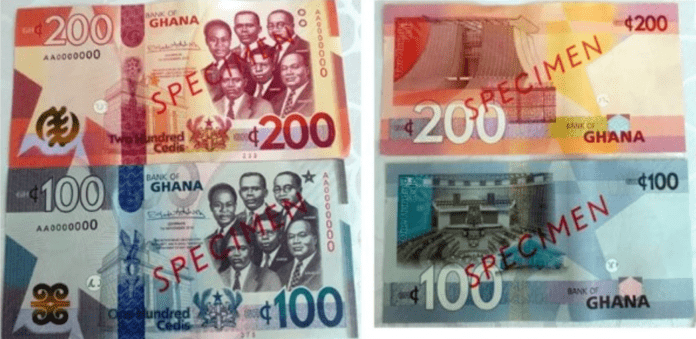







The cedi’s swings do not affect every investor the same way. Where you sit—and what you hold—determines whether a currency move is a tailwind, a headwind, or something in between.
The Two Bets Problem
When a Ghanaian invests abroad, two things happen at once. You are betting on the asset. And you are taking a position on the cedi.

A US stock can rise 15% in dollar terms, but if the cedi appreciates 20% against the dollar over the same period, your cedi return is negative. The asset performed. The currency undid it.
📢 GET A DETAILED ARTICLES + JOBS
Join ASJ's WhatsApp Channel and never miss a post or opportunity.

Flip the scenario. A US ETF trades flat in dollars, but the cedi depreciates 25%. Your dollar asset is now worth a quarter more in cedi terms, without the underlying asset moving at all.
This is the double-edged nature of currency exposure. It cuts both ways. And it is why understanding currency movements is not optional for any Ghanaian investor with assets beyond the local market.

How the Cedi Has Moved
The cedi’s recent history is a story of extremes.
2022: The cedi lost 26.2% against the dollar in a single month (October 2022), one of the sharpest depreciations on record.
2025: The cedi staged a dramatic recovery, appreciating 40.7% against the US dollar—the strongest performance of any African currency that year.
First half of 2026: The cedi reversed again, depreciating 7.9% against the dollar on the interbank market, despite the US dollar weakening globally.
By August 2026, the cedi had recorded a cumulative depreciation of 7.11% for the year.
For investors, each of these swings changed the cedi value of foreign assets in ways that had nothing to do with the assets themselves.
The Impact on Different Investor Types
Investors Holding US Stocks and ETFs
For Ghanaians with money in US equities, the cedi’s direction determines their realised return in cedi terms.
A portfolio valued at $10,000 in January 2026 would have been worth approximately **GH¢104,000** at the then-prevailing rate. By August 2026, with the cedi down 7.11%, the same $10,000 portfolio—assuming no change in dollar value—would be worth roughly GH¢111,400. The currency move alone added over GH¢7,000.
But the reverse is equally true. The cedi’s 40.7% appreciation in 2025 would have wiped out a significant portion of dollar-denominated gains when converted back to cedis.

Investors Holding Ghanaian Stocks
GSE investors are fully exposed to cedi movements without any offsetting currency hedge.
When the cedi weakens, imported goods cost more, inflation pressures build, and the Bank of Ghana may raise interest rates. Higher rates can weigh on equity valuations. At the same time, exporters—like gold miners—benefit from a weaker cedi, as their dollar revenues translate into more cedis.
The GSE’s performance in 2026 reflected a mix of these forces. The market returned over 62% year-to-date by late April 2026, driven by domestic sentiment and financial sector strength, even as the cedi depreciated.
Investors Holding Dollar-Denominated Bonds
For Ghanaians holding Eurobonds or other dollar-denominated debt, the cedi’s direction affects the cedi value of coupon payments and principal.
A weakening cedi increases the cedi value of dollar coupons—a benefit for local investors. But it also increases the government’s debt service burden in cedi terms, which can raise sovereign risk perceptions and affect bond prices.
Investors with Remittance Income
Ghanaians receiving remittances from abroad are directly exposed to the exchange rate. A weaker cedi means each dollar sent home converts to more cedis—good for the recipient. A stronger cedi means fewer cedis per dollar.
Remittance flows reached $6 billion in the first nine months of 2025, up 11.4% year-on-year, partly driven by the cedi’s appreciation making transfers more attractive in dollar terms.
The Sector-Level Effects
Currency movements do not affect all sectors equally.
Exporters benefit from a weaker cedi. Gold miners, cocoa traders, and oil producers receive dollars for their output, so a weaker cedi means more cedis per dollar earned.
Importers suffer. Retailers, fuel marketers, and manufacturers that rely on imported inputs see their costs rise when the cedi weakens.
Banks are caught in the middle. They hold foreign currency assets and liabilities. A depreciating cedi increases the cedi value of their foreign assets but also raises the cost of servicing foreign liabilities.
Consumers feel it through prices. Imported inflation passes through to fuel, food, and manufactured goods.
The 2026 Context: Gold, Reserves, and Policy
The cedi’s trajectory in 2026 has been shaped by forces that matter for investors to understand.
The Bank of Ghana’s Domestic Gold Purchase Programme brought in nearly US$11 billion in foreign exchange in 2025, supporting the cedi’s appreciation. But the programme has paused gold exports at times, slowing the inflow of dollars.
Gross international reserves grew to **US$13.8 billion** by early 2026, up from US$8.9 billion—a buffer that allows the central bank to intervene when needed.
The IMF has warned that Ghana’s heavy reliance on gold and commodity exports leaves it vulnerable to external shocks. A drop in gold prices or export earnings could weaken the cedi and pressure debt sustainability.
Databank Research forecasts the cedi to end 2026 at GH¢12.20 to the dollar, citing expected gold inflows and central bank intervention.
What Investors Can Do
Match your assets to your goals. If your goals are denominated in cedis—buying land in Ghana, funding a local business—your assets should primarily be in cedis. If your goals are in dollars—education abroad, overseas property—your assets should be in dollars.
Dollar-cost average. Investing a fixed cedi amount at regular intervals smooths out the exchange rate impact. You buy more dollars when the cedi is strong and fewer when it is weak. Over time, this reduces timing risk.
Do not try to time the currency. The cedi’s movements are driven by forces—gold prices, oil prices, fiscal policy, global risk sentiment—that are impossible to predict consistently. The 2022 and 2025 swings alone should convince anyone that forecasting the cedi is a losing game.
Understand the tax treatment. US dividends face 30% withholding tax (no US-Ghana treaty), plus Ghana’s 8% dividend tax. Currency gains are not separately taxed, but trading profits are subject to income tax.
Quick Facts
| Topic | Details |
|---|---|
| Cedi Depreciation (Oct 2022) | -26.2% against USD |
| Cedi Appreciation (2025) | +40.7% against USD |
| Cedi Depreciation (H1 2026) | -7.9% against USD |
| Cumulative Depreciation (YTD 2026) | -7.11% |
| Reserves (Early 2026) | US$13.8 billion |
| Gold Purchase Programme (2025) | US$10.9 billion |
| Remittances (9M 2025) | $6 billion |
| Databank Forecast (End-2026) | GH¢12.20/USD |
Frequently Asked Questions
1. How do currency movements affect Ghanaian investors?
When the cedi weakens, foreign assets gain in cedi terms. When the cedi strengthens, foreign assets lose cedi value. For investors holding only Ghanaian assets, cedi movements affect inflation, interest rates, and sector performance.
2. How did the cedi perform in 2025 and 2026?
The cedi appreciated 40.7% against the dollar in 2025, the strongest performance of any African currency. It depreciated 7.9% in the first half of 2026 and 7.11% year-to-date by August 2026.
3. How does a weaker cedi affect US stock investors?
A weaker cedi increases the cedi value of dollar-denominated assets. A $10,000 portfolio worth GH¢104,000 in January 2026 would be worth roughly GH¢111,400 by August 2026, assuming no change in dollar value.
4. How does a stronger cedi affect foreign investments?
A stronger cedi reduces the cedi value of foreign assets. The 40.7% appreciation in 2025 would have wiped out a significant portion of dollar-denominated gains when converted back to cedis.
5. Which sectors benefit from a weaker cedi?
Exporters—gold miners, cocoa traders, oil producers—benefit because their dollar revenues translate into more cedis. Importers suffer because their costs rise.
6. How do currency movements affect remittances?
A weaker cedi means each dollar sent home converts to more cedis. A stronger cedi means fewer cedis per dollar.
7. What is the outlook for the cedi in 2026?
Databank Research forecasts the cedi to end 2026 at GH¢12.20 to the dollar, citing expected gold inflows and central bank intervention.
8. How can investors manage currency risk?
Match assets to goals, dollar-cost average, avoid trying to time the currency, and understand the tax treatment of foreign income.
9. What is the biggest risk to the cedi?
The IMF warns that Ghana’s reliance on gold and commodity exports leaves it vulnerable to external shocks. A drop in gold prices or export earnings could weaken the cedi.
10. Does the Bank of Ghana control the cedi’s value?
The central bank can slow depreciation by selling reserves and managing demand, but it cannot prevent the cedi from falling if outflows persistently exceed inflows
Source: Accra Street Journal
Last Updated on October 2, 2026 by Samuel Kwame Boadu
Disclaimer: Some content on Accra Street Journal may be aggregated, summarized, or edited from third-party sources for informational purposes. Images and media are used under fair use or royalty-free licenses. Accra Street Journal is a subsidiary of SamBoad Publishing Hub under SamBoad Business Group Ltd, registered in Ghana since 2014.
For concerns or inquiries, please visit our Privacy Policy or Contact Page.

Samuel Kwame Boadu is a Ghanaian media entrepreneur and storyteller with a passion for amplifying urban voices and uncovering everyday truths. He is the Editor-in-Chief and Founder of Accra Street Journal, a dynamic digital platform dedicated to capturing the pulse of Ghana’s capital—its people, culture, challenges, business, sports and innovations.