






The cedi’s value is not determined by a single force. It is the sum of many pressures—some domestic, some global, some structural. Understanding the main drivers is the first step to understanding why the currency moves the way it does.
The Core Mechanism: Supply and Demand
At its simplest, the cedi’s value against the dollar is determined by how many dollars are flowing into Ghana versus how many are flowing out.

Dollars flow in through:
📢 GET A DETAILED ARTICLES + JOBS
Join ASJ's WhatsApp Channel and never miss a post or opportunity.

-
Gold exports
-
Oil exports
-
Remittances from Ghanaians abroad
-
Foreign investment
Dollars flow out through:
-
Import payments for fuel, machinery, and consumer goods
-
External debt service
-
Profit repatriation by foreign companies
-
Portfolio outflows by foreign investors
When inflows exceed outflows, the cedi strengthens. When outflows exceed inflows, the cedi weakens.
The Gold Factor: Ghana’s New Currency Anchor
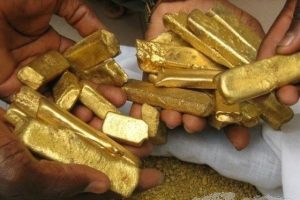
Gold has become the single most important driver of cedi stability. Ghana is Africa’s largest gold producer, and the Bank of Ghana’s Domestic Gold Purchase Programme—operated through the Ghana Gold Board (GoldBod)—has fundamentally changed how dollars enter the economy.
In 2025, the programme purchased and exported around 104 tons of artisanal and small-scale mining gold for US$10.9 billion**. Gold export earnings surged to approximately **US$20 billion, nearly double the 2024 figure. This massive influx of dollars helped the cedi appreciate by 40.7% against the US dollar in 2025—the strongest performance of any African currency that year.
But the gold strategy carries costs. The IMF reported that the Domestic Gold Purchase Programme generated losses of GH¢22 billion (1.5% of GDP) in 2025, largely due to purchasing gold at a premium over international prices. And in August 2026, GoldBod paused gold exports, contributing to renewed pressure on the cedi as foreign exchange inflows slowed.
The Import Pressure: Why the Cedi Weakens
Ghana imports far more than it exports in value terms—a structural deficit that keeps constant pressure on the cedi.
Fuel is the largest single import burden. Higher crude oil prices mean Ghana needs more dollars to pay for energy imports, directly weakening the cedi. The Middle East conflict in 2026 pushed oil prices higher, adding to the pressure.
Seasonal demand amplifies this. Ahead of the Christmas season, importers buy dollars to pay for goods, creating predictable spikes in demand. When businesses need more dollars than the market is supplying, the cedi falls.
The Bank of Ghana’s Role: Intervention and Reserves
The central bank actively manages the cedi’s value by buying and selling dollars. In the 12 months to May 2026, the Bank of Ghana sold **US$12.9 billion** on the foreign exchange market—about US$1.1 billion per month—to support the currency.
Reserves are the buffer that makes this possible. Gross international reserves grew to **US$13.8 billion** by early 2026, up from US$8.9 billion. The Bank of Ghana intervened when necessary to maintain orderly conditions, while allowing the cedi to respond to market forces.
But reserves can only do so much. When demand outpaces the central bank’s ability to supply dollars, the cedi depreciates regardless.
The Policy Environment: Fiscal Discipline and Investor Confidence
The cedi is also a barometer of confidence in Ghana’s economic management.
Tighter fiscal discipline—reduced government borrowing, controlled expenditure, and anti-corruption measures—restores investor confidence, which attracts foreign capital and supports the currency. The 2026 budget targeted a 1.5% primary surplus and single-digit inflation, signalling a commitment to stability that markets respond to.
Conversely, fiscal slippage, political uncertainty, or policy missteps can trigger capital flight and weaken the cedi.
The Global Backdrop: External Forces Beyond Ghana’s Control
The cedi does not move in isolation. Global factors matter.
When the US dollar strengthens globally, emerging market currencies—including the cedi—tend to weaken. When global risk appetite falls, investors pull money out of frontier markets like Ghana, reducing dollar inflows.
The IMF has warned that Ghana’s heavy reliance on gold and other commodity exports leaves it vulnerable to external shocks. Adverse movements in export earnings or global commodity prices can push debt sustainability indicators above thresholds and pressure the exchange rate.
The 2026 Story: From Strength to Pressure
The cedi’s trajectory in 2026 illustrates how quickly conditions can change.
First half of 2025: The cedi appreciated 42.6% against the dollar, driven by gold exports, IMF-supported reforms, and tight monetary policy.
First half of 2026: The cedi depreciated 7.9% against the dollar on the interbank market, despite the US dollar weakening globally. The Bank of Ghana attributed the reversal to renewed pressures in the domestic foreign exchange market, including higher energy imports and seasonal demand.
By August 2026, the cedi had recorded a cumulative depreciation of 7.11% for the year. Databank Research forecast a year-end rate of GH¢12.20 to the dollar, citing expectations of stronger gold inflows and central bank intervention.
What This Means for Ordinary Ghanaians
When the cedi weakens, the effects are immediate:
-
Fuel prices rise because oil is priced in dollars
-
Imported goods become more expensive—from machinery to medicine
-
Inflation pressures build as businesses pass on higher costs
When the cedi strengthens, the opposite happens—imported inflation eases, and purchasing power improves.
The GoldBod’s research estimated that the cedi’s appreciation in 2025 reduced inflation by 4.2 to 8.4 percentage points through lower exchange-rate pass-through. That is the direct, tangible benefit of a stable currency.
Quick Facts
| Driver | Impact on the Cedi |
|---|---|
| Gold exports | Strong positive—brings dollars in |
| Oil imports | Negative—takes dollars out |
| Remittances | Positive—supports household and FX inflows |
| Bank of Ghana intervention | Supports stability but limited by reserves |
| Fiscal discipline | Positive—attracts investment |
| Global dollar strength | Negative for emerging market currencies |
| Seasonal import demand | Negative—peak pressure before Christmas |
Frequently Asked Questions
1. What makes the Ghana cedi rise or fall?
The cedi is driven by supply and demand for dollars. Inflows from gold exports, cocoa, oil, and remittances support the currency. Outflows for imports, debt service, and profit repatriation weaken it. The Bank of Ghana also intervenes to manage volatility.
2. Why did the cedi appreciate 40.7% in 2025?
The appreciation was driven by the Bank of Ghana’s Domestic Gold Purchase Programme, which brought in nearly US$11 billion in foreign exchange, combined with IMF-supported reforms, tighter fiscal discipline, and reduced government borrowing.
3. Why did the cedi depreciate in 2026?
The cedi fell 7.9% against the dollar in the first half of 2026 due to renewed import demand, higher energy prices, and a pause in GoldBod gold exports that reduced foreign exchange inflows.
4. How does the Bank of Ghana support the cedi?
The Bank of Ghana sells dollars on the foreign exchange market to meet demand and smooth volatility. In the year to May 2026, it sold about US$12.9 billion.
5. What role does gold play in the cedi’s value?
Gold is now Ghana’s most important export. The Bank of Ghana’s gold purchase programme brings dollars into the economy and builds reserves. When gold exports pause or slow, the cedi comes under pressure.
6. How do imports affect the cedi?
Ghana imports more than it exports in value terms. Importers need dollars to pay for goods, especially fuel. When import demand rises—seasonally or due to higher oil prices—the cedi weakens.
7. What is the outlook for the cedi in 2026?
Databank Research forecasts the cedi to end 2026 at GH¢12.20 to the dollar, citing expected gold inflows and central bank intervention. The Bank of Ghana expects medium-term stability supported by remittances and FX intermediation.
8. How does the cedi affect inflation?
The cedi has a direct pass-through to inflation. When the cedi weakens, imported goods cost more, pushing prices up. When it strengthens, imported inflation eases. The 2025 appreciation reduced inflation by an estimated 4.2 to 8.4 percentage points.
9. What is the biggest risk to the cedi?
The IMF warns that Ghana’s reliance on gold and commodity exports leaves it vulnerable to external shocks. A drop in gold prices or export earnings could weaken the cedi and pressure debt sustainability.
10. Can the Bank of Ghana stop the cedi from falling?
The central bank can slow depreciation by selling reserves and managing demand, but it cannot prevent the cedi from falling if outflows persistently exceed inflows. Intervention is a buffer, not a solution
Source: Accra Street Journal
Last Updated on October 2, 2026 by Samuel Kwame Boadu
Disclaimer: Some content on Accra Street Journal may be aggregated, summarized, or edited from third-party sources for informational purposes. Images and media are used under fair use or royalty-free licenses. Accra Street Journal is a subsidiary of SamBoad Publishing Hub under SamBoad Business Group Ltd, registered in Ghana since 2014.
For concerns or inquiries, please visit our Privacy Policy or Contact Page.

Samuel Kwame Boadu is a Ghanaian media entrepreneur and storyteller with a passion for amplifying urban voices and uncovering everyday truths. He is the Editor-in-Chief and Founder of Accra Street Journal, a dynamic digital platform dedicated to capturing the pulse of Ghana’s capital—its people, culture, challenges, business, sports and innovations.