Customer loyalty has long been considered the backbone of sustainable business growth. In mature markets, loyal customers provide predictable revenue, reduce marketing costs, and act as unpaid brand ambassadors. Yet in Accra, Ghana’s commercial nerve centre, maintaining customer loyalty has become increasingly difficult for businesses across sectors—from retail and hospitality to banking, telecommunications, and digital services.
The challenge is not rooted in a single factor. Rather, it reflects a complex interaction of economic pressures, shifting consumer expectations, intensified competition, and structural inefficiencies within the urban business environment. As Accra grows more crowded, more connected, and more cost-conscious, loyalty has become fluid, transactional, and often short-lived.

A Market Defined by Choice, Not Commitment
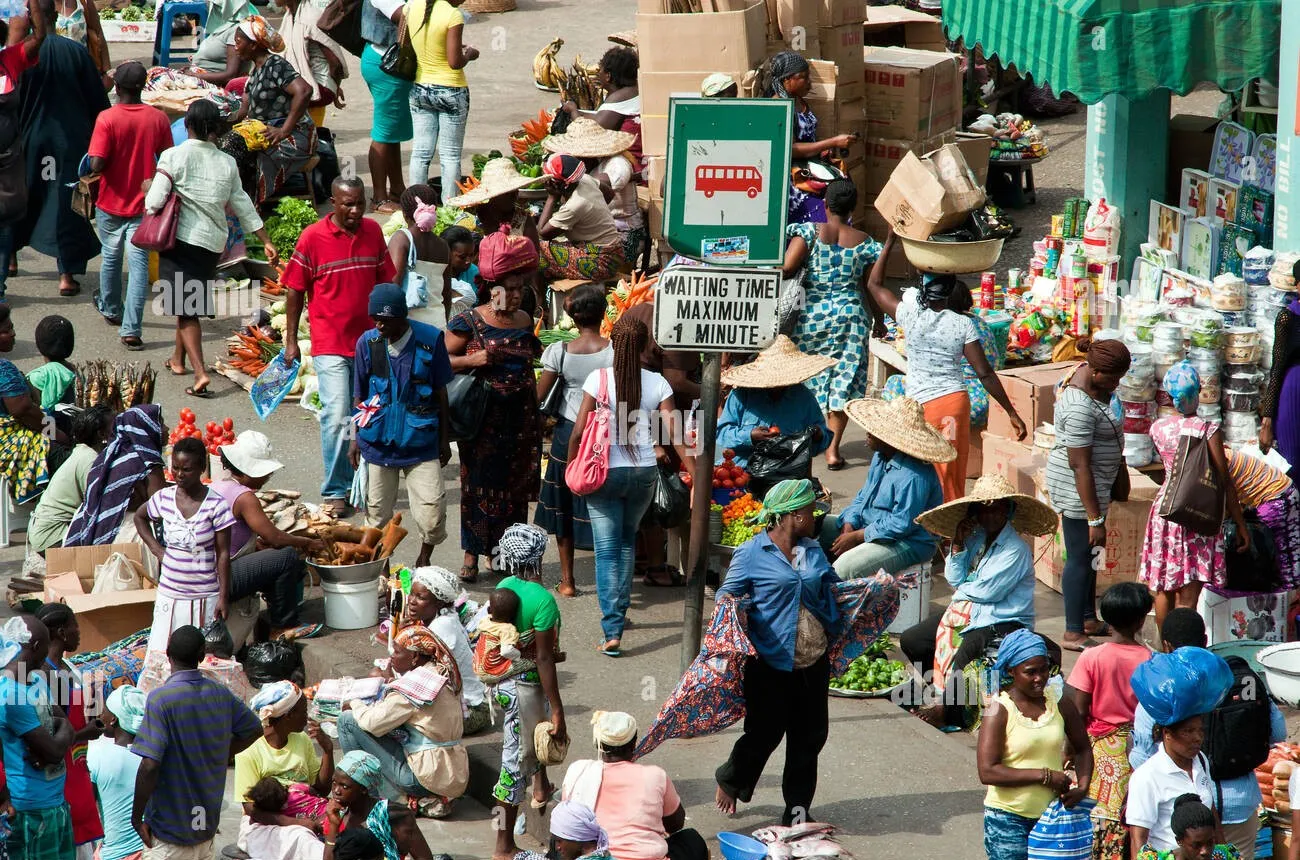
Accra’s rapid urbanisation has led to a proliferation of businesses offering similar products and services. From minimarts and pharmacies to ride-hailing services, fashion outlets, and food vendors, consumers are faced with an abundance of alternatives. This oversupply has tilted power firmly in the hands of customers.
📢 GET A DETAILED ARTICLES + JOBS
Join ASJ's WhatsApp Channel and never miss a post or opportunity.

When choices multiply, loyalty weakens. Customers no longer feel compelled to stick with one brand when another offers a marginally lower price, a quicker response, or a more convenient location. In such an environment, loyalty becomes conditional rather than emotional—maintained only as long as immediate expectations are met.
For many Accra-based businesses, the reality is stark: customers are not leaving because they are dissatisfied, but because they are constantly tempted elsewhere.

Price Sensitivity in a High-Cost City
Accra is one of the most expensive cities in West Africa, and rising living costs have reshaped consumer behaviour. Inflation, fluctuating exchange rates, fuel price adjustments, and increased utility costs have squeezed household budgets. As a result, consumers are increasingly price-sensitive and value-driven.
In this climate, loyalty often collapses under economic pressure. Customers may appreciate a brand’s service quality or reputation, but when faced with cheaper alternatives, financial considerations prevail. Discounts, promotions, and short-term deals frequently override long-term relationships.
This trend is particularly visible in sectors such as retail, food services, and transportation, where price differences—however small—can determine customer choice. Loyalty becomes a luxury many consumers feel they can no longer afford.
Service Inconsistency and Broken Trust
Customer loyalty is built on consistency. In Accra, however, service delivery often fluctuates due to operational challenges such as power outages, internet instability, supply chain disruptions, and staffing issues. A business that delivers excellent service today may struggle to meet the same standards tomorrow.
Inconsistent experiences erode trust. Customers may forgive occasional lapses, but repeated failures weaken emotional attachment. Long queues, delayed responses, poor after-sales support, and lack of accountability are frequent complaints among Accra consumers.
When trust is broken, loyalty rarely survives. Customers simply move on, knowing alternatives are readily available.
Digital Exposure and Comparison Culture
The rise of smartphones, social media, and e-commerce platforms has transformed how Accra’s consumers evaluate businesses. Customers now compare prices, read reviews, and share experiences in real time. A single negative encounter can be amplified across digital platforms, influencing not just one customer, but hundreds of potential ones.
This transparency has raised expectations. Businesses are no longer compared only to local competitors, but also to global brands visible online. Service delays, unresponsive customer care, or perceived unfair pricing are quickly called out.
While digital exposure creates opportunities for customer engagement, it also makes loyalty fragile. A trending complaint or viral criticism can undo years of brand-building in days.

Weak Loyalty Programmes and Poor Engagement
Many businesses in Accra claim to value customer loyalty, yet few invest meaningfully in structured loyalty programmes. Where such programmes exist, they are often poorly designed, inconsistently applied, or inadequately communicated.
Customers are unlikely to remain loyal if they do not feel recognised or rewarded. Token gestures—such as occasional discounts without personalisation—fail to create emotional bonds. In contrast, consumers increasingly expect tailored experiences, proactive communication, and genuine appreciation.
The absence of data-driven customer relationship management means businesses often treat loyal customers the same as first-time buyers, missing opportunities to deepen relationships.
Cultural Pragmatism Over Brand Attachment
Accra’s consumer culture is deeply pragmatic. Loyalty is rarely sentimental; it is performance-based. Customers tend to prioritise availability, affordability, and convenience over long-term brand allegiance.
This pragmatism is reinforced by informal market dynamics, where bargaining, switching vendors, and seeking the best deal are normalised behaviours. In such an environment, loyalty must be continuously earned, not assumed.
Businesses that misunderstand this cultural reality often overestimate customer attachment and underestimate the effort required to retain patronage.
Workforce Challenges and Customer Experience
Frontline staff play a crucial role in shaping customer perceptions. Yet many Accra-based businesses struggle with high employee turnover, limited training, and low morale. Poorly motivated or inadequately trained staff can undermine even the strongest brand promises.
A single unpleasant interaction with a cashier, customer service representative, or delivery agent can undo years of goodwill. In a city where word-of-mouth spreads quickly, frontline failures carry significant reputational risks.
Without consistent investment in human capital, customer loyalty remains fragile.
Trust Deficits and Brand Credibility
Trust is a recurring challenge in Accra’s business environment. Customers are wary of hidden charges, misleading promotions, inconsistent pricing, and unmet promises. Past experiences of being short-changed, delayed, or ignored make consumers cautious.
Once scepticism sets in, loyalty becomes difficult to sustain. Customers engage defensively, ready to switch at the first sign of inconvenience. Rebuilding trust requires transparency, accountability, and sustained credibility—qualities that are often lacking in highly competitive markets.

Convenience as the New Loyalty Driver
In modern Accra, convenience often outweighs brand preference. Proximity, speed, delivery options, digital payment acceptance, and extended operating hours increasingly determine customer choice.
A loyal customer may abandon a preferred brand simply because another option is closer, faster, or easier. This shift has redefined loyalty from emotional attachment to practical alignment with daily routines.
Businesses that fail to adapt to this convenience-driven mindset risk losing even long-standing customers.
Loyalty in Accra: A Moving Target
Ultimately, customer loyalty in Accra is not disappearing—it is evolving. It is no longer guaranteed by longevity or reputation alone. Instead, it is conditional, dynamic, and continuously renegotiated.
For businesses, this reality demands a deeper understanding of consumer behaviour, operational discipline, and consistent value delivery. Loyalty must be earned daily, through reliability, fairness, relevance, and respect for the customer’s time and resources.
In Accra’s fast-moving marketplace, loyalty is less about promises and more about performance.
FAQs
Why is customer loyalty difficult to maintain in Accra?
Customer loyalty in Accra is challenged by high competition, price sensitivity, service inconsistency, digital comparison culture, and convenience-driven consumer behaviour.
Are Accra consumers less loyal than before?
Consumers are not necessarily less loyal, but their loyalty is more conditional and value-driven than in the past.
How does inflation affect customer loyalty in Accra?
Rising living costs make consumers more price-sensitive, often prioritising affordability over long-term brand relationships.
Does service quality impact customer loyalty in Accra?
Yes. Inconsistent service delivery and poor customer experiences quickly erode trust and loyalty.
Is customer loyalty still achievable in Accra?
Customer loyalty is achievable, but it requires consistent performance, transparency, convenience, and genuine customer engagement.
Source: Accra Street Journal
Last Updated on January 12, 2026 by Samuel Kwame Boadu
Disclaimer: Some content on Accra Street Journal may be aggregated, summarized, or edited from third-party sources for informational purposes. Images and media are used under fair use or royalty-free licenses. Accra Street Journal is a subsidiary of SamBoad Publishing Hub under SamBoad Business Group Ltd, registered in Ghana since 2014.
For concerns or inquiries, please visit our Privacy Policy or Contact Page.

Samuel Kwame Boadu is a Ghanaian media entrepreneur and storyteller with a passion for amplifying urban voices and uncovering everyday truths. He is the Editor-in-Chief and Founder of Accra Street Journal, a dynamic digital platform dedicated to capturing the pulse of Ghana’s capital—its people, culture, challenges, business, sports and innovations.