






Walk through Makola Market on a busy weekday morning, and you’ll see the true face of Ghana’s economy. Traders balancing boxes of goods, seamstresses stitching Ankara dresses, tech entrepreneurs pitching ideas in cafés, and street vendors serving hot waakye to customers on the go. These are not just individuals making a living — they are the backbone of Ghana’s economy.
From the bustling streets of Kumasi to the startup clusters in East Legon, Small and Medium-sized Enterprises (SMEs) keep Ghana’s economic heartbeat steady. They represent more than 85% of all registered businesses, employ millions, and contribute nearly 70% of the nation’s GDP. Yet, their stories often go untold — overshadowed by headlines about oil, gold, and big corporations.

A History Rooted in Hustle and Ingenuity
Ghana’s entrepreneurial spirit didn’t begin in glass offices or corporate boardrooms. It began in the hands of ordinary Ghanaians — farmers, traders, weavers, and craftsmen — long before independence.
📢 GET A DETAILED ARTICLES + JOBS
Join ASJ's WhatsApp Channel and never miss a post or opportunity.
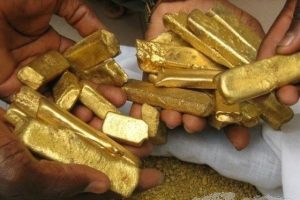
The Kente weavers of Bonwire, the goldsmiths of Kumasi, and the market women of Agbogbloshie have, for generations, built sustainable livelihoods out of grit and creativity. This culture of self-reliance laid the foundation for today’s small businesses — a tradition of enterprise passed down from one generation to the next.
After independence, industrialization under Kwame Nkrumah focused on large state-owned enterprises. But when global shocks and economic reforms hit in the 1980s, Ghana’s private sector — especially small enterprises — became the new foundation for survival and recovery.
The Present Reality: SMEs as Ghana’s Everyday Heroes
Today, small businesses are everywhere — and they matter more than ever. They employ the youth, empower women, and bridge the gap between urban wealth and rural opportunity.
In Accra, fashion designers like those at Osu and Madina are exporting creativity beyond borders. In Tamale, small shea butter processors are building international supply chains. Across the country, tech start-ups are redefining how Ghanaians buy, sell, and communicate through apps and online stores.
Each small enterprise adds a brick to the foundation of Ghana’s modern economy. Together, they make up the invisible network that keeps goods moving, families fed, and innovation alive.
Innovation in Motion: SMEs Go Digital
Technology has given Ghana’s SMEs a new lifeline. With smartphones and social media, even the smallest business can reach customers across the world.
Platforms like Hubtel, Tonaton, and Jumia have transformed how entrepreneurs market products. The spread of mobile money has made payments faster and safer for small traders — from cocoa buyers to taxi operators.
Meanwhile, spaces like the Accra Digital Centre, MEST Africa, and Impact Hub are training the next generation of Ghanaian tech founders. These hubs are not just creating apps; they’re creating opportunities.
The Roadblocks: Challenges That Keep Businesses Small
But while Ghana’s entrepreneurs are ambitious, the road is far from smooth. Many SMEs face daunting obstacles that threaten their survival:
-
Finance is still hard to access. Bank loans carry high interest rates, and most small business owners lack collateral.
-
Infrastructure gaps — from power cuts to poor roads — increase the cost of doing business.
-
Skills and training are often limited, leaving many owners struggling to manage growth.
-
Taxes and regulations can be confusing and burdensome, pushing many businesses to remain informal.
These challenges limit growth and innovation. Many promising ventures never make it past their first three years — not because they lack ideas, but because they lack support.
A New Era of Support and Policy
In recent years, the Ghanaian government and development agencies have made deliberate efforts to empower SMEs.
The Ghana Enterprises Agency (GEA) and National Entrepreneurship and Innovation Programme (NEIP) provide funding and training. The YouStart initiative targets youth entrepreneurs with seed capital.
There are also growing partnerships between SMEs and larger corporations under the One District One Factory (1D1F) program — helping small producers supply raw materials and services to new factories across the country.
Yet, for these policies to make lasting impact, they must go beyond paperwork and reach the real hustlers — the woman selling plantain chips at the bus station, the young coder in Takoradi, the tailor expanding his shop in Koforidua.
The Future: Building Industrial Ghana from the Ground Up
Ghana’s dream of becoming an industrial powerhouse cannot happen without its small businesses. If given access to credit, training, and markets, SMEs could scale from neighborhood operations into global brands.
The African Continental Free Trade Area (AfCFTA), headquartered in Accra, presents a golden opportunity. It allows Ghanaian SMEs to reach a market of over 1.4 billion people across Africa. From food processing to fashion and fintech, the possibilities are endless.
But success will depend on how effectively Ghana supports its local entrepreneurs. Every SME that survives adds value, creates jobs, and strengthens communities.
The Human Side of the Story
Behind every small business is a human story — of risk, resilience, and hope.
A young woman who left university to start a soap brand with ₵500.
A carpenter training apprentices in a wooden shed.
A market trader saving to send her children to school.
These are the unsung heroes of Ghana’s economic success. Their effort, not oil or gold, fuels the nation’s heartbeat every day.
Conclusion: Small Businesses, Big Vision
If Ghana’s economy is a tree, then SMEs are its roots — unseen by many but vital to its strength and growth.
To unlock the nation’s full potential, Ghana must invest not just in infrastructure but in people — in the dreams and determination of its entrepreneurs. The future of Ghana’s economy will be built not only in conference rooms but also in the small shops, roadside stalls, and innovation labs where ambition meets opportunity.
Quick FAQs
1. What is an SME in Ghana?
An SME is a Small or Medium-sized Enterprise — typically a business with fewer than 100 employees, operating in manufacturing, services, trade, or technology.
2. Why are SMEs important to Ghana’s economy?
They account for more than 85% of businesses, create millions of jobs, and drive local innovation and exports.
3. What challenges do SMEs face?
High interest rates, inadequate infrastructure, limited access to capital, and skill shortages.
4. How is the government supporting SMEs?
Through initiatives like GEA, NEIP, YouStart, and partnerships under the 1D1F industrialization program.
5. What does the future hold for Ghana’s SMEs?
With digital tools, regional trade opportunities, and policy reform, SMEs are set to lead Ghana into a new era of inclusive economic growth.
Source: Accra Street Journal
Last Updated on October 21, 2025 by Samuel Kwame Boadu
Disclaimer: Some content on Accra Street Journal may be aggregated, summarized, or edited from third-party sources for informational purposes. Images and media are used under fair use or royalty-free licenses. Accra Street Journal is a subsidiary of SamBoad Publishing Hub under SamBoad Business Group Ltd, registered in Ghana since 2014.
For concerns or inquiries, please visit our Privacy Policy or Contact Page.

Samuel Kwame Boadu is a Ghanaian media entrepreneur and storyteller with a passion for amplifying urban voices and uncovering everyday truths. He is the Editor-in-Chief and Founder of Accra Street Journal, a dynamic digital platform dedicated to capturing the pulse of Ghana’s capital—its people, culture, challenges, business, sports and innovations.