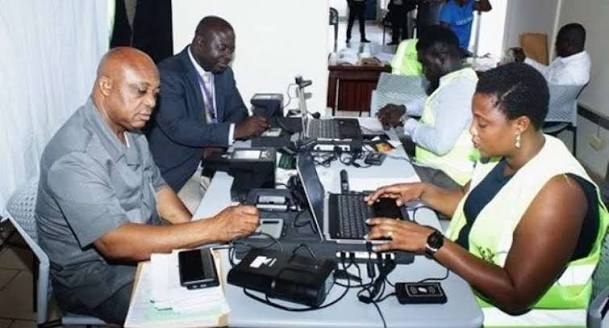
In 2026, businesses across Accra — from small market stalls to mid-size retailers, startups, and service providers — are increasingly turning to digital tools to survive, compete, and grow. This digital shift is not just a luxury but a strategic necessity, driven by changing consumer behavior, rising internet access, and evolving fintech solutions.
Yet adoption is uneven, and success depends on how well businesses integrate digital tools into their operations. This article by Accra Street Journal explores what’s working, what’s challenging, and what the future looks like for digitally-adapted businesses in Accra.

What’s Driving Digital Adoption in Accra
Mobile Money & Fintech Growth
Digital payments — via mobile money services, fintech platforms, and POS/online payment tools — remain a major driver. As of 2025, only about 37% of businesses in Ghana had adopted digital payment systems.
But adoption is heavily concentrated in Accra and other urban centers, giving city businesses a competitive edge.
📢 GET A DETAILED ARTICLES + JOBS
Join ASJ's WhatsApp Channel and never miss a post or opportunity.

Thanks to fintech startups — such as Hubtel, ExpressPay, and others — small and medium enterprises (SMEs) now have access to tools like: POS terminals, QR-code payments, online checkout portals, and real-time transaction analytics.
These options remove the dependence on cash, reduce security risks, and make transactions more seamless — a major plus for both merchants and customers.

E-commerce & Online Retail Expansion
More businesses are embracing e-commerce — selling goods via online stores, social media, or hybrid models combining physical and online retail. For example, large retail chains have launched online shops to complement their brick-and-mortar presence.
Smaller sellers — like fashion accessory vendors, artisans, home-based food businesses, and freelancers — leverage social media (Instagram, WhatsApp, Facebook) to reach customers across Accra and beyond, often with minimal overhead.
Improved Infrastructure & Tech Ecosystem
Accra’s improving internet penetration, smartphone adoption, and growth of coworking spaces and innovation hubs make it easier for businesses to go digital.
Startups and SMEs have greater access to cloud-based tools, logistics/fulfilment platforms, digital marketing, and remote work — enabling them to compete more effectively and scale faster.
Customer Expectations & Changing Payment Habits
Today’s consumers in Accra value convenience: contactless payment, home delivery, online ordering, digital receipts. Businesses that adapt digitally — offering mobile money, card or QR payments, online ordering — tend to attract and retain more customers.
Digital tools also help track sales, manage inventory, and deliver a better customer experience — factors that can give small businesses a competitive edge over traditional ones.
Early Results: What’s Working for Digital-Adopted Businesses
-
Broader customer reach: Through online stores and social media presence, sellers in Accra now reach customers beyond their local neighborhood or market — sometimes nationwide.
-
Lower cash-handling risk: Digital payments reduce cash theft risk — a major benefit for businesses that formerly kept large cash balances.
-
Better record-keeping and finance management: Digital transactions generate automatic records — useful for bookkeeping, tax compliance, and future financing.
-
Flexibility and scalability: Small businesses can start lean — selling via WhatsApp or Facebook — then scale up to online shops or POS-driven retail once demand grows.
-
Access to new services and fintech innovations: With integrated fintech platforms, even SMEs can access services like invoice generation, instant settlement, merchant loans, and more — tools once reserved for larger firms.
Why Many Businesses Still Struggle to Go Fully Digital
Despite the benefits, many firms — especially small and informal ones — have not adopted digital tools, or only partially did. According to a 2025 report, 63% of businesses in Ghana do not use digital payments.
1. Cost & Fees
Setting up digital payment acceptance (POS devices, merchant accounts, data costs) and integrating tools can be costly for small businesses. Some worry that transaction fees or upfront setup costs offset the benefits.
2. Knowledge and Trust Gap
Many business owners — especially older ones or those in informal sectors — lack awareness of digital tools’ benefits. There is also fear of fraud, scams, or losses if they move away from cash.

3. Infrastructure & Connectivity Issues
While Accra is relatively well-connected, some businesses still face unreliable internet, power fluctuations, or poor mobile data — hampering continuous online operations or POS transactions.
4. Regulatory and Compliance Uncertainty
With evolving fintech regulation, some entrepreneurs fear fines or complications around taxation, formal registration, or licensing when transitioning to digital or formalized payment methods.
5. Fragmented Adoption — Not All Tools in Use
Some businesses adopt digital payment but continue operations manually elsewhere; others use social-media sales but struggle with delivery/logistics, or lack inventory tracking. This partial adoption reduces overall efficiency gains.
What to Expect in 2026–2028: The Digital Future of Accra Business
-
Deeper fintech penetration: As platforms like Hubtel, ExpressPay, POS solutions, and the growing interest in e-payments expand, more SMEs in Accra will likely adopt digital payments and merchant tools.
-
Hybrid retail models: Traditional stores + online shops + delivery services — especially for retail, fashion, groceries, and household goods. This hybrid model offers convenience and resilience.
-
More digital-first startups: With coworking hubs, improved infrastructure, and fintech support, tech-enabled businesses (e-commerce, logistics, services, SaaS, content) will keep increasing.
-
Formalization & Financial Inclusion: Digital tools make it easier for informal businesses to keep records, access credit, comply with tax regulations, and expand beyond cash-only operations.
-
Better customer experience & competition: As more businesses digitize, consumers will demand more convenience — pushing firms to adopt payment, delivery, and online support to stay competitive.
Snapshot: Who’s Ahead — Who’s Lagging
| Business Type / Sector | Digital Adoption Level (2025) | Strengths from Digitization | Common Challenges |
|---|---|---|---|
| SMEs & Traders in Accra | ~ 37% use digital payments | Mobile money & POS access, lower cash risk, reach new customers | Fees, trust issues, low tech literacy, cash-based culture |
| Retail Chains & Larger Stores | High — e-commerce + physical shops | Inventory management, hybrid sales, online reach | Logistics, delivery reliability, coordination costs |
| Startups & Digital-Native Businesses | Growing fast | Scalable models, fintech integration, remote operations | Infrastructure cost, competition, cybersecurity, compliance |
| Service Providers & SMEs (salons, vendors) | Mixed adoption | Some using mobile-money payments, easier billing | Inconsistent adoption; some still rely on cash only |
FAQs — Digital Adoption by Accra Businesses in 2026
1. What percentage of businesses in Accra accept digital payments?
As of 2025, roughly 37% of businesses nationwide accept digital payments — adoption is higher in Accra and other major cities.
2. Which digital tools are most used by Ghanaian businesses?
Mobile money / merchant POS, QR-code payments, online stores or social-media storefronts, digital invoicing and payment platforms (Hubtel, ExpressPay), and integrated fintech services.
3. What benefits do businesses get from going digital?
Wider customer reach, safer transactions, better record-keeping, easier finances, improved customer satisfaction, and potential for growth and scalability.
4. What are the main barriers to digital adoption for small businesses?
Cost and fees of setup, lack of digital literacy, mistrust or fear of fraud, inconsistent infrastructure (power, internet), and regulatory or compliance concerns.
5. Is digital adoption growing or slowing down in Accra?
Growing — fintech platforms, increasing smartphone/internet coverage, and rising demand for convenience are all pushing more businesses to digitize.
Conclusion From ASJ
In 2026, as Ghana’s economy evolves and Accra remains at its center, digital tools are no longer optional extras — they are crucial for survival and growth. For businesses big and small, embracing fintech, e-commerce, online marketing, digital payments, and remote-friendly platforms is increasingly the difference between thriving and struggling.
The transition is uneven: some entrepreneurs ride the wave successfully; others lag due to cost, trust, or infrastructure hurdles. For Accra to remain competitive — and for its businesses to unlock their full potential — digital adoption must continue, supported by better education, infrastructure, and trust-building in fintech solutions.
Source: Accra Street Journal

Last Updated on March 9, 2026 by Samuel Kwame Boadu
Disclaimer: Some content on Accra Street Journal may be aggregated, summarized, or edited from third-party sources for informational purposes. Images and media are used under fair use or royalty-free licenses. Accra Street Journal is a subsidiary of SamBoad Publishing Hub under SamBoad Business Group Ltd, registered in Ghana since 2014.
For concerns or inquiries, please visit our Privacy Policy or Contact Page.

Samuel Kwame Boadu is a Ghanaian media entrepreneur and storyteller with a passion for amplifying urban voices and uncovering everyday truths. He is the Editor-in-Chief and Founder of Accra Street Journal, a dynamic digital platform dedicated to capturing the pulse of Ghana’s capital—its people, culture, challenges, business, sports and innovations.