6 min read
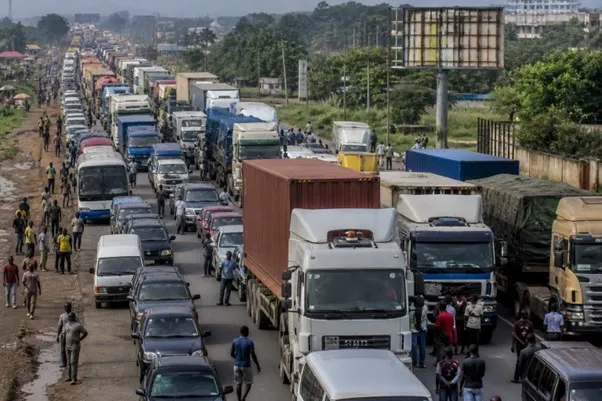
Accra, Ghana’s vibrant capital, is a city that never sleeps — and never seems to stop moving. With more than five million daily commuters and an ever-growing number of vehicles, traffic congestion has become a defining part of life in the city. Whether you’re heading to work, school, or the airport, knowing when and how to travel can make all the difference between a 15-minute drive and a two-hour crawl.
This comprehensive guide by Accra Street Journal explores Accra’s traffic patterns, the busiest routes, and the best times to travel — giving you practical insights to save time and reduce stress on the road.
Key Takeaways
- With more than five million daily commuters and an ever-growing number of vehicles, traffic congestion has become a defining part of life in the city.
- Rush-hour commuting patterns linked to central business districts like Osu, Accra Central, and Airport City.
- The integration of data-start="7449" data-end="7470">ride-hailing data and Google traffic analytics has made route planning more efficient.
1. Why Traffic in Accra Is a Daily Struggle
Accra’s traffic woes stem from a mix of population growth, unplanned road networks, and limited public transportation. With over 2.5 million vehicles registered in Greater Accra, the city’s infrastructure struggles to cope with the daily load.
Main Causes of Traffic Congestion
-
Narrow roads and poor intersections in older communities.
-
High car ownership among residents and businesses.
-
Unregulated parking and frequent road construction.
-
Rush-hour commuting patterns linked to central business districts like Osu, Accra Central, and Airport City.
The result: during peak hours, a simple 5 km drive can take up to 45 minutes or more.
2. Accra’s Traffic Hotspots
While congestion affects most parts of the city, certain roads and junctions are notorious for gridlock.
| Traffic Hotspot | Key Routes Affected | Typical Delay (Peak Hours) |
|---|---|---|
| Kwame Nkrumah Circle | Kaneshie, Adabraka, Achimota | 30–60 mins |
| Madina – Adenta Stretch | Legon, Oyarifa, Dodowa | 45–90 mins |
| Spintex Road | Teshie, Nungua, Tema | 30–70 mins |
| Mallam Junction – Weija | Kasoa, Gbawe, McCarthy Hill | 60–120 mins |
| Airport Road | 37, Dzorwulu, East Legon | 30–50 mins |
| Kaneshie – Odorkor – Lapaz | Dansoman, Darkuman, Awoshie | 40–80 mins |
| Accra Central | Makola, UTC, Tudu | 30–90 mins |
Understanding these key routes helps you plan travel times better and avoid sitting in long queues during rush hours.
3. Best Times to Travel in Accra
If you want to move efficiently through Accra’s busy roads, timing is everything. The city’s traffic patterns are consistent throughout the week, with peak hours influenced by school runs, office schedules, and weekend shopping.
Weekday Traffic Patterns (Monday–Friday)
| Time Period | Traffic Condition | Recommendation |
|---|---|---|
| 4:30 AM – 6:00 AM | Light | Best time for smooth travel. Roads are free. |
| 6:00 AM – 9:00 AM | Heavy (Morning Rush) | Avoid major routes to the CBD, Airport, and Circle. |
| 9:00 AM – 3:30 PM | Moderate | Ideal window for errands and deliveries. |
| 4:00 PM – 7:30 PM | Very Heavy (Evening Rush) | Avoid Spintex, Kasoa, and Achimota routes. |
| 8:00 PM – 11:00 PM | Light | Great for night commutes or airport trips. |
Weekend Traffic Patterns (Saturday–Sunday)
| Time Period | Traffic Condition | Notes |
|---|---|---|
| 6:00 AM – 9:00 AM | Light | Ideal for market trips or long-distance travel. |
| 10:00 AM – 3:00 PM | Moderate | Expect mild congestion around shopping centers. |
| 4:00 PM – 8:00 PM | Heavy | Leisure and event traffic increase delays. |
| After 8:00 PM | Light | Roads mostly clear except near nightlife spots. |
Public Holidays and Paydays
-
Expect unusual traffic spikes around the first and last weekends of the month, especially near ATMs, malls, and transport terminals.
-
Before long holidays, congestion around STC, VIP, and OA terminals intensifies as travelers leave the city.
4. Best Days to Travel Within Accra
-
Tuesday to Thursday – Generally the best days for moving around.
-
Monday mornings and Friday evenings – Worst for traffic delays due to work-week transitions.
-
Saturday afternoons – Busy around shopping zones (Accra Mall, Achimota Retail Centre, Makola).
-
Sunday mornings – Very light traffic until 1 PM, ideal for city travel.
5. Smart Tips to Beat Accra Traffic
a. Start Early or Late
Leaving home before 6 AM or after 9 AM can cut travel time by half. Similarly, returning after 8 PM often guarantees smooth movement.
b. Use Alternate Routes
Familiarize yourself with inner roads and bypasses:
-
Use Legon–Adjiringanor instead of main Madina road.
-
Try Dzorwulu–Airport West instead of 37–Airport stretch.
-
Use Teshie–Spintex backroads during peak hours.
c. Track Traffic Digitally
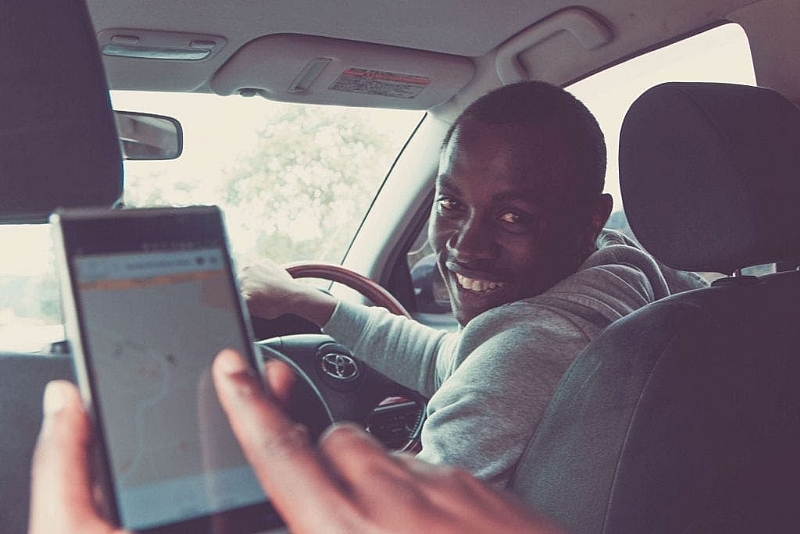
Apps like Google Maps, Waze, and Yango offer real-time traffic updates. Ghana’s ride-hailing services (Uber, Bolt, and Yango) also show estimated delays before pickup.
d. Combine Transport Modes
Sometimes, a mix of TroTro + Okada (motorcycle) or Bolt + walking can save time during standstill congestion, especially in neighborhoods like Madina and Lapaz.

e. Plan Meetings Smartly
For professionals, scheduling meetings between 10 AM and 3 PM helps avoid peak-hour frustration.
6. Areas with the Worst Traffic in Accra
These areas consistently rank among the most congested in the city:

-
Kasoa–Weija stretch (commuters from Central Region)
-
Spintex–Coca Cola Roundabout
-
Madina Zongo Junction – Atomic Roundabout
-
Circle Interchange
-
Accra Central (Tudu, UTC, Makola Market)
-
Kaneshie Market Junction
-
Lapaz – N1 Highway intersection
Most of these zones double as commercial and residential hubs, making them traffic magnets at nearly all hours.
7. Best Times for Airport Travel
When heading to Kotoka International Airport, plan your trip strategically to avoid missing flights:
-
Morning flights (6 AM–10 AM): Leave by 4:30 AM from Kasoa or 5:00 AM from East Legon.
-
Afternoon flights: Depart before 1:00 PM to avoid the evening rush.
-
Evening flights (after 7 PM): Leave after 8 PM for smooth access via Liberation Road.
8. Long-Term Traffic Solutions for Accra
The government and private sector are making strides toward easing congestion through:
-
Expansion of the Tema Motorway Interchange
-
Construction of the Pokuase and Ofankor–Nsawam roads
-
Introduction of Bus Rapid Transit (Ayalolo)
-
Smart traffic light synchronization in key junctions
-
Promotion of carpooling and public transport use
However, urban planning and discipline remain key to lasting improvement.
9. What the Future Holds
By 2025, Accra’s traffic situation continues to be challenging but slightly improved due to new road projects and digitized transport solutions. The integration of data-start=”7449″ data-end=”7470″>ride-hailing data and Google traffic analytics has made route planning more efficient.
Experts predict that if infrastructure expansion continues, average commute times could drop by 15–20% by 2030 — but only if drivers and city authorities enforce parking and traffic regulations consistently.
FAQs – Accra Traffic
1. What time does rush hour start in Accra?
Morning rush hour begins around 6 AM and peaks at 8:30 AM. Evening rush starts around 4 PM and eases after 7:30 PM.
2. Which area has the worst traffic in Accra?
The Kasoa–Weija, Circle, and Spintex corridors are among the worst.
3. How can I check real-time traffic in Accra?
Use Google Maps, Bolt, or Yango apps for live traffic updates and route suggestions.
4. What’s the best day to travel in Accra?
Midweek days — Tuesday to Thursday — generally have the least congestion.

5. Is traffic worse during the rainy season?
Yes. Flooding and poor drainage significantly worsen travel times during heavy rains.
Source: Accra Street Journal
Last Updated on March 7, 2026 by Samuel Kwame Boadu
Disclaimer: Some content on Accra Street Journal may be aggregated, summarized, or edited from third-party sources for informational purposes. Images and media are used under fair use or royalty-free licenses. Accra Street Journal is a subsidiary of SamBoad Publishing Hub under SamBoad Business Group Ltd, registered in Ghana since 2014.
For concerns or inquiries, please visit our Privacy Policy or Contact Page.

Samuel Kwame Boadu is a Ghanaian media entrepreneur and storyteller with a passion for amplifying urban voices and uncovering everyday truths. He is the Editor-in-Chief and Founder of Accra Street Journal, a dynamic digital platform dedicated to capturing the pulse of Ghana’s capital—its people, culture, challenges, business, sports and innovations.
Use the following reference when citing or referencing this article.
Your feedback helps us improve our journalism.
Report an Error
Help us maintain accuracy. Let our editorial team know if you spot an issue in this article.
Report a problem with this article