









6 min read
As government prepares to roll out its US$10 billion New Economy programme, IMANI Africa policy analyst Sitsofe Mensah argues the 2027 Budget must go beyond announcing financial commitments and address the structural problems that make agriculture unattractive to commercial lenders.
Ghana’s efforts to increase agricultural production and attract more investment will remain limited unless farmers and agribusinesses can access the financing needed to expand their operations.
Key Takeaways
- Ghana's efforts to increase agricultural production and attract more investment will remain limited unless farmers and agribusinesses can access the financing needed to expand their operations.
- Instead, he calls for channelling at least 70% of productive-sector funding through institutions such as Development Bank Ghana (DBG) and the Ghana Incentive-Based Risk-Sharing System for Agricultural Lending (GIRSAL).
- He proposes using these institutions to provide first-loss guarantees and finance irrigation infrastructure, while requiring every GH¢1 of public investment to attract at least GH¢3 in commercial bank lending.
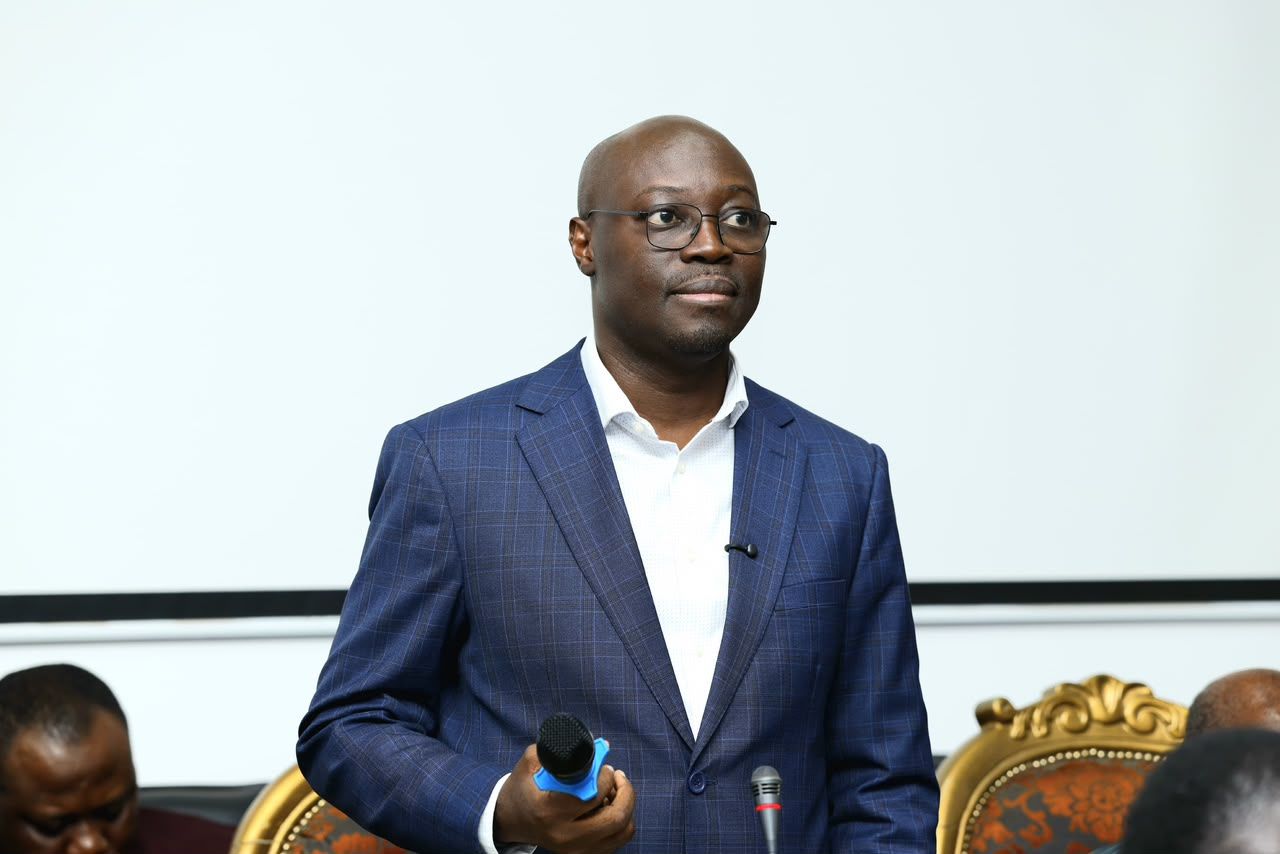
As government prepares to roll out its US$10 billion New Economy programme, policy analyst with IMANI Center for Policy and Education, Sitsofe Mensah, believes the 2027 Budget must go beyond announcing financial commitments and address the structural problems that make agriculture unattractive to commercial lenders.
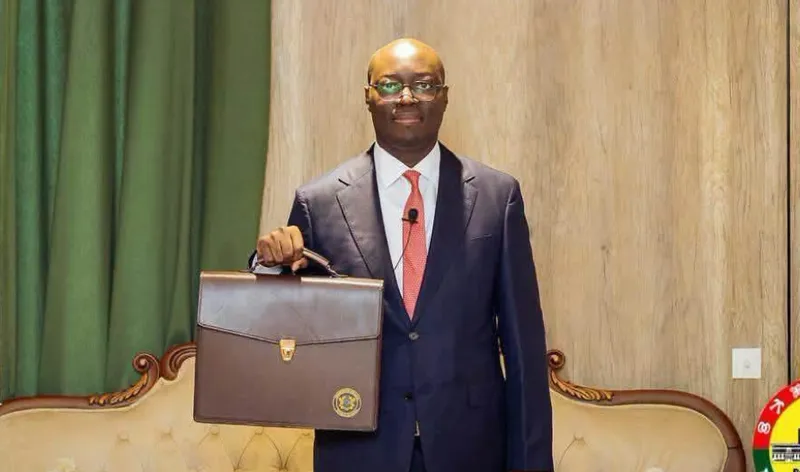
In his analysis ahead of the Budget presentation by Finance Minister Dr Cassiel Ato Forson, Mensah outlines four critical tests the government must pass to make agricultural businesses more bankable, reduce loan defaults and direct more commercial credit into the sector.
The framing is deliberate. Ghana’s agricultural financing problem is not a shortage of policy ambition — successive budgets have pledged support — but a persistent gap between public announcements and the risk profile that determines whether a bank will actually lend. Mensah’s four tests are aimed squarely at that gap.
Test One: Stop Direct Ministry Lending and Use Development Finance Institutions
Mensah wants government to stop relying on ministries to distribute loans directly to businesses.
Instead, he calls for channelling at least 70% of productive-sector funding through institutions such as Development Bank Ghana (DBG) and the Ghana Incentive-Based Risk-Sharing System for Agricultural Lending (GIRSAL).
He proposes using these institutions to provide first-loss guarantees and finance irrigation infrastructure, while requiring every GH¢1 of public investment to attract at least GH¢3 in commercial bank lending.
This approach, he argues, would use public funds to reduce lending risks and encourage banks to finance businesses they might otherwise consider too risky.
The rationale rests on a straightforward principle: ministries are designed to disburse budgets, not to underwrite credit. DFIs, by contrast, hold the mandate, the risk-management capacity and the balance-sheet structure to absorb first losses and price risk — functions that determine whether commercial banks follow.
Test Two: Address the Root Causes of Agricultural Loan Defaults
With agricultural loan defaults reportedly reaching 60.9 per cent, Mensah argues that government must tackle the risks that make farmers and agribusinesses struggle to repay their loans.

He recommends linking agricultural support to practical risk-reduction measures, including:
-
Irrigation
-
Weather-indexed insurance
-
Electronic warehouse receipts through the Ghana Commodity Exchange
He also wants government to extend its recent efforts to clear contractor arrears to payments owed under food buffer and school supply contracts.

The objective is to protect agricultural businesses against weather shocks, storage and market difficulties, and delayed payments.
That last point is often underweighted in policy discussions. A farmer who has delivered maize to a state buyer and is waiting months for payment is not a credit risk because of poor husbandry — he is a credit risk because the government itself is the delinquent counterparty. Clearing those arrears would remove a structural default driver that has little to do with farming.
Test Three: Power the 24-Hour Economy Before Taxing It
Mensah argues that government cannot expect pharmaceutical, textile and other manufacturing businesses to operate around the clock if electricity remains expensive and unreliable.
He therefore wants the 2027 Budget to provide exemptions or deferments on import duties and upfront VAT for:
-
Commercial solar inverters
-
Battery storage systems
-
Factory equipment imported through Tema Port
Such measures, he believes, could lower the cost of investing in alternative power sources and help factories operate additional shifts without depending heavily on diesel generators.
The logic connects two policies that have so far run on separate tracks: the 24-Hour Economy agenda and the country’s energy cost problem. A factory cannot run three shifts on unreliable grid power and expensive diesel; the tax treatment of solar and storage equipment therefore becomes industrial policy, not environmental policy.
Test Four: Build Digital Infrastructure to Make Businesses Bankable
His fourth proposal is for government to treat Digital Public Infrastructure as an essential foundation of the New Economy programme.
The analyst argues that linking the Ghana Card, digital land registries and Ghana Revenue Authority e-invoicing systems could help banks assess the creditworthiness of thousands of smallholder farmers and small businesses.
He identifies the National Data Exchange (NDX) as particularly important, arguing that it should provide affordable and efficient access to information rather than become another revenue-generating channel through costly verification fees.
That warning is pointed. Ghana has a track record of building digital systems that function technically but are priced in ways that exclude the very users they were designed to serve. If credit assessment data is expensive to access, banks will continue to rely on collateral — and smallholders will remain unbankable.

ASJ Bottom Line
The analyst believes Ghana must make agricultural businesses as attractive to lenders as import and trading businesses.
He argues that moving agriculture’s credit parity ratio from 14% towards 50% by 2030 will require more than public spending: it will require reducing the risks that keep banks away from the sector.
Quick Facts
Sitsofe Mensah, policy analyst at IMANI Center for Policy and Education, has set out four tests for Ghana’s 2027 Budget ahead of the rollout of the US$10 billion New Economy programme. He wants at least 70% of productive-sector funding channelled through Development Bank Ghana and GIRSAL, with first-loss guarantees and a requirement that every GH¢1 of public investment attract at least GH¢3 in commercial lending.
With agricultural loan defaults at 60.9 per cent, he calls for irrigation, weather-indexed insurance and electronic warehouse receipts through the Ghana Commodity Exchange, plus clearance of arrears under food buffer and school supply contracts.
He also seeks import duty and upfront VAT exemptions or deferments on commercial solar inverters, battery storage and factory equipment through Tema Port to make the 24-Hour Economy viable, and wants the Ghana Card, digital land registries and GRA e-invoicing linked through the National Data Exchange (NDX) — priced affordably rather than as a revenue channel. His target is to move agriculture’s credit parity ratio from 14% to 50% by 2030.
Source: Accra Street Journal
Last Updated on November 11, 2026 by Samuel Kwame Boadu
Disclaimer: Some content on Accra Street Journal may be aggregated, summarized, or edited from third-party sources for informational purposes. Images and media are used under fair use or royalty-free licenses. Accra Street Journal is a subsidiary of SamBoad Publishing Hub under SamBoad Business Group Ltd, registered in Ghana since 2014.
For concerns or inquiries, please visit our Privacy Policy or Contact Page.

Samuel Kwame Boadu is a Ghanaian media entrepreneur and storyteller with a passion for amplifying urban voices and uncovering everyday truths. He is the Editor-in-Chief and Founder of Accra Street Journal, a dynamic digital platform dedicated to capturing the pulse of Ghana’s capital—its people, culture, challenges, business, sports and innovations.
Use the following reference when citing or referencing this article.
Your feedback helps us improve our journalism.
Report an Error
Help us maintain accuracy. Let our editorial team know if you spot an issue in this article.
Report a problem with this article