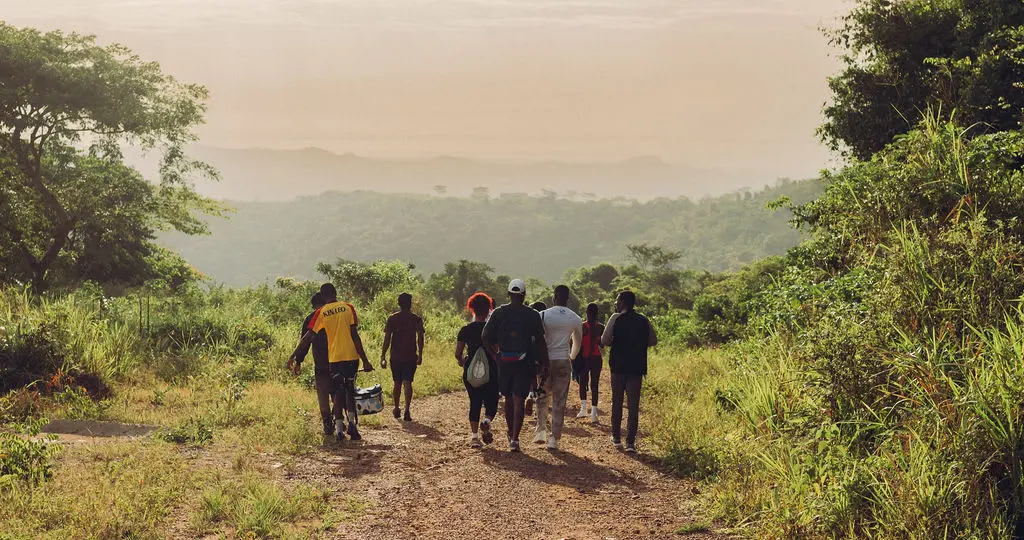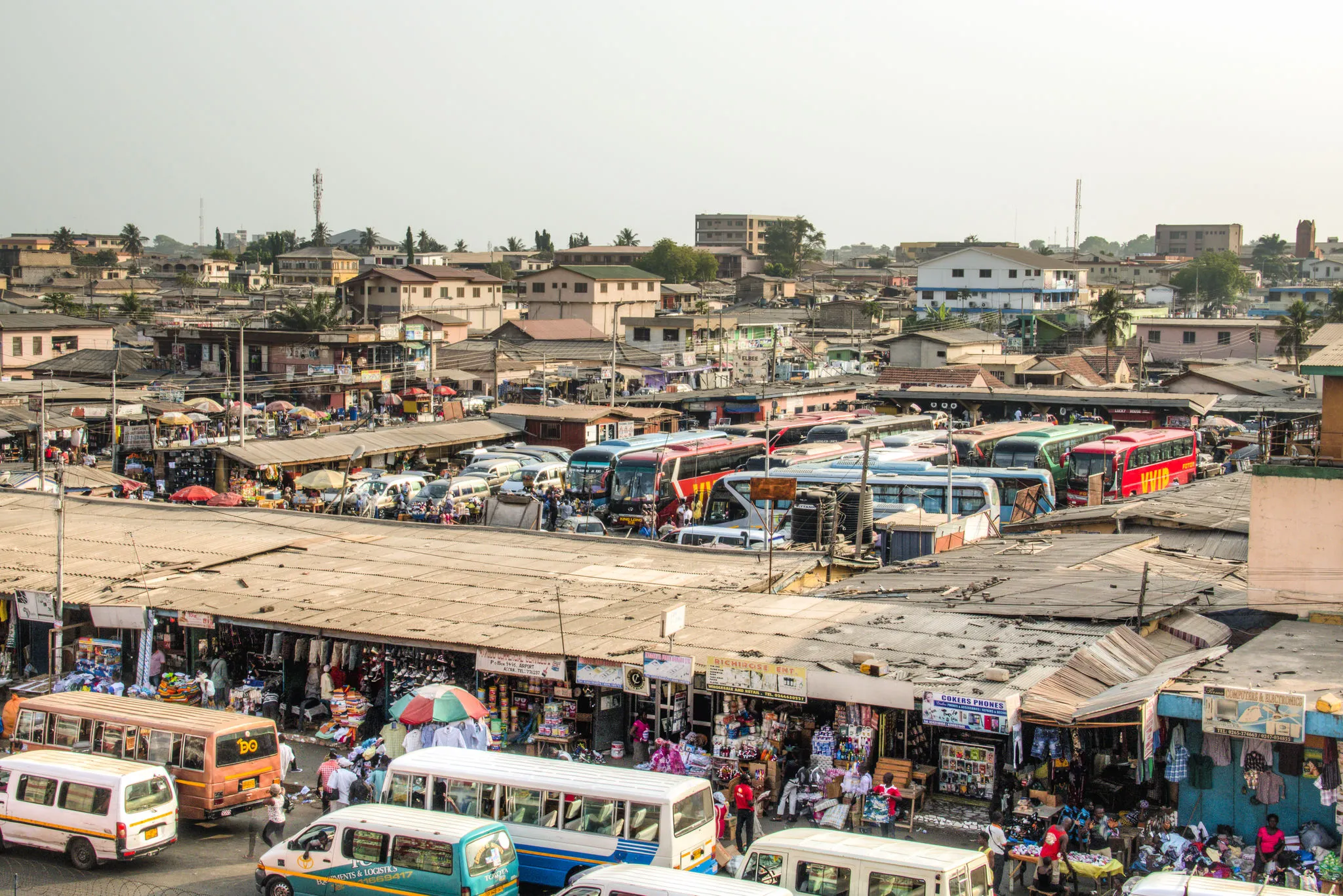
Travelling from Accra to Mauritania by road is a serious overland expedition, not a casual weekend trip. There’s no direct bus. You’ll change vehicles at least twice—likely in Lomé, Togo, and Bamako, Mali—before continuing to Nouakchott, the Mauritanian capital. This journey crosses through at least four countries and covers nearly 3,000 kilometres. It’s a test of patience and planning, but it is possible. Here’s the real picture on how to do it.
Can You Travel from Accra to Mauritania by Bus?
Yes, you can travel from Accra to Mauritania by bus, but you’ll need to piece together the journey. There is no single bus operator running from Ghana all the way to Mauritania. The recommended and widely cited route involves a three-stage bus journey: Accra to Lomé, Lomé to Bamako, and then Bamako to Nouakchott . Some sources mention an alternative routing via Kumasi , but the Accra-Lomé-Bamako-Nouakchott path is the most documented.

The Route from Accra to Mauritania
The most realistic overland route from Accra to Nouakchott follows the Trans-West African Coastal Highway corridor inland.
📢 GET A DETAILED ARTICLES + JOBS
Join ASJ's WhatsApp Channel and never miss a post or opportunity.

The journey begins in Accra, heads east to Lomé in Togo, then turns north through Togo and Burkina Faso (or via a more direct western route through Côte d’Ivoire and Mali, depending on the bus operator) to reach Bamako, the capital of Mali. From Bamako, you head northwest, crossing into Mauritania to reach Nouakchott. The total road distance is approximately 2,969 kilometres .
| Stage | Route | Estimated Travel Time | Transport |
|---|---|---|---|
| 1 | Accra (Circle Bus Station) to Lomé, Togo | 3.5 – 4 hours | STM Voyageurs Bus |
| 2 | Lomé to Bamako, Mali | 25 – 26 hours | Billet Express or similar bus |
| 3 | Bamako to Nouakchott, Mauritania | 21 – 26 hours | Sonef or Billet Express bus |
Countries and Borders You May Cross
On the primary Accra-Lomé-Bamako-Nouakchott route, you will cross the borders of four countries. You must be prepared for immigration and customs checks at each one.

| Country | Status for Traveller | Border Crossing Process | Practical Issues |
|---|---|---|---|
| Togo | Transit | Exit Ghana at Aflao, enter Togo at Lomé. Passport stamping. | Straightforward ECOWAS crossing. |
| Mali | Transit | Cross from Togo or Burkina Faso/Côte d’Ivoire into Mali. | You may need a visa for Mali. Check the current requirements. |
| Mauritania | Destination | Enter at a land border post, likely near Nioro or from a route through Senegal (if taken). | Immigration and customs checks. Passport stamping. |
Where to Start the Journey in Accra
Your journey starts at the Circle Bus Station in Accra. This is where you’ll catch a bus to Lomé, Togo. The primary operator on this route mentioned in travel resources is STM Voyageurs .
-
Booking: It is advisable to book in advance for the longer legs, especially the Lomé-Bamako and Bamako-Nouakchott buses.
-
Arrival Time: Arrive at the station at least one hour before departure to secure your seat and load luggage.
Bus Fares and Estimated Transport Costs
Transport fares for this long journey are typically quoted in US dollars or CFA francs, but here is the estimated breakdown.
| Journey Stage | Estimated Fare (USD) | Estimated Fare (GH₵) | Notes |
|---|---|---|---|
| Accra to Lomé | $19 – $27 | GH₵ 300 – 430 | STM Voyageurs bus |
| Lomé to Bamako | $85 – $140 | GH₵ 1,350 – 2,200 | Long-haul bus |
| Bamako to Nouakchott | $45 – $70 | GH₵ 700 – 1,100 | Sonef or Billet Express bus |
| Total Estimated Bus Fare | $149 – $237 | GH₵ 2,350 – 3,730 | Total for all three stages |
Important: This does not include food, accommodation during layovers, local transport, or miscellaneous expenses. The Ghana cedi (GH₵) estimates are based on an exchange rate of approximately 1 USD = 15.75 GH₵.
Note: Transport fares can change due to fuel prices, exchange rates, season, demand, road conditions and decisions by transport operators. Travellers should confirm current prices before departure.
How Long Does the Journey Take?
The actual bus travel time is roughly 48 hours spread across three days, not including layovers. However, border crossings can be slow, and bus connections are not always seamless.
-
Accra to Lomé: ~4 hours.
-
Lomé to Bamako: ~26 hours (you may need to stay overnight in Bamako).
-
Bamako to Nouakchott: ~21 to 26 hours.
Including waiting time and overnight stops, you should plan for at least three to four days for the entire overland journey.
Visa and Entry Requirements for Ghanaian Travellers
Ghanaian passport holders require a visa to enter Mauritania. The most current information available points to Mauritania offering an e-Visa to Ghanaian citizens . This must be obtained online before you travel. The approval is electronic and linked to your passport.
-
Passport Validity: Ensure your passport is valid for at least six months from your intended date of entry.
-
Yellow Fever Certificate: This is required for entry into many West African countries, including Mauritania. You must carry your international yellow fever vaccination certificate.
Note: Visa and immigration rules can change. Always verify the current requirements with the Mauritanian embassy or official government sources before your trip.
What About Visa Requirements for Transit Countries?
While Ghanaian passport holders generally enjoy visa-free or visa-on-arrival access to many ECOWAS countries, Mali and Togo are members of ECOWAS, which typically allows for visa-free movement . However, it is crucial to check the current entry requirements for each transit country before you travel.

| Country | Ghanaian Traveller Requirement | Important Notes |
|---|---|---|
| Togo | ECOWAS – Visa-free | Free movement for up to 90 days. |
| Mali | ECOWAS – Visa-free (likely) | Free movement for up to 90 days. Check for any recent changes. |
| Mauritania | e-Visa required | Apply online before travel. |
Travellers should confirm the current entry or transit requirements with the relevant embassy, immigration authority or official government source before travelling.
What to Expect at the Border
Border crossings on this route are a mix of straightforward and chaotic. You’ll typically leave the bus, go through passport control for an exit stamp, walk to the other country’s immigration post, and get your entry stamp. Expect potential delays, especially at busy crossings. Officials may ask for your yellow fever certificate. Keep your documents handy and be patient.
How Much Money Should You Budget for the Entire Journey?
A realistic budget for the entire journey, including transport, must account for more than just bus fares.
| Expense | Budget Range (USD) |
|---|---|
| Total Bus Fare (Accra – Nouakchott) | $149 – $237 |
| Accommodation (Layovers in Lomé & Bamako) | $30 – $60 |
| Food & Water (4 days) | $40 – $80 |
| Local Transport (Taxis, etc.) | $20 – $40 |
| Contingency/Emergency Fund | $50 – $100 |
| Total Estimated Budget | $289 – $517 |
-
Low-budget estimate: $300 – $350 (approx. GH₵ 4,700 – 5,500).
-
More comfortable estimate: $450 – $550 (approx. GH₵ 7,000 – 8,600).
Currency and Money Matters
-
Mauritania: The currency is the Mauritanian Ouguiya (MRU) .
-
Transit Countries: The West African CFA franc (XOF) is used in Togo and Mali.
-
Cash is King: US dollars are widely exchangeable. Euros may also be accepted. Ghana cedis (GH₵) will not be useful outside Ghana. Exchange your cedis for US dollars or CFA francs before you leave Accra.
-
ATMs/Cards: ATMs are available in major cities like Bamako and Nouakchott, but they are not always reliable. Card acceptance is limited outside major hotels.
Language and Communication
-
Official Language (Mauritania): Arabic.
-
Widely Spoken: French is widely used in government and business. Hassaniya Arabic is the local dialect.
-
Transit Countries: French is the official language in Togo and Mali. English is not commonly understood outside Ghana.
Useful Words or Phrases for Travellers
-
Salam alaykum – Peace be upon you (common greeting)
-
Choukran – Thank you
-
Afwan – You’re welcome / Excuse me
-
Mabrouk – Congratulations / Well done
-
Kif halek? – How are you?
What Should You Pack?
-
Passport & Visa: Valid passport with at least six months validity, Mauritania e-Visa printout.
-
Copies: Photocopies of your passport and visa (keep separate from originals).
-
Vaccination Certificate: International Yellow Fever Certificate.
-
Cash & Cards: US dollars, CFA francs, and a backup card.
-
Phone & Chargers: Power bank is essential.
-
Water & Snacks: Carry your own water and non-perishable snacks for the long bus rides.
-
Medication: Any personal prescription medication and basic first-aid items.
-
Clothing: Modest and comfortable clothing suitable for a long journey.
-
Toiletries: Include hand sanitizer and toilet paper.
-
Emergency Contacts: Written list of important numbers.
Where Will You Arrive?
The final bus from Bamako will terminate at the main bus station in Nouakchott, the capital of Mauritania. You may need to take a taxi from the bus station to your hotel. Taxis are widely available, and you should negotiate the fare before getting in.
Accommodation and Where to Stay
In Nouakchott, the area around the city centre and the Nouakchott International Airport have a range of hotels. It is advisable to book your first night’s accommodation in advance.
Food and Daily Living Costs
In Mauritania, the cuisine is influenced by North African and West African traditions, with fish and lamb being popular. Rice and couscous are staples. While there is street food, a Ghanaian traveller may find it less familiar than what they are used to in West Africa. Basic meals are relatively affordable, but prices can be higher in tourist-oriented restaurants.
Tourist Attractions and Things to Do in Mauritania
-
The Ben Amera Monolith: One of the largest monoliths in the world, located in the desert.
-
The Banc d’Arguin National Park: A UNESCO World Heritage site, a haven for migratory birds.
-
Nouakchott’s Port and Fishing Village: See the daily catch and vibrant local life.
-
Terjit Oasis: A beautiful desert oasis near Atar (requires a domestic journey from Nouakchott).
-
Chinguetti: An ancient city with important Islamic libraries.
Is It Safe to Travel from Accra to Mauritania by Road?
This is a long overland journey through multiple countries, and safety considerations are serious. Travel advisories often highlight risks of terrorism and kidnapping in the Sahel region, which includes parts of Mali and potentially the border areas of Mauritania. It is strongly advised to check the current security situation in all transit countries and at your destination before you travel. Exercise extreme caution, especially with night travel.
Best Time to Travel
The best time to make this overland journey is during the cooler, dry season, which is roughly from November to February. During the hot season (March-June), temperatures can be extreme, making the long bus rides very uncomfortable. The rainy season (July-October) can make roads difficult.
SIM Cards, Internet and Communication
Mauritania has several mobile network operators. A Mauritanian SIM card can be purchased at the airport or in town for local data and calls. Internet access is available in major cities but can be slow and expensive. Wi-Fi is available in many hotels in Nouakchott.
Practical Tips Before Starting the Journey
-
Confirm each bus connection before you travel, and if possible, book your long-haul tickets (Lomé-Bamako, Bamako-Nouakchott) in advance.
-
Allow for delays. Treat the journey time as a range, not a fixed schedule.
-
Carry extra cash in US dollars. It’s the most reliable emergency currency.
-
Keep digital and physical copies of your passport in separate bags.
-
Do not rely on a single transport connection. Be prepared to spend a night in Lomé or Bamako.
-
Confirm visa requirements for every transit country before you depart Accra.
-
Keep your yellow fever certificate with your passport at all times.
-
Pack light but bring enough snacks and water for long stretches without amenities.
Frequently Asked Questions About Travelling from Accra to Mauritania by Bus
Can I travel from Accra to Mauritania by bus?
Yes, you can, but there is no direct bus. You will need to connect through Lomé, Togo, and Bamako, Mali .
How much does it cost to travel from Accra to Mauritania by road?
Total bus fares are estimated at approximately $149 – $237 (GH₵ 2,350 – 3,730). With accommodation and food, a budget of $300 – $550 is realistic.

How long does the journey take?
Driving time is about 48 hours, but with layovers and border crossings, expect the journey to take three to four days.
Is there a direct bus from Accra to Mauritania?
No, there is no direct bus service from Accra to Mauritania .
Which countries will I pass through?
The primary route passes through Togo, Mali, and then Mauritania .
Do Ghanaians need a visa for Mauritania?
Yes. Ghanaian passport holders require an e-Visa to enter Mauritania, which must be applied for online before travel .
Do I need a visa for transit countries?
Ghanaian passport holders generally have visa-free access to ECOWAS countries like Togo and Mali, but you must confirm this before travelling .
Where do I start the journey in Accra?
The journey starts at the Circle Bus Station in Accra, where you take a bus to Lomé, Togo .
What currency is used in Mauritania?
The local currency is the Mauritanian Ouguiya (MRU) . US dollars and CFA francs are also useful.
Is it safe to travel by road?
The route passes through areas with security concerns. Check current travel advisories for Mali and Mauritania before you go.
What documents do I need?
You need your passport, Mauritania e-Visa, and Yellow Fever vaccination certificate.
Can I use my Ghana SIM card?
Your Ghana SIM card might work on roaming in some countries, but it will be expensive. It is better to buy a local SIM card in Mauritania.
Final Thoughts on Travelling from Accra to Mauritania by Bus
Travelling from Accra to Mauritania by bus is not for the faint-hearted. It’s an epic, multi-day journey that requires careful planning, flexibility, and a resilient spirit. There is no direct bus, the roads are long, and border crossings can be unpredictable. However, for the adventurous traveller, it’s a way to see West Africa up close. Success depends on preparation—confirming visas, having enough cash, and understanding that delays are part of the experience.
For more destinations, transport options and road travel guides, explore our Complete Travel Guide from Accra.
Source: Accra Street Journal
Last Updated on September 5, 2026 by Samuel Kwame Boadu
Disclaimer: Some content on Accra Street Journal may be aggregated, summarized, or edited from third-party sources for informational purposes. Images and media are used under fair use or royalty-free licenses. Accra Street Journal is a subsidiary of SamBoad Publishing Hub under SamBoad Business Group Ltd, registered in Ghana since 2014.
For concerns or inquiries, please visit our Privacy Policy or Contact Page.

Samuel Kwame Boadu is a Ghanaian media entrepreneur and storyteller with a passion for amplifying urban voices and uncovering everyday truths. He is the Editor-in-Chief and Founder of Accra Street Journal, a dynamic digital platform dedicated to capturing the pulse of Ghana’s capital—its people, culture, challenges, business, sports and innovations.