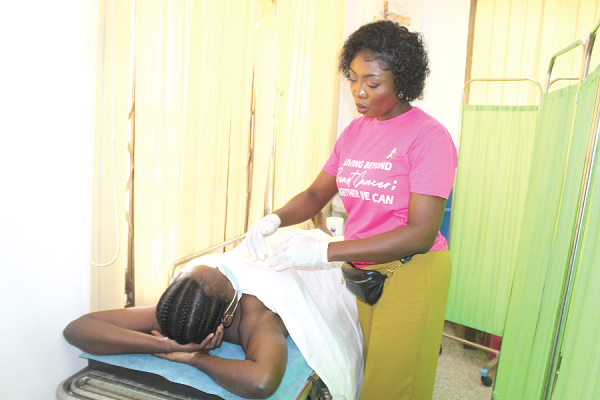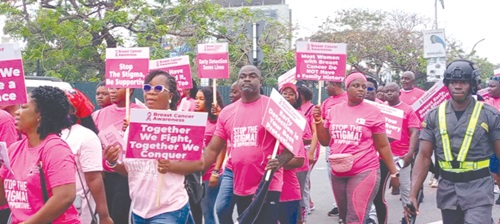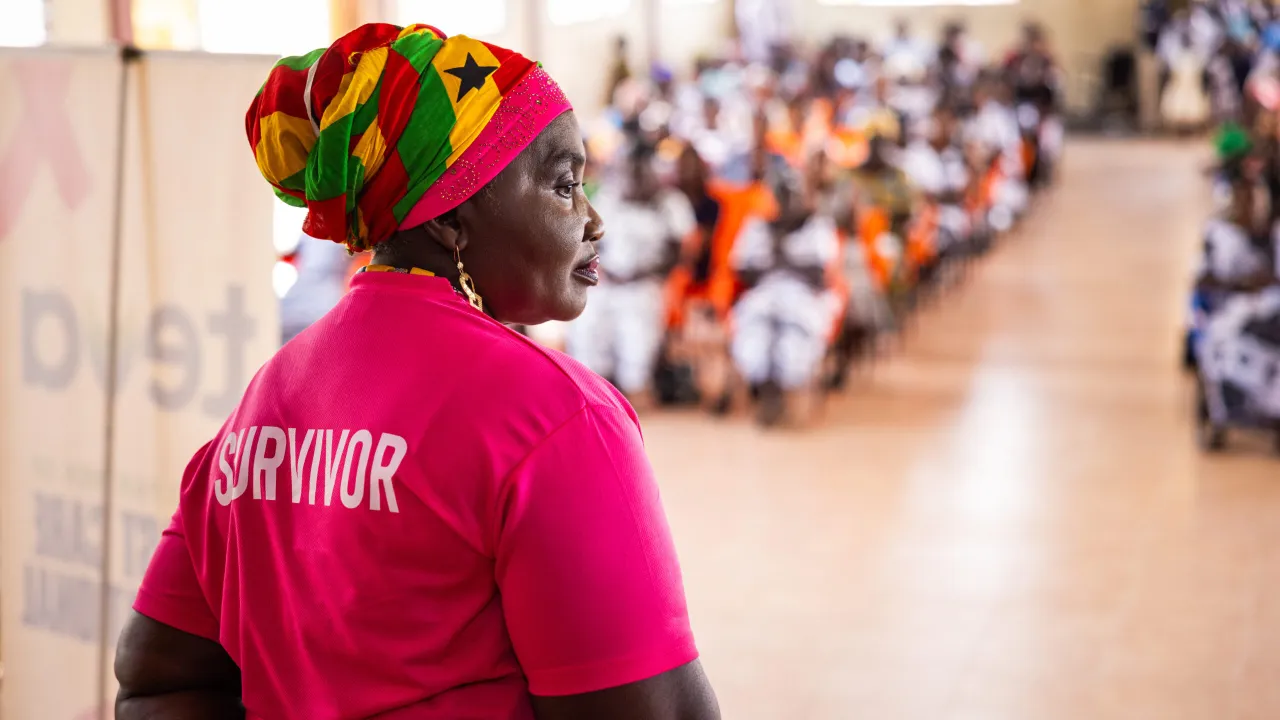






Every October, the world turns pink. Landmarks are illuminated, football players wear pink cleats, and communities gather for walks and runs. But behind the sea of pink ribbons lies a story that began four decades ago as a simple partnership to promote a single medical screening.
The Origin: A Week-Long Campaign in 1985
Breast Cancer Awareness Month (BCAM) was founded in 1985 as a week-long awareness campaign by the American Cancer Society in partnership with the pharmaceutical division of Imperial Chemical Industries (now part of AstraZeneca, which produces several anti-breast cancer drugs).

The initial and primary aim was to promote mammography as the most effective weapon in the fight against breast cancer. The campaign was later extended to a month-long event.
📢 GET A DETAILED ARTICLES + JOBS
Join ASJ's WhatsApp Channel and never miss a post or opportunity.

The Pink Ribbon and Evelyn Lauder
The pink ribbon, now synonymous with the cause, came a few years later. In 1991, the Susan G. Komen Foundation first handed out pink ribbons to participants in a race in New York City.
The following year, in 1992, Evelyn Lauder, Senior Corporate Vice President of Estée Lauder Companies, and Alexandra Penney, then editor of SELF magazine, launched a nationwide awareness campaign and established the pink ribbon as its symbol. Lauder also founded The Breast Cancer Research Foundation in 1993, cementing the pink ribbon’s place as a global emblem for breast cancer awareness.
Presidential Proclamation and Global Reach
The movement gained official recognition in the United States when President George W. Bush proclaimed October as National Breast Cancer Awareness Month in 1990. This federal endorsement helped transform the campaign into a powerful platform for advocacy, raising substantial funds for research and catalysing policy changes.
Over the decades, the campaign has become a global phenomenon, organized by major breast cancer charities worldwide every October to increase awareness and raise funds for research into its cause, prevention, diagnosis, treatment, and cure.
Why the Campaign Matters
The impact of the October campaign has been significant. It brought breast cancer awareness and early detection to the forefront of society, empowering patients and survivors and fostering open discussions about the disease. While critics have pointed to issues like “pink washing” and the commercialisation of the cause, the campaign’s role in raising awareness and funding is undisputed.
As the campaign evolved, so did its focus. Recognizing that young women face unique challenges with breast cancer, the BCYW Foundation introduced a pink-purple ribbon to spotlight rising instances among younger women and the distinct obstacles they confront.
ASJ Bottom Line
October is Breast Cancer Awareness Month because of a deliberate, decades-long effort to bring a once-stigmatized disease into the light. What began in 1985 as a campaign to promote mammograms has grown into a global movement symbolized by the pink ribbon—a movement that continues to save lives through awareness, early detection, and research funding.
Quick Facts
| Topic | Details |
|---|---|
| Founded | 1985 |
| Founding Partners | American Cancer Society and Imperial Chemical Industries (now AstraZeneca) |
| Original Aim | Promote mammography as the most effective weapon against breast cancer |
| Presidential Proclamation | October proclaimed National Breast Cancer Awareness Month by President George W. Bush in 1990 |
| Pink Ribbon Introduced | 1991 (Susan G. Komen Foundation); 1992 (Evelyn Lauder and Alexandra Penney) |
| Global Symbol | Pink Ribbon; Pink-Purple Ribbon for young women |
Frequently Asked Questions
1. Why is October Breast Cancer Awareness Month?
October is Breast Cancer Awareness Month because it was established in 1985 as a partnership between the American Cancer Society and Imperial Chemical Industries (now AstraZeneca) to promote mammography and raise awareness about breast cancer.
2. When did Breast Cancer Awareness Month begin?
It began in 1985 as a week-long campaign and was later extended to a month-long event held every October.
3. Who founded Breast Cancer Awareness Month?
It was founded by the American Cancer Society in partnership with the pharmaceutical division of Imperial Chemical Industries (now part of AstraZeneca).
4. What is the origin of the pink ribbon?
The pink ribbon was first used in 1991 by the Susan G. Komen Foundation at a race in New York City. In 1992, Evelyn Lauder of Estée Lauder Companies and Alexandra Penney of SELF magazine launched a nationwide campaign and established the pink ribbon as its symbol.
5. When was October officially proclaimed Breast Cancer Awareness Month?
President George W. Bush proclaimed October as National Breast Cancer Awareness Month in 1990.
6. What is the purpose of Breast Cancer Awareness Month?
The campaign aims to increase awareness of breast cancer, raise funds for research into its cause, prevention, diagnosis, treatment, and cure, and promote early detection through screening.
7. What does the pink ribbon symbolize?
The pink ribbon is the universal symbol of breast cancer awareness, honouring those affected by the disease and representing hope, support, and the fight against breast cancer.
8. What is the pink-purple ribbon?
The BCYW Foundation introduced the pink-purple ribbon to spotlight the rising instances of breast cancer among young women and the unique challenges they face compared to those diagnosed later in life
Source: Accra Street Journal
Last Updated on October 4, 2026 by Samuel Kwame Boadu
Disclaimer: Some content on Accra Street Journal may be aggregated, summarized, or edited from third-party sources for informational purposes. Images and media are used under fair use or royalty-free licenses. Accra Street Journal is a subsidiary of SamBoad Publishing Hub under SamBoad Business Group Ltd, registered in Ghana since 2014.
For concerns or inquiries, please visit our Privacy Policy or Contact Page.

Samuel Kwame Boadu is a Ghanaian media entrepreneur and storyteller with a passion for amplifying urban voices and uncovering everyday truths. He is the Editor-in-Chief and Founder of Accra Street Journal, a dynamic digital platform dedicated to capturing the pulse of Ghana’s capital—its people, culture, challenges, business, sports and innovations.