









3 min read
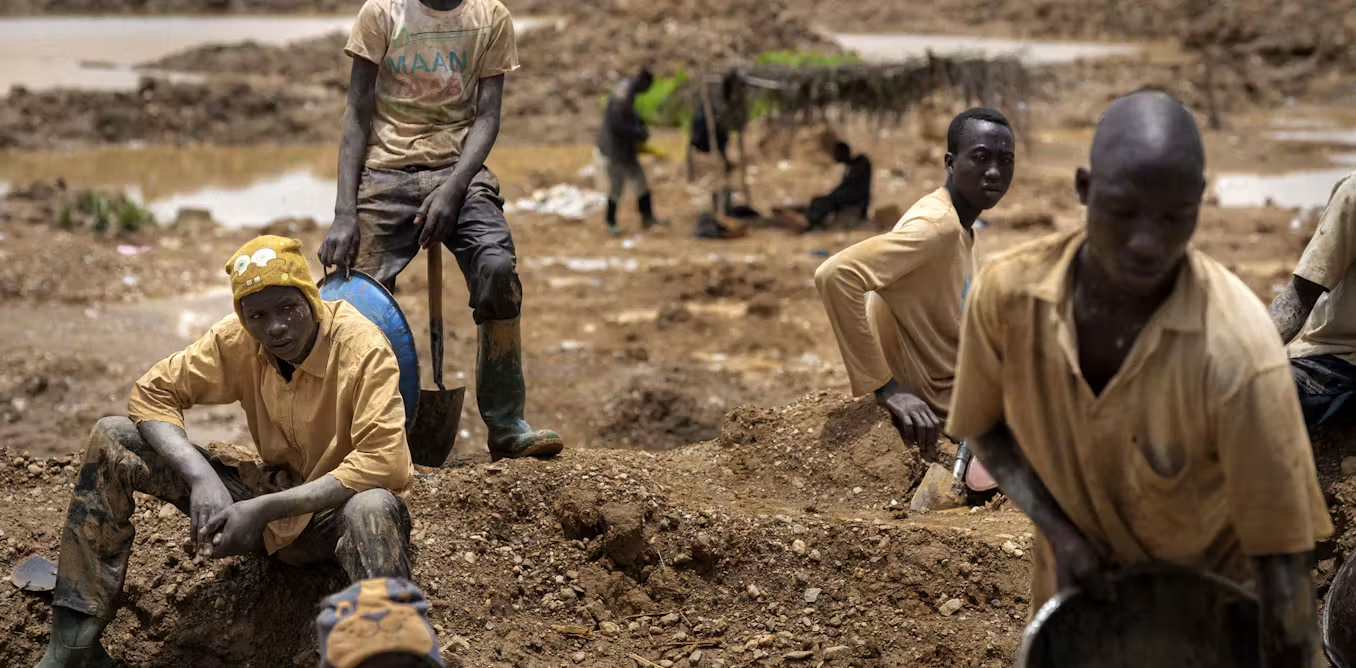
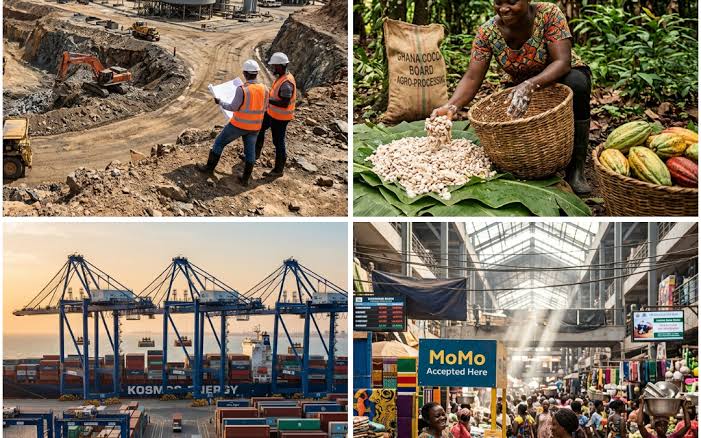
In 2025, Ghana is overhauling its mining legislation with sweeping reforms that include the introduction of a medium-scale mining license. This new license category forms part of a three-tier mineral rights system, created to better regulate operations larger than artisanal mining but smaller than large multinational projects. These reforms aim to enhance revenue sharing, ensure environmental compliance, and deliver long-term benefits to host communities.
Historical Context & Need for Reform
Historically, Ghana’s mining sector recognized only two categories: small-scale/licensed artisanal miners and large-scale operations. This gap meant medium-sized operations were poorly regulated, limiting oversight and growth potential. As stakeholder consultations progressed, it became clear a new licensing tier was needed.
Key Takeaways
- In 2025, Ghana is overhauling its mining legislation with sweeping reforms that include the introduction of a medium-scale mining license.
- This new license category forms part of a three-tier mineral rights system, created to better regulate operations larger than artisanal mining but smaller than large multinational projects.
- Historically, Ghana’s mining sector recognized only two categories: small-scale/licensed artisanal miners and large-scale operations.
What the New Medium-Scale License Entails
✅ Key Features:
-
A distinct category for mid-level mining companies with capital and operational capacity between artisanal miners and multinationals.
-
Licenses defined by number of blocks, productive scale, duration, and compliance obligations specified in regulations.
-
Operations must fulfill obligations around environmental restoration, workforce participation, data transparency, and royalties.
ADWUMAFIE JOB JOB OPPORTUNITYTrainee – Special ProgramsMarriott International · Ghana · Full TimePowered by Adwumafie View Job →
⚖️ Three‑Tier System:
-
Small‑Scale License: For artisanal miners, with strict local and equipment limits.
-
Medium‑Scale License: New tier for operations seeking to scale responsibly.
-
Large‑Scale License: Reserved for international and big-cap firms with significant investments.
Related Reforms Tied to the License System
Automatic Renewals Eliminated
Mining leases will no longer automatically renew beyond their term—licensing authorities can revoke them if licensees fail environmental, social, or production benchmarks according to Reuters
License Duration Reduction
Lease terms—currently up to 30 years—will be shortened to terms mutually determined between companies and the state. Perpetual prospecting licenses will be discontinued according to Discovery Alert
Community Development Agreements (CDAs)
Instead of centralized development agreements, mining firms must now allocate a fixed percentage of revenue directly to host communities according to transparent formulas.
Stability Agreements Reconsidered
Long-term tax and regulatory guarantees will be limited to capital recovery periods only—not perpetual protection—ensuring greater flexibility in future governance.
Implications for the Mining Sector
For Medium‑Scale Operators:
-
Better regulatory fit: tailored oversight, clearer obligations.
-
More access to operating legitimacy and community integration.
-
Potential bridge between informal artisanal mining and institutional large-scale operations.
For Local Communities:
-
Consistent and transparent benefit sharing from mining revenue.
-
Representation through agreements and oversight frameworks.
For Large‑Scale Companies:
-
Greater accountability via shorter lease terms and tougher renewal criteria.
-
Incentive to operate with higher ESG standards to maintain favorable licenses.
Why This Reform Matters
This legislation is one of the most comprehensive mining law reforms in nearly two decades in Ghana. With the introduction of a medium-scale license, the country expects:
-
Improved regulatory clarity and governance across mining tiers
-
Greater economic inclusion of Ghanaian stakeholders
-
Enhanced enforcement of environmental and social standards
-
Strengthened transparency and revenue accountability in the sector
The medium-scale mining license marks a turning point in Ghana’s mining policy—offering structure for mid-size operations, deeper community integration, and better alignment with sustainable governance. Once finalized and passed, these reforms could strengthen both sector resilience and national revenue pathways.
Source: Accra Street Journal
Last Updated on July 29, 2025 by Samuel Kwame Boadu
Disclaimer: Some content on Accra Street Journal may be aggregated, summarized, or edited from third-party sources for informational purposes. Images and media are used under fair use or royalty-free licenses. Accra Street Journal is a subsidiary of SamBoad Publishing Hub under SamBoad Business Group Ltd, registered in Ghana since 2014.

For concerns or inquiries, please visit our Privacy Policy or Contact Page.

Samuel Kwame Boadu is a Ghanaian media entrepreneur and storyteller with a passion for amplifying urban voices and uncovering everyday truths. He is the Editor-in-Chief and Founder of Accra Street Journal, a dynamic digital platform dedicated to capturing the pulse of Ghana’s capital—its people, culture, challenges, business, sports and innovations.

Use the following reference when citing or referencing this article.
Your feedback helps us improve our journalism.
Report an Error
Help us maintain accuracy. Let our editorial team know if you spot an issue in this article.
Report a problem with this article