










Every morning in Accra, trucks roll out from homes, markets, and businesses carrying thousands of tonnes of waste. By evening, most of it ends up in landfills—overflowing sites like the Kpone Landfill or the now-infamous Agbogbloshie dumpsite. For decades, this has been framed as a problem. An eyesore. A health hazard. A cost centre that municipal authorities struggle to manage.
But what if that waste is not a problem? What if it is an asset?

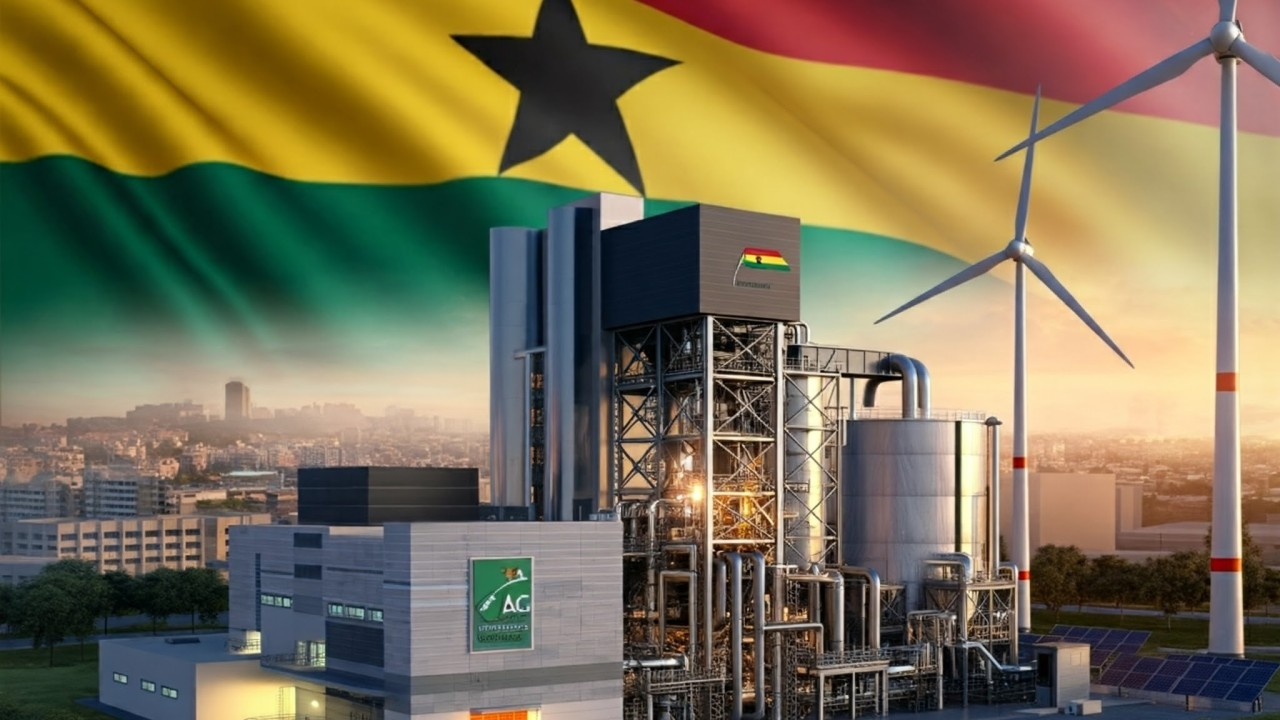
That is precisely the argument gaining traction in policy and investment circles. Ghana’s mounting waste challenge, particularly in rapidly urbanising centres like Accra, Kumasi, and Tema, is being reframed as a potential frontier for infrastructure financing and energy generation. The country is sitting on a largely overlooked asset class—municipal solid waste—that could be structured into commercially viable waste-to-energy (WtE) projects capable of delivering both financial returns and public utility.
📢 GET A DETAILED ARTICLES + JOBS
Join ASJ's WhatsApp Channel and never miss a post or opportunity.

For investors, the proposition is compelling. Waste-to-energy offers dual revenue streams: electricity sales to the national grid and tipping fees for waste disposal. For the country, it promises improved sanitation, reduced landfill pressure, and a reliable source of dispatchable power that can complement intermittent renewables like solar. The question is not whether the opportunity exists—it is whether Ghana can put the right regulatory and institutional frameworks in place to unlock it.
The Scale of Ghana’s Waste Challenge
To understand the investment opportunity, you first have to understand the scale of the problem. Accra alone generates approximately 3,000 tonnes of municipal solid waste per day, according to data from the Accra Metropolitan Assembly. Kumasi, Ghana’s second-largest city, adds another 2,000 tonnes daily. Across the country, total waste generation is estimated at over 12,000 tonnes per day, and that number is growing as urbanisation accelerates.

Currently, less than 10% of this waste is recycled. The vast majority ends up in open dumps or unengineered landfills. The Kpone Landfill, one of Accra’s primary disposal sites, has exceeded its designed capacity for years. Flooding, groundwater contamination, and methane emissions are persistent concerns.
From a public health perspective, the cost is staggering. Blocked drains filled with plastic waste contribute to Accra’s perennial flooding. Open burning of waste releases toxic fumes. And the economic burden of waste management falls disproportionately on municipal assemblies that are already cash-strapped.
But where policymakers see a burden, infrastructure investors see feedstock. Municipal waste is not going away. In fact, it is one of the few resources in Ghana that is guaranteed to increase over time. And unlike fossil fuels, it is locally sourced, price-stable, and predictable in volume.
Waste as an Asset Class: The Core Argument
At the centre of this reframing is Dr. Elikplim Kwabla Apetorgbor, who has been advocating for a fundamental shift in how waste is understood within Ghana’s economic framework. His argument is straightforward: waste should no longer be treated solely as a public service burden. Instead, it should be recognised as a consistent and predictable input capable of underpinning long-term infrastructure investments.
“Waste is not the problem,” Dr. Apetorgbor argues. “It is the solution we have been ignoring. Every tonne of waste that goes to a landfill is a tonne of potential energy that we have chosen to bury.”
Unlike conventional fuel sources such as crude oil or natural gas, which are subject to global price volatility and import dependence, municipal waste is generated locally. Its supply is relatively stable, particularly in densely populated urban areas. This reliability positions waste-to-energy as a form of dispatchable power—electricity that can be generated consistently, on demand, regardless of whether the sun is shining or the wind is blowing.
For Ghana, where the power system continues to balance fuel constraints and hydrological variability, this presents a strategic opportunity. Solar power, while growing, is intermittent. Hydroelectricity depends on rainfall patterns that have become increasingly unpredictable. Thermal generation relies on imported gas that competes for foreign exchange. Waste-to-energy offers a complementary source of baseload power that strengthens the overall energy mix.
The Dual-Revenue Model: Why Investors Are Paying Attention
The investment case for waste-to-energy extends beyond electricity generation. Well-structured WtE projects typically combine two revenue streams, creating a model that can improve project bankability and attract private capital.
Revenue Stream 1: Power Sales
Electricity generated from waste can be sold to the national grid through a Power Purchase Agreement (PPA) with the Electricity Company of Ghana (ECG) or the relevant off-taker. Depending on the technology used—incineration, gasification, anaerobic digestion—a single WtE plant processing 500 tonnes of waste per day can generate between 10 MW and 20 MW of electricity. At current tariffs, this translates into millions of cedis in annual revenue.

Revenue Stream 2: Tipping Fees
Tipping fees are charges paid by waste haulers or municipal authorities for the disposal of waste at the facility. In many successful WtE projects globally, tipping fees account for 30–50% of total revenue. For a municipal assembly struggling with landfill costs, paying a tipping fee to a WtE plant can still be cheaper than operating and maintaining an overflowing dumpsite.
Dr. Apetorgbor puts it simply: “The opportunity is not just in building a power plant. It is in structuring an entire value chain where waste collection, processing, and energy generation are commercially linked.”
When combined, these two revenue streams create a more resilient financial structure than either stream alone. If electricity prices fall or grid off-take is delayed, tipping fees provide a cushion. If waste volumes dip, power sales maintain cash flow. This diversification is particularly attractive to infrastructure funds and development finance institutions that require predictable, long-term returns.
Global Precedents: What Works Elsewhere
Ghana does not need to invent this model from scratch. Cities around the world have successfully integrated waste-to-energy into their infrastructure mix, and their experiences offer valuable lessons.
-
Copenhagen, Denmark: The Amager Bakke waste-to-energy plant processes 400,000 tonnes of waste annually, generating electricity for 30,000 homes and district heating for 72,000. It is so clean that locals ski on its artificial slope.
-
Singapore: With limited land for landfills, Singapore incinerates nearly all of its waste, generating enough electricity to power its water treatment plants.
-
Addis Ababa, Ethiopia: The Reppie Waste-to-Energy Facility is Africa’s first WtE plant, processing 1,400 tonnes of waste per day and generating 25 MW of electricity. It has reduced landfill volume by over 80% and created hundreds of jobs.
What these projects have in common is disciplined planning, strong regulatory oversight, and bankable contractual frameworks. They did not happen by accident. They happened because governments created the conditions for private capital to participate.
What Ghana Needs to Unlock Investment
While the opportunity is real, unlocking it will depend heavily on regulatory clarity and institutional coordination. Dr. Apetorgbor and other analysts point to several key requirements.
1. Long-Term Waste Supply Agreements
A waste-to-energy plant is a capital-intensive asset. Investors need certainty that feedstock—waste—will be available for 15 to 20 years. This requires long-term waste supply agreements between the project developer and municipal assemblies or private waste haulers. Without these agreements, the risk of feedstock shortfalls makes projects difficult to finance.
2. Transparent Tariff Structures
Power Purchase Agreements with the Electricity Company of Ghana must be credible and transparent. Investors need to know what tariff they will receive per kilowatt-hour and how that tariff will be adjusted over time for inflation or currency fluctuations. Unclear or unenforceable PPAs have killed many infrastructure projects across Africa.
3. Credible Off-Take Arrangements
Electricity generated from waste is only valuable if someone buys it. ECG must be a credible off-taker with the financial capacity to honour its payment obligations. This is an area of concern, given ECG’s well-documented financial challenges. However, waste-to-energy projects can also explore captive power arrangements—selling electricity directly to industrial customers or to the plant itself.
4. Environmental and Social Safeguards
Waste-to-energy projects, particularly incineration, raise legitimate environmental concerns. Emissions must be strictly controlled to avoid air pollution. Ash disposal must be managed. Community engagement is essential to address public opposition. Without robust environmental and social safeguards, even technically sound projects may struggle to gain public trust.
5. Regulatory Clarity on Ownership and Tariffs
Who can develop a waste-to-energy plant? What permits are required? What tariff will apply? These questions must be answered clearly and consistently. Ghana’s energy and environmental regulators—the Energy Commission, the Environmental Protection Agency, and the Public Utilities Regulatory Commission—must coordinate to provide a single, predictable framework.
Operational Risks to Manage
Even with the right framework, waste-to-energy projects carry operational risks that investors must understand.
Feedstock Quality
Not all waste is suitable for energy generation. High moisture content, mixed materials, and contaminants can reduce efficiency and damage equipment. Successful WtE projects require some form of pre-processing—sorting, drying, or shredding—to ensure consistent feedstock quality.
Collection Systems
Waste that never reaches the plant cannot generate energy. Efficient collection systems are essential. In Accra, waste collection is fragmented, with a mix of private haulers, informal collectors, and municipal services. Consolidating this into a reliable supply chain is a significant logistical challenge.
Technology Selection
Different WtE technologies have different cost profiles, efficiency levels, and environmental impacts. Incineration is proven but capital-intensive. Gasification is emerging but less tested at scale. Anaerobic digestion works well for organic waste but requires separate collection. Choosing the right technology for Ghana’s specific waste composition is critical.
Currency and Inflation Risk
Most WtE equipment is imported and priced in foreign currency. Revenue from electricity sales is in cedis. This currency mismatch creates financial risk that must be hedged or managed through tariff structures that adjust for exchange rate movements.
Beyond Energy: The Broader Economic Implications
The case for waste-to-energy is not solely about electricity. Even if power generation were not part of the equation, the sanitation and environmental benefits would justify investment. But when you add energy production, the economic case becomes compelling.
Land Value Recovery
Landfills consume vast amounts of urban land that could be used for housing, industry, or green space. Kpone Landfill sits on valuable real estate near the Tema industrial enclave. By diverting waste to a WtE plant, that land could be reclaimed for higher-value uses.
Flood Reduction
Blocked drains are a major contributor to Accra’s flooding. The plastic waste that clogs drainage channels is also a potential fuel source for WtE plants. Reducing plastic waste at source could lower flood risk while generating energy.
Public Health Savings
Open dumpsites breed disease. They contaminate groundwater and release methane, a potent greenhouse gas. By reducing reliance on landfills, waste-to-energy can lower public health expenditures and improve quality of life.
Job Creation
A single WtE plant creates direct jobs for engineers, technicians, and plant operators, and indirect jobs in waste collection, sorting, and transport. For a country with high youth unemployment, this is not a minor consideration.
The Road Ahead: From Cost Centre to Revenue Stream
Dr. Apetorgbor summarises the opportunity succinctly: “What has long been treated as an unavoidable cost centre is now being reframed as a potential revenue-generating infrastructure segment.”
The shift is already visible. In 2025, the Ministry of Sanitation and Water Resources announced plans to develop a national waste-to-energy strategy. Several private developers have expressed interest in pilot projects in Accra and Kumasi. Development finance institutions, including the World Bank and the African Development Bank, have signalled willingness to provide concessional financing for well-structured WtE projects.
But strategy documents and expressions of interest are not enough. What Ghana needs now is implementation. Long-term waste supply agreements must be signed. Tariff structures must be approved. Permitting processes must be streamlined.
Without these fundamentals, even technically sound projects may struggle to reach financial close. And without financial close, the waste will keep piling up in landfills that are already full.
Conclusion From ASJ
Ghana’s waste sector is emerging as a viable investment frontier. The feedstock is abundant and growing. The technology is proven. The revenue model—combining power sales and tipping fees—is bankable. And the development benefits—improved sanitation, reduced flooding, job creation, and power diversification—are precisely what a middle-income country like Ghana needs.
The question is no longer whether waste-to-energy makes sense. It does. The question is whether Ghana will act with the urgency and coordination required to unlock the opportunity.
For investors, the message is clear: watch this space. The conditions for waste-to-energy investment are maturing. For policymakers, the message is equally clear: the waste crisis is also a waste opportunity. It is time to treat it as one.
Frequently Asked Questions (FAQs)
1. What is waste-to-energy, and how does it work?
Waste-to-energy (WtE) is the process of generating electricity or heat from the combustion, gasification, or anaerobic digestion of municipal solid waste. In simple terms, instead of burying waste in a landfill, it is converted into energy. The most common technologies include incineration (burning waste to produce steam that turns turbines), gasification (converting waste into synthetic gas), and anaerobic digestion (using microorganisms to break down organic waste and produce biogas).
2. What makes waste-to-energy a good investment in Ghana?
WtE projects offer a dual-revenue model: income from selling electricity to the national grid and income from tipping fees (charges for waste disposal). This diversification reduces risk and improves bankability. Additionally, waste is a locally generated, price-stable, and predictable resource—unlike imported fuel, which is subject to global price volatility. With Accra generating over 3,000 tonnes of waste per day, the feedstock is abundant and growing.
3. What are the main risks of waste-to-energy projects in Ghana?
Key risks include feedstock quality and consistency, efficient waste collection systems, technology selection, environmental compliance, and currency mismatch (imported equipment priced in foreign currency, revenue in cedis). Additionally, securing long-term waste supply agreements and credible Power Purchase Agreements with the Electricity Company of Ghana are essential for financial close. Without these, projects may struggle to attract private capital.
4. How much electricity can a waste-to-energy plant generate in Ghana?
A typical WtE plant processing 500 tonnes of waste per day can generate between 10 MW and 20 MW of electricity. To put that in perspective, that is enough to power approximately 15,000 to 30,000 Ghanaian homes. A larger plant processing 1,000 tonnes per day could generate 20–40 MW. Given that Accra alone produces over 3,000 tonnes of waste daily, the total theoretical generation potential is significant.
5. What needs to happen for waste-to-energy investment to take off in Ghana?
Several conditions must be met: long-term waste supply agreements between project developers and municipal assemblies; transparent and credible Power Purchase Agreements with the Electricity Company of Ghana; clear tariff structures that adjust for inflation and currency movements; robust environmental and social safeguards; and coordinated regulation across the Energy Commission, Environmental Protection Agency, and Public Utilities Regulatory Commission. Dr. Apetorgbor argues that without these fundamentals, even technically sound projects may struggle to reach financial close.
Last Updated on April 15, 2026 by Samuel Kwame Boadu
Disclaimer: Some content on Accra Street Journal may be aggregated, summarized, or edited from third-party sources for informational purposes. Images and media are used under fair use or royalty-free licenses. Accra Street Journal is a subsidiary of SamBoad Publishing Hub under SamBoad Business Group Ltd, registered in Ghana since 2014.
For concerns or inquiries, please visit our Privacy Policy or Contact Page.

Samuel Kwame Boadu is a Ghanaian media entrepreneur and storyteller with a passion for amplifying urban voices and uncovering everyday truths. He is the Editor-in-Chief and Founder of Accra Street Journal, a dynamic digital platform dedicated to capturing the pulse of Ghana’s capital—its people, culture, challenges, business, sports and innovations.





