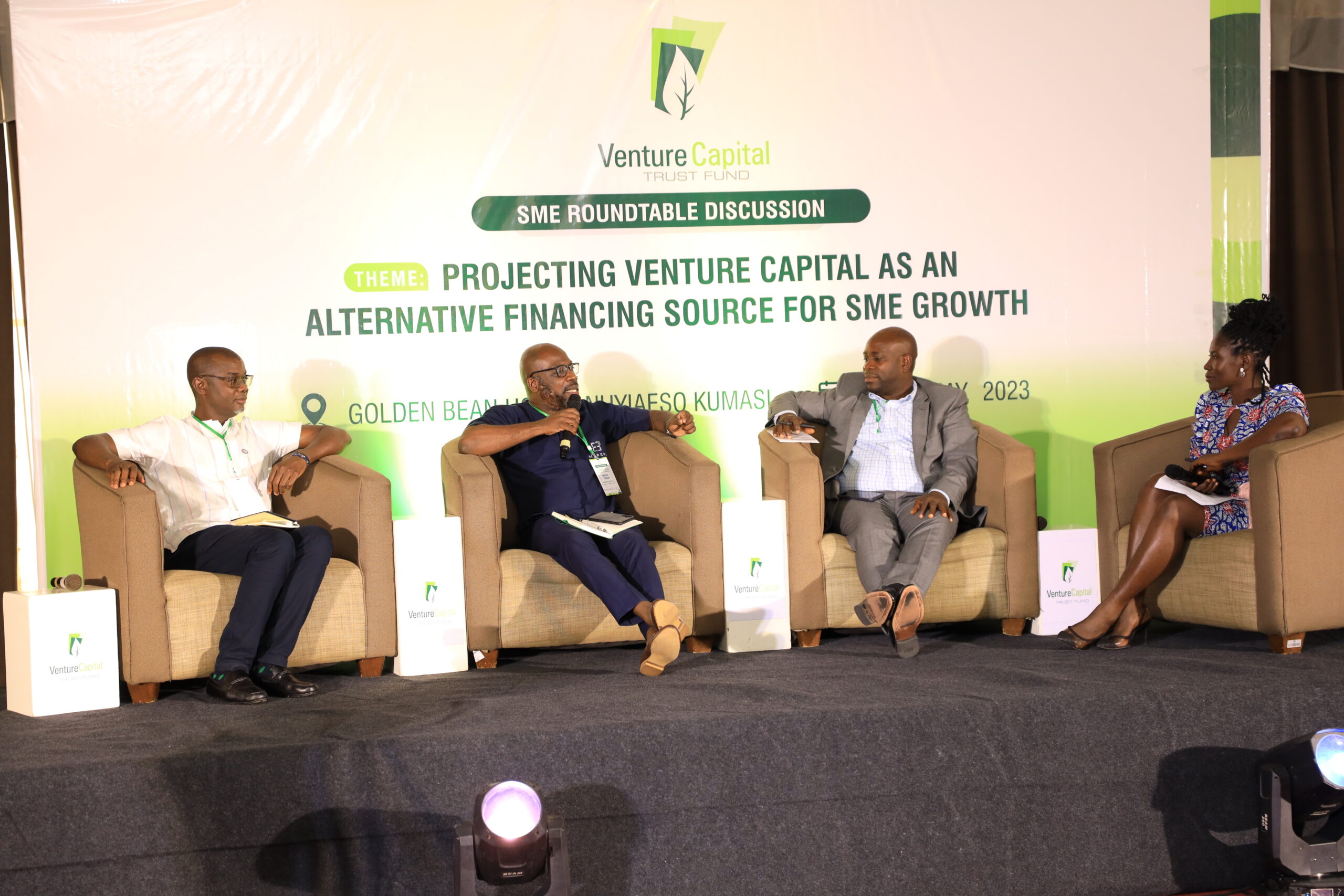










Angel investors and venture capital (VC) firms both provide funding to startups, but they operate very differently. The core distinction comes down to who is investing, when they invest, and how much control they take.
Key Differences at a Glance
| Feature | Angel Investors | Venture Capital (VC) |
|---|---|---|
| Investor Profile | High-net-worth individuals investing their own money | Professional firms investing pooled capital from Limited Partners (LPs) |
| Stage of Entry | Earlier (Pre-seed, Seed) – often when it’s just an idea or prototype | Later (Series A and beyond) – after a company has proven traction |
| Typical Investment Size | Smaller checks: $25,000 to $100,000 (sometimes pooled to $200k-$400k) | Much larger: $1 million+ (often much higher) |
| Decision Speed | Fast – can decide individually | Slower – requires internal investment committee approval and extensive due diligence |
| Level of Involvement | Advisory/mentorship role; may take board seat but usually less control | More control; often require board seats and protective provisions |
| Investment Structure | Often Convertible Debt or equity | Predominantly Equity (Preferred Stock) |
The Angel Investor: The First Believer
An angel investor is typically a successful entrepreneur or business professional who invests their personal funds into early-stage companies . Their primary role is to help a founder get from the “family and friends” stage to their first professional funding round. They provide the crucial capital to develop a prototype, conduct market research, and make initial hires .

Beyond the money, angels bring mentorship, industry expertise, and their personal networks to help navigate early challenges . In Ghana, the Ghana Angel Investor Network (GAIN) , hosted by Impact Investing Ghana and launched by the Venture Capital Trust Fund, is the apex body supporting angel investing, with members like the Accra Angels Network and Ladies Angel Network .
📢 GET A DETAILED ARTICLES + JOBS
Join ASJ's WhatsApp Channel and never miss a post or opportunity.

The Venture Capital Firm: The Institutional Backer
A VC firm is a professional investment institution that manages a fund raised from institutional investors like pension funds, insurance companies, and Development Finance Institutions (DFIs) . Because they are investing other people’s money, they follow a strict investment mandate and conduct rigorous due diligence .
VCs tend to invest in later stages (Series A, B, C) when a company has a proven track record, strong revenues, and a scalable business model . They take significant equity stakes (often 10%–80%) and usually require board seats and voting rights to protect their investment . In Ghana, the Venture Capital Trust Fund (VCTF) anchors many local VC funds, including those managed by Oasis Capital Ghana and Mustard Capital Partners .
How They Work Together
In a healthy ecosystem, angels and VCs are not competitors—they are part of a sequential funding pipeline. Angel investment is often the “bridging round” that makes a startup investable for a VC . In Ghana, the Deal Source Africa (DSA) platform and the Ci-Gaba fund of funds are examples of infrastructure designed to connect early-stage businesses with both angel investors and institutional VCs, bridging the financing gap .
Which One is Right for You?
-
Choose Angel Investors if: You are at a very early stage (idea, prototype, or early traction), need a smaller amount of capital, want hands-on mentorship, and value speed and personal connection over institutional rigour.
-
Choose Venture Capital if: You have proven traction (revenue, user growth), need a larger amount to scale, are ready for formal governance and board oversight, and can demonstrate a clear path to a massive return.
Frequently Asked Questions
1. What is the main difference between an angel investor and a VC?
Angel investors are individuals investing their own money at the earliest stages. VCs are professional firms investing pooled capital (from LPs) at later, more proven stages .
2. Who invests earlier: angels or VCs?
Angels invest earlier. They often fund pre-seed and seed stages, sometimes when the company only has an idea or prototype. VCs typically enter at Series A and beyond .
3. How much do angels typically invest?
The typical angel check size is $25,000 to $100,000. When angels syndicate, they can pool $200,000 to $400,000 per deal .
4. What is the Ghana Angel Investor Network (GAIN)?
GAIN is the apex body for angel networks in Ghana. Launched by the Venture Capital Trust Fund in 2011 and now hosted by Impact Investing Ghana, it supports the creation of angel networks and connects investors with screened companies.
5. Do angel investors get board seats?
Angels usually take advisory roles and may request limited voting rights, but they typically exert less control than VCs. GAIN’s policy is to seek at least one board seat in investee companies .
6. How do VCs make money?
VC firms charge management fees and earn carried interest (typically 20% of profits) when they successfully exit an investment via a trade sale or IPO .
7. Can a startup have both angel investors and VCs?
Yes. Angel investment often acts as a bridge to make a startup investable for VCs later. They are part of a sequential funding pipeline .
8. How do I find angel investors in Ghana?
You can connect through the Ghana Angel Investor Network (GAIN), Impact Investing Ghana, and platforms like Deal Source Africa (DSA), which connect businesses with angels and investors
Source: Accra Street Journal
Last Updated on October 8, 2026 by Samuel Kwame Boadu
Disclaimer: Some content on Accra Street Journal may be aggregated, summarized, or edited from third-party sources for informational purposes. Images and media are used under fair use or royalty-free licenses. Accra Street Journal is a subsidiary of SamBoad Publishing Hub under SamBoad Business Group Ltd, registered in Ghana since 2014.
For concerns or inquiries, please visit our Privacy Policy or Contact Page.

Samuel Kwame Boadu is a Ghanaian media entrepreneur and storyteller with a passion for amplifying urban voices and uncovering everyday truths. He is the Editor-in-Chief and Founder of Accra Street Journal, a dynamic digital platform dedicated to capturing the pulse of Ghana’s capital—its people, culture, challenges, business, sports and innovations.