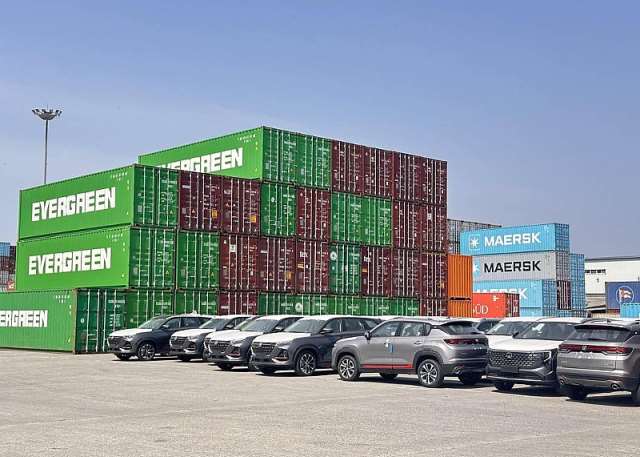
Buying a car in Ghana, especially a used one, requires serious vigilance. The market is full of hidden risks, from stolen vehicles and rolled-back odometers to cars that were written off overseas and “beautified” for resale. Before you part with your money, you need to verify the car’s legal status, its true history, and its physical condition.
Step 1: Verify the Paperwork and Legal Status
Never trust a seller’s word or a photocopy. The documents must be verified independently.

Check Registration and Insurance
Use the shortcode *920*57# on any phone to instantly check if the car is registered to the seller and if the insurance is valid. You will get an SMS with the insurance company, policy type, and expiry date.
📢 GET A DETAILED ARTICLES + JOBS
Join ASJ's WhatsApp Channel and never miss a post or opportunity.

The DVLA also has a DVLA Verify app and web platform that allows for biometric identity verification, which is useful for confirming the seller’s identity remotely.
Verify Customs Clearance
This is crucial for imported cars. An “uncustomed vehicle” can be impounded by the GRA, leaving you with nothing. Demand to see the original Customs Declaration Form. Better yet, take the car’s VIN (Vehicle Identification Number) to the GRA Customs office or use the ICUMS portal to confirm that all import duties have been fully paid.

Be wary if the system shows the car was imported as “Salvage” or “Junk.”
Cross-Check with EOCO or INTERPOL
The Economic and Organised Crime Office (EOCO) warns that up to 10,000 stolen cars may enter Ghana annually. High-value brands like Honda CR-V, Range Rover, Ford F-150, Dodge Ram, and BMW X7/X8 are prime targets.
If you are buying one of these, or any car that seems “too new and accident-free” (e.g., a pristine 2023/2024 model), verify it with EOCO or INTERPOL’s database before paying.
Step 2: Inspect the Car Physically and Mechanically
A shiny paint job can hide a bent chassis or flood damage. You need to look deeper.
Bring a Mechanic
Do not inspect the car alone. Pay a trusted, independent mechanic to look at it. A good mechanic will use an OBD-II scanner to check for hidden error codes and cleared warning lights, and will inspect the “apron” (engine bay) and body panel gaps for signs of structural repair.
Check for Flood Damage
Lift the carpets inside the car. If you smell mould, see rust on the seat bases, or feel dampness, the car may have been flooded. Flood-damaged cars often develop persistent electrical faults months later.
Verify the VIN Everywhere
The VIN is stamped in multiple places—dashboard, engine bay, and near the seatbelts. If these numbers do not match each other or the documents, walk away. The DVLA has deployed clone detection machines to catch illegally cloned VINs.
Beware of Odometer Fraud
Many imported cars have their mileage rolled back to appear newer and more valuable. A car that logged 200,000 km abroad might show 60,000 km in Accra. While a full history check via services like Carfax can help if the car originated in the US, a physical inspection by a mechanic can also reveal wear that contradicts the dashboard reading.
Step 3: Watch for Red Flags
Unrealistic pricing. If a car is priced 30% or more below the market value for its model and year, it is likely hiding a serious problem, a title issue, or is a scam to collect a deposit.

Evasive seller. A legitimate seller should be able to provide valid ID, explain the car’s history, and willingly go with you to the DVLA to complete the transfer. If they avoid questions or insist on doing the transfer “privately,” walk away.
Missing rearview mirror. EOCO flags cars with missing rearview mirrors as suspicious, as this is a common location for hiding GPS tracking devices in stolen cars.
Practical Tips for the Process
Do the transfer at DVLA. Insist that the ownership transfer is done in person at a DVLA office with the seller present. This is the only way to ensure the car is legally yours.
Budget for a pre-purchase inspection. Paying a mechanic a small fee (e.g., GH¢500) for a thorough inspection can save you tens of thousands of cedis in repairs down the line.
Consider a popular model. For a first car, stick to models with readily available spare parts, like the Toyota Corolla, Honda Civic, or Hyundai/Kia models. They are easier and cheaper to maintain.
Quick Facts
| Topic | Details |
|---|---|
| Insurance Check Shortcode | *920*57# |
| Customs Verification | GRA ICUMS portal |
| Stolen Car Risk | Up to 10,000 annually (EOCO) |
| Targeted Brands | Honda CR-V, Range Rover, Ford F-150, BMW X7/X8 |
| VIN Check | Multiple locations must match |
| Pre-Purchase Inspection Cost | ~GH¢500 |
| Recommended First Cars | Toyota Corolla, Honda Civic, Hyundai/Kia |
Frequently Asked Questions
1. How do I verify a car’s registration in Ghana?
Dial *920*57# on any phone to check the car’s insurance and registration status. You will receive an SMS with the insurance company, policy type, and expiry date.
2. How do I know if a car’s customs duties are paid in Ghana?
Demand the original Customs Declaration Form. Take the VIN to the GRA Customs office or use the ICUMS portal to confirm that all import duties have been fully paid.
3. How can I tell if a car is stolen in Ghana?
Cross-check with EOCO or INTERPOL’s database, especially for high-value brands like Honda CR-V, Range Rover, Ford F-150, Dodge Ram, and BMW X7/X8. A missing rearview mirror is also a red flag.
4. What should I check for flood damage?
Lift the carpets. If you smell mould, see rust on seat bases, or feel dampness, the car may have been flooded. Flood-damaged cars often develop electrical faults later.
5. How do I avoid odometer fraud in Ghana?
Use a history check service like Carfax if the car originated in the US. A mechanic can also identify wear that contradicts the dashboard reading.
6. Should I bring a mechanic when buying a used car in Ghana?
Yes. Pay a trusted, independent mechanic to inspect the car. They will use an OBD-II scanner and check for structural repairs, hidden error codes, and other issues.

7. What is a fair price for a pre-purchase inspection in Ghana?
Around GH¢500 for a thorough inspection. This small fee can save you tens of thousands of cedis in repairs.
8. What are the safest first cars to buy in Ghana?
Popular models with readily available spare parts, such as the Toyota Corolla, Honda Civic, or Hyundai/Kia models. They are easier and cheaper to maintain.
Source: Accra Street Journal
Last Updated on October 21, 2026 by Samuel Kwame Boadu
Disclaimer: Some content on Accra Street Journal may be aggregated, summarized, or edited from third-party sources for informational purposes. Images and media are used under fair use or royalty-free licenses. Accra Street Journal is a subsidiary of SamBoad Publishing Hub under SamBoad Business Group Ltd, registered in Ghana since 2014.
For concerns or inquiries, please visit our Privacy Policy or Contact Page.

Samuel Kwame Boadu is a Ghanaian media entrepreneur and storyteller with a passion for amplifying urban voices and uncovering everyday truths. He is the Editor-in-Chief and Founder of Accra Street Journal, a dynamic digital platform dedicated to capturing the pulse of Ghana’s capital—its people, culture, challenges, business, sports and innovations.