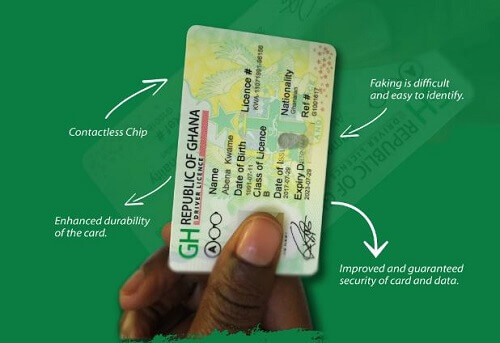
Getting a driver’s licence in Ghana is no longer the chaotic free-for-all it once was. The DVLA has digitised the process, introduced biometric cards, and mandated formal training at accredited schools. But it is still a multi-step journey—one that requires patience, paperwork, and a mandatory 48-hour driving course. Here is the complete ASJ guide.
Step 1: Check Your Eligibility and Choose Your Class
Before you start, confirm you meet the basic requirements.

Age: You must be at least 18 years old for a private car licence (Class B). Commercial classes require higher ages—typically 21 for Class C and 25 for heavy vehicles .
📢 GET A DETAILED ARTICLES + JOBS
Join ASJ's WhatsApp Channel and never miss a post or opportunity.

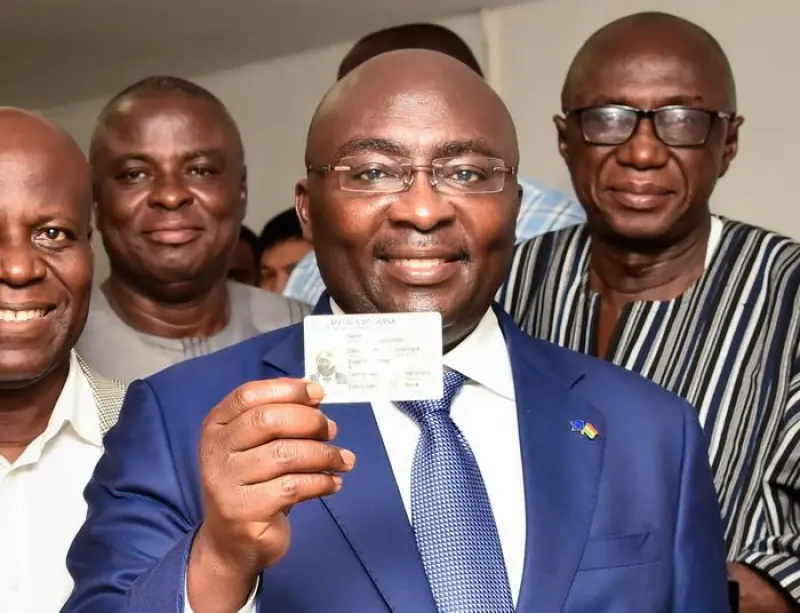
Identity: The Ghana Card is now the foundational requirement for all DVLA transactions. You cannot proceed without it .
Education: The DVLA requires basic education (BECE) or equivalent, with the ability to read and write .

Licence Classes:
-
Class A: Motorcycles and tricycles
-
Class B: Private cars, SUVs, pickups, minibuses up to 15 passengers
-
Class C: Commercial passenger vehicles, trotros, taxis, medium buses up to 45 seats
-
Class D: Heavy buses and large trucks up to 65 seats
-
Class E: Industrial and agricultural machinery (tractors, excavators, bulldozers)
Most first-time drivers apply for Class B.
Step 2: Complete the Mandatory 48-Hour Training
This is non-negotiable. Under Regulation 26(5)(d) of the Road Traffic Regulations, 2012 (L.I. 2180) , every applicant must complete a 48-hour basic driver training programme at a DVLA-certified driving school before they can proceed .
The training covers:
-
Theoretical knowledge of the Highway Code
-
Practical vehicle handling
-
Defensive driving techniques
You will receive a certificate from the driving school. Keep it safe—you will need it.
Cost note: The DVLA’s 2026 fee schedule shows the total cost for a new licence is around GH¢624 for the standard process, with premium options costing more .
Step 3: Apply for a Learner’s Licence
With your driving school certificate in hand, visit any DVLA office.
What to bring:
-
Ghana Card
-
Driving school certificate
-
Passport-sized photographs
-
Payment for the learner’s licence fees
What happens:
You will purchase and complete Forms F and F1, undergo a physical examination and eye test, and pay the required fees. You will receive a Learner Driver’s Permit, L-Plate, Syllabus, and Highway Code .

The three-month rule: You must hold the learner’s licence for three months before you can apply for the actual driver’s licence . Use this period to practice.
Step 4: Take the Written Test (Computer-Based Test)
After your training and learner’s period, you will be scheduled for the written examination.
The test is now a Computer-Based Test (CBT) covering road signs, traffic rules, and defensive driving. The minimum passing score is 70% .
If you pass, you proceed to the practical test. If you fail, you can reschedule.
Step 5: Take the In-Traffic Test
This is the practical driving examination. You will be tested in:
-
Controlled site conditions (manoeuvring, parking, reversing)
-
Real-world traffic (city driving, intersection handling)
A DVLA instructor will assess your control of the vehicle, observation skills, and adherence to road rules.
Step 6: Receive Your Temporary Licence and Biometric Card
Once you pass both tests, you will:
-
Pay the driver’s licence and P-Plate fees
-
Complete biometric capture (fingerprints, photograph, signature)
-
Receive a Temporary Driver’s Licence and P-Plate
Your permanent biometric smart card will be processed and typically takes two to four weeks to arrive. For expedited processing, you can use the DVLA’s Premium or Prestige services at their Ultra Centres .
What About Foreign Licence Holders?
If you hold a foreign licence, the rules depend on your residency status.
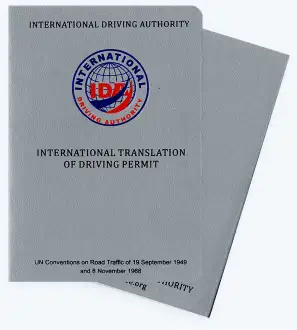
Short-term visitors (up to 90 days): You can drive in Ghana using your home country’s licence, provided it is accompanied by an International Driving Permit (IDP) .
Long-term residents (over 90 days): You must convert your foreign licence to a Ghanaian one. The process requires:

-
A Non-Citizen Ghana Card from the NIA (cost: $120)
-
Authentication of your foreign licence by the issuing authority or embassy
-
Translation if the licence is not in English
-
Proof of residency or work permit
-
Eye test at an accredited clinic
-
A road signs test may be required
The 48-hour driving school requirement is waived for conversion applicants.
The Premium Option: Ultra Centre
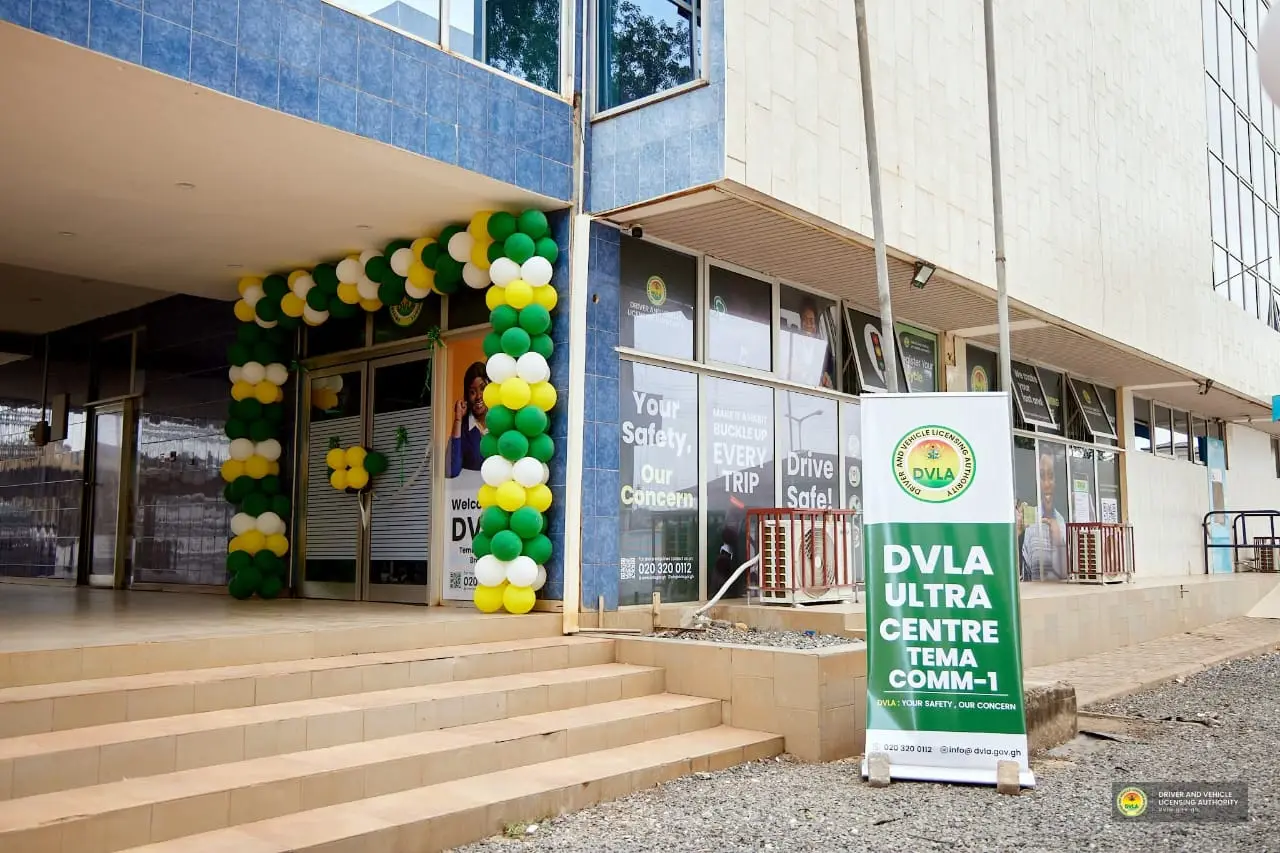
For residents in Accra who want a faster, more comfortable experience, the Ultra Centre for Licensing and Vehicle Registration offers premium services.
Location: 174 Ring Road West High Street, Accra
Operated by: Bridge Direct in partnership with VFS Global
Services: Licence renewal, replacement, foreign licence conversion, vehicle registration, international driving permits
You can initiate your application online at www.dvla.gov.gh, receive an invoice, and visit the centre for completion.
Contact: 0302 918007 | [email protected]
The Self-Service App
The DVLA has also launched a Self Service App for smartphones. You can:
-
Create an account and verify identity with your Ghana Card
-
Apply for new licences and renewals
-
Track applications
-
Generate invoices and access payment options
Some services still require in-person verification, examinations, or document submission .
Quick Facts
| Topic | Details |
|---|---|
| Minimum Age (Class B) | 18 years |
| Mandatory Training | 48 hours at DVLA-certified school |
| Learner Licence Period | 3 months |
| Written Test | Computer-Based Test, 70% pass mark |
| Standard Process Time | 1–3 months |
| Card Processing | 2–4 weeks |
| Standard Cost | ~GH¢624 |
| Premium Cost | ~GH¢903–1,012 |
| Portal | www.dvla.gov.gh |
| Ultra Centre Phone | 0302 918007 |
Frequently Asked Questions
1. What is the minimum age to get a driver’s licence in Ghana?
You must be at least 18 years old for a private car licence (Class B). Commercial classes require higher ages—typically 21 for Class C and 25 for heavy vehicles .
2. Is the 48-hour driving school mandatory?
Yes. Under L.I. 2180, every first-time applicant must complete a 48-hour training programme at a DVLA-certified driving school before proceeding with the licence application .
3. How long does it take to get a driver’s licence in Ghana?
The standard process takes 1 to 3 months, including the 3-month learner period, test scheduling, and card processing. Premium services can reduce this to a few working days.
4. What is the cost of getting a driver’s licence in Ghana?
The standard cost is around GH¢624. Premium options range from GH¢903 to GH¢1,012 depending on the service level .
5. Can I use my foreign licence in Ghana?
Short-term visitors can use their foreign licence with an International Driving Permit for up to 90 days. Long-term residents must convert their licence to a Ghanaian one .
6. What is the pass mark for the DVLA written test?
The Computer-Based Test requires a minimum score of 70% to pass .
7. Where is the DVLA Ultra Centre in Accra?
The Ultra Centre is located at 174 Ring Road West High Street. It offers premium services including licence renewal, foreign licence conversion, and vehicle registration. Contact: 0302 918007 .
8. Do I need a Ghana Card to get a driver’s licence?
Yes. The Ghana Card is the foundational identity document for all DVLA transactions. You cannot proceed without it .
Last Updated on October 21, 2026 by Samuel Kwame Boadu
Disclaimer: Some content on Accra Street Journal may be aggregated, summarized, or edited from third-party sources for informational purposes. Images and media are used under fair use or royalty-free licenses. Accra Street Journal is a subsidiary of SamBoad Publishing Hub under SamBoad Business Group Ltd, registered in Ghana since 2014.
For concerns or inquiries, please visit our Privacy Policy or Contact Page.

Samuel Kwame Boadu is a Ghanaian media entrepreneur and storyteller with a passion for amplifying urban voices and uncovering everyday truths. He is the Editor-in-Chief and Founder of Accra Street Journal, a dynamic digital platform dedicated to capturing the pulse of Ghana’s capital—its people, culture, challenges, business, sports and innovations.