
Registering a car in Ghana is a process that has been significantly digitised, but it still requires the right paperwork, the right fees, and a visit to the DVLA. The requirements differ depending on whether you are importing a new vehicle, buying a used one locally, or transferring ownership. Here is the complete guide.
The Core Requirements: What You Need
Regardless of the vehicle’s origin, certain documents are non-negotiable.

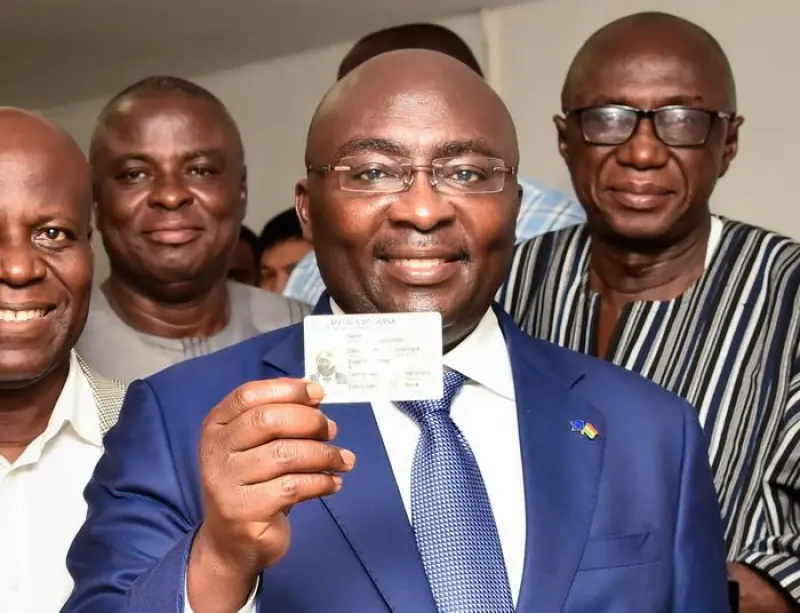
Your Ghana Card – The national ID is the primary identification document for all DVLA transactions. You cannot register a vehicle without it .
📢 GET A DETAILED ARTICLES + JOBS
Join ASJ's WhatsApp Channel and never miss a post or opportunity.

Customs Declaration Form – For any imported vehicle, this is the key source document. It proves that all import duties and taxes have been paid to the Ghana Revenue Authority (GRA). Without it, the DVLA cannot register the vehicle .
Proof of Ownership – For a new car, this is the dealer’s invoice. For a used vehicle bought locally, it is the Transfer of Ownership Form signed by both parties, along with the previous registration certificate.

Insurance Certificate – Third-party liability insurance is mandatory before a vehicle can be legally driven or registered .
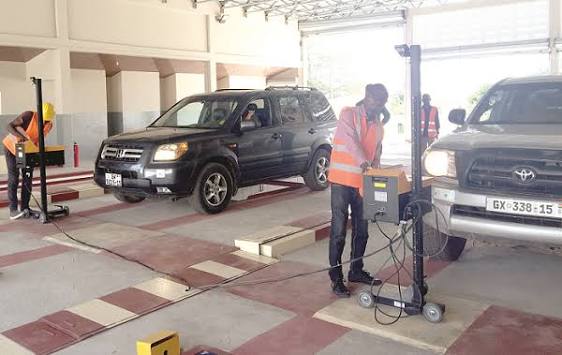
Roadworthiness Certificate – For used vehicles, a roadworthiness inspection at a Private Vehicle Testing Station (PVTS) is required before registration. The inspection checks brakes, lights, and other safety systems .
Two Passport-Sized Photographs – Required for the registration process .
The Registration Process
Step 1: Pre-Registration and Inspection
Before final registration, the vehicle must be presented for inspection and validation. This can be done at authorised Vehicle Testing Stations and DVLA offices. The DVLA uses this stage to verify the vehicle’s details against the customs documents and ensure everything is in order .
Step 2: Payment and Biometric Capture
Once the inspection is complete, you proceed to make payment and capture your biometric details at your preferred DVLA office. The Ghana Card is used for this verification.
Step 3: Collection of Documents
After payment and capture, you collect your registration documents, including the licence plates, Certificate of Title, and roadworthiness certificate.
The DVLA has stated that under normal circumstances, a vehicle can be registered within the same day, and in many cases within a few hours. However, number plate collection may take slightly longer due to centralised embossing for security reasons .
The Fees: What You Pay
The cost of registration depends on the vehicle type and engine capacity.
Standard Registration Fees (Private Vehicles)
| Vehicle Type | Fee (GH¢) |
|---|---|
| Motorcycle (up to 200cc) | 116.00 |
| Motorcycle (above 200cc) | 140.00 |
| Motor Vehicle (up to 2000cc) | 429.50 |
| Motor Vehicle (above 2000cc) | 544.00 |
| Buses & Coaches | 544.00 |
| Rigid Cargo Truck (up to 16 tons) | 544.00 |
These figures come from the DVLA’s published fees and charges schedule .

Digital Onboarding Fee
The DVLA is currently migrating manually registered vehicles onto its digital platform. For vehicles registered before 2023, there is a GH¢25 onboarding fee for biodata verification. This fee does not include the Certificate of Title or Vehicle Registration Card, which will be issued later when the new licence plate policy is rolled out .
The full cost of onboarding, including the Certificate of Title and Vehicle Registration Card, is GH¢288.55, but the DVLA has reviewed the process and determined that the GH¢25 verification fee is what customers should pay at this stage .
Important: The DVLA has warned the public not to pay more than GH¢25 during the onboarding process. Any staff or intermediary demanding more should be reported .
DV Plate Fees
If you are dealing with a DV plate (for dealerships and garages), the official price is GH¢417.25. The DVLA has restricted issuance of DV plates exclusively to registered car dealerships and garages. Reports of intermediaries charging GH¢1,300 to GH¢1,500 are unauthorised .
Transfer of Ownership: Buying a Used Car
If you are buying a used vehicle from an existing owner, the process is slightly different from registering a new one.
The 14-day rule: Whenever ownership of a vehicle changes, the new owner must effect the change of ownership within 14 days. The DVLA has warned that most vehicle buyers flout this regulation, which can create problems with insurance and future transactions .
What you need:
-
A signed application letter for transfer of ownership from the seller
-
The vehicle itself, presented for inspection
-
Two recent passport-sized photographs of both the buyer and the seller
-
ID cards for both parties
-
Completed and signed Forms C and VRC
-
A roadworthiness certificate, irrespective of the current validity
Both the buyer and the seller must be present for the transfer process .
What to Watch Out For
Avoid “Goro Boys”
The DVLA has repeatedly warned the public against dealing with unauthorised intermediaries, commonly known as “goro boys and girls.” These individuals charge inflated fees and can create problems with documentation. Always transact directly with DVLA staff .
Verify Chassis and Engine Numbers
Before completing any purchase, cross-check the chassis and engine numbers on the documents against the actual vehicle. Discrepancies can cause registration to be denied .
Ensure Customs Duties Are Fully Paid
For imported vehicles, the Customs Declaration Form is essential. The DVLA recently impounded a vehicle that had entered the country without proper clearance, and the owner was required to pay over GH¢70,000 in outstanding import duties before the vehicle could be regularised .

Onboard Your Pre-2023 Vehicle
If you own a vehicle registered before 2023, you are required to go through the digital onboarding process. Failure to do so means you will not be able to obtain a title certificate or electronic card when the new licence plate policy rolls out, and you may face legal consequences .
Quick Facts
| Topic | Details |
|---|---|
| Primary ID | Ghana Card |
| Key Import Document | Customs Declaration Form |
| Mandatory Insurance | Third-party liability |
| Private Car Fee (up to 2000cc) | GH¢429.50 |
| Private Car Fee (above 2000cc) | GH¢544.00 |
| Digital Onboarding Fee | GH¢25 |
| DV Plate Official Price | GH¢417.25 |
| Transfer of Ownership Deadline | 14 days |
| Processing Time | Same day to a few hours (registration) |
Frequently Asked Questions
1. What documents do I need to register a car in Ghana?
You need your Ghana Card, the Customs Declaration Form (for imported vehicles), proof of ownership (invoice or transfer form), insurance certificate, roadworthiness certificate, and two passport-sized photographs.
2. How much does it cost to register a private car in Ghana?
For a private vehicle up to 2000cc, the registration fee is GH¢429.50. For vehicles above 2000cc, it is GH¢544.00 .
3. What is the DVLA digital onboarding fee?
The onboarding fee for migrating manually registered vehicles to the digital platform is GH¢25. This covers biodata verification. The Certificate of Title and Vehicle Registration Card are issued later .
4. How long does car registration take in Ghana?
Under normal circumstances, a vehicle can be registered within the same day, and in many cases within a few hours. Number plate collection may take slightly longer .
5. What is the process for transferring ownership of a used car?
Both buyer and seller must be present at the DVLA with the vehicle, a signed transfer letter, passport photos, ID cards, and completed forms. A roadworthiness certificate is also required. The change must be effected within 14 days .
6. What happens if I buy a car and don’t change ownership?
If ownership is not changed, the insurance company with whom the original owner insured the vehicle will not indemnify the new driver in the event of a crash, because the new driver is not party to the contract.
7. How do I avoid goro boys when registering my car?
Transact directly with DVLA staff. Do not pay intermediaries more than the official fees. The DVLA has warned that goro boys charge inflated prices and can create documentation problems .
8. What is the DV plate and how much does it cost?
The DV plate is a special registration plate restricted to registered car dealerships and garages. The official price is GH¢417.25 .
9. Do I need to onboard my pre-2023 vehicle?
Yes. Owners of vehicles registered before 2023 are required to go through the digital onboarding process. Without it, you cannot obtain a title certificate or electronic card when the new licence plate policy begins .
10. What is the Customs Declaration Form and why is it important?
It is a document from the Ghana Revenue Authority confirming that all import duties and taxes have been paid. Without it, the DVLA cannot register an imported vehicle
Source: Accra Street Journal
Last Updated on October 21, 2026 by Samuel Kwame Boadu
Disclaimer: Some content on Accra Street Journal may be aggregated, summarized, or edited from third-party sources for informational purposes. Images and media are used under fair use or royalty-free licenses. Accra Street Journal is a subsidiary of SamBoad Publishing Hub under SamBoad Business Group Ltd, registered in Ghana since 2014.
For concerns or inquiries, please visit our Privacy Policy or Contact Page.

Samuel Kwame Boadu is a Ghanaian media entrepreneur and storyteller with a passion for amplifying urban voices and uncovering everyday truths. He is the Editor-in-Chief and Founder of Accra Street Journal, a dynamic digital platform dedicated to capturing the pulse of Ghana’s capital—its people, culture, challenges, business, sports and innovations.