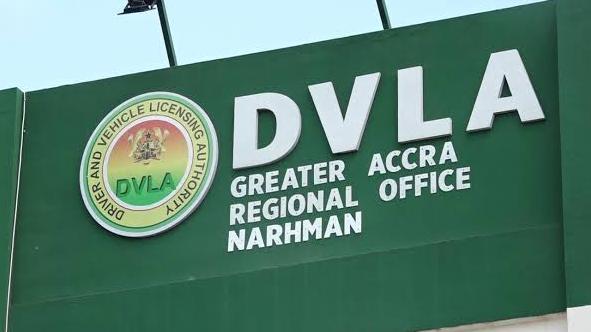
Every vehicle on Ghana’s roads must have a valid roadworthiness certificate. It is not a suggestion—it is a legal requirement under the Road Traffic Act, 2004 (Act 683). Without it, the police can stop you, fine you, or impound your vehicle. And the renewal rules have specific timing requirements that many drivers learn about the hard way.
What the Certificate Proves
A roadworthiness certificate confirms that your vehicle has passed a safety inspection. The DVLA examines the braking system, steering, suspension, tires, lights, windscreen, mirrors, horn, exhaust emissions, seat belts, and the general structural condition of the body and chassis .

It certifies the vehicle’s fitness, not the driver’s. A car with a valid certificate driven by an unlicensed person is still illegal—and vice versa.
📢 GET A DETAILED ARTICLES + JOBS
Join ASJ's WhatsApp Channel and never miss a post or opportunity.

The certificate is issued after a physical inspection at a DVLA testing station or an accredited Private Vehicle Testing Station (PVTS).
The Requirements: What You Need
The documents required are straightforward:

Vehicle Registration Certificate (V.C.R.) – Present this to the cashier and pay the road use fee .
The vehicle itself – It must be presented for examination and verification. You cannot get a certificate without the car being inspected .
Ghana Card – For identification of the owner or driver .
Previous roadworthiness certificate – If available .
What the Inspection Checks
The inspection is thorough. To avoid a failed test and a return visit, ensure your vehicle meets these standards :
-
Braking system – Tested on a roller brake tester. The difference between braking force on wheels of the same axle must not exceed 25%.
-
Lights – Headlights must be adjusted. Turn signals and brake lights must work perfectly.
-
Tires – Adequate tread depth and no visible damage (bulges, cuts).
-
Exhaust emissions – CO2 levels and smoke must not exceed the norm.
-
Mandatory equipment – Fire extinguisher (not expired), two emergency stop signs (red triangles), and a first aid kit.
The Fees: What You Pay
The roadworthiness fee varies by vehicle type and testing centre. The DVLA sets the official rates, but private testing stations may charge a small additional service fee.
| Vehicle Category | Estimated Fee (GHS) |
|---|---|
| Private sedan | 150 – 220 |
| SUV / 4×4 | 200 – 300 |
| Commercial vehicle (taxi, trotro) | 120 – 180 (every 6 months) |
These are estimates for 2026. The actual fee depends on the testing centre and the vehicle category. Commercial vehicles pay a lower rate but must renew every six months, not annually.
Important upcoming change: The DVLA is preparing to introduce a nationwide emission testing programme. Under the new policy, all vehicles will be required to pass an emission test before they can be registered or issued a roadworthy certificate. Motorists will pay GH¢80 per test, implemented through a Public-Private Partnership with accredited testing centres . Commercial vehicle operators will get a transition period of up to two years .
How to Renew: The Process
Where to Go
You can renew at any DVLA-certified Private Vehicle Testing Station (PVTS) or DVLA state centre . In Accra, authorised PVTS include BIVAC (Kaneshie), Vito Inspection (Weija), Beneas Centre (Abelemkpe), and Stargate Inspection (Spintex). In Kumasi, options include DVLA Kumasi (Adum), DVLA Ahinsan, and Bantama PVTS .

The Steps
-
Present your Vehicle Registration Certificate to the cashier and pay the road use fee .
-
Present the vehicle for examination and verification .
-
The inspection is conducted. If satisfactory, the roadworthiness sticker is issued .
The Renewal Timing Rule
This is where many drivers get caught. The DVLA allows renewal one month before the expiry date. If you renew early, the new expiry date takes into account the old certificate’s expiry, so you do not lose the remaining time
If you wait until the certificate has completely expired, you face two problems:
-
Police interception – Driving to the testing centre with an expired certificate means you are driving an unroadworthy vehicle. MTTD officials can stop and fine you .
-
Penalties – Late renewal attracts fines. A Graphic Online opinion piece from September 2026 documented drivers waiting hours at the STC centre in Accra, complaining bitterly about the fines imposed for late renewal .
The practical advice: Renew before expiry. Do not wait.
Real-World Delays: What to Expect
The process is not always smooth. A September 2026 report described a driver waiting nearly two hours at the STC centre in Accra to renew a roadworthy certificate. The delay was caused by invoices not being generated from the head office, and the payment point refused mobile money, accepting only cash.
Other drivers at the same centre reported being there since 1 PM and still waiting at 4:30 PM. The report called on the DVLA to send advance notices before expiry, similar to how insurance companies operate .
What this means for you: Build in buffer time. Carry cash as a backup. And renew early, so a delay does not push you into the penalty zone.
The Future: Stricter Oversight
The DVLA is tightening its monitoring of private testing stations. From 2027, any PVTS that authorises a roadworthy certificate will be required to have a video system allowing the DVLA to see the vehicle being inspected before the certificate is issued .
The move is intended to address concerns over visibly unroadworthy vehicles being allowed on the roads. The DVLA currently relies on reports from PVTS when determining whether vehicles qualify for certification .
For vehicle owners, this should mean more consistent standards. For the testing stations, it means greater accountability.
Quick Facts
| Topic | Details |
|---|---|
| Legal Basis | Road Traffic Act, 2004 (Act 683) |
| Private Vehicle Renewal | Annually |
| Commercial Vehicle Renewal | Every 6 months |
| Early Renewal Window | 1 month before expiry |
| Documents Required | V.C.R., Ghana Card, vehicle, previous certificate |
| Estimated Private Car Fee | GHS 150 – 220 |
| Emission Test (Upcoming) | GH¢80 per test |
| Where to Renew | DVLA centres or accredited PVTS |
Frequently Asked Questions
1. What is a DVLA roadworthy certificate?
It is a document certifying that your vehicle has passed a safety inspection. It confirms the vehicle’s fitness for the road, covering brakes, lights, tires, emissions, and structural condition .
2. How much does a roadworthy certificate cost in Ghana?
The fee varies by vehicle type and testing centre. For a private sedan, expect to pay between GHS 150 and GHS 220 in 2026. SUVs and 4x4s may cost GHS 200–300.

3. How often must I renew my roadworthy certificate?
Private vehicles renew annually. Commercial vehicles (taxis, trotros, ride-hailing) renew every six months .
4. When can I renew my roadworthy certificate?
You can renew one month before the expiry date. If you renew early, the new expiry date accounts for the old certificate, so you do not lose the remaining time .
5. What happens if I drive with an expired roadworthy certificate?
You are driving an unroadworthy vehicle, which is an offence under Act 683. MTTD officials can stop, fine, or impound your vehicle. Late renewal also attracts fines at the testing centre .
6. Where can I get my vehicle inspected in Accra?
You can use DVLA state centres (Head Office at 37, Tema Community 1) or accredited Private Vehicle Testing Stations (PVTS) including BIVAC (Kaneshie), Vito Inspection (Weija), Beneas Centre (Abelemkpe), and Stargate Inspection (Spintex).
7. What equipment must I have in my vehicle for the inspection?
You must have a valid fire extinguisher, two emergency stop signs (red triangles), and a first aid kit. Missing equipment can fail the inspection .
8. Is there a new emission test requirement?
Yes. The DVLA is introducing a nationwide emission testing programme. Vehicles will need to pass an emission test before a roadworthy certificate is issued. The test will cost GH¢80, implemented through accredited private centres
Source: Accra Street Journal
Last Updated on October 21, 2026 by Samuel Kwame Boadu
Disclaimer: Some content on Accra Street Journal may be aggregated, summarized, or edited from third-party sources for informational purposes. Images and media are used under fair use or royalty-free licenses. Accra Street Journal is a subsidiary of SamBoad Publishing Hub under SamBoad Business Group Ltd, registered in Ghana since 2014.
For concerns or inquiries, please visit our Privacy Policy or Contact Page.

Samuel Kwame Boadu is a Ghanaian media entrepreneur and storyteller with a passion for amplifying urban voices and uncovering everyday truths. He is the Editor-in-Chief and Founder of Accra Street Journal, a dynamic digital platform dedicated to capturing the pulse of Ghana’s capital—its people, culture, challenges, business, sports and innovations.