From a single production line in 1996 to a 13-country network producing 50+ SKUs across five lines in Accra and Kumasi, the Equatorial Coca-Cola Bottling Company (ECCBC) subsidiary has achieved what few multinationals can claim: a 95% market share of the Ghanaian carbonated soft drink industry. With a new 13-country West African network, back-to-back ‘Bottling Manufacturing Company of the Year’ awards, an Excellence in Corporate Operations & Governance honour for its Managing Director, and a legendary workforce where over half of employees have served for more than 11 years, the company is the undisputed king of Ghana’s $1.39 billion beverage market—and the most sophisticated manufacturing operation most Ghanaians have never seen.
Executive Introduction
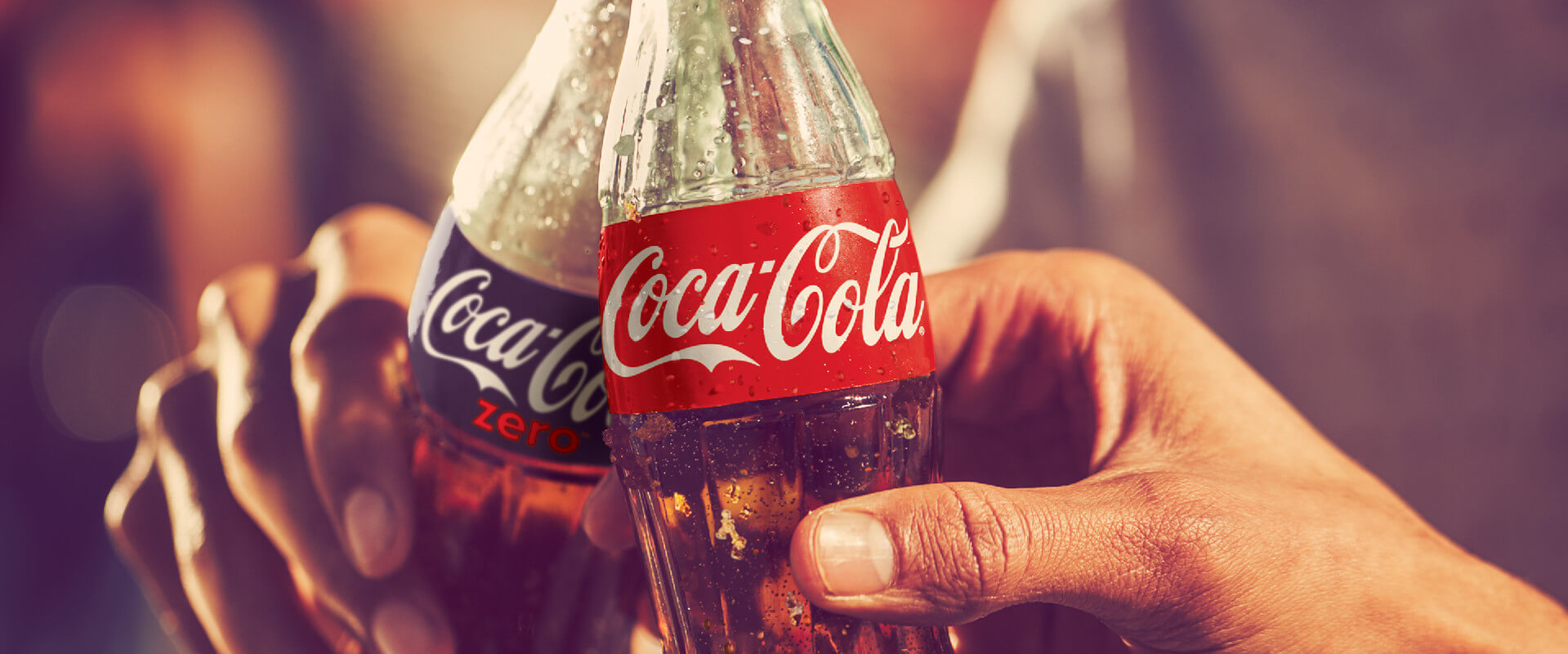
In the hierarchy of Ghanaian manufacturing, there are successful companies, and then there is the Coca-Cola Bottling Company of Ghana Ltd. The numbers tell a story of almost unimaginable dominance. The company controls an estimated 95% of the carbonated soft drink market in Ghana, a staggering concentration that has held steady for nearly two decades . It produces 50 different stock-keeping units (SKUs) across two ultramodern plants in Accra and Kumasi, bottling globally iconic brands like Coca-Cola, Fanta, Sprite, and Schweppes, alongside an extensive range of local favourites .

Yet, for all its market power, the company operates with a remarkable degree of strategic patience and workforce stability. 52% of its employees have been with the company for more than 11 years, a tenure profile that speaks to a deep institutional culture and a rejection of the high-turnover models that plague many manufacturing sectors . The company has established 31,000 new retail outlets, 8,000 mini-tables, 8,000 electric coolers, 10 distribution centres, and assisted entrepreneurs in setting up 60 mini-depots across the country .
📢 GET A DETAILED ARTICLES + JOBS
Join ASJ's WhatsApp Channel and never miss a post or opportunity.

The company‘s corporate structure is equally fascinating. It is a subsidiary of the Equatorial Coca-Cola Bottling Company (ECCBC) , a Moroccan-headquartered bottler that has been a partner of The Coca-Cola Company since 1989 . ECCBC now operates across 13 North and West African countries, reaching over 100 million consumers and serving more than 200,000 points of sale. The Ghana operation, which moved to its current Spintex Road facility in 1996, is the crown jewel of this network .
Under the leadership of Managing Director Felix Gomis—who has been honoured with the ‘Excellence in Corporate Operations & Governance Award‘ and ‘CEO of the Year (Manufacturing, Soft-Beverage)‘—the company has won back-to-back ‘Bottling Manufacturing Company of the Year‘ awards and swept the National FMCG Summit with accolades for its corporate communication team, its iconic brand, and its women‘s economic empowerment CSR initiative .

For investors, competitors, and industry analysts, the Coca-Cola Bottling Company of Ghana Ltd. is not merely a beverage manufacturer; it is a case study in market dominance through operational excellence. It is a company that has built an unassailable distribution fortress, a workforce with unparalleled institutional knowledge, and a brand portfolio that has become woven into the fabric of Ghanaian life. This profile examines the company‘s 1996 founding, its 95% market share, its 13-country ECCBC network, its five production lines and 50+ SKUs, its legendary distribution reach (31,000 outlets), the leadership of Felix Gomis, and the critical question: As Ghana‘s beverage market grows to $1.39 billion in 2025, can the company maintain its 95% share against nimble local competitors like Twellium and international rivals like PepsiCo?
Company Overview: The 1996 Launch and the 95% Market Share
The Genesis: From One Line to a Mega-Factory (1996)
The Coca-Cola Bottling Company of Ghana Ltd. is the authorized bottler of Coca-Cola beverages in Ghana and is part of the Equatorial Coca-Cola Bottling Company (ECCBC) network .
The company‘s modern history begins in 1996, when it moved to its current facility on the Spintex Road in Accra, establishing a manufacturing footprint that would be expanded multiple times over the following decades . The original plant was modest, but it laid the foundation for what would become the most dominant manufacturing operation in Ghana‘s consumer goods sector.
The first major expansion came in 2000 with the inauguration of a second bottling line. In 2003, the company added a PET (polyethylene terephthalate) line for plastic bottles . By 2004, President John Agyekum Kufuor inaugurated a new $9 million fully automated bottling line, a warehouse, and a Carbon Dioxide Plant. At that time, the third line had the capacity to produce 48,000 bottles per hour .
The 95% Market Share: A Twenty-Year Fortress
The company‘s market dominance is almost without parallel in global consumer goods. According to a KNUST academic study, TCCBCGL operated two plants (Accra and Kumasi) made up of five production lines, with four at the Accra plant and one in Kumasi. From a 60% market share in 1995, the company had increased its control to 86% in 2005 and, as of March 2007, controlled an extraordinary 95% of the beverage industry in Ghana .
This market share has remained largely stable for nearly two decades—a testament to the company’s distribution network, brand loyalty, and operational efficiency.
The company‘s product portfolio has expanded to include eight branded products: Coca-Cola, Fanta, Burn, Sprite, Krest, Schweppes, Minute Maid, and BonAqua. These brands encompass 24 distinct flavours, including Coca-Cola (Regular, Diet, Light), Fanta (Orange, Cocktail, Strawberry, Pineapple, Lemon, Black Currant, Apple), Krest (Ginger Ale, Bitter Lemon, Tonic Water, Soda Water), Schweppes (Bitter Lemon, Soda Water, Malt Drink), and Minute Maid (Pineapple, Apple, Cocktail, Orange) .
Operations and Footprint: Two Plants, Five Lines, 50+ SKUs
The company operates two strategically located production facilities:
| Facility | Location | Key Features |
|---|---|---|
| Accra Plant | Spintex Road | Four production lines; primary manufacturing hub; houses water treatment plant, syrup preparation, and biological wastewater treatment facility |
| Kumasi Plant | Kumasi | One production line; serves the middle belt and northern regions |
The Accra facility alone produces over 50 SKUs across carbonated drinks, water, and energy beverages . The plant operates 168 hours per week and includes a sophisticated water treatment plant that treats municipal water for beverage production, as well as a biological wastewater treatment facility that discharges effluent into municipal drains per regulatory standards .

Key Operational Metrics:
| Metric | Value |
|---|---|
| Founded (Current Facility) | 1996 |
| Parent Company | Equatorial Coca-Cola Bottling Company (ECCBC) |
| ECCBC Founded | 1997 |
| ECCBC Countries | 13 (North & West Africa) |
| ECCBC Consumer Reach | 100 million+ |
| ECCBC Points of Sale | 200,000+ |
| ECCBC Direct Employees | 4,000+ |
| ECCBC Indirect Jobs | 50,000+ |
| Ghana Employees | 200-500 |
| Ghana Market Share (Carbonated Soft Drinks) | 95% (as of 2007; sustained) |
| Number of Brands | 8 |
| Number of Flavours/SKUs | 50+ |
| Production Lines | 5 (4 Accra, 1 Kumasi) |
| New Outlets Created | 31,000+ |
| Mini-Tables Created | 8,000 |
| Electric Coolers Deployed | 8,000 |
| Distribution Centres | 10 |
| Mini-Depots (Entrepreneur-led) | 60 |
| Key Awards | Bottling Manufacturing Company of the Year (back-to-back) |
Leadership: Felix Gomis and the Award-Winning Management Team
Mr. Felix Gomis – Managing Director
Felix Gomis serves as the Managing Director of the Equatorial Coca-Cola Bottling Company (WAC) and leads the Ghana operation . His leadership has been recognised with multiple prestigious awards:
| Award | Year | Issuing Body |
|---|---|---|
| Excellence in Corporate Operations & Governance | 2025 | National Governance & Business Leadership Awards |
| CEO of the Year (Manufacturing Soft-Beverage) | 2024 | Ghana CEO Summit |
In a LinkedIn post following his 2024 award, Gomis expressed profound gratitude to the Ghana CEO Summit Board, stating: “It is a tremendous honor to receive the CEO of the year award… I owe a great deal of appreciation to all my colleagues and friends for their assistance in achieving this“ .
Gomis has also led the company to sweep four major awards at the National FMCG Summit:
-
National FMCG CSR Campaign on Women Empowerment of the Year (for the ‘Economic Inclusion of Marginalized Women Living in Urban Areas‘ project)
-
Corporate Communication Team Of The Year
-
Brand with Purpose (for Coca-Cola‘s positive impact on consumers and communities)
-
Ultimate Excellence in Leadership (awarded to Gomis himself)
The Workforce: 52% with Over 11 Years of Service
Perhaps the most remarkable statistic about the Coca-Cola Bottling Company of Ghana is the stability of its workforce. According to SignalHire data, the employee tenure profile is exceptional:
| Tenure Length | Percentage |
|---|---|
| Less than 1 year | 7% |
| 1 to 2 years | 10% |
| 3 to 4 years | 7% |
| 5 to 7 years | 14% |
| 8 to 10 years | 10% |
| More than 11 years | 52% |
Source: The High Street Business
Why This Matters:
-
Institutional Knowledge: Over half of the workforce has been with the company for more than a decade. These employees have witnessed the company‘s expansions, navigated market challenges, and internalised its operating procedures.
-
Consistency: Low turnover ensures that production standards, quality control, and customer relationships remain consistent year after year.
-
Training Efficiency: A stable workforce reduces the cost and disruption of constant recruitment and training.
-
Succession Planning: The company has a deep bench of experienced employees who can step into leadership roles as they become available.
The company has also seen 3 employee movements (2 joined, 1 left) in the sample period, indicating minimal churn .
The ECCBC Parent: A 13-Country African Beverage Powerhouse
From Equatorial Guinea to a Continental Network
The Equatorial Coca-Cola Bottling Company (ECCBC) was created in 1997 to combine the operations of several West African countries and serve as a platform for future growth .

The ECCBC Expansion Timeline:
| Year | Milestone |
|---|---|
| 1989 | Concession of Coca-Cola Company for Equatorial Guinea |
| 1997 | ECCBC created to combine Equatorial Guinea, Guinea Conakry, Mauritania, Cape Verde, Guinea Bissau, and The Gambia |
| 2000s–2010s | Expansion to Ghana, Morocco, and Algeria |
Today, ECCBC operates The Coca-Cola Company‘s portfolio in 13 African countries, reaching over 100 million consumers and serving more than 200,000 points of sale . The group provides direct employment to more than 4,000 people and indirect jobs to over 50,000 people across Africa .
The ECCBC Ghana Operation
The Ghana business unit is a critical part of this continental network. In 2024, students from the Tetr College of Business toured the Accra facility and noted that the plant operates as part of a 13-country West and Central African bottling network, serving 100 million+ consumers and 200,000+ retail points .
One visitor observed with quiet anger:
*“Nobody puts Accra in their manufacturing conversation. That‘s the problem… What I saw on that floor was world-class. By any standard. Any continent. 51 products. One facility. Coca-Cola, Fanta, Sprite… all of it, right here in Accra. Part of a network spanning 13 African countries, reaching 100 million consumers and over 200,000 points of sale across the continent. Back-to-back Bottling Manufacturing Company of the Year. Not once. Twice. And yet, when people talk about manufacturing hubs, they say Germany. They say China. They say US. They say India. Nobody says Accra. That‘s not a gap in performance. That‘s a gap in narrative.“*
This observation underscores the disconnect between Ghana‘s industrial capability and its global reputation.
The Distribution Fortress: 31,000 Outlets and 60 Mini-Depots
Coca-Cola‘s legendary distribution network is the primary reason for its 95% market share. The company has systematically built a logistics infrastructure that competitors cannot replicate.
Distribution Network Metrics:
| Asset | Quantity |
|---|---|
| New Outlets Created | 31,000 |
| Mini-Tables Created | 8,000 |
| Electric Coolers Deployed | 8,000 |
| Distribution Centres | 10 |
| Mini-Depots (Entrepreneur-led) | 60 |
The Mini-Depot Model:
The company has assisted independent entrepreneurs to set up 60 Mini-Depots, including Manual Distribution Centres (MDCs), which are independently managed . This model decentralises distribution, empowering local business owners while ensuring that Coca-Cola products are available in the most remote corners of the country.
The Cooler Strategy:
The deployment of 8,000 electric coolers to retail outlets is a masterstroke of brand activation. Every cooler is a branded point-of-purchase display, ensuring that Coca-Cola products are served at the ideal temperature—and that no other brand occupies that space.
Outlet Creation:
The company‘s investment in creating 31,000 new outlets demonstrates a long-term, patient capital approach to distribution. Rather than relying solely on existing retailers, Coca-Cola has actively expanded the retail ecosystem, creating points of sale where none existed before.
Product Portfolio: 8 Brands, 24 Flavours, 50+ SKUs
The company‘s product range has expanded significantly from its early days. According to the KNUST study, TCCBCGL produces eight branded products:
| Brand | Flavours/Variants |
|---|---|
| Coca-Cola | Regular, Diet, Light |
| Fanta | Orange, Cocktail, Strawberry, Pineapple, Lemon, Black Currant, Apple |
| Sprite | Lemon-lime |
| Burn | Energy drink |
| Krest | Ginger Ale, Bitter Lemon, Tonic Water, Soda Water |
| Schweppes | Bitter Lemon, Soda Water, Malt Drink |
| Minute Maid | Pineapple, Apple, Cocktail, Orange |
| BonAqua | Drinking water |
Total Flavours: 24
Total SKUs (Accra facility only): 50+
The production department operates 168 hours per week and oversees a water treatment plant for treating municipal water, syrup preparation, container washing, and a biological wastewater treatment facility .
Production Capacity (Historical and Current)
At the time of the 2004 expansion, the third bottling line had a capacity of 48,000 bottles per hour . Production had increased from 3 million crates annually in 1995 to more than 18 million crates in 2003 . By 2007, the company controlled 95% of the beverage market, a position it has maintained .
Awards and Recognition: A Trophy Case of Excellence
The Coca-Cola Bottling Company of Ghana Ltd. has accumulated significant industry validation in recent years.
| Award | Year | Issuing Body |
|---|---|---|
| Back-to-Back Bottling Manufacturing Company of the Year | 2024, 2025 | National FMCG Summit |
| National FMCG CSR Campaign on Women Empowerment of the Year (Economic Inclusion of Marginalized Women) | 2025 | National FMCG Summit |
| Corporate Communication Team Of The Year | 2025 | National FMCG Summit |
| Brand with Purpose (Coca-Cola) | 2025 | National FMCG Summit |
| Ultimate Excellence in Leadership (Felix Gomis) | 2025 | National FMCG Summit |
| Excellence in Corporate Operations & Governance (Felix Gomis) | 2025 | National Governance & Business Leadership Awards |
| CEO of the Year (Manufacturing Soft-Beverage) (Felix Gomis) | 2024 | Ghana CEO Summit |
The ‘Economic Inclusion of Marginalized Women‘ Initiative:
The company‘s award-winning CSR campaign focuses on the economic inclusion of marginalized women living in urban areas. This initiative aligns with ECCBC‘s broader commitment to improving education, providing access to drinking water, health, and developing entrepreneurial skills in the territories where it operates .
Corporate Social Responsibility and Sustainability
Environmental Stewardship
The Coca-Cola Bottling Company of Ghana has a long history of environmental investment. At the 2004 inauguration of the third bottling line, President Kufuor noted that the company had invested over $1.7 million in the provision of wastewater treatment facilities for its plants in Accra and Kumasi, urging other manufacturers to emulate Coca-Cola Ghana‘s environmental commitment .
The company continues to operate a biological wastewater treatment facility at its Accra plant, treating effluent to meet regulatory standards before discharge into municipal drains .
The ECCBC Foundation
Directly, or in collaboration with The Coca-Cola Africa Foundation, ECCBC is active in:
-
Improving education
-
Providing access to drinking water
-
Health initiatives
-
Developing entrepreneurial skills
Women‘s Economic Empowerment
The ‘Economic Inclusion of Marginalized Women Living in Urban Areas‘ project, which won the National FMCG CSR Campaign of the Year award, is a flagship initiative .
Market Position and Competition
Industry Standing: The 95% Colossus
The Coca-Cola Bottling Company of Ghana Ltd. is the dominant force in Ghana‘s $1.39 billion carbonated soft drink market (2025 projection). Its 95% market share is unprecedented in most global markets.
Ghana Carbonated Soft Drink Market (2025 Projection):
| Metric | Value |
|---|---|
| Market Size | $1.39 billion |
| Growth Rate | 10%+ annually (2025-2029) |
Source: Statista (referenced in conversation history)
Competitive Landscape
| Competitor | Strengths | Coca-Cola‘s Advantage |
|---|---|---|
| Twellium Industrial Company | Bigoo, American Cola, Rush Energy | 95% market share; 200,000+ POS; 31,000 exclusive outlets |
| PepsiCo (local distributors) | Global brand | Coca-Cola‘s distribution fortress; cooler dominance |
| Local soft drink producers | Price advantages | Scale; brand loyalty; ECCBC supply chain |
Competitive Advantages
1. 95% Market Share (The Ultimate Moat):
The company‘s 95% share of the carbonated soft drink market is a nearly insurmountable barrier to entry . New competitors must fight for the remaining 5%—a difficult proposition.
2. Distribution Fortress (31,000 Outlets, 60 Mini-Depots):
The company‘s distribution network—31,000 new outlets, 10 distribution centres, 8,000 coolers, 8,000 mini-tables, and 60 entrepreneur-led mini-depots—cannot be replicated quickly .
3. 13-Country ECCBC Network:
As part of a 13-country bottling network serving 100 million+ consumers, the Ghana operation benefits from economies of scale, shared best practices, and continental supply chain integration .
4. Workforce Stability (52% with 11+ Years):
Over half of the workforce has been with the company for more than a decade . This institutional knowledge ensures consistent quality, efficient operations, and deep relationships with distributors and retailers.
5. Iconic Global Brands:
Coca-Cola, Fanta, Sprite, and Schweppes are among the world‘s most valuable brands. The emotional connection that Ghanaian consumers have with these products is a significant competitive asset.
6. Back-to-Back Manufacturing Awards:
The company has won Bottling Manufacturing Company of the Year in back-to-back years, indicating that its operational excellence is recognised by industry peers .
Challenges and Risks
No analysis of the Coca-Cola Bottling Company of Ghana is complete without acknowledging the headwinds it faces.
Risk 1: The 95% Ceiling
With 95% market share, there is little room for volume growth in the carbonated soft drink category. The company must rely on:
-
Market expansion (new consumers entering the category)
-
Non-carbonated beverage growth (water, juices, energy drinks)
-
Price increases
Risk 2: Competition from Twellium and Other Locals
Twellium Industrial Company has grown rapidly, with brands like Bigoo (Cola, Cocktail) and Rush Energy competing directly with Coca-Cola and Burn . While Twellium‘s market share remains small, its growth trajectory is a threat.
Risk 3: Health and Wellness Trends
Global consumers are increasingly shifting away from sugary carbonated soft drinks toward water, low-sugar alternatives, and functional beverages. The company has diversified (BonAqua water, Minute Maid juices), but carbonated soft drinks remain its core.
Risk 4: Currency Volatility
The company imports concentrates and some raw materials. The cedi‘s volatility affects input costs. While the company has significant pricing power, sustained currency depreciation could compress margins.
Risk 5: Plastic Waste and Environmental Scrutiny
As a major producer of plastic bottles, the company faces increasing scrutiny over its environmental footprint. The global movement against single-use plastics is a long-term threat.
Mitigation: The company has invested in wastewater treatment facilities and is part of Coca-Cola‘s ‘World Without Waste‘ global initiative.
Risk 6: Economic Downturns
During economic contractions, consumers may trade down from branded carbonated soft drinks to cheaper alternatives.
Risk 7: Regulatory Environment
Changes in sugar taxes, plastic taxes, or advertising restrictions could affect profitability.
Future Outlook
As of June 2026, the Coca-Cola Bottling Company of Ghana Ltd. is in a position of enviable strength—but the path to growth requires innovation, not just market share defence.
The Immediate Agenda (2026-2027)
-
Grow Non-Carbonated Segments: Expand the BonAqua water and Minute Maid juice portfolios to capture health-conscious consumers.
-
Deepen Distribution Penetration: Expand the 60 mini-depot network to 100+ entrepreneur-led depots.
-
Innovate in Packaging: Continue sustainability initiatives (rPET, lightweighting) to address plastic waste concerns.
-
Leverage the ECCBC Network: Share best practices with the 13-country network to improve efficiency.
-
Expand Energy Drink Portfolio: Build on the Burn brand to capture a larger share of the growing energy drink category.
The Bull Case (Optimistic)
-
Non-Carbonated Growth Accelerates: BonAqua and Minute Maid capture 20%+ of the water and juice markets, diversifying revenue.
-
Distribution Deepens: The company expands its mini-depot network to 100+ locations, reaching deeper into rural areas.
-
ECCBC Synergies Materialize: The 13-country network leads to cost reductions and innovation sharing.
-
Sustainability Leadership: The company‘s environmental investments earn consumer loyalty and regulatory goodwill.
-
Health-Conscious Innovation: The company launches successful low-sugar and no-sugar variants, capturing health-conscious consumers.
The Bear Case (Pessimistic)
-
Competition Intensifies: Twellium captures 5-10% market share. Coca-Cola‘s share falls to 85-90%.
-
Sugar Taxes Bite: New taxes increase prices, reducing volume.
-
Plastic Backlash: Consumer sentiment shifts decisively against plastic bottles. The company struggles to adapt.
-
Economic Downturn: A recession reduces consumer spending on discretionary beverages.
-
Currency Crisis: The cedi depreciates sharply, compressing margins.
The Verdict
The Coca-Cola Bottling Company of Ghana Ltd. is the most successful manufacturing operation in the country‘s consumer goods sector. Its 95% market share is a fortress that has held for nearly two decades. Its distribution network—31,000 outlets, 10 distribution centres, 8,000 coolers, and 60 mini-depots—is a logistics asset that competitors cannot replicate. Its workforce, with 52% of employees having served for more than 11 years, provides institutional knowledge and operational consistency.
Under the leadership of Felix Gomis, the company has won back-to-back Bottling Manufacturing Company of the Year awards and swept the National FMCG Summit . Gomis himself has been recognised with the Excellence in Corporate Operations & Governance award and CEO of the Year .
The ECCBC parent, operating in 13 countries and reaching 100 million consumers, provides the Ghana operation with economies of scale, continental supply chain integration, and access to global best practices .
For the Ghanaian consumer, Coca-Cola is not merely a beverage; it is a part of the national culture. For the Ghanaian economy, the company is a major employer, a supporter of thousands of small retailers (through the mini-depot model), and a contributor to national development.
For the investor, the Coca-Cola Bottling Company of Ghana Ltd. is a private subsidiary of a private company—not publicly listed. Its financials are not available on the Ghana Stock Exchange. However, its trajectory under ECCBC ownership will be closely watched by competitors and analysts across West Africa.
The Coca-Cola Bottling Company of Ghana is not trying to be the largest beverage manufacturer in Ghana—it already is, by an extraordinary margin. It is trying to be the most efficient, the most sustainable, and the most innovative. With a 95% market share, a 13-country parent, and a legendary distribution network, it is well-positioned to defend its title.
FAQ SECTION
1. Is the Coca-Cola Bottling Company of Ghana a Ghanaian-owned company?
No. It is a subsidiary of the Equatorial Coca-Cola Bottling Company (ECCBC), which is headquartered in Morocco. ECCBC is the authorized bottler of The Coca-Cola Company in 13 North and West African countries .
2. Who is the Managing Director of the Coca-Cola Bottling Company of Ghana?
Mr. Felix Gomis serves as the Managing Director. He has won the Excellence in Corporate Operations & Governance Award (2025) and CEO of the Year (Manufacturing Soft-Beverage) at the Ghana CEO Summit (2024) .
3. What is ECCBC?
ECCBC (Equatorial Coca-Cola Bottling Company) was created in 1997 to combine Coca-Cola bottling operations across several West African countries. Today, it operates in 13 countries, reaching over 100 million consumers and serving more than 200,000 points of sale .
4. What is the company‘s market share in Ghana?
The company controls an estimated 95% of the carbonated soft drink market in Ghana, a position it has held since at least 2007 .
5. Where are the company‘s production plants located?
The company operates two plants: one on Spintex Road in Accra (with four production lines) and one in Kumasi (with one production line) .
6. How many products does the company produce?
The company produces 50+ SKUs across 8 brands and 24 flavours, including Coca-Cola, Fanta, Sprite, Burn, Krest, Schweppes, Minute Maid, and BonAqua .
7. How many outlets does the company serve?
The company has established 31,000 new outlets, 8,000 mini-tables, and 8,000 electric coolers, with 10 distribution centres and 60 entrepreneur-led mini-depots across the country .
8. What is the employee tenure profile?
An extraordinary 52% of employees have been with the company for more than 11 years, indicating exceptional workforce stability and institutional knowledge .
9. What awards has the company won recently?
The company won back-to-back Bottling Manufacturing Company of the Year awards (2024, 2025), and swept the National FMCG Summit with awards for CSR, corporate communication, brand purpose, and leadership .
10. What environmental investments has the company made?
The company has invested over $1.7 million in wastewater treatment facilities for its Accra and Kumasi plants . It also operates a biological wastewater treatment facility at the Accra plant .
11. How many people does ECCBC employ across Africa?
ECCBC provides direct employment to more than 4,000 people and indirect jobs to over 50,000 people across Africa .
12. Where is the Coca-Cola Bottling Company of Ghana headquartered?
The headquarters is located at Tema Motorway Industrial Area 2-4 Spintex Road, Accra, Ghana .
QUICK FACTS BOX
| Item | Details |
|---|---|
| Legal Name | The Coca-Cola Bottling Company of Ghana Limited (Equatorial Coca-Cola) |
| Founded (Current Facility) | 1996 |
| Headquarters | Tema Motorway Industrial Area 2-4 Spintex Road, Accra, Ghana |
| Industry | Beverage Manufacturing |
| Parent Company | Equatorial Coca-Cola Bottling Company (ECCBC) |
| ECCBC Founded | 1997 |
| ECCBC Countries | 13 |
| ECCBC Consumer Reach | 100 million+ |
| ECCBC Points of Sale | 200,000+ |
| Managing Director | Felix Gomis |
| Ghana Employees | 200-500 |
| Ghana Market Share (CSD) | 95% |
| Production Plants | Accra (4 lines), Kumasi (1 line) |
| Production SKUs | 50+ |
| Brands | 8 (Coca-Cola, Fanta, Sprite, Burn, Krest, Schweppes, Minute Maid, BonAqua) |
| Flavours | 24 |
| New Outlets Created | 31,000+ |
| Electric Coolers | 8,000 |
| Distribution Centres | 10 |
| Mini-Depots (Entrepreneur-led) | 60 |
| Employee Tenure (11+ years) | 52% |
| Key Awards | Back-to-back Bottling Manufacturing Company of the Year; Excellence in Corporate Operations & Governance (Felix Gomis); CEO of the Year (Felix Gomis) |
| CSR Focus | Economic inclusion of marginalized women; education; water access; health |
| Website | eccbc.com |
| Regulator | Food and Drugs Authority (FDA) |
Source: Accra Street Journal
Last Updated on June 7, 2026 by Samuel Kwame Boadu
Disclaimer: Some content on Accra Street Journal may be aggregated, summarized, or edited from third-party sources for informational purposes. Images and media are used under fair use or royalty-free licenses. Accra Street Journal is a subsidiary of SamBoad Publishing Hub under SamBoad Business Group Ltd, registered in Ghana since 2014.
For concerns or inquiries, please visit our Privacy Policy or Contact Page.

Samuel Kwame Boadu is a Ghanaian media entrepreneur and storyteller with a passion for amplifying urban voices and uncovering everyday truths. He is the Editor-in-Chief and Founder of Accra Street Journal, a dynamic digital platform dedicated to capturing the pulse of Ghana’s capital—its people, culture, challenges, business, sports and innovations.