









3 min read
Ghana’s economic landscape has experienced significant challenges in recent years, from rising inflation and currency depreciation to an ongoing fiscal deficit. However, 2025 marks a turning point as the country makes strides toward economic recovery. With strategic policy reforms, private sector growth, and increased investor confidence, Ghana’s economic recovery in 2025 is taking shape. But what are the key factors driving this revival, and what challenges remain?
1. Economic Stability and Inflation Control
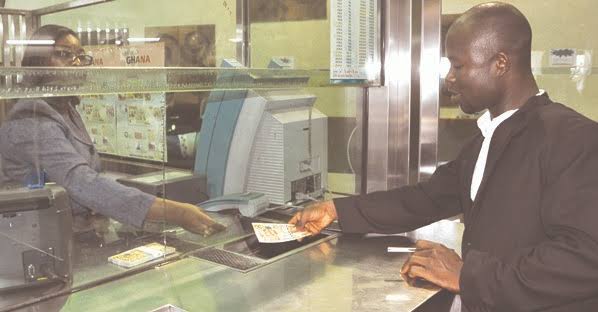
One of the most critical indicators of recovery has been Ghana’s ability to control inflation. After peaking at over 50% in 2023, inflation has gradually declined due to tighter monetary policies and improved fiscal discipline. The Bank of Ghana’s interventions, such as interest rate adjustments and foreign exchange stability measures, have restored confidence in the cedi, reducing import costs and stabilizing prices.
Key Takeaways
- Ghana’s economic landscape has experienced significant challenges in recent years, from rising inflation and currency depreciation to an ongoing fiscal deficit.
- However, 2025 marks a turning point as the country makes strides toward economic recovery.
- With strategic policy reforms, private sector growth, and increased investor confidence, Ghana’s economic recovery in 2025 is taking shape.
2. Business Growth in Ghana: SMEs and Industrial Expansion
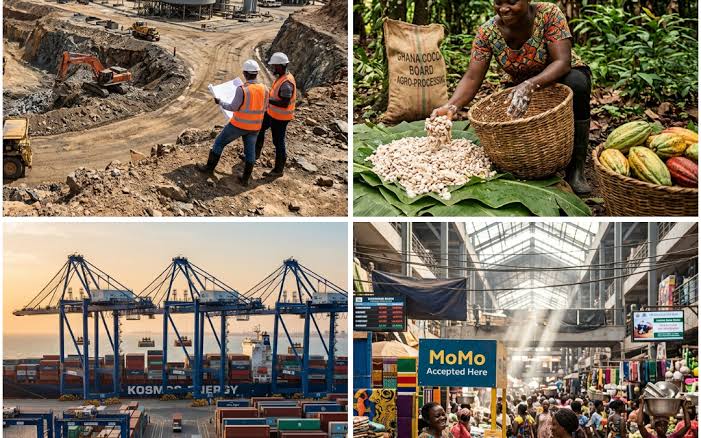
The backbone of business growth in Ghana lies in the resurgence of small and medium-sized enterprises (SMEs). Government initiatives such as tax incentives, access to low-interest financing, and business digitalization programs have empowered entrepreneurs. Additionally, Ghana’s industrial sector is benefiting from the One District, One Factory (1D1F) initiative, which has boosted local production, reduced dependency on imports, and created employment opportunities.
3. Foreign Direct Investment and Trade Expansion
Investor confidence is returning as Ghana strengthens its position as West Africa’s business hub. The Ghana Investment Promotion Centre (GIPC) has introduced policies that attract foreign direct investment (FDI), particularly in technology, manufacturing, and agriculture. Moreover, Ghana’s strategic participation in the African Continental Free Trade Area (AfCFTA) is opening new markets for local businesses, allowing them to expand beyond national borders.
4. Digital Transformation and Innovation in Ghana
Technology and innovation continue to be major drivers of economic recovery. Fintech companies are revolutionizing banking services, providing financial inclusion to previously unbanked populations. Additionally, e-commerce platforms and digital payment solutions are making transactions easier for businesses and consumers. With the government’s commitment to Ghana’s digital economy, sectors such as health tech, agritech, and e-governance are seeing rapid growth.
5. Infrastructure Development and Energy Sector Reforms
A significant portion of Ghana’s economic recovery efforts has focused on infrastructure development. The government’s investments in road networks, energy production, and transportation are improving business efficiency. Energy sector reforms are also critical, as Ghana works to resolve inefficiencies in electricity distribution and ensure sustainable power supply to industries.
6. Challenges and the Road Ahead
While Ghana is making commendable progress, challenges persist. High public debt, the need for structural economic reforms, and global economic uncertainties pose risks to sustained growth. Additionally, youth unemployment remains a pressing issue, requiring more job creation strategies through entrepreneurship and industrial expansion.
A Promising Path Forward
Despite these hurdles, Ghana’s economic recovery in 2025 is a testament to the resilience of its people and institutions. As business-friendly policies, digital transformation, and investment-friendly regulations take effect, the business growth in Ghana is set to continue. By maintaining fiscal discipline and fostering an innovative economic environment, Ghana can solidify its position as a key player in Africa’s economic resurgence.
Key Takeaways:
✅ Inflation is stabilizing, boosting investor and consumer confidence.
✅ SMEs and industrial initiatives like 1D1F are driving business growth in Ghana.
✅ Ghana is benefiting from AfCFTA, attracting more foreign direct investment.
✅ The digital economy and fintech are playing key roles in economic recovery.
✅ Infrastructure development and energy reforms are crucial to long-term growth.
By Samuel Kwame Boadu, Founder of SamBoad Business Group Ltd

Last Updated on March 9, 2026 by Samuel Kwame Boadu
Ghana Market Watch
Track Ghana’s economy and financial markets with exchange rates, bank rates, fuel prices, food and commodity prices, economic indicators and financial market updates.

Disclaimer: Some content on Accra Street Journal may be aggregated, summarized, or edited from third-party sources for informational purposes. Images and media are used under fair use or royalty-free licenses. Accra Street Journal is a subsidiary of SamBoad Publishing Hub under SamBoad Business Group Ltd, registered in Ghana since 2014.
For concerns or inquiries, please visit our Privacy Policy or Contact Page.

Samuel Kwame Boadu is a Ghanaian media entrepreneur and storyteller with a passion for amplifying urban voices and uncovering everyday truths. He is the Editor-in-Chief and Founder of Accra Street Journal, a dynamic digital platform dedicated to capturing the pulse of Ghana’s capital—its people, culture, challenges, business, sports and innovations.
Use the following reference when citing or referencing this article.
Your feedback helps us improve our journalism.
Report an Error
Help us maintain accuracy. Let our editorial team know if you spot an issue in this article.
Report a problem with this article