









2 min read
ACCRA— Ghana’s cedi, once celebrated as the world’s best-performing currency in early 2025, has lost momentum as surging demand for U.S. dollars exposed vulnerabilities in the country’s forex market.
After appreciating more than 40% against the dollar between January and June, the cedi hit GHS10.28 per dollar in June, recovering sharply from April’s GHS15.56 low. The rally was driven by record gold export revenues, tight monetary policy, fiscal discipline under an IMF program, and renewed investor confidence following debt restructuring.
Key Takeaways
- ACCRA— Ghana’s cedi, once celebrated as the world’s best-performing currency in early 2025, has lost momentum as surging demand for U.S. dollars exposed vulnerabilities in the country’s forex market.
- After appreciating more than 40% against the dollar between January and June, the cedi hit GHS10.28 per dollar in June, recovering sharply from April’s GHS15.56 low.
- The rally was driven by record gold export revenues, tight monetary policy, fiscal discipline under an IMF program, and renewed investor confidence following debt restructuring.
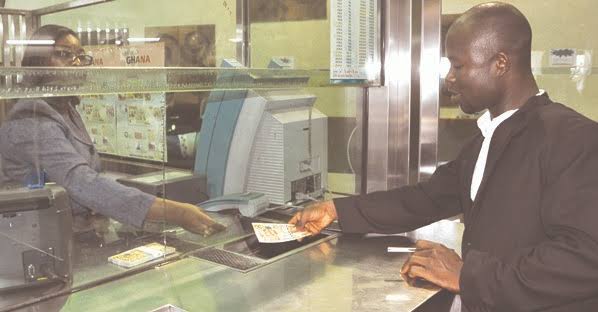
But by August, cracks appeared. Importers who had delayed dollar purchases rushed to meet payment obligations, overwhelming the interbank market. Banks, unable to meet demand, pushed businesses into the informal forex market, where rates were significantly higher.
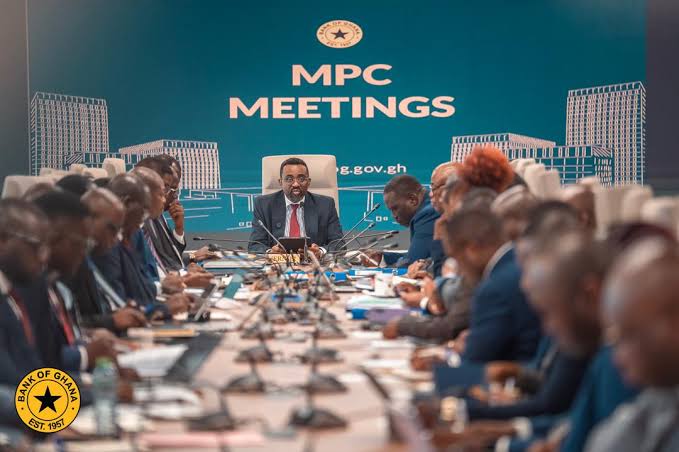
The Bank of Ghana’s decision to scale back interventions—following IMF advice to allow more exchange rate flexibility—amplified uncertainty. By late August, the cedi had weakened to around GHS12 per dollar, erasing part of its earlier gains, according to a World Bank report.
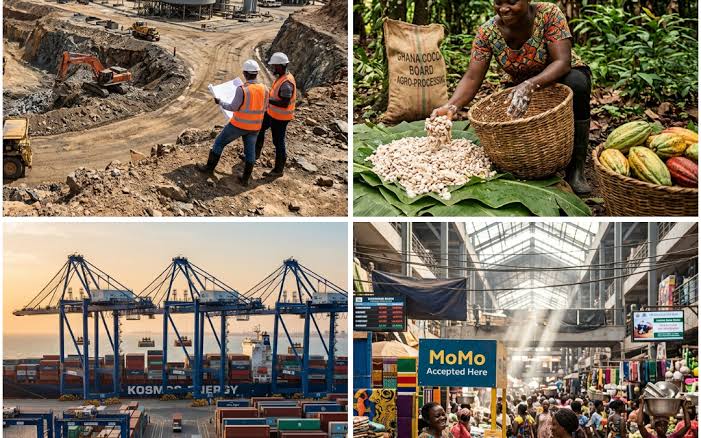
The episode underscores Ghana’s balancing act: managing short-term forex pressures in an import-heavy economy while sustaining investor confidence. Analysts warn that the currency’s stability depends on export diversification beyond gold and cocoa, deeper fiscal reforms, and consistent policy signals.
For businesses and households, the cedi’s reversal is a reminder of how quickly optimism can shift in a fragile recovery.
Source: Accra Street Journal
Last Updated on March 9, 2026 by Samuel Kwame Boadu
Disclaimer: Some content on Accra Street Journal may be aggregated, summarized, or edited from third-party sources for informational purposes. Images and media are used under fair use or royalty-free licenses. Accra Street Journal is a subsidiary of SamBoad Publishing Hub under SamBoad Business Group Ltd, registered in Ghana since 2014.

For concerns or inquiries, please visit our Privacy Policy or Contact Page.

Samuel Kwame Boadu is a Ghanaian media entrepreneur and storyteller with a passion for amplifying urban voices and uncovering everyday truths. He is the Editor-in-Chief and Founder of Accra Street Journal, a dynamic digital platform dedicated to capturing the pulse of Ghana’s capital—its people, culture, challenges, business, sports and innovations.

Use the following reference when citing or referencing this article.
Your feedback helps us improve our journalism.
Report an Error
Help us maintain accuracy. Let our editorial team know if you spot an issue in this article.
Report a problem with this article