








5 min read
The Ministry of Finance (MoF) is one of the most influential ministries in Ghana, responsible for shaping national economic policy, managing public finances, and supporting sustainable economic growth. Every decision made within the ministry has a direct effect on the everyday lives of Ghanaians, from the taxes people pay to the interest rates on loans, inflation, job creation, government salaries, and the stability of the cedi.
Yet many citizens do not fully understand how the Ministry of Finance is structured or the roles played by its various departments. This comprehensive guide by Accra Street Journal explains the mandate, organisational framework, divisions, and Core responsibilities of the Ministry of Finance in a clear and evergreen way.
Key Takeaways
- The Ministry of Finance (MoF) is one of the most influential ministries in Ghana, responsible for shaping national economic policy, managing public finances, and supporting sustainable economic growth.
- The MoF formulates policies that guide economic growth, employment, inflation control, fiscal discipline, and financial-sector stability.
- The ministry oversees revenue mobilisation through tax policy, non-tax revenue frameworks, and partnership with agencies like the Ghana Revenue Authority (GRA).
1. Mandate of the Ministry of Finance
The mandate of the Ministry of Finance is rooted in Ghana’s constitution and financial management laws. Its overarching purpose is to ensure macroeconomic stability and manage the country’s financial resources efficiently.
The core mandates include:
a. Managing Public Finances
The ministry oversees all government revenue, spending, borrowing, and budgetary allocations. It ensures that public money is used effectively to support national development.
b. Developing Economic Policy
The MoF formulates policies that guide economic growth, employment, inflation control, fiscal discipline, and financial-sector stability.
c. Preparing the National Budget
The national budget, read each year, outlines government revenue projections, expenditure plans, and priority programmes. The Ministry of Finance leads its preparation and execution.
d. Managing Public Debt
It manages Ghana’s domestic and external debt, ensuring borrowing is sustainable and used for productive development.
e. Mobilising Revenue
The ministry oversees revenue mobilisation through tax policy, non-tax revenue frameworks, and partnership with agencies like the Ghana Revenue Authority (GRA).
f. Ensuring Fiscal Responsibility
Through the Fiscal Responsibility Act, the ministry must keep deficits, debt levels, and spending within sustainable limits.
2. Structure of the Ministry of Finance
The Ministry of Finance is structured to support an orderly financial management system. It is headed by the Minister of Finance, supported by two Deputy Ministers, a Chief Director, Directors, technical advisors, and specialised units.

The core structure includes:
A. Minister of Finance
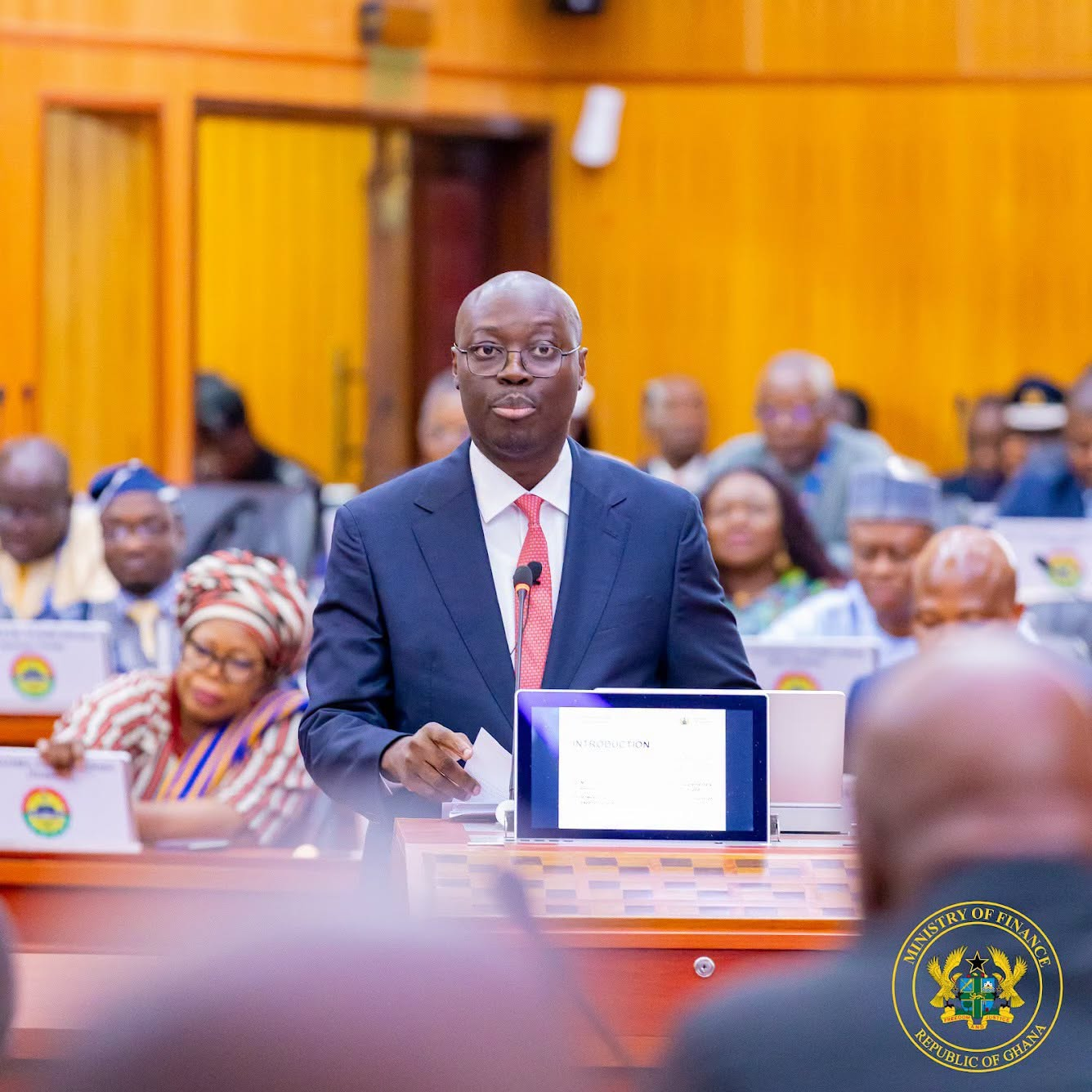
The political head responsible for policy direction, economic strategy, national budgeting, debt management, and engagement with Parliament and international partners.
B. Deputy Ministers
The two Deputy Ministers support the Minister by supervising key departments, managing reforms, and coordinating sector initiatives.

C. Chief Director
The administrative head who ensures that policies and directives are implemented efficiently. The Chief Director oversees the management of all divisions.
D. Advisory and Technical Units
These include:
-
Economic Advisors
-
Public Relations Unit
-
Reform and Modernisation Teams
They provide analysis, legal review, communication, and oversight to support decision-making.
3. Departments and Divisions of the Ministry of Finance
The Ministry of Finance has several specialised departments that handle specific financial, economic, and policy functions.
1. Budget Division
Responsible for:
-
Preparing the national budget
-
Coordinating with Ministries, Departments and Agencies (MDAs)
-
Monitoring government spending
-
Ensuring budget execution is aligned with policy goals
It is one of the most critical divisions in the ministry.
2. Economic Research & Forecasting Division
This division conducts:
-
Macroeconomic analysis
-
Short- and long-term economic forecasting
-
Inflation and GDP modelling
-
Revenue projection analysis
It supplies data for budget planning and economic policy decisions.
3. Debt Management Division
Responsible for Ghana’s:
-
External loans
-
Interest payments management
-
Engagement with international lenders
This division ensures Ghana’s debt remains sustainable.

4. Financial Sector Division
This division supervises policies related to:
-
Banking
-
Capital markets
-
Insurance
-
Pensions
-
Digital finance and fintech
It works closely with regulators like the Bank of Ghana and the Securities and Exchange Commission.
5. Public Investment and Asset Management Division
Focuses on:
-
Managing public infrastructure investments
-
Appraising government projects
-
Monitoring state-owned enterprises (SOEs)
-
Ensuring value-for-money investments
6. Revenue Policy Division
Responsible for shaping:
-
Tax policy
-
Non-tax revenue guidelines
It works closely with GRA to increase revenue mobilisation.
7. Treasury & External Resources Division
Handles:
-
Cash management
-
Donor funds coordination
-
Grants and loans from development partners
-
Disbursement tracking
8. Accounting and Financial Reporting Division
Responsible for:
-
Consolidating national financial reports
-
Ensuring compliance with Public Financial Management (PFM) laws
-
Providing national accounts and financial statements
9. Internal Audit Directorate
Ensures:
-
Effective internal controls
-
Protection of public funds
-
Audit compliance across all MoF divisions and sub-agencies
4. Agencies Under the Ministry of Finance
The MoF supervises several key national agencies, including:
-
Ghana Revenue Authority (GRA)
-
Controller and Accountant-General’s Department (CAGD)
-
Public Procurement Authority (PPA)
-
Securities and Exchange Commission (SEC)
-
Ghana Statistical Service (GSS) (collaborative relationship)
-
Financial Intelligence Centre
These agencies support revenue mobilisation, financial reporting, procurement, and regulation.
5. Key Responsibilities of the Ministry of Finance
The ministry’s day-to-day responsibilities cover:
✔ National budgeting
✔ Revenue mobilisation
✔ Public debt management
✔ Preparing fiscal policy
✔ Ensuring economic stability
✔ Managing donor funds
✔ Regulating financial policy for the banking and insurance sectors
✔ Supporting digital transformation in finance
✔ Monitoring SOE performance
✔ Ensuring accountability and transparency
These duties make MoF a central engine for Ghana’s economic future.
FAQs
1. What is the main mandate of Ghana’s Ministry of Finance?
Its main mandate is to manage public finances, develop economic policies, prepare national budgets, and ensure economic stability.
2. Who heads the Ministry of Finance in Ghana?
The Minister of Finance serves as the political head, supported by Deputy Ministers and a Chief Director.
3. How many departments are within the Ministry of Finance?
There are multiple specialised divisions including Budget, Debt Management, Economic Forecasting, Revenue Policy, and Treasury.
4. What agencies fall under the Ministry of Finance?
Key agencies include GRA, CAGD, PPA, SEC, NIC, and collaboration with GSS.
5. What role does the Ministry of Finance play in the national budget?
It prepares, coordinates, monitors, and ensures effective implementation of the national budget.
Source: Accra Street Journal
Last Updated on November 28, 2025 by Samuel Kwame Boadu
Disclaimer: Some content on Accra Street Journal may be aggregated, summarized, or edited from third-party sources for informational purposes. Images and media are used under fair use or royalty-free licenses. Accra Street Journal is a subsidiary of SamBoad Publishing Hub under SamBoad Business Group Ltd, registered in Ghana since 2014.
For concerns or inquiries, please visit our Privacy Policy or Contact Page.

Samuel Kwame Boadu is a Ghanaian media entrepreneur and storyteller with a passion for amplifying urban voices and uncovering everyday truths. He is the Editor-in-Chief and Founder of Accra Street Journal, a dynamic digital platform dedicated to capturing the pulse of Ghana’s capital—its people, culture, challenges, business, sports and innovations.
Use the following reference when citing or referencing this article.
Your feedback helps us improve our journalism.
Report an Error
Help us maintain accuracy. Let our editorial team know if you spot an issue in this article.
Report a problem with this article