







6 min read
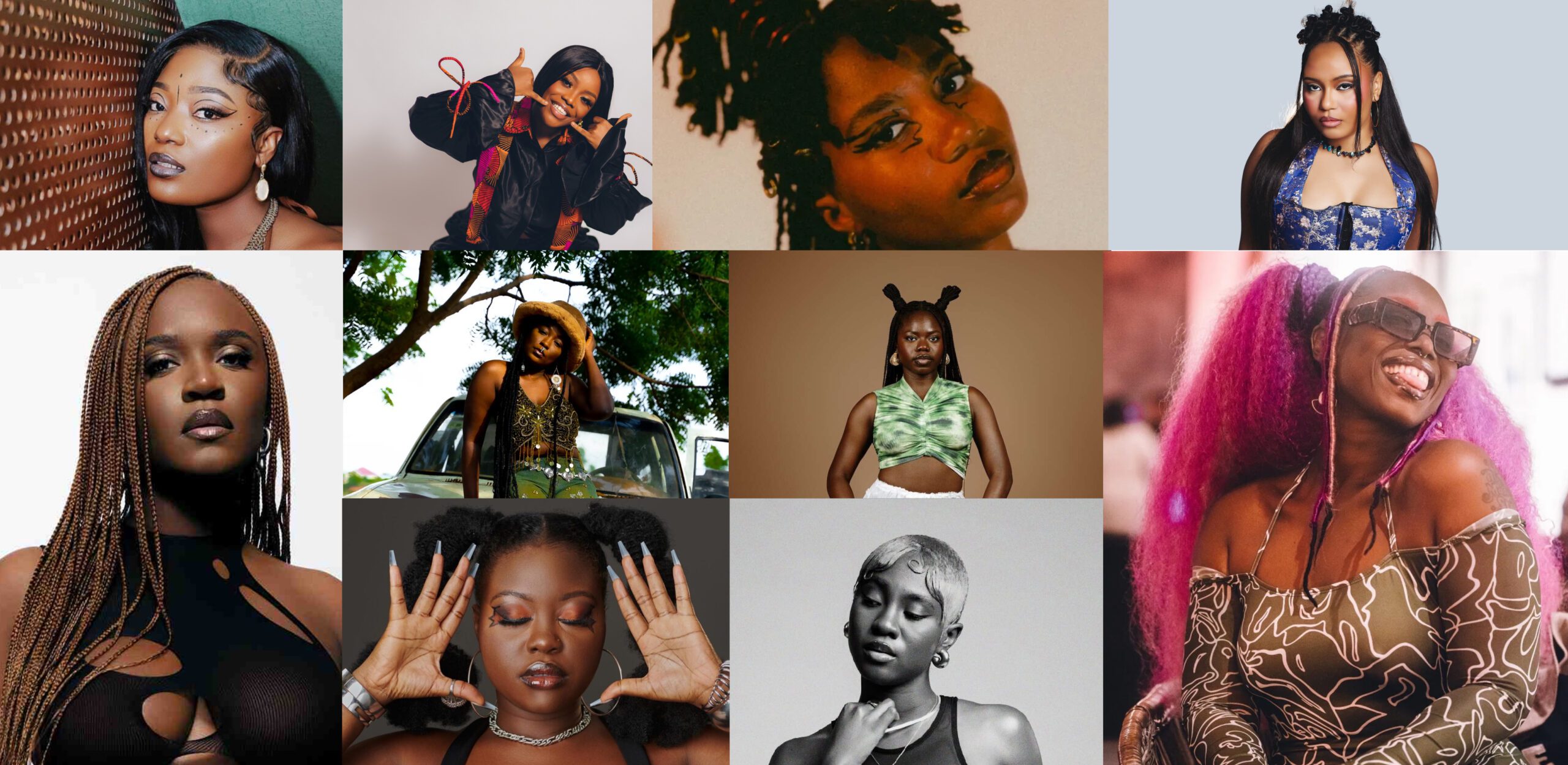
Ghanaian artists are increasingly commanding global attention, not as occasional breakthroughs but as consistent contributors to international creative culture. In 2026, the global visibility of Ghanaian art, music, fashion, film, and digital creativity reflects years of deliberate effort, professionalisation, and strategic positioning. These artists are not only exporting talent; they are exporting identity, narrative, and cultural confidence.
The international success of Ghanaian artists is rooted in Accra’s evolving creative ecosystem, where artistic expression intersects with entrepreneurship, technology, and global networks. What once relied heavily on chance exposure now benefits from intentional branding, digital distribution, and cross-border collaboration.
Key Takeaways
- Ghanaian artists are increasingly commanding global attention, not as occasional breakthroughs but as consistent contributors to international creative culture.
- In 2026, the global visibility of Ghanaian art, music, fashion, film, and digital creativity reflects years of deliberate effort, professionalisation, and strategic positioning.
- The international success of Ghanaian artists is rooted in Accra’s evolving creative ecosystem, where artistic expression intersects with entrepreneurship, technology, and global networks.
The Evolution of Ghana’s Global Creative Presence
Historically, Ghanaian artists faced significant barriers to international recognition, including limited access to global markets, inadequate infrastructure, and minimal institutional support. Despite these challenges, cultural resilience ensured that Ghanaian creativity remained vibrant and authentic.
In recent years, however, a structural shift has occurred. Artists now operate within a more connected global environment, supported by digital platforms, diaspora networks, and growing interest in African culture worldwide. This evolution has allowed Ghanaian artists to position themselves not as emerging curiosities, but as competitive global players.
The international stage has become more accessible, but only to those who approach their craft with strategy and professionalism.
Music as a Global Gateway
Music remains one of the most visible pathways through which Ghanaian artists reach international audiences. Genres rooted in highlife, hiplife, Afrobeats, and alternative sounds have found resonance across continents.
Ghanaian musicians now leverage streaming platforms, social media, and international collaborations to bypass traditional gatekeepers. Consistent releases, data-driven marketing, and audience engagement have replaced reliance on radio airplay alone.
Beyond chart success, international tours, festival appearances, and brand partnerships signal a deeper level of integration into the global music industry. These achievements demonstrate not only artistic excellence but also business acumen.
Visual Art and Contemporary Expression
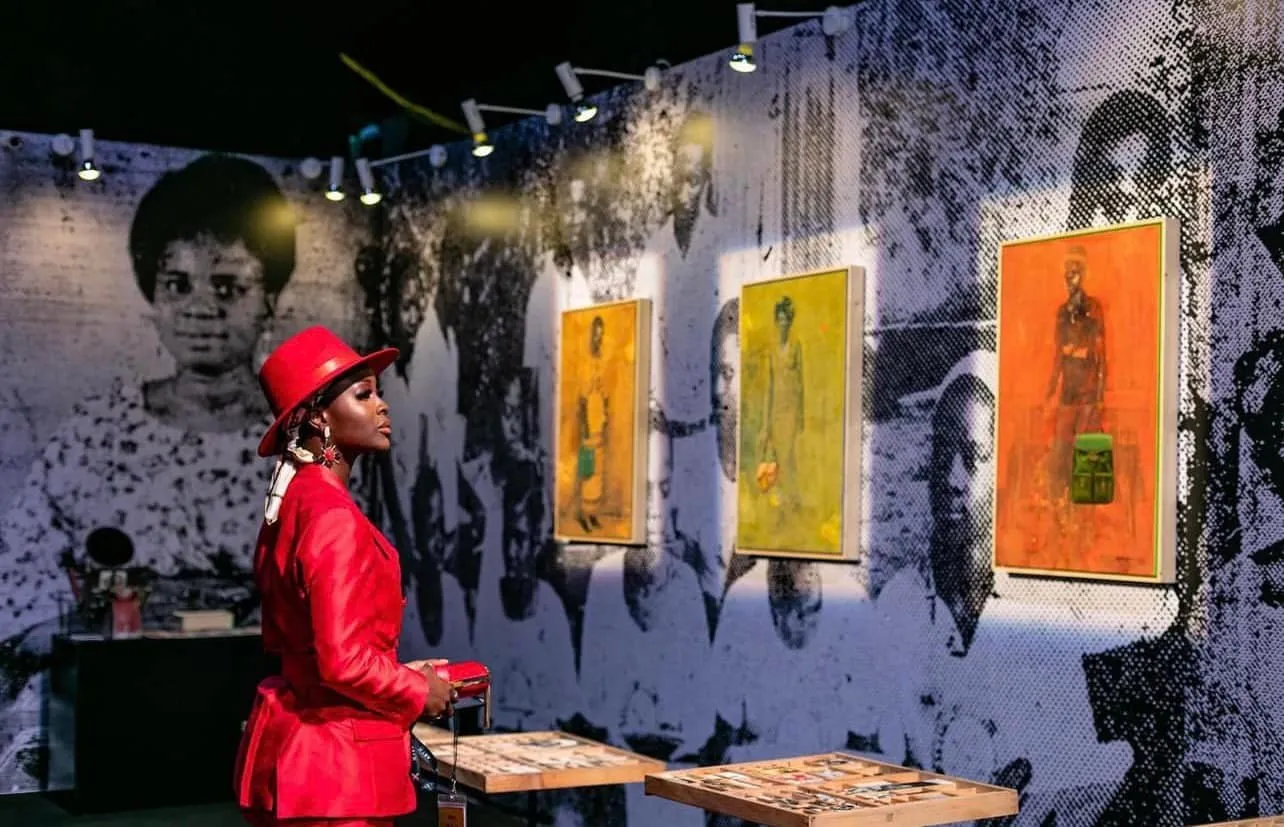
Ghanaian visual artists have gained prominence in international galleries, exhibitions, and auctions. Contemporary art rooted in Ghanaian history, identity, and social commentary resonates with global audiences seeking authenticity and perspective.
Artists working in painting, sculpture, photography, and mixed media increasingly collaborate with curators and institutions abroad. Their work challenges stereotypes, expands narratives, and positions Ghana as a thought leader in contemporary African art.

This visibility has economic implications, attracting collectors, investors, and cultural tourism while elevating the value of Ghanaian art on the global market.
Fashion and Design Crossing Borders
Ghanaian fashion designers have transformed traditional textiles, silhouettes, and craftsmanship into globally appealing brands. By blending cultural heritage with modern aesthetics, they create products that appeal to international consumers without diluting authenticity.

Runway showcases, fashion weeks, and digital campaigns provide platforms for global exposure. Designers who succeed internationally invest heavily in quality control, storytelling, and supply chain management, ensuring their brands meet global standards.
Fashion has become a powerful ambassador for Ghanaian culture, translating identity into wearable art.
Film, Storytelling, and Digital Media
Storytelling through film and digital media has emerged as another channel for international recognition. Ghanaian filmmakers and content creators use streaming platforms, film festivals, and online distribution to reach global audiences.
Their stories explore themes of migration, identity, tradition, and modernity, offering nuanced perspectives that resonate beyond national borders. This global reach challenges simplistic narratives about Africa and highlights Ghana’s creative depth.
Digital creators, in particular, benefit from the immediacy of online platforms, building global followings without geographic limitations.
The Role of the Diaspora and Global Networks
The Ghanaian diaspora plays a critical role in amplifying international exposure. Artists often leverage diaspora communities as entry points into new markets, using shared cultural identity as a bridge.
Collaborations with international artists, producers, and institutions further expand reach and credibility. These partnerships are most successful when grounded in mutual respect and creative exchange rather than trend-driven association.
Global networks transform individual success into collective momentum for Ghana’s creative industry.
Professionalisation and Business Strategy
A defining feature of Ghanaian artists making waves internationally is their emphasis on professionalisation. Talent alone is no longer sufficient. Successful artists operate as brands, supported by management teams, legal advisors, and marketing strategies.
Contracts, intellectual property protection, and revenue diversification are integral to sustaining international careers. This business-oriented approach ensures that global exposure translates into long-term value rather than fleeting attention.

Artists who understand the commercial dimensions of their craft are better positioned to negotiate, scale, and endure.
Cultural Identity as a Competitive Advantage
Rather than conforming to external expectations, Ghanaian artists increasingly centre their work on cultural authenticity. Language, symbolism, rhythms, and storytelling rooted in Ghanaian tradition distinguish their work in crowded global markets.
This authenticity resonates with audiences seeking originality and depth. It also reinforces cultural pride and ensures that international success strengthens, rather than erodes, local identity.
Economic and Social Impact
The international success of Ghanaian artists has broader economic implications. It creates employment across value chains, from production and marketing to logistics and event management.
Cultural exports also enhance Ghana’s global image, attracting tourism, investment, and cross-sector opportunities. Artists become informal ambassadors, shaping perceptions through creativity rather than diplomacy.
Sustaining Global Momentum
Sustained international relevance requires continuous innovation, strategic adaptation, and ecosystem support. Training, funding, and policy frameworks that recognise the economic value of creative industries are essential.
As more Ghanaian artists succeed globally, they pave the way for others, creating mentorship pathways and institutional knowledge that strengthen the industry as a whole.
FAQs
Which creative sectors are Ghanaian artists gaining international recognition in?
Music, visual arts, fashion, film, and digital media are the primary sectors experiencing global visibility.
What factors contribute to international success for Ghanaian artists?
Professionalisation, digital distribution, global collaborations, strong branding, and cultural authenticity are key contributors.
How important is the diaspora to Ghanaian artists’ global reach?
The diaspora provides initial market access, audience support, and networking opportunities that help artists expand internationally.
Are Ghanaian artists maintaining cultural identity while going global?
Yes, many artists intentionally centre their work on Ghanaian culture, using authenticity as a competitive advantage.
What impact does international success have on Ghana’s economy?
It generates employment, boosts cultural exports, enhances national branding, and attracts global interest and investment.
– ASJ
Last Updated on February 6, 2026 by Samuel Kwame Boadu
Disclaimer: Some content on Accra Street Journal may be aggregated, summarized, or edited from third-party sources for informational purposes. Images and media are used under fair use or royalty-free licenses. Accra Street Journal is a subsidiary of SamBoad Publishing Hub under SamBoad Business Group Ltd, registered in Ghana since 2014.
For concerns or inquiries, please visit our Privacy Policy or Contact Page.

Samuel Kwame Boadu is a Ghanaian media entrepreneur and storyteller with a passion for amplifying urban voices and uncovering everyday truths. He is the Editor-in-Chief and Founder of Accra Street Journal, a dynamic digital platform dedicated to capturing the pulse of Ghana’s capital—its people, culture, challenges, business, sports and innovations.
Use the following reference when citing or referencing this article.
Your feedback helps us improve our journalism.
Report an Error
Help us maintain accuracy. Let our editorial team know if you spot an issue in this article.
Report a problem with this article