








10 min read
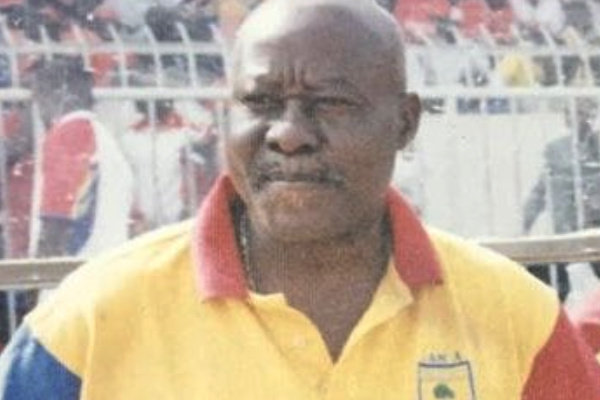
Sir Cecil Jones Attuquayefio is not merely a legendary manager in the history of Accra Hearts of Oak. He is the premier tactical architect of modern West African football. His career is a masterclass in how a strict, unwavering coaching philosophy combined with a visionary scouting blueprint can revolutionise an entire region’s sporting landscape. This is the story of the man who proved that African football could achieve elite tactical sophistication from within.
The Thesis: Tactical Hardening and Value-Driven Scouting
Attuquayefio’s success was rooted in a foundational belief that tactical discipline and psychological resilience supersede raw talent. Before his era, West African club football was celebrated primarily for its flair, individual dribbling, and unpredictability. Attuquayefio fundamentally disrupted this status quo.
Key Takeaways
- Historically considered an international underdog in West African football, Benin had never qualified for the Africa Cup of Nations in their entire history.
- A minute-by-minute tactical autopsy of the historic 2000 CAF Champions League campaign, detailing how his high-pressing 4-4-2 system dismantled continental giants without losing a single match.
- Tracking how his early pupils—Essien, Gyan, Muntari—went on to shape the historic 2006–2010 Black Stars Golden Generation, demonstrating that the roots of Ghana's World Cup success belonged to him.
Systemic multi-functionality. He rejected rigid, single-role positioning. He demanded that his players master multiple zones on the pitch, famously converting defensive players into lethal attacking forces and demanding that forwards spearhead defensive pressing.
Military-grade conditioning. He structured his training sessions around high-intensity stamina and rapid transitions. His teams were engineered to systematically exhaust opponents, weaponising the final twenty minutes of a football match.
Character-first scouting. When looking for talent, Attuquayefio prioritised psychological makeup over polished skill. He scouted for hunger, tactical intelligence, and a capacity to endure hostile environments. He believed he could teach technical execution but could not teach heart.
The Journey: Beyond the Rainbow
While his unbeaten continental treble with Hearts of Oak in 2000 cemented his status as a titan, Attuquayefio’s transformative legacy is truly defined by his impact outside of the club.
The Liberty Professionals Pipeline: Unearthing Global Icons
As one of the foundational minds behind Liberty Professionals FC, Attuquayefio established a youth scouting apparatus that would feed the global football market for over a decade. He had an uncanny, almost prophetic ability to spot raw teenagers and refine them into world-class modern athletes.
Michael Essien was cultivated from raw, tireless energy into the powerhouse box-to-box midfielder who would later dominate Europe with Chelsea.
Asamoah Gyan had his innate positional instincts and explosive acceleration recognised as a teenager, and the foundation of Africa’s all-time top World Cup goalscorer was moulded.
Sulley Muntari had his ferocious left foot and combative midfield nature refined, preparing him for a highly decorated career in Italy with Inter and AC Milan.
The International Frontier: The Miracle of Benin
Attuquayefio’s tactical philosophy proved completely borderless when he took over the Benin national team.

Historically considered an international underdog in West African football, Benin had never qualified for the Africa Cup of Nations in their entire history. Deploying his trademark psychological hardening and structural discipline, Attuquayefio took a squad largely devoid of high-profile global stars and forged them into a unified, defensive phalanx.
Against all odds, he guided the Squirrels of Benin to historic qualification for the 2004 AFCON in Tunisia. It remains one of the most stunning managerial achievements in continental history, proving that his blueprint could elevate any group of disciplined players to the absolute pinnacle of the sport.

The Biography Chapter Outline
Chapter 1: The Scholar-Player (1944–1974)
The roots of the mind. Exploring Attuquayefio’s early life in Accra, balancing academic pursuits with a blossoming football career as an intelligent, technically gifted midfielder.
The Black Stars era. Capturing his contributions on the pitch for the Ghana national team, including lifting the 1965 Africa Cup of Nations trophy and playing in the 1968 Olympics.
Transition to the blackboard. Tracing the exact moment his playing career ended and his tactical obsession began, examining his early coaching education and travels to absorb global football methodologies.
Chapter 2: The Liberty Pipeline and the Art of Scouting (1996–1999)
The vision of Liberty Professionals. How Attuquayefio co-founded a club explicitly designed as a modern, scientific youth academy rather than just a traditional sports franchise.
The golden eyes. A deep dive into his legendary scouting apparatus. How he discovered a young Michael Essien playing on dusty local pitches, a raw Asamoah Gyan, and a fiery Sulley Muntari.
The polishing blueprint. Analysing the specific training regimens he used to transition talented teenagers into elite, physically resilient athletes prepared for the intense demands of European football.
Chapter 3: The 64 Warfare Masterclass (1999–2001)
Taking the Rainbow reins. Attuquayefio’s appointment as manager of Accra Hearts of Oak and his immediate, radical overhaul of the squad’s psychological and tactical identity.
The positional alchemist. The tactical breakdowns of his most famous experiments, prominently featuring his conversion of right-back Emmanuel Osei Kuffour into the most lethal roaming forward in Africa.
The unbeaten treble. A minute-by-minute tactical autopsy of the historic 2000 CAF Champions League campaign, detailing how his high-pressing 4-4-2 system dismantled continental giants without losing a single match.
Chapter 4: The Borderless Blueprint — The Miracle of Benin (2002–2004)
The ultimate underdog challenge. Attuquayefio takes over the Benin national team, a nation that had never qualified for a major international tournament in its history.

Psychological hardening across borders. How he successfully transplanted his strict Ghanaian coaching philosophy into a foreign dressing room, demanding military-grade discipline from day one.
The ticket to Tunisia. The narrative of Benin’s historic, narrative-defying qualification for the 2004 Africa Cup of Nations, cementing his reputation as a manager who could create miracles out of pure structure.
Chapter 5: The Professor’s Twilight and Eternal DNA (2005–2015 and Beyond)
The elder statesman. Attuquayefio’s later years as a mentor to a new generation of African coaches, pushing for the academic advancement of local managers across the continent.
The global impact. Tracking how his early pupils—Essien, Gyan, Muntari—went on to shape the historic 2006–2010 Black Stars Golden Generation, demonstrating that the roots of Ghana’s World Cup success belonged to him.
The legacy of the master. A concluding analysis of his status as the African Guardiola or Ferguson, a pioneer who proved that African football could achieve elite tactical sophistication from within.
The Dramatic Prologue: The Night Benin Made History
The stadium in Cotonou was not built for miracles. It was a modest ground, the kind of place where the floodlights flickered and the pitch held more sand than grass. The Squirrels of Benin had never qualified for the Africa Cup of Nations. Not once. Not in decades of trying. The history books had already decided what Benin was: a footnote, an opponent to be beaten, a nation that produced good players but never a good team.
Cecil Jones Attuquayefio did not read history books. He wrote them.
He had arrived with a reputation built in Accra, in the dust of the 1970s and the floodlights of the 2000 CAF Champions League. He had taken a Ghanaian club through an entire continental campaign without losing a match. He had converted a right-back into the most lethal forward in Africa. He had built a team from the scouting of teenagers on dusty pitches. Now he stood in a foreign dressing room, with a squad of players who had never known what it felt like to qualify for anything.
His message was simple. It was the same message he had delivered to every team he had ever coached. Discipline. Structure. Heart. The belief that if you run until the final minute, if you hold your shape when the crowd turns against you, if you refuse to break, then the result will follow.
The match was tense. Benin defended with the discipline of a team that had been drilled relentlessly. They pressed when they could, they dropped when they had to, and they refused to concede. The goal, when it came, was not a moment of individual brilliance. It was the product of a system.
When the final whistle blew, the stadium erupted. Benin had qualified for the 2004 Africa Cup of Nations. The players fell to their knees. The coaching staff embraced. And Attuquayefio, the man who had built his career on the belief that structure beats talent, stood on the touchline and allowed himself a quiet smile.
He had done it again. Not with stars. Not with money. With a blueprint.
ASJ Bottom Line
Sir Cecil Jones Attuquayefio was not just a coach. He was an architect. He built teams from the ground up, converting defenders into forwards, scouting teenagers who would become global icons, and transplanting his philosophy across borders to achieve what no one thought possible.
His 2000 Hearts of Oak squad went through an entire CAF Champions League campaign unbeaten. His Liberty Professionals pipeline produced Michael Essien, Asamoah Gyan, and Sulley Muntari, the core of Ghana’s Golden Generation. His Benin team qualified for the Africa Cup of Nations for the first time in the nation’s history.
When he passed away in 2015, he left behind a blueprint that completely reshaped the footballing DNA of West Africa. He proved that African coaches could achieve elite tactical sophistication on the global stage, transforming the region from a mere exporter of raw talent into a sophisticated ecosystem of organised, disciplined, and tactically fearsome football.
He was the architect. The buildings are still standing.
Quick Facts
Sir Cecil Jones Attuquayefio was born in Accra. He was a member of the Black Stars team that won the 1965 Africa Cup of Nations and played at the 1968 Olympics. He co-founded Liberty Professionals as a modern youth academy. He discovered and refined Michael Essien, Asamoah Gyan, and Sulley Muntari. He managed Accra Hearts of Oak from 1998. His 2000 squad, the 64 Warfare, won the CAF Champions League unbeaten and completed a continental treble. He converted right-back Emmanuel Osei Kuffour into a roaming forward. He managed the Benin national team and led them to their first-ever AFCON qualification in 2004. He passed away in 2015. His pupils formed the core of Ghana’s 2006–2010 Golden Generation.
Frequently Asked Questions
1. Who was Sir Cecil Jones Attuquayefio?
He was a Ghanaian footballer and coach, widely regarded as the premier tactical architect of modern West African football. He managed Hearts of Oak, co-founded Liberty Professionals, and coached the Benin national team.
2. What was Attuquayefio’s coaching philosophy?
He believed that tactical discipline and psychological resilience supersede raw talent. He demanded multi-functionality, military-grade conditioning, and character-first scouting.
3. What did he achieve with Hearts of Oak?
He led Hearts of Oak to an unbeaten CAF Champions League title in 2000, completing a continental treble. His squad was known as the 64 Warfare.
4. Which players did he discover at Liberty Professionals?
Michael Essien, Asamoah Gyan, and Sulley Muntari, who went on to form the core of Ghana’s Golden Generation.
5. What did he achieve with Benin?
He guided Benin to their first-ever qualification for the Africa Cup of Nations in 2004, a historic achievement for a nation that had never qualified before.
6. How did he convert Emmanuel Osei Kuffour?
He converted Kuffour from a right-back into a roaming forward, and Kuffour became the top scorer of the 2000 CAF Champions League campaign.
7. What was his connection to Ghana’s Golden Generation?
His early pupils—Essien, Gyan, and Muntari—formed the core of the Black Stars team that reached the 2006 and 2010 World Cups.
8. When did he pass away?
He passed away in 2015, leaving behind a blueprint that reshaped West African football.
9. Why is he compared to Guardiola or Ferguson?
Because he was a pioneer who proved that African football could achieve elite tactical sophistication from within, building teams and institutions rather than just managing stars.
10. What is his legacy today?
His blueprint—tactical discipline, psychological hardening, and value-driven scouting—continues to influence African coaching. His pupils shaped Ghana’s greatest football era.
Source: Accra Street Journal
Last Updated on November 9, 2026 by Samuel Kwame Boadu
🏟️ Discover More Sports Stories
Looking for more in-depth sports news, interviews, and features? Visit Accra Sports News — your go-to for exclusive sports content in Ghana and beyond.
Disclaimer: Some content on Accra Street Journal may be aggregated, summarized, or edited from third-party sources for informational purposes. Images and media are used under fair use or royalty-free licenses. Accra Street Journal is a subsidiary of SamBoad Publishing Hub under SamBoad Business Group Ltd, registered in Ghana since 2014.
For concerns or inquiries, please visit our Privacy Policy or Contact Page.

Samuel Kwame Boadu is a Ghanaian media entrepreneur and storyteller with a passion for amplifying urban voices and uncovering everyday truths. He is the Editor-in-Chief and Founder of Accra Street Journal, a dynamic digital platform dedicated to capturing the pulse of Ghana’s capital—its people, culture, challenges, business, sports and innovations.
Use the following reference when citing or referencing this article.
Your feedback helps us improve our journalism.
Report an Error
Help us maintain accuracy. Let our editorial team know if you spot an issue in this article.
Report a problem with this article