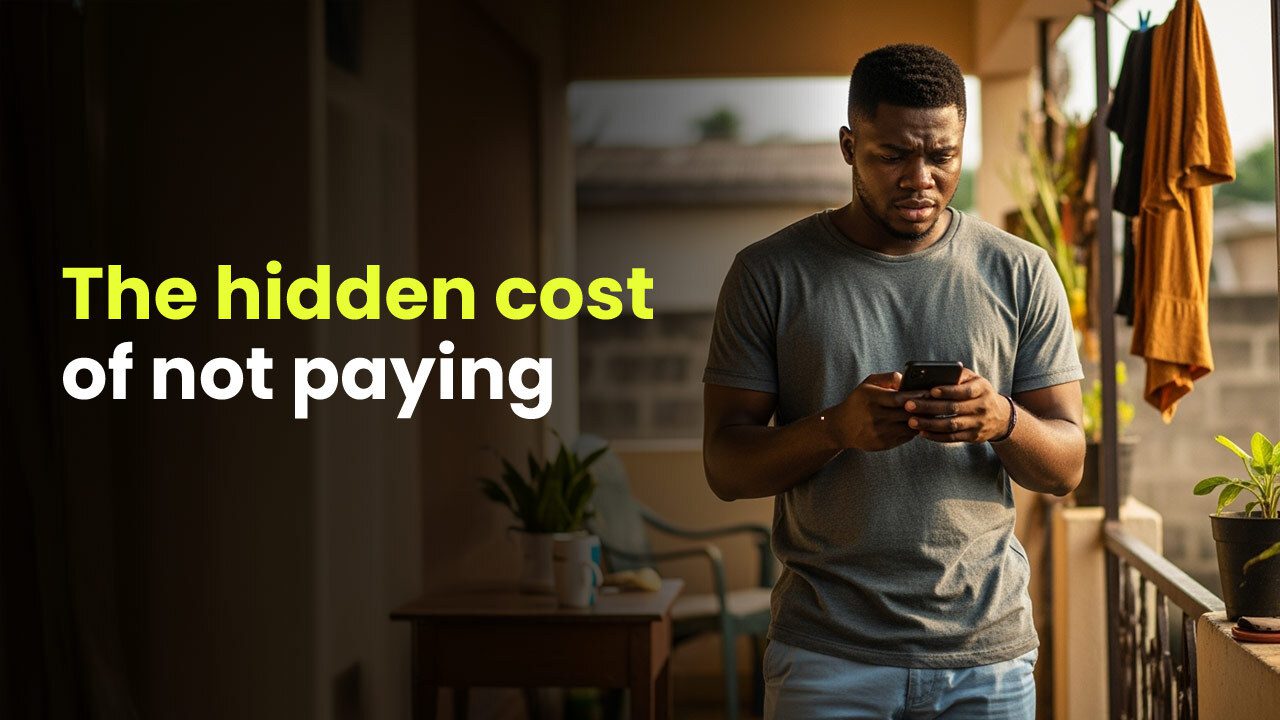
Over the past decade, quick loans have become increasingly popular in Ghana. With just a few taps on a mobile phone, borrowers can access small amounts of money within minutes. These loans are often marketed as convenient solutions for urgent needs such as paying bills, managing emergencies, or supporting small businesses.
Digital lenders, mobile money services, and fintech applications have made borrowing easier than ever before. However, while quick loans provide speed and convenience, they can also carry hidden costs that many borrowers may not fully understand before accepting the funds.

For individuals who rely on short-term credit, these hidden costs can accumulate over time and create financial pressure. Understanding the true cost of quick loans is therefore essential for anyone considering this form of borrowing.
📢 GET A DETAILED ARTICLES + JOBS
Join ASJ's WhatsApp Channel and never miss a post or opportunity.

The Growth of Quick Loans in Ghana
The rise of mobile technology has transformed financial services across Ghana. Mobile money platforms and fintech companies now offer instant credit services that allow users to borrow small amounts directly from their phones.
Telecommunications companies such as MTN Ghana and Telecel Ghana have played a role in expanding digital financial services through mobile platforms.

These services are designed to offer:
-
Fast loan approvals
-
Minimal documentation
-
Small loan amounts for short-term needs
-
Easy repayment through mobile money
While this accessibility has increased financial inclusion, it has also introduced new financial risks for borrowers.
High Effective Interest Rates
One of the most significant hidden costs of quick loans is the effective interest rate.
Many digital loan products advertise small interest charges for short repayment periods. However, when these rates are calculated on an annual basis, the cost can be extremely high.
For example:
-
A loan that charges 10% for two weeks may seem affordable.
-
But when converted to an annual rate, the effective interest can become much higher.
Because these loans are usually short-term, borrowers may not immediately recognize how expensive they are compared to traditional bank loans.
Processing and Service Fees
Another hidden cost involves processing fees and service charges.
Some quick loan platforms charge fees for:
-
Loan processing
-
Loan disbursement
-
Account maintenance
These fees may appear small individually but can significantly increase the total cost of borrowing.

Borrowers who focus only on the advertised interest rate may overlook these additional charges.
Late Payment Penalties
Quick loan services often operate with very short repayment periods, sometimes ranging from 7 days to 30 days.
If borrowers fail to repay on time, penalties may apply.
Common late payment costs include:
-
Additional interest charges
-
Fixed late fees
-
Increased future borrowing rates
These penalties can quickly increase the total debt, particularly for borrowers who are already facing financial challenges.
Automatic Deductions from Mobile Wallets
Many digital loan platforms are integrated with mobile money systems. This allows lenders to deduct repayments directly from the borrower’s mobile wallet.
While this feature simplifies repayment, it can also create difficulties for borrowers who rely on their mobile wallets for daily transactions.
Unexpected deductions may interfere with:
-
Paying bills
-
Sending money to family
-
Managing daily expenses
This automatic system can leave borrowers with little flexibility once repayment deadlines arrive.
The Risk of Multiple Loan Borrowing
Another hidden risk associated with quick loans is the temptation to borrow from multiple platforms at the same time.
Because digital lenders operate independently, borrowers may be able to obtain loans from several apps simultaneously.

While this may temporarily solve a financial problem, it can also create a cycle of debt if repayments become difficult.
Borrowers may end up taking new loans simply to repay existing ones, increasing their financial burden.
Impact on Credit History
In Ghana, financial regulators are increasingly encouraging the use of credit reporting systems.
Institutions such as Bank of Ghana oversee financial sector regulation and promote responsible lending practices.
When borrowers fail to repay loans, lenders may report the default to credit bureaus.
This can negatively affect a person’s credit history and make it more difficult to access future loans from banks or financial institutions.
Psychological Pressure and Debt Stress
Beyond financial costs, quick loans can also create psychological pressure.
Frequent repayment reminders, notifications, and debt collection messages can cause stress for borrowers who are struggling to repay.
For individuals who depend heavily on short-term loans, the cycle of borrowing and repayment can become emotionally exhausting.
Understanding the risks beforehand can help borrowers make more balanced financial decisions.
Responsible Borrowing Practices
Although quick loans have potential risks, they can still serve a useful purpose when used responsibly.
Borrowers can reduce financial risks by following several important guidelines.
Borrow Only When Necessary
Quick loans are best used for urgent and short-term needs rather than long-term financial commitments.
Read All Terms and Conditions
Understanding the full cost of borrowing—including interest rates, service fees, and penalties—is essential.
Compare Multiple Lending Platforms
Different lenders may offer different rates and repayment terms.
Plan for Repayment Before Borrowing
Borrowers should ensure they have a clear plan to repay the loan within the required time frame.
The Future of Digital Lending in Ghana
The digital lending sector in Ghana is likely to continue expanding as mobile technology and financial innovation evolve.
Fintech companies are developing new products designed to provide more flexible repayment options and better transparency in pricing.
At the same time, regulators are working to ensure that lenders operate responsibly and that consumers are protected from unfair practices.
Improved financial education will also play a key role in helping borrowers understand the risks and benefits of digital loans.
Conclusion From ASJ
Quick loans have become an important part of Ghana’s modern financial landscape. They provide fast access to funds and can help individuals manage short-term financial needs.
However, convenience often comes with hidden costs, including high effective interest rates, processing fees, late payment penalties, and potential debt cycles.
For borrowers, the key to avoiding these challenges lies in understanding the full cost of borrowing and approaching quick loans with careful financial planning.
When used responsibly, short-term loans can provide valuable financial support. But without proper awareness, the hidden costs can quickly outweigh the benefits.
FAQs
What are quick loans in Ghana?
Quick loans are short-term loans offered through mobile apps, fintech platforms, or mobile money services that provide fast access to small amounts of money.
Are quick loans expensive?
They can be. While interest may appear low for short periods, the effective annual cost can be much higher than traditional bank loans.
What hidden fees should borrowers watch for?
Common hidden costs include processing fees, service charges, and late payment penalties.
Can quick loans affect credit history?
Yes. Failure to repay loans may be reported to credit bureaus, which can affect future borrowing opportunities.
Are quick loans safe to use?
Quick loans can be useful if used carefully. Borrowers should always read loan terms and ensure they can repay the loan on time.
Source: Accra Street Journal
Last Updated on March 7, 2026 by Samuel Kwame Boadu
Disclaimer: Some content on Accra Street Journal may be aggregated, summarized, or edited from third-party sources for informational purposes. Images and media are used under fair use or royalty-free licenses. Accra Street Journal is a subsidiary of SamBoad Publishing Hub under SamBoad Business Group Ltd, registered in Ghana since 2014.
For concerns or inquiries, please visit our Privacy Policy or Contact Page.

Samuel Kwame Boadu is a Ghanaian media entrepreneur and storyteller with a passion for amplifying urban voices and uncovering everyday truths. He is the Editor-in-Chief and Founder of Accra Street Journal, a dynamic digital platform dedicated to capturing the pulse of Ghana’s capital—its people, culture, challenges, business, sports and innovations.