









4 min read
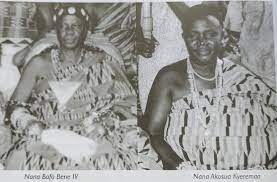
The Bono people, also known as the Brong and the Abron, are an indigenous Akan group hailing from West Africa. Within the Akan community, they hold the distinction of being one of the largest ethnic groups and are recognized for their matrilineal traditions. The Bono people primarily communicate in Bono Twi, a dialect of the Akan language that traces its roots back to King Nana Twi of Bono.
.
.
In the late 15th century, the Bono people embarked on a period of expansion, establishing the Gyaaman kingdom, which served as an extension of the Bono state. This kingdom spanned across present-day Ghana and Côte d’Ivoire, showcasing the far-reaching influence of the Bono people. The discovery of gold in the Twi River and Prabom across the Tain River during the 12th century played a significant role in augmenting the power and wealth of the Bono people.
.
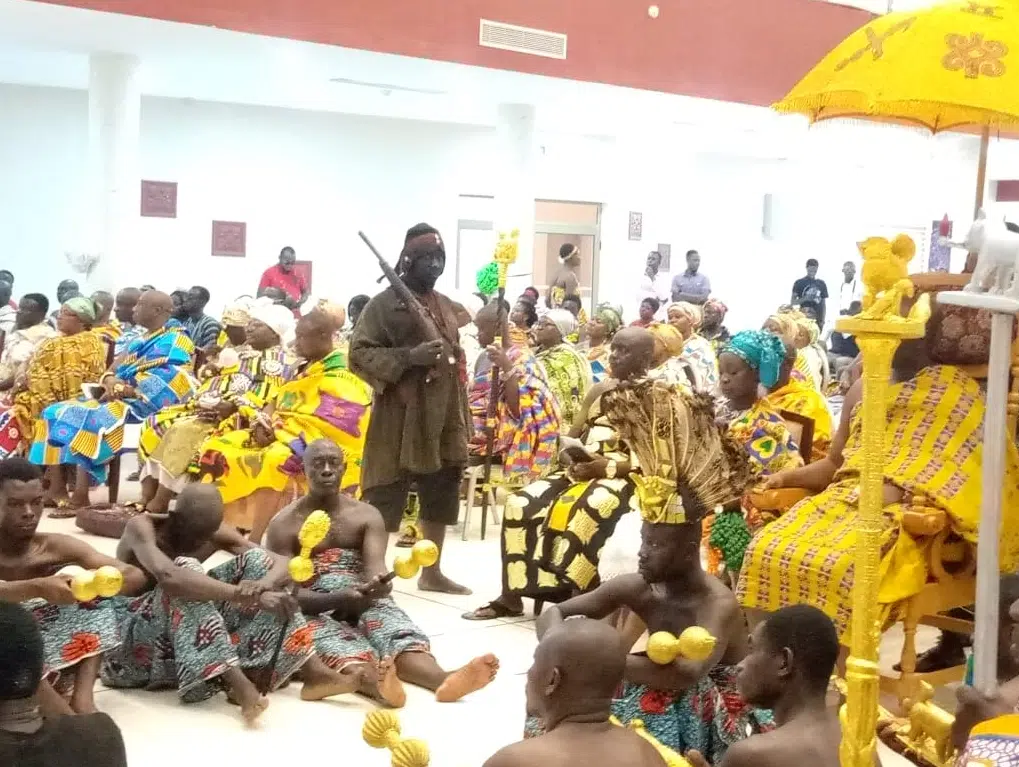
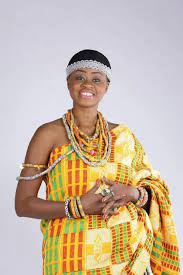
Gold dust emerged as a form of currency in the region, and the Bono’s control over the gold trade fostered economic prosperity and facilitated interactions with various market centers, including Djenne, Timbuktu, and North Africa. The Bono people were also celebrated for their expertise in brass casting, cloth weaving (such as gagawuga, kyenkyen, and kente), and pottery, which added to their cultural richness.
During the arrival of the Portuguese in the 15th century along the Gold Coast, the city of Begho in Bonoman emerged as one of the largest ancient cities in West Africa, boasting an estimated population of 12,000. Bono Manso, another historically significant city, played a notable role in the Atlantic slave trade. In present times, Bono Manso attracts many diaspora Africans who seek to explore their historical heritage and ancestral roots.
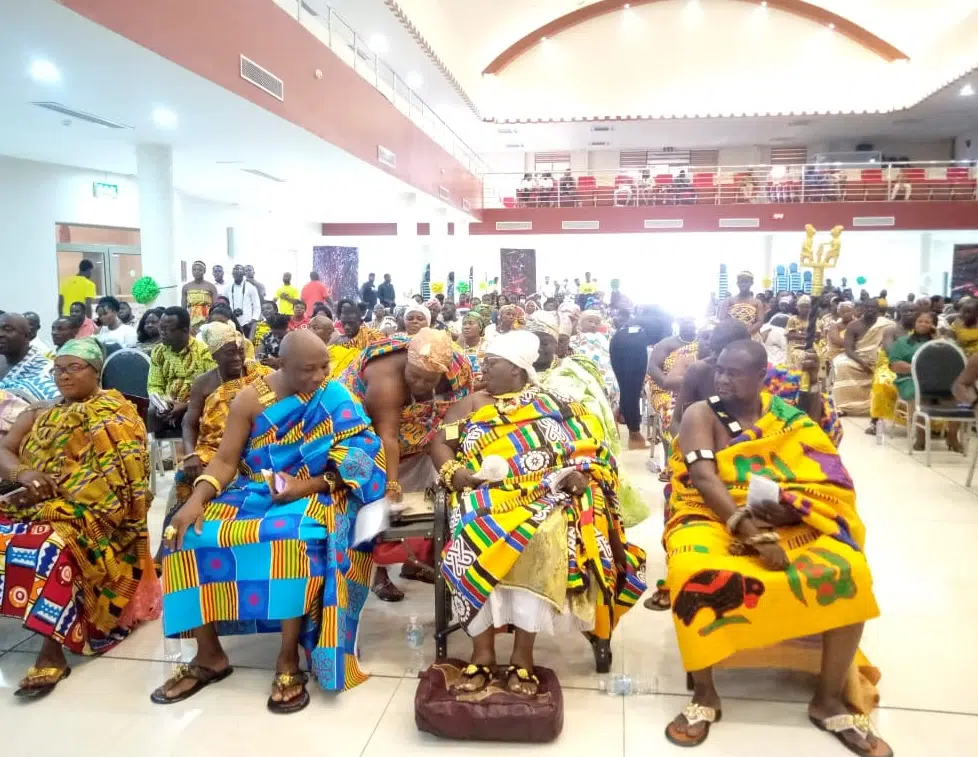
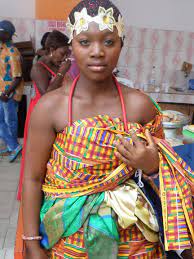
Bono is widely recognized as the cultural hub of Akan traditions, as many elements of Akan culture, including clans (abusua), ntoro, Akan drums (fontomfrom, atumpan), Akan nomenclature, umbrellas used for kings, adinkra symbols, fly whisks, ivory trumpets, headgears, and swords of the nation, find their origins in Bono. The Bono people actively participate in Akan traditional dances such as Kete, Adowa, fontomfrom, and various others, keeping their vibrant cultural practices alive.
.
The history of the Bono people can be traced back to their migration from Ancient Ghana. Faced with the imposition of different practices, they sought to preserve their Bono ancestral worship and spirituality, leading them to migrate to the southern part of the Black Volta River and the tropical forests of central Ghana. According to oral tradition, a group of Bono people emerged from a hole called Amonwi cave following an earthquake near Fiema in Nkoransa state. Later, they merged with another group led by Ohene Asaman at a location known as Pinihini.
.

.

Seeking guidance from his god (bosom buru or bosommuru), Ohene Asaman received instructions to establish towns or states, earning him the name Biakuru, meaning “he who builds towns.” The Bono people went on to construct a town called Yefiri, which translates to “we are coming out of the cave.” Ohene Asaman, belonging to the falcon clan Ayoko, and Bonohemaa Ameyaa Kesse established another town called Bono Manso, eventually becoming the capital of Bonoman, which comprised a confederation of seven powerful clans. Other settlements were named after the abosom (deities) that inhabited the land. The Krontihene, a chief advisor, remained in Yefiri, while families were encouraged to settle in different parts of the acquired territory.
.
READ ALSO:
Ghana: History of the Frafra People
.
SKB Journal appreciate you a lot for reading! If you enjoyed this piece by Samuel Kwame Boadu, kindly hit the share button and help others to also see it. You can also like our Facebook page, so you know when we make new posts or Click to JOIN our Telegram Channel where we post JOBS + TIPS
Last Updated on December 7, 2025 by Samuel Kwame Boadu
Disclaimer: Some content on Accra Street Journal may be aggregated, summarized, or edited from third-party sources for informational purposes. Images and media are used under fair use or royalty-free licenses. Accra Street Journal is a subsidiary of SamBoad Publishing Hub under SamBoad Business Group Ltd, registered in Ghana since 2014.
For concerns or inquiries, please visit our Privacy Policy or Contact Page.

Samuel Kwame Boadu is a Ghanaian media entrepreneur and storyteller with a passion for amplifying urban voices and uncovering everyday truths. He is the Editor-in-Chief and Founder of Accra Street Journal, a dynamic digital platform dedicated to capturing the pulse of Ghana’s capital—its people, culture, challenges, business, sports and innovations.
Use the following reference when citing or referencing this article.

Your feedback helps us improve our journalism.
Report an Error
Help us maintain accuracy. Let our editorial team know if you spot an issue in this article.
Report a problem with this article