





As the Africa Cup of Nations progressed into its knockout phases—when Algeria was preparing to face Nigeria in a blockbuster quarter-final—the financial landscape of African football has never been more striking. Riyad Mahrez, the Algeria captain and winger, was the highest-paid player at the tournament, earning a staggering £45.53 million per year in base salary from Saudi Arabian club Al-Ahli SFC, with an additional £6.83 million in bonuses.
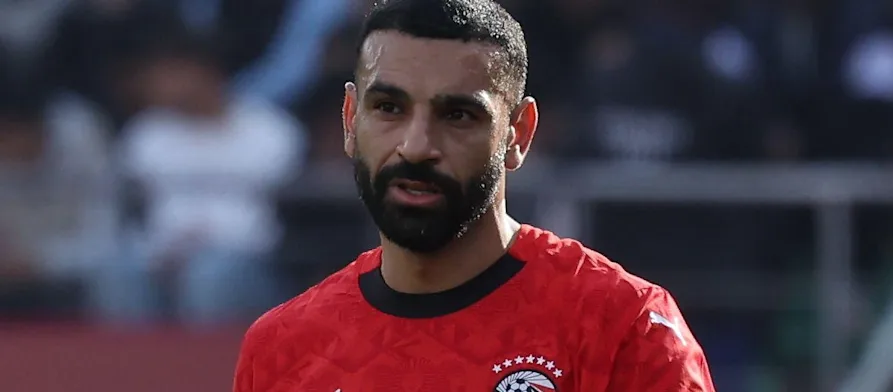
Following him were fellow former Premier League stars Sadio Mané (£34.88 million at Al-Nassr FC) and Kalidou Koulibaly (£30.26 million at Al-Hilal SFC), underscoring the financial muscle of the Saudi Pro League in attracting African talent. Mohamed Salah, the Egyptian icon still plying his trade in Europe, earned £20.54 million from Liverpool—a sum that places him fourth among AFCON participants but first among Premier League-based Africans.

The top ten highest-paid players at the tournament also included Victor Osimhen (£16.35 million, Galatasaray), Omar Marmoush (£15.15 million, Manchester City), Franck Kessié (£12.21 million, Al-Ahli SFC), Achraf Hakimi (£11.9 million, PSG), Édouard Mendy (£10.46 million, Al-Ahli SFC), and Yassine Bounou (£8.89 million, Al-Hilal SFC). The concentration of wealth in Saudi clubs was evident: five of the top ten earners ply their trade in the Kingdom, with Al-Ahli alone employing three of them. For African football, the numbers raise profound questions about the migration of talent, the sustainability of European clubs’ African recruitment, and the long-term impact on the competitiveness of the continent’s domestic leagues.
📢 GET A DETAILED ARTICLES + JOBS
Join ASJ's WhatsApp Channel and never miss a post or opportunity.

Key Developments: The Saudi Premium, European Holdouts, and Tournament Stakes
The AFCON 2025 wage data, compiled via Transfermarkt, provides a snapshot of a football economy in transition. The Saudi Pro League’s aggressive recruitment campaign, which began in earnest in 2023, has reshaped the global market for African stars. Mahrez, Mané, Koulibaly, Kessié, Mendy, and Bounou all moved to Saudi clubs at the peak of their careers, accepting salaries that European clubs could not match.
Mahrez’s £45.53 million base salary is more than double Salah’s £20.54 million—a gap that reflects not a gap in ability or marketability, but a gap in the financial models of the Saudi and European leagues. The Saudi clubs are loss-leading, funded by sovereign wealth, and willing to pay premiums to attract marquee names. European clubs, constrained by Financial Fair Play (now UEFA’s Financial Sustainability Regulations), cannot compete on base salary alone.
Mané’s £34.88 million and Koulibaly’s £30.26 million similarly dwarf their former Premier League wages. At Liverpool, Mané earned approximately £10 million; at Chelsea, Koulibaly earned approximately £12 million. The Saudi multiplier—roughly three to four times European wages—has proved irresistible for players in their late twenties and early thirties, for whom the trade-off between competitive football and financial security tilts toward the latter.
Salah remains the exception—a player still in his prime (33 at the time of AFCON 2025) who has chosen to remain in Europe. Liverpool pays him a base salary of £20.54 million with bonuses of approximately £5.14 million. He is the Premier League’s highest-paid African star and one of the league’s overall top earners. His decision to stay, despite reported Saudi offers exceeding £50 million annually, reflects both his competitive drive and his commercial earnings off the pitch.
Osimhen’s move to Galatasaray (£16.35 million) is notable. The Nigerian striker was linked with top European clubs before his transfer to the Turkish giants, where he earns a salary that places him fifth among AFCON earners. Galatasaray, like other Turkish clubs, has benefited from the migration of players who are too expensive for mid-tier European clubs but still seeking competitive football.
Marmoush’s £15.15 million at Manchester City places him sixth. The Egyptian forward is a rare example of an African star earning top wages at a European superclub. His presence on the list—alongside Salah—suggests that Europe’s elite still value African talent, but the middle tier of European clubs is losing ground to Saudi and Turkish competition.
On the pitch, the tournament stakes are high. Algeria, priced at 9/4 to beat Nigeria in their quarter-final, will rely on Mahrez to deliver a performance worthy of his wage. Salah was decisive for Egypt in the Round of 16, scoring in extra time to secure a 3–1 victory over Benin. Osimhen, despite being booed off the pitch after a confrontation with teammate Ademola Lookman during Nigeria’s 4–0 victory over Mozambique, remains a key figure. The financial value of the players does not guarantee success, but it reflects the market’s assessment of their quality.
Analysis & Implications: The Saudi Strategy, European Response, and African Football
The Saudi Pro League’s strategy is clear: use sovereign wealth to acquire elite talent, raise the league’s profile, and position Saudi Arabia as a destination for top players—potentially as a prelude to a World Cup bid. African players have been a key target because they are often undervalued in European markets relative to their ability, and because Africa’s growing population and football passion offer commercial upside.
The strategy has succeeded in attracting talent. Five of AFCON’s top ten earners play in Saudi Arabia. Al-Ahli alone employs three of them (Mahrez, Kessié, Mendy) at an average base salary of approximately £22.7 million. Al-Nassr (Mané) and Al-Hilal (Koulibaly, Bounou) are also well-represented. The average base salary of the top five Saudi-based AFCON players is approximately £30 million—substantially higher than the European-based players.
European clubs are responding, but slowly. The Premier League, La Liga, Serie A, and Bundesliga cannot match Saudi wages without breaching financial sustainability rules. Instead, they are focusing on younger players (pre-peak) and selling at a profit. Salah and Marmoush are exceptions, not the rule. For every Salah who stays, there are multiple Manés who leave.
The impact on African football is mixed. On one hand, African players are earning unprecedented salaries, building wealth for themselves and their families, and serving as role models for the continent’s youth. On the other hand, the migration of top African talent to Saudi Arabia reduces the visibility of African stars in Europe, where the global audience is largest. It also reduces the competitive quality of African national teams? Not directly—Saudi-based players are still available for AFCON and World Cup qualifiers—but the level of their club competition is lower than the Premier League or Champions League.
The long-term question is whether Saudi clubs will maintain their spending. The current model is unsustainable at current levels; sovereign wealth can subsidize losses for a long time, but not indefinitely. If Saudi clubs reduce spending, some African stars may return to Europe at reduced wages. If spending continues, European clubs may need to rethink their business models.
The tournament itself provides a platform for these players to remind European scouts of their quality. Algeria v Nigeria is a showcase; Egypt’s run; Senegal’s defence of their title. The wages are paid by clubs, but the legacy is built on international performances.
What This Means for African Football and Its Fans
For African football fans, the wage disparity between Saudi and European clubs is a source of both pride and concern. Pride, because African players are now among the world’s highest earners, recognized for their talent. Concern, because the migration to Saudi Arabia reduces the visibility of African stars in Europe’s top leagues, where most African fans watch football. The Premier League remains the most popular league in Africa; fewer African stars in the Premier League could reduce engagement over time.
For African federations, the migration to Saudi Arabia is neutral. Players based in Saudi Arabia are still available for national team duty. The Saudi league’s season calendar is compatible with FIFA windows. The real challenge is ensuring that players remain fit and competitive; the level of the Saudi league is improving but still below the top European leagues.
For young African players aspiring to professional careers, the Saudi money is a double-edged sword. The prospect of earning life-changing salaries is attractive, but the path to Saudi Arabia typically goes through Europe. Young players should still aim for European clubs, develop there, and then consider Saudi moves later in their careers. Skipping Europe and going directly to Saudi Arabia may limit development.
The club wage data reveals the concentration of financial power. Al-Nassr’s average base salary of £34.8 million for its top-earning AFCAN players is the highest among clubs. Al-Ahli follows at £22.7 million. Liverpool, at £20.5 million, is the highest European club, followed by Manchester City (£10.6 million). The gap between Saudi and European clubs is significant and growing.
For Ghanaian fans, the absence of Black Stars players from the top ten earners list is notable. Ghana’s highest earners—players like Thomas Partey (if still at Arsenal or elsewhere), Mohammed Kudus, and others—earn significantly less than the top ten. The list reflects the concentration of African talent in a few nations: Algeria, Senegal, Egypt, Nigeria, Morocco, and Ivory Coast. Ghana’s talent is deep but not as highly compensated.
The Accra Street Journal notes that the financialization of African football has accelerated. Players are assets; wages are investments; clubs are portfolios. The AFCON tournament is both a sporting competition and a marketplace. The players on display are worth billions. The wages they command are a measure of the global football economy’s valuation of African talent.
Wider Context: Global Football Wages and the African Premium
The global football wage market has been inflated by the entry of Saudi clubs, but African players have been particularly sought after because they offer value. European clubs have historically underpaid African stars relative to European and South American players with comparable ability. The Saudi intervention has corrected that market inefficiency—African players are now earning closer to their true market value.
The comparison with other regions is instructive. South American players (Brazilian, Argentine, Uruguayan) are also highly paid, but they have more representation in Europe’s top leagues. African players have been undervalued due to biases (perceived discipline issues, AFCON scheduling conflicts) that have suppressed their wages. The Saudi market does not share those biases; it pays based on ability and marketing potential.
The future trajectory of African player wages will depend on the sustainability of Saudi spending and the response of European clubs. If European clubs raise wages to retain African talent, the gap will narrow. If European clubs accept that they cannot compete, African players will increasingly move to Saudi clubs earlier in their careers. The outcome will shape African football for a generation.
The AFCON tournament itself is a reminder that wages are not destiny. Senegal, with three of the top ten earners, was eliminated earlier than expected (the analysis does not specify Senegal’s exit stage). Egypt, with Salah and Marmoush, progressed to the quarter-finals. Algeria, with Mahrez, faces Nigeria. The correlation between wages and tournament success is weak; football remains a team sport where chemistry, tactics, and form matter as much as individual quality.
The Accra Street Journal’s conclusion: the financial power shift to Saudi Arabia is real, but the prestige of African football remains with the continent’s national teams. AFCON 2025 is not a Saudi exhibition; it is a competition among nations. The players, wherever they earn their salaries, wear their national colours with pride. The wages are a side story. The football is the main event.
Source: Accra Street Journal
Last Updated on May 22, 2026 by Samuel Kwame Boadu
🏟️ Discover More Sports Stories
Looking for more in-depth sports news, interviews, and features? Visit Accra Sports News — your go-to for exclusive sports content in Ghana and beyond.
Disclaimer: Some content on Accra Street Journal may be aggregated, summarized, or edited from third-party sources for informational purposes. Images and media are used under fair use or royalty-free licenses. Accra Street Journal is a subsidiary of SamBoad Publishing Hub under SamBoad Business Group Ltd, registered in Ghana since 2014.
For concerns or inquiries, please visit our Privacy Policy or Contact Page.

Samuel Kwame Boadu is a Ghanaian media entrepreneur and storyteller with a passion for amplifying urban voices and uncovering everyday truths. He is the Editor-in-Chief and Founder of Accra Street Journal, a dynamic digital platform dedicated to capturing the pulse of Ghana’s capital—its people, culture, challenges, business, sports and innovations.